

Balance Bikes for Kids: Compare Features
Compare balance bikes by fit, frame construction, wheel design, tires, and safety features to find a ride-on toy suited to a child’s development and play style.
75 products in catalog
75 results
Filters


Radio Flyer
Radio Flyer Air Ride Balance Bike, Toddler Bike, Ages 1.5-5 Pink , White
See current price


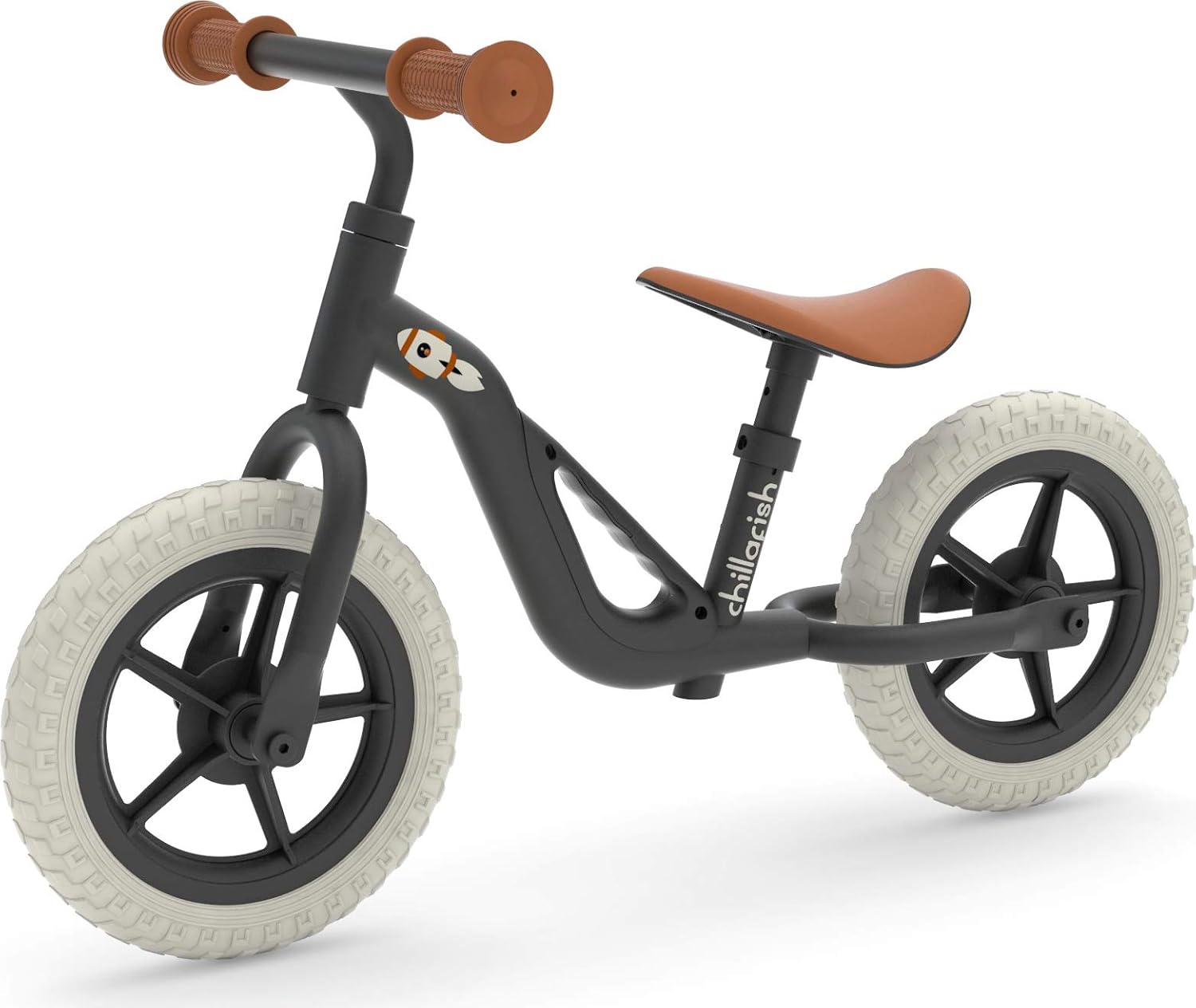


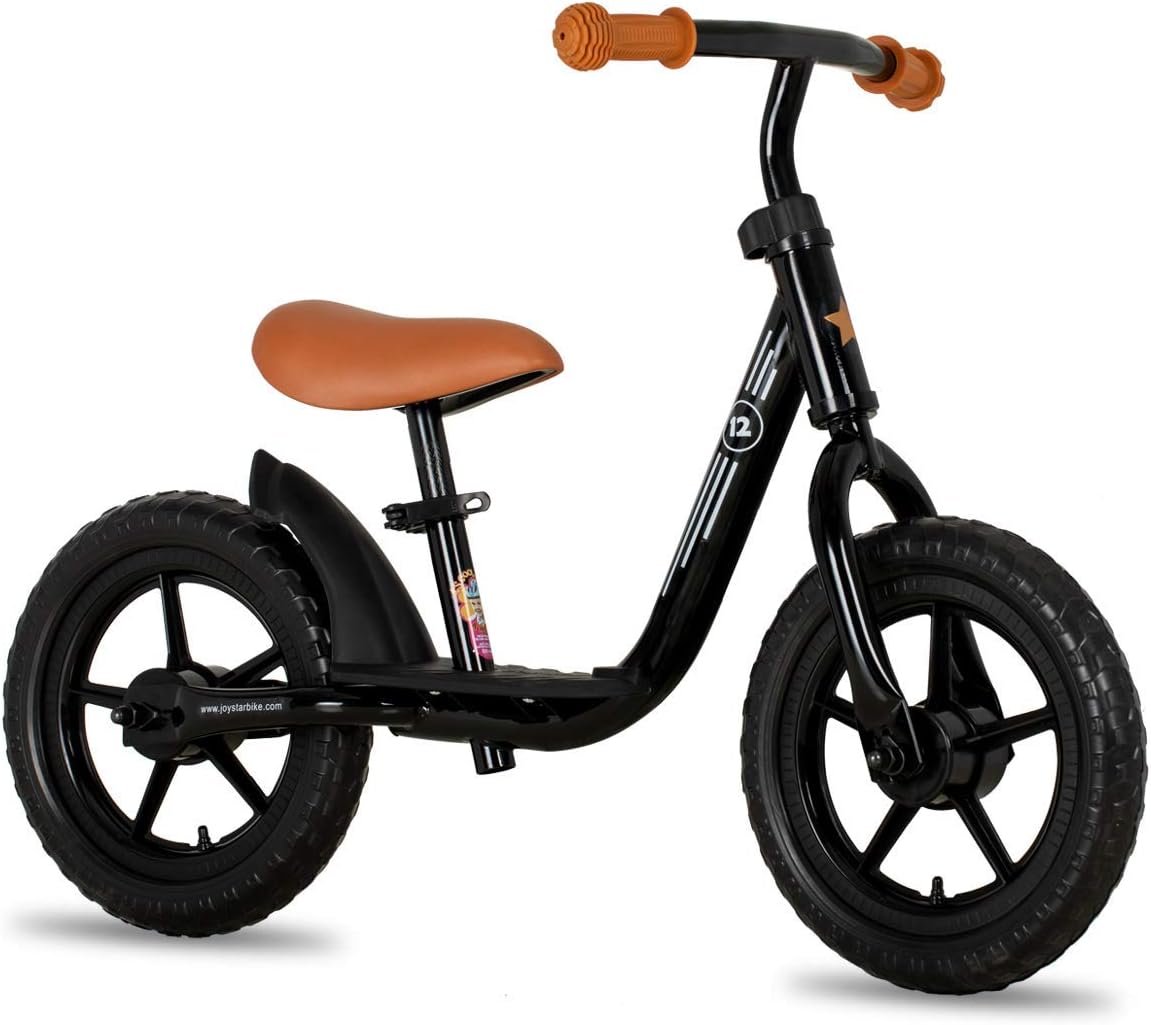
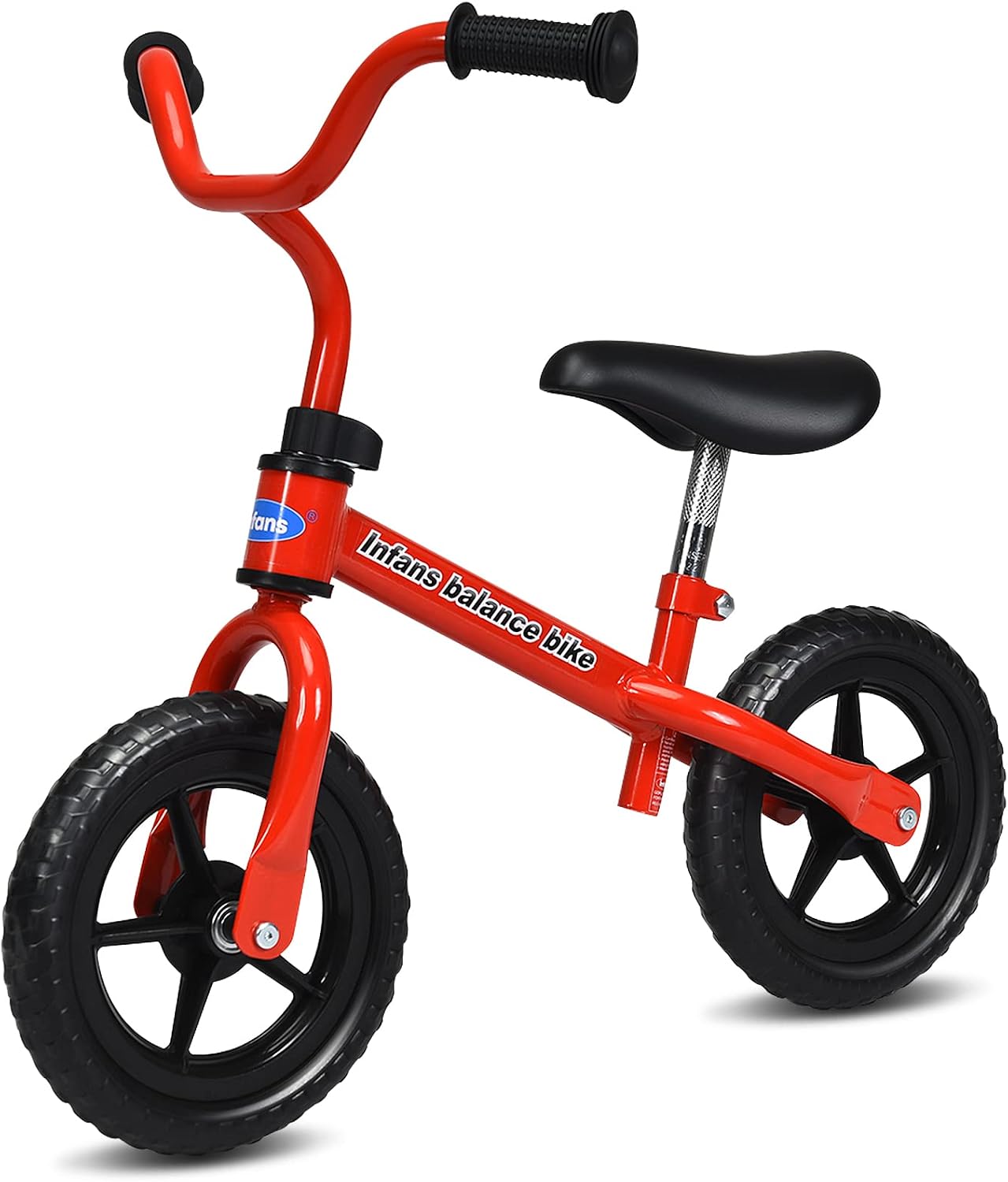


Popular brands in Balance Bikes
Balance bikes are pedal-free ride-on toys that help children practice steering, balance, and confidence before moving to a traditional bicycle. The right choice depends on the child’s size, coordination, riding environment, and how easy the bike is to handle.
K-Catalog helps shoppers compare listed specifications and features across this category before clicking through to Amazon for current product details. Balance bikes are part of the broader Tricycles, Scooters & Wagons category, but their balance-focused design makes them distinct from pedal tricycles and powered ride-ons.
How to choose a balance bike
Start with fit and handling. A child should be able to sit comfortably, place their feet securely on the ground, and reach the handlebars without stretching. A low step-over area can make mounting and dismounting easier, while an adjustable seat may allow the bike to accommodate growth.
Consider where the bike will be used. Indoor floors, sidewalks, driveways, grass, and other outdoor surfaces place different demands on tires and construction. A lightweight design is generally easier for a young rider to control and easier for an adult to carry, while a sturdier frame may suit frequent outdoor play. Compare the listed weight, recommended user details, and intended surface before choosing.
Types and design differences
Balance bikes can vary considerably even when they share the same basic pedal-free format. Common differences include:
- Frame material: Metal, plastic, and composite-style construction can affect weight, durability, and feel.
- Wheel format: Compare wheel size, tire width, and the overall wheel layout for the intended terrain and rider.
- Tire construction: Foam, solid, and air-filled tires each offer different handling, maintenance, and surface characteristics.
- Seat design: Look for padding, shape, height adjustment, and a surface that helps the child remain stable.
- Handlebars: Compare grip shape, steering range, padding, and whether the design includes protective features at the ends.
Families considering a different riding experience can also compare Kids' Tricycles for a pedal-based option with a more supported wheel arrangement. Push Ride-Ons may suit younger children who are not ready to propel a balance bike independently.
Key specifications and features to compare
Read the product specifications closely rather than choosing by appearance alone. Important details include the frame material, product weight, seat height range, handlebar height, tire type, and maximum supported weight when provided. These details help determine whether the bike is likely to be comfortable and manageable for the intended rider.
Also compare assembly requirements and included components. Some designs may arrive partially assembled, so check what tools or steps are required. A bike with simple controls and fewer adjustments may be convenient for occasional use, while adjustable components can provide more flexibility as a child grows.
For families comparing several ride-on categories, Ride-On Parts & Accessories can help identify complementary items or replacement components. Powered products are a separate choice; Electric Vehicles may have different supervision, charging, and safety considerations than a child-powered balance bike.
Fit, supervision, and safe use
Choose a bike that matches the child’s current proportions rather than relying only on a broad age label. Check that the child can place both feet down while seated and that the handlebars are easy to turn. A properly fitted helmet is an important part of riding preparation, even for low-speed play.
Use the bike in an open area away from traffic, stairs, steep slopes, and obstacles. Adult supervision should match the child’s ability and the riding location. Inspect the tires, wheels, fasteners, grips, and seat regularly, particularly after assembly or outdoor use. Follow the manufacturer’s instructions for weight limits, maintenance, and protective equipment.
Brands represented in the catalog
The Balance Bikes catalog includes products from LOL-FUN, VOKUL, XIAPIA, YGJT, LFUN, Ancaixin, Uenjoy, Chillafish, Afranti, Ackarido, Little Tikes, and Inspack. Comparing these listings by construction, fit, tire design, included features, and care requirements is more useful than choosing by brand name alone, since specifications can vary between products.
Frequently asked questions
What is a balance bike?
A balance bike is a pedal-free children’s bike designed for learning steering and balance through foot-powered movement. It typically does not use pedals or training wheels.
How should a balance bike fit?
The child should be able to sit comfortably, reach the handlebars naturally, and place their feet securely on the ground. Check the listed seat-height range against the child’s measurements.
Are balance bikes suitable for outdoor use?
Many are designed for outdoor play, but the appropriate surface depends on the tire construction and frame design. Compare the specifications and follow the manufacturer’s use guidance.
Does a balance bike need brakes?
Some models may include a hand brake, while others rely on the rider’s feet for stopping. Consider the child’s hand strength, coordination, and riding environment when comparing this feature.
What should be checked before a child rides?
Confirm that assembly is complete, fasteners are secure, tires and wheels are in good condition, and the seat and handlebars are properly adjusted. Use suitable protective equipment and supervise the ride.