
![Fisher-Price Barbie Toddler Tricycle Tough Trike Bike with Handlebar Grips and Storage for Preschool Kids [Amazon Exclusive],Pink](https://m.media-amazon.com/images/I/61Jf4f2XNEL._AC_SL1500_.jpg)
Kids' Tricycles: Compare Features and Fit
Compare kids' tricycles by steering control, adjustability, comfort, safety features, and storage. Review specifications to find a ride-on suited to your child’s stage and your family’s routine.
124 products in catalog
124 results
Filters


Radio Flyer
4-in-1 Stroll 'N Trike, Red Toddler Tricycle for Ages 1 Year -5 Years, 19.88" x 35.04" x 40.75"
See current price

Radio Flyer
Radio Flyer Deluxe Steer & Stroll Trike, Kids And Toddler Tricycle, Pink Kids Bike, Age 2-5 Years
See current price

Radio Flyer - Import
Radio Flyer Deluxe Big Flyer, Outdoor Toy for Kids Ages 3-7, Red Toddler Bike
See current price

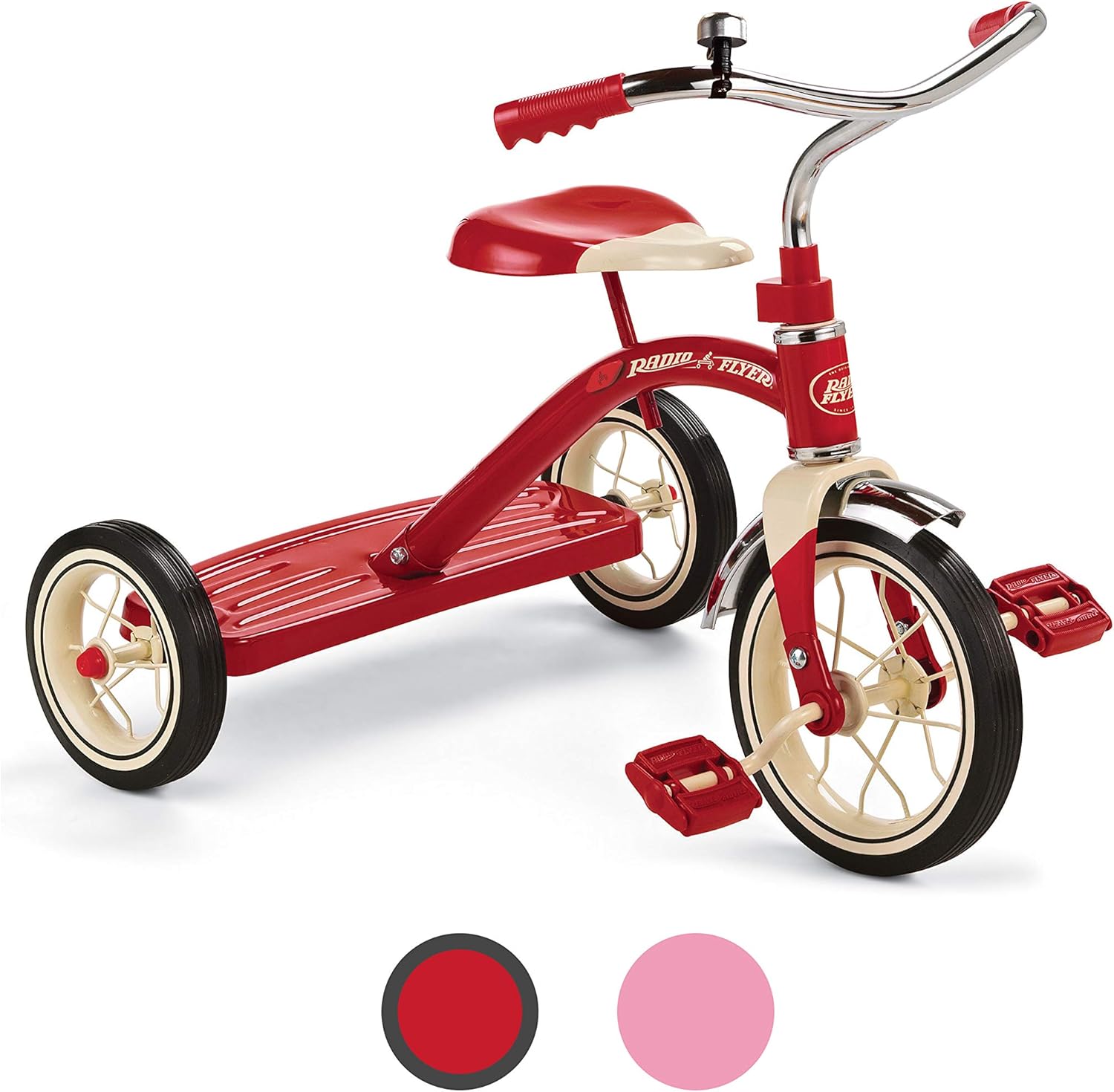
Radio Flyer
Radio Flyer Classic Red 10" Tricycle for Toddlers Ages 2-4, Toddler Bike
See current price


Radio Flyer
Radio Flyer 4-in-1 Stroll 'N Trike Pink, Radio Flyer Tricycle, Toddler Bike
See current price

Radio Flyer
Radio Flyer Big Pink Classic Tricycle, Toddler Trike, Tricycle for Toddlers Age 2-5, Toddler Bike
See current price


Radio Flyer
Radio Flyer 4-In-1 Stroll 'N Trike, Red Radio Flyer Tricycle, Toddler Bike
See current price


Radio Flyer
Radio Flyer Junior Flyer Trike, Outdoor Toy for Kids, Ages 2-5, Multi/None, ONE SIZE
See current price
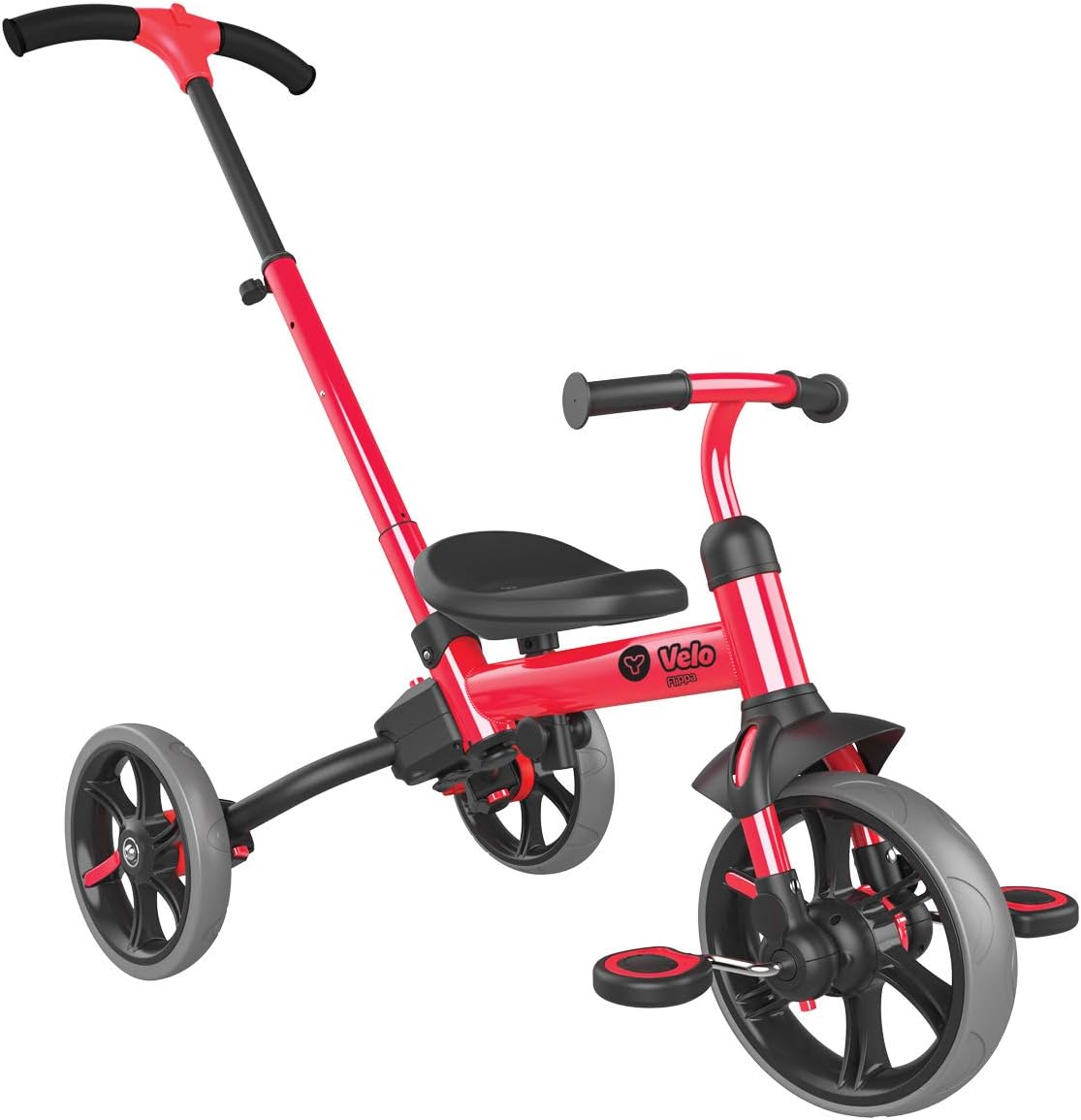

Smart Trike
smarTrike Zoom Toddler Tricycle Push Bike – Adjustable Trike for Baby, toddler, infant Ages 15 Months to 3 Years
See current price


Razor USA, LLC
Razor PowerRider 360 – Electric Tricycle, Up to 9 mph, Welded Steel Fork, 12V Powered Ride-On for Ages 8 and Up
See current price
Razor USA, LLC
Razor PowerRider 360 – Electric Tricycle, Up to 9 mph, Welded Steel Fork, 12V Powered Ride-On for Ages 8 and Up
See current price


Popular brands in Kids' Tricycles
Kids' tricycles can help children practice steering, pedaling, balance, and coordination while enjoying an independent ride. The right choice depends on how much control your child has, where the tricycle will be used, and which features make supervision and storage easier.
This K-Catalog selection includes tricycles from brands such as Radio Flyer, Glaf, High Bounce, Smart Trike, Fisher-Price, Costzon, INFANS, Razor USA, LLC, besrey, smarTrike, CYCMOTO, and XJD. Compare their listed specifications and features, then check Amazon for the current price and availability.
How to choose a kids' tricycle
Start with the child’s current riding ability rather than choosing by appearance alone. A beginner may benefit from a model with more adult control and stability, while a confident rider may prefer direct steering and pedaling with fewer assistive features.
Consider the riding environment as well. A tricycle used mainly on smooth sidewalks may have different priorities from one used around a yard or on varied outdoor surfaces. Storage space, transport, and the amount of supervision available can also influence the best fit.
Key questions to ask include:
- Does the child steer and pedal independently, or is adult guidance helpful?
- Is a parent push handle included, adjustable, removable, or fixed?
- Does the tricycle have a compact folding or storage design?
- Are the seat and handlebars sized for a comfortable riding position?
- Is the construction appropriate for the intended surface and routine?
Tricycle types and useful features
Traditional pedal tricycles are designed around independent riding. They generally suit children who can reach the pedals comfortably and manage steering on their own. Look for a stable frame, predictable handling, and controls that are easy to understand.
Parent-assisted tricycles add features such as a push handle, footrest, safety bar, or adjustable seat. These can make supervised outings more practical while allowing the child to become familiar with the tricycle. Check whether the adult handle controls direction or only helps move the tricycle forward.
Convertible designs can change as a child’s skills develop. Some allow parent-guided use first and independent pedaling later. When comparing these models, examine which components are removable, how adjustments work, and whether the tricycle remains balanced in each configuration.
For more options across this broader category, browse Tricycles, Scooters & Wagons. Families comparing different kinds of children’s ride-ons may also want to consider Balance Bikes, Push Ride-Ons, or Pull-Along Wagons.
Specifications and features to compare
Fit and adjustability: Check the listed seat height, seat adjustment range, handlebar position, and pedal placement. A good fit helps the child maintain control without stretching or crowding. Also review the manufacturer’s recommended child size or developmental stage when provided.
Steering and control: Compare the steering mechanism, turning response, and whether the parent handle can guide the front wheel. Some designs prioritize direct child control; others make adult assistance easier. Look for clearly described controls and a layout that matches the intended user.
Stability and wheels: Wheel width, wheel material, frame design, and overall stance can affect how the tricycle feels on the ground. Larger or broader wheels may be useful for certain outdoor surfaces, but the product specifications should be checked for the intended terrain.
Comfort and convenience: Features such as a padded seat, footrest, back support, canopy, storage basket, or cup holder may matter during longer outings. Decide which additions are genuinely useful for your routine, since extra components can also affect folding, carrying, and cleaning.
Construction and maintenance: Review the listed frame materials, assembly requirements, weight, and storage dimensions. Confirm whether replacement components or compatible add-ons are available before purchase. Ride-On Parts & Accessories may be useful when planning for maintenance or customization.
Brands represented in the catalog
The catalog includes products from Radio Flyer, Glaf, High Bounce, Smart Trike, Fisher-Price, Costzon, INFANS, Razor USA, LLC, besrey, smarTrike, CYCMOTO, and XJD. These brands may offer different approaches to parent assistance, convertibility, wheel design, storage, and styling. Compare each product’s specifications rather than relying on the brand name alone.
Safety and care tips
Before each ride, check that the seat, handlebars, pedals, wheels, and any parent-control components are secure. Follow the manufacturer’s instructions for assembly, weight limits, adjustment, and appropriate riding surfaces. A properly fitted helmet and close adult supervision are important, especially while a child is learning to steer and pedal.
Use the tricycle away from traffic, steep slopes, stairs, and other hazards. Keep moving parts clear of loose clothing and inspect the wheels and frame periodically. Wipe dirt and moisture from the tricycle as directed, and store it in a dry place when possible.
Frequently asked questions
What type of tricycle is best for a beginner?
A parent-assisted or convertible design may be a practical starting point when a child is still learning steering and pedaling. Compare the available guidance features, stability, and adjustability.
Is a parent push handle necessary?
Not always. It can be useful for supervised walks and for children who are not yet ready to pedal independently, but an experienced rider may prefer a simpler tricycle with direct control.
What should I check for proper fit?
Review the listed seat and handlebar adjustments, then confirm that the child can sit securely, reach the pedals, and steer without overextending. Follow the manufacturer’s sizing guidance.
Are convertible tricycles worth considering?
They can be useful when the child’s skills are developing because the setup may change over time. Compare how easily the configuration changes and whether each mode provides the desired control and stability.
What other ride-on categories should I compare?
Balance bikes, push ride-ons, pull-along wagons, and electric vehicles offer different riding experiences. Browse Electric Vehicles when comparing powered ride-on options, and focus on the supervision and operating requirements of each type.