

Coffee: Beans, Grounds, Pods & More
Compare coffee by roast, format, grind, origin, and brewing compatibility. Explore practical guidance for choosing beans, ground coffee, pods, instant options, and decaf.
3,783 products in catalog
3,783 results
Filters

Trilliant Food & Nutrition LLC
Victor Allen's Coffee Caramel Macchiato, Medium Roast, 80 Count, Single Serve Coffee Pods for Keurig K-Cup Brewers
See current price
Amazon.com Services, Inc.
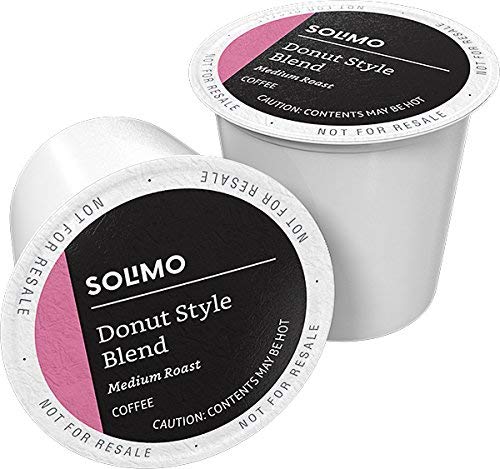
Amazon Brand - Solimo Medium Roast Coffee Pods, Donut Style, Compatible with Keurig 2.0 K-Cup Brewers, 100 Count
See current price


Keurig Green Mountain
Green Mountain Coffee Roasters Decaf Breakfast Blend , Single-Serve Keurig K-Cup Pods, Light Roast Coffee, 32 Count
See current price

Rogers Family Co
San Francisco Bay Compostable Coffee Pods - Fog Chaser (12 Ct) K Cup Compatible including Keurig 2.0, Medium Dark Roast
See current price

The J.M. Smucker Co.
Dunkin' Original Blend Medium Roast Coffee, 176 Keurig K-Cup Pods(44 count,pack of 4)
See current price

The J.M. Smucker Co.
Café Bustelo Espresso Style Dark Roast Coffee, 96 Keurig K-Cup Pods
See current price


Green Mountain Coffee Roasters
Green Mountain Coffee, Dark Magic (Extra Bold), 120-Count K-Cups for Keurig Brewers
See current price

Trilliant Food & Nutrition LLC
Victor Allen's Coffee Variety Pack, Light-Dark Roasts, 96 Count, Single Serve Coffee Pods for Keurig K-Cup Brewers
See current price


The J.M. Smucker Co.
Dunkin' 100% Colombian Medium Roast Ground Coffee, 27.5 Ounce Bag (Pack of 4)
See current price

Green Mountain Coffee Roasters
Green Mountain Coffee Roasters French Vanilla Keurig Single-Serve K-Cup pods, Light Roast Coffee, 12 Count
See current price
Starbucks - RTD Coffee
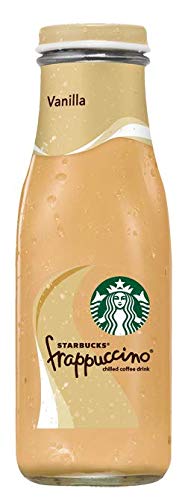
Starbucks Frappuccino, Vanilla, Glass Bottles, 9.5 Fl Oz (15 Count)
See current price

Two Rivers LLC
Two Rivers Coffee Bold Roast Coffee Pods for Single Serve Coffee Pod Brewers Including 2.0, Variety Sampler Pack, 100 Count
See current price

Grove Square
Grove Square Cappuccino Cups, French Vanilla, Single Serve Cup for Keurig K-Cup Brewers, 24 Count (Pack of 2)
See current price
Popular brands in Coffee
Coffee comes in many formats, roast levels, and flavor profiles, so the right choice depends on more than the package style. Start by matching the coffee to your brewer, then consider how strong, bright, smooth, or full-bodied you want each cup to taste.
This catalog includes options from brands such as Starbucks, The J.M. Smucker Co., Lavazza, Nespresso, Nescafé, Keurig, Folgers, Tassimo, and Peet's Coffee. Compare product specifications and features to narrow the selection without relying on brand name alone.
How to choose coffee
The most useful starting points are brewing method, format, roast, and caffeine preference.
- Match your brewer: Drip machines generally use ground coffee, while capsule and pod machines require a compatible system. Espresso equipment may need finely ground coffee or the correct capsule format.
- Choose the format: Whole bean coffee allows grinding immediately before brewing. Ground coffee is ready to use, while pods and capsules prioritize convenience and consistent portions. Instant coffee is designed for quick preparation with hot water.
- Consider the roast: Light roasts often emphasize brighter, more distinct flavors. Medium roasts offer a balanced profile, while dark roasts tend to taste deeper and more pronounced. Roast labels are useful comparisons, but they do not describe every flavor detail.
- Decide on caffeine: Regular and decaffeinated options suit different routines. Check the package description and preparation guidance if caffeine content is an important consideration.
Coffee types and formats
Whole bean coffee suits shoppers who own a grinder and want to select the grind size for their brewing method. It also makes it easier to adjust preparation as preferences change.
Ground coffee is convenient for drip brewers, pour-over equipment, French presses, and other methods when the grind is appropriate. Compare the stated grind with the needs of your brewer; a mismatch can affect extraction and the finished cup.
Pods and capsules are designed around specific brewing systems. Check whether the product is compatible with your machine before choosing a package. This category includes systems associated with brands such as Keurig, Nespresso, and Tassimo.
Instant coffee is useful when speed, portability, or minimal equipment matters. Compare preparation instructions, serving format, and whether the product is regular or decaffeinated.
For alternatives outside traditional coffee, browse Coffee Substitutes. Shoppers comparing other warm beverages can also explore Tea or Hot Chocolate & Malted Drinks.
Features and specifications to compare
Before selecting a product, review the details that affect both preparation and storage:
- Bean or blend information: Single-origin and blended coffees can offer different flavor expectations. Look for any origin, blend, or tasting notes provided in the listing.
- Grind size: Choose a grind suited to the brewer, such as coarse for some immersion methods or finer for espresso-style preparation.
- Package format: Compare whole bean, ground, pod, capsule, instant, or concentrate formats based on how you prepare coffee.
- Serving guidance: Follow the recommended coffee-to-water ratio and brewing instructions, then adjust gradually for strength.
- Freshness and storage: Check available date information and keep opened coffee sealed in a cool, dry place. Avoid moisture, heat, and strong nearby odors.
- Dietary preferences: Verify whether the coffee is flavored, sweetened, or combined with other ingredients when that matters to your routine.
Brands represented in the catalog
The catalog includes coffee from Starbucks, Starbucks Coffee, The J.M. Smucker Co., Lavazza, Sun Maid, Nespresso, Kraft-Heinz, Nescafé, Keurig, Folgers, Tassimo, and Peet's Coffee. Brand availability can vary by format, roast, brewing system, and product type, so compare the individual specifications of each listing rather than assuming all products from one brand are alike.
If you are looking for additions to coffee drinks, Beverage Syrups & Concentrates may be relevant. For ready-to-drink alternatives, see Bottled Beverages, Water & Drink Mixes.
Brewing and storage tips
Use clean equipment and fresh water, since residue or strong odors can influence the finished drink. Measure coffee consistently when comparing different products. If a cup tastes weak, adjusting the amount, grind, or brew time may help; if it tastes overly bitter, a different grind or shorter extraction may be worth trying.
Store coffee in a tightly closed container away from heat, light, and humidity. For pods and capsules, confirm that they are intended for the specific brewer. Always follow the product’s preparation and handling instructions.
Frequently asked questions
Is whole bean coffee better than ground coffee?
Neither is universally better. Whole bean coffee offers more control over grinding, while ground coffee is faster and more convenient. The better choice depends on your equipment and routine.
How do I choose a coffee roast?
Choose light roast for a brighter profile, medium roast for balance, or dark roast for a deeper, more pronounced taste. Personal preference and brewing method also matter.
Are all coffee pods and capsules interchangeable?
No. Compatibility depends on the brewing system and the product design. Check the listing and your machine’s requirements before selecting pods or capsules.
What grind should I use?
Use the grind recommended for your brewing method. Coarser grinds are commonly associated with immersion brewing, while finer grinds are used for some espresso-style preparation.
How should opened coffee be stored?
Keep it sealed in a cool, dry place away from heat, moisture, light, and strong odors. Follow any storage directions provided on the package.