
Goosefoot Acres
454 Cup Bag of Original Dandy Blend Instant Herbal Beverage with Dandelion, 32 oz. (2 pounds 908g) Bag
See current price

Compare coffee substitutes by ingredients, caffeine content, preparation method, and flavor to find a coffee alternative that fits your daily routine.
149 products in catalog
149 results
Goosefoot Acres
See current price

Tassimo
See current price


![[Amazon.co.jp limited] of coffee drip deep richness of UCC craftsman special blend 120P](https://m.media-amazon.com/images/I/71VUT2fWnnL._SL1500_.jpg)
Craftsman of coffee
See current price


Anthony's
See current price

Dandy Blend
See current price

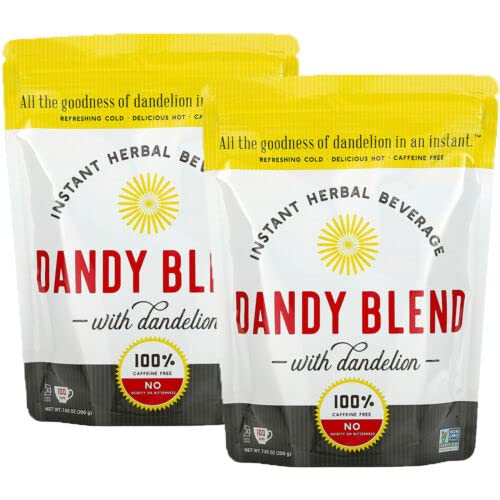
Dandy Blend
See current price


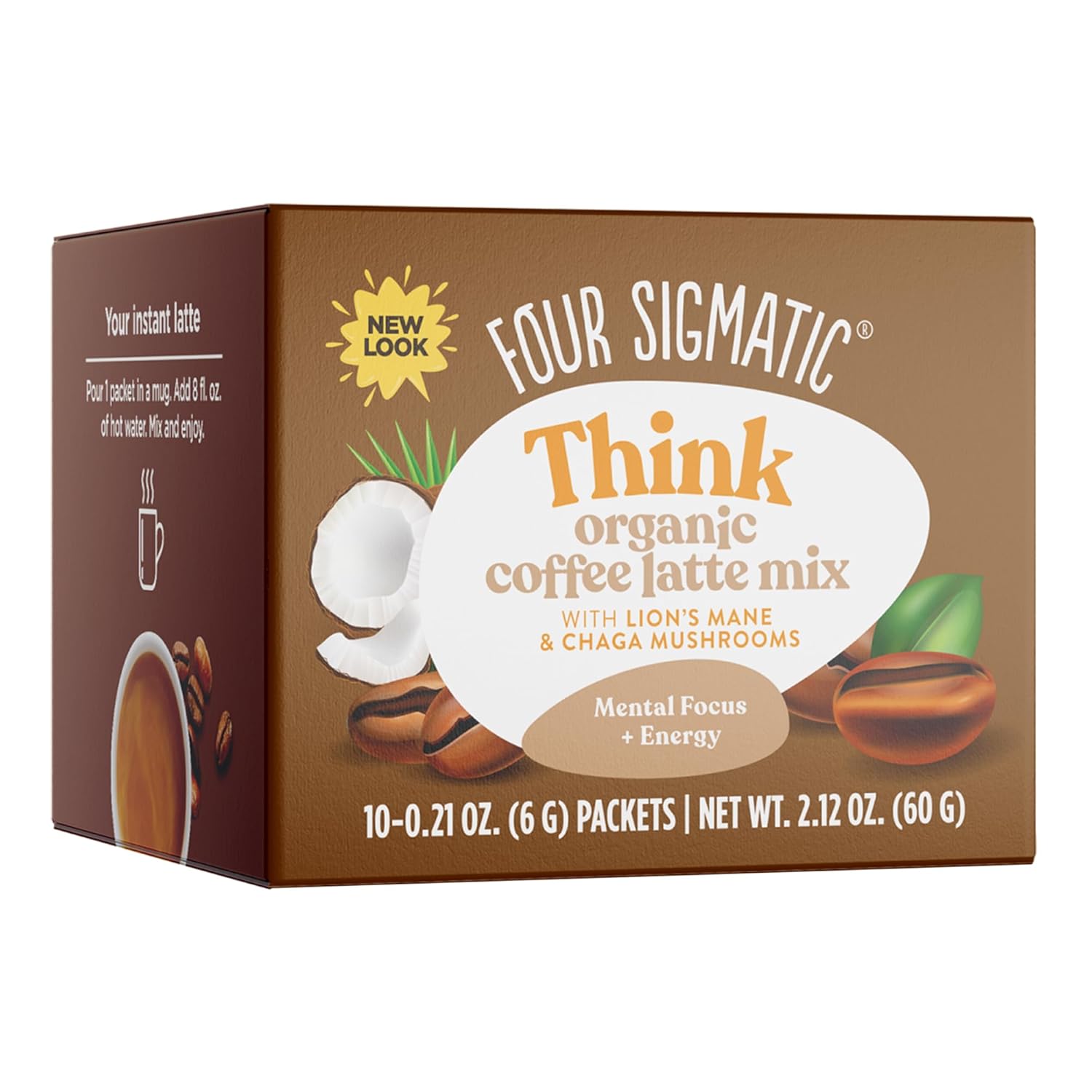

Coffee substitutes can provide a warm, roasted, or naturally rich drink without relying on standard coffee beans. Options vary widely, from chicory- and grain-based beverages to cacao drinks, instant blends, and products formulated for particular dietary preferences.
K-Catalog helps you compare the specifications and features of coffee alternatives listed on Amazon.com. Use the product details to narrow your choices by ingredients, serving format, preparation needs, and caffeine content.
Start with the experience you want from the drink. Some alternatives are designed to resemble coffee’s roasted, bitter profile, while others are smoother, sweeter, or more cocoa-forward. Ingredient lists are the best way to understand what each product is made from and whether it suits your preferences.
Consider these factors:
Coffee substitutes are not a single formula. Understanding the main styles can make product pages easier to compare.
Chicory, barley, rye, and similar roasted ingredients can create a dark, toasted beverage with a coffee-like character. These products may appeal to shoppers who want a traditional hot drink without choosing conventional coffee. Check the ingredient list carefully if gluten or specific grains are a concern.
Herbal blends may combine roots, herbs, spices, or other plant ingredients. They can offer a distinctive flavor rather than trying to duplicate coffee exactly. Compare the complete ingredient list and preparation instructions, especially when selecting a blend for regular use.
Cacao and cocoa-based alternatives tend to have a naturally chocolate-like flavor. They may be a good fit for shoppers who prefer a smoother, richer drink, although sweetness and added ingredients vary by product. Review the nutrition and ingredient information to distinguish unsweetened products from prepared drink mixes.
Instant powders and concentrates are convenient when quick preparation matters. They can be useful for work, travel, or kitchens without brewing equipment. Compare how the product is measured, whether it dissolves in hot or cold liquid, and whether the package provides preparation guidance.
The product title and images can help identify a format, but the detailed listing is more useful for making a careful comparison. Look for the following information:
The Coffee Substitutes catalog includes products from Teeccino, Teeccino Caffé, Inc., Crio Brü, Pero, Tassimo, Nescafé, COFFIG, Kaffree Roma, Cafe Bustelo, Dandy Blend, Mud Wtr, Inc., and Senseo. These brands cover different approaches to coffee-style drinks and alternative beverage formats. Compare each individual product’s ingredients, preparation method, and stated features rather than choosing by brand name alone.
For adjacent beverage categories, browse Tea, Coffee, or Hot Chocolate & Malted Drinks. Beverage Syrups & Concentrates may also be useful if you want to customize the flavor or sweetness of a prepared drink.
If you are replacing coffee because of caffeine, verify the label of every product and serving size. Ingredients such as cacao or added tea components may affect caffeine content. If you have food allergies or follow a restricted diet, check both the ingredient list and manufacturer-provided allergen information.
For a first purchase, choose a format that matches your usual routine. Instant products suit quick preparation, while brewable blends may offer more control over strength. Start with the package directions, then adjust only if the product explicitly allows flexibility. Store the product as directed and use clean, dry utensils for powders or granules.
No. Some are caffeine-free, while others may contain caffeine from ingredients such as cacao, tea, or coffee-derived components. Check the product label for a clear statement.
Some are designed to offer roasted, bitter, or full-bodied flavors similar to coffee. Others have herbal, grain, spice, or chocolate notes, so flavor descriptions and ingredients are important to compare.
Some products can be mixed with milk or a plant-based alternative, but preparation varies. Follow the package instructions and check whether the product is intended to dissolve, steep, or brew.
Instant powders and single-serving formats generally require less equipment. Brewable blends may suit shoppers who prefer a more traditional preparation process.
Review the full ingredient list, allergen information, sweeteners, grain ingredients, and caffeine statement. When information is unclear, consult the manufacturer’s label details before purchasing.
For other drink styles, explore Bottled Beverages, Water & Drink Mixes or Bubble Tea.