

Blue Light Blocking Glasses
Compare blue light blocking glasses by lens design, frame fit, comfort, and everyday features. Browse specifications to narrow options for screens, reading, gaming, and general wear.
1,456 products in catalog
1,456 results
Filters


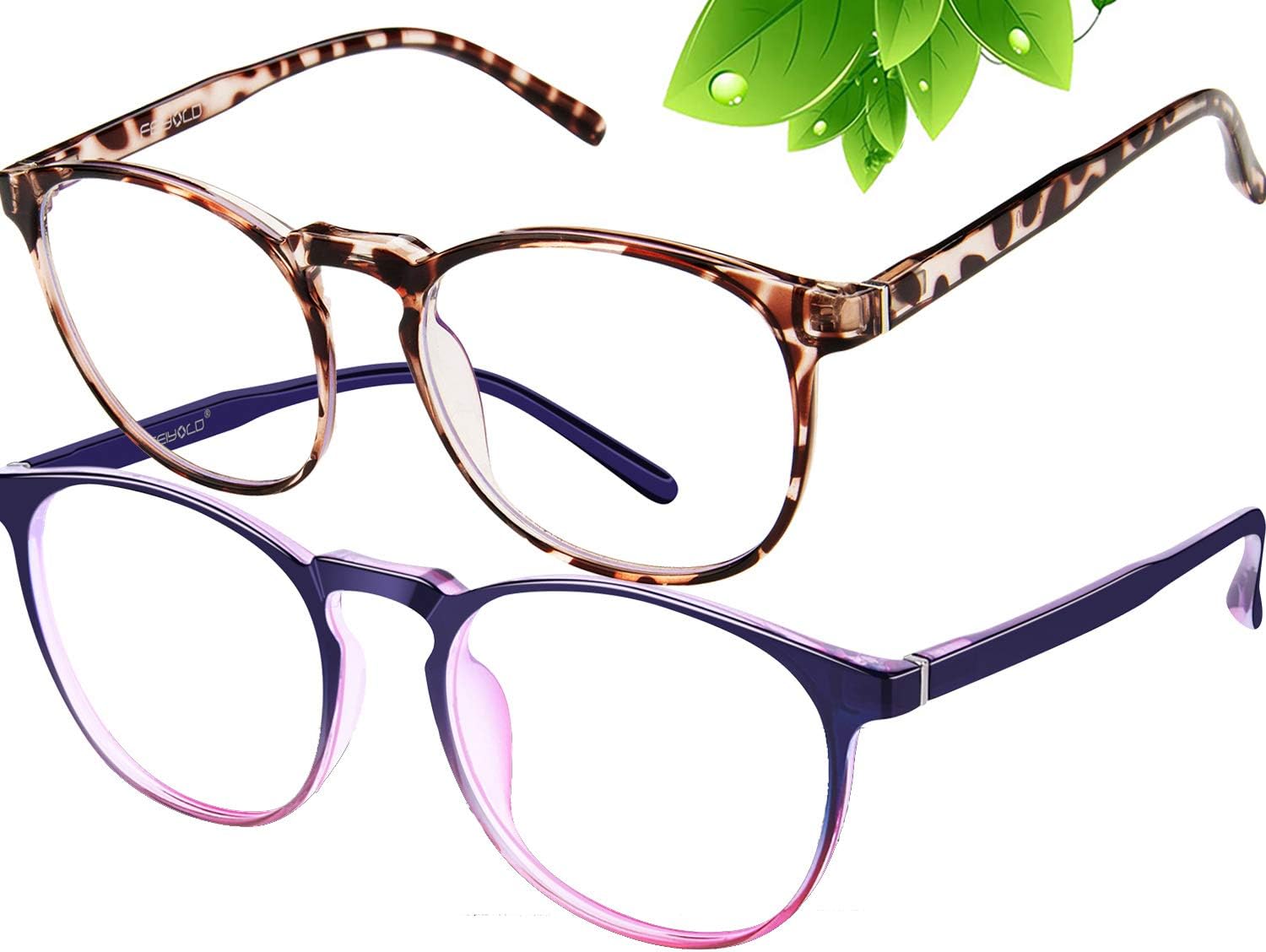


K KENZHOU
K KENZHOU Blue Light Blocking Computer Glasses Anti Eyestrain Unisex for Women/Men(C2,C5a)
See current price

Gamma Ray Optics
Gamma Ray Computer Blue Light Blocking Gaming Reading Glasses w/Amber Tint and Anti Glare UV Digital Eyestrain
See current price


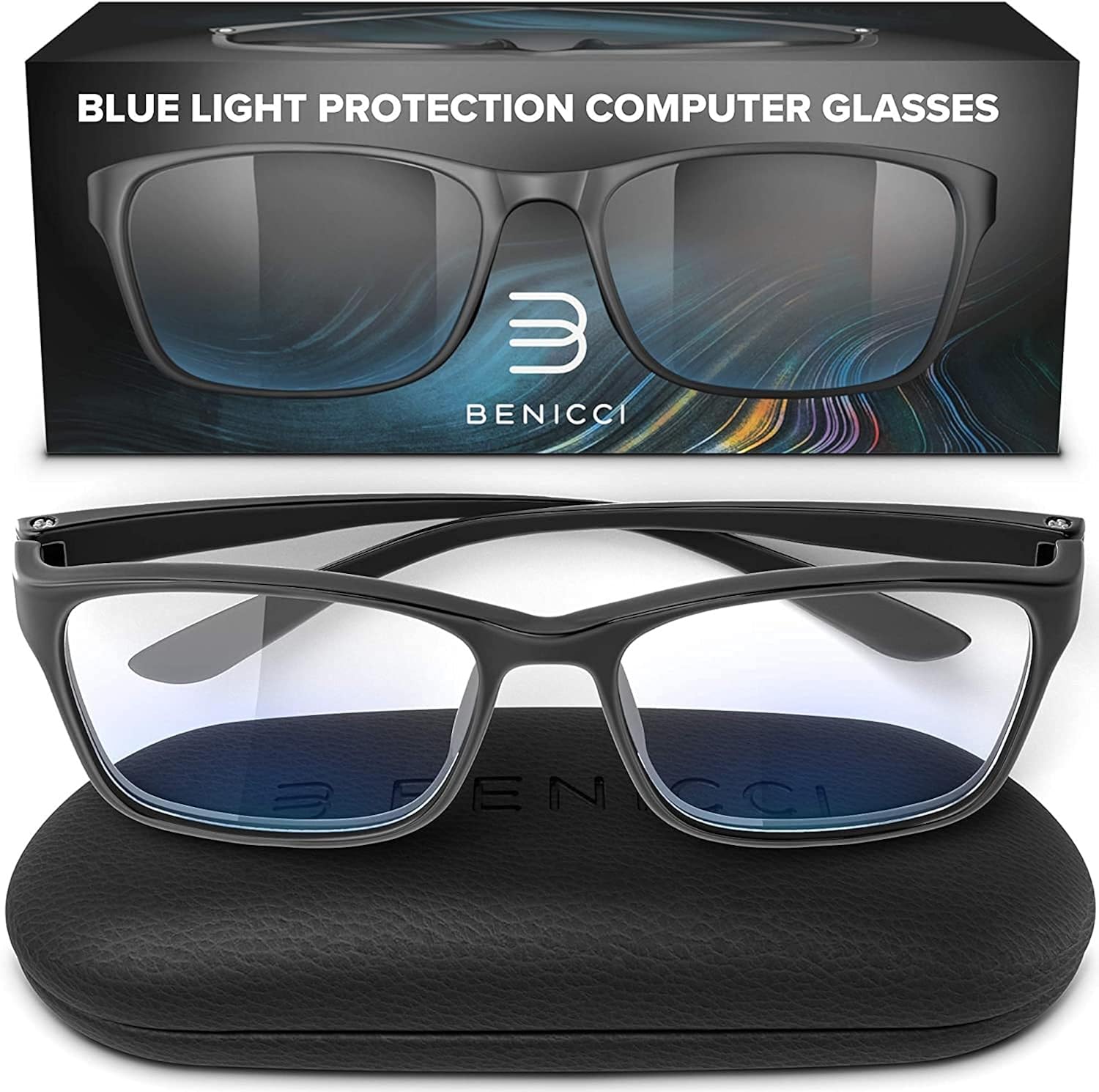


Popular brands in Blue Light Blocking Glasses
Blue light blocking glasses are designed for people who spend time looking at phones, tablets, computers, or other digital displays. Options vary considerably in lens tint, frame shape, fit, and intended use, so comparing specifications can help you choose a pair that feels comfortable throughout the day.
This category includes a broad selection from brands such as SeeBand, SOJOS, TruVision Readers, Alsenor, Konikit, livho, MEETSUN, Gaoye, Gamma Ray Optics, ELEBOOT, COASION, and Eyelooker. Brand availability and product specifications can change, so check each listing carefully before making a choice.
How to choose blue light blocking glasses
Start with how and when you expect to wear the glasses. A lightweight pair may suit long computer sessions, while a more fashion-focused frame may be preferable for occasional use outside the workplace. If you already wear prescription lenses, check whether the product is intended for non-prescription use or can be made with a prescription through an appropriate optical provider.
Consider these points before comparing individual products:
- Primary use: Look for features suited to office work, reading, gaming, evening screen use, or general daily wear.
- Lens appearance: Clear lenses usually have a more neutral appearance, while yellow, amber, or other tinted lenses may create a more noticeable color shift.
- Fit: Frame width, lens height, bridge design, and temple length all affect how the glasses sit on the face.
- Comfort: Lightweight construction, smooth nose pads, and flexible temples may matter during extended wear.
- Personal vision needs: Blue light glasses are not a substitute for an eye examination or prescribed vision correction.
Lens types and everyday use
Clear or lightly tinted lenses may appeal to shoppers who want a subtle look while working at a monitor or moving between indoor settings. More visibly tinted lenses can change how colors appear, which may be important for photo editing, design work, gaming, or any task that depends on accurate color perception.
Some products may include an anti-reflective coating or other lens treatment. These features should be checked in the individual specifications rather than assumed from the category name. Also look for information about whether the lenses are designed to reduce glare, filter selected wavelengths, or simply provide a colored tint. These descriptions are not interchangeable.
For readers who need magnification, compare blue light glasses with the available Reading Glasses category. Magnification strength, if included, should match the user’s needs; glasses intended for screen comfort do not automatically provide reading correction.
Frame fit and construction
A good fit can make glasses easier to wear for longer periods. Compare the listed frame measurements with a pair that already fits well, paying attention to overall width, lens width, bridge width, and temple length when those details are provided.
Frame shape is another practical consideration. Rectangular and square frames may offer a different visual profile from round, oval, or cat-eye designs. Nose pads can help with positioning, while a full-rim frame may provide a different balance of coverage and style than a rimless or semi-rimless design.
Check the product description for frame material, hinge construction, included accessories, and whether the glasses fold for storage. These details can be useful if the glasses will be carried between home, work, school, or travel.
Features and specifications to compare
Product listings may describe blue light filtering in different ways. Compare the wording carefully instead of relying only on the product title. Useful specifications to review include:
- Lens tint and color appearance
- Lens material and coating details
- Frame material and flexibility
- Stated dimensions and fit information
- Nose pad and hinge design
- Included case, pouch, or cleaning cloth
- Intended use, such as computer work or general wear
- Whether the lenses are non-prescription, magnified, or prescription-compatible
No pair is ideal for every task. For example, a stronger tint may be less suitable for color-sensitive work, while a very minimal frame may not provide the style or coverage a shopper prefers.
Care and related eye-care products
Store glasses in a case when they are not being worn, and clean the lenses with materials intended for eyewear. Avoid placing the lenses face-down on hard surfaces, since this can lead to scratches. If the frame becomes loose, use an optical repair service rather than forcing the hinges or nose pads.
For cleaning supplies and storage accessories, browse Eyeglasses Care. Shoppers who use contact lenses may also want to compare Contact Lens Care products. Other vision-related categories can be found in Vision, while Eye Patches cover a different type of eye-care accessory.
Frequently asked questions
Do blue light blocking glasses replace prescription glasses?
Usually, no. Many pairs are non-prescription and are intended for screen use or general wear. If vision correction is needed, check the listing and consult an eye-care professional about suitable prescription options.
Should I choose clear or tinted lenses?
Choose based on your surroundings and preferences. Clear or lightly tinted lenses may preserve a more neutral appearance, while darker yellow or amber tints can create a more noticeable change in color perception.
How can I find the right frame size?
Compare the listed frame measurements with glasses that already fit comfortably. Pay attention to frame width, bridge width, lens dimensions, and temple length when available.
Are these glasses suitable for reading?
Some may be designed for general screen use, while others may include magnification. Confirm the lens details before choosing a pair for reading, and compare with dedicated reading glasses if magnification is your main need.
How should blue light glasses be cleaned?
Use a clean microfiber cloth and eyewear-safe cleaning method. Keep the glasses in a protective case and avoid abrasive tissues or household cleaners unless the manufacturer specifically permits them.