
Ortopad
Ortopad® Bamboo Girls Eye Patches, 50/Box (Regular Size, 4+ yrs) Ice Cream Pack
See current price

Compare eye patches by fit, coverage, adhesive style, materials, and comfort features. Review product specifications to find an option suited to personal or clinician-guided use.
104 products in catalog
104 results
Ortopad
See current price


Astropic
See current price

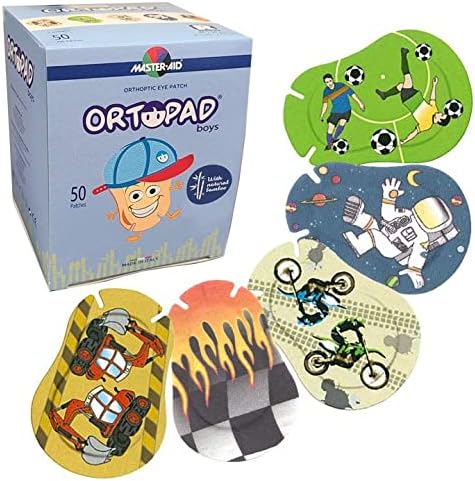
Ortopad
See current price

Astropic
See current price


Ortopad
See current price

Astropic
See current price


Misssix
See current price
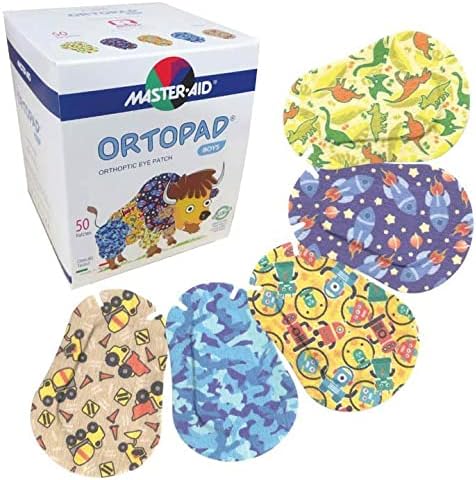
Master-Aid
See current price


See Worthy Eye Patches
See current price

![Opthopatch Kids Eye Patches - Fun Girls Design [Series II] - 30 + 10 Bonus Latex Free Hypoallergenic Cotton Adhesive Bandages for Amblyopia and Cross Eye - 3 Reward Chart Posters by Defined Vision](https://m.media-amazon.com/images/I/71nKqicfVfS._AC_SL1500_.jpg)


![OPTHOPATCH Kids Eye Patches - Fun Boys Design [Series I] - 90 + 10 Bonus Latex Free Hypoallergenic Cotton Adhesive Bandages for Amblyopia and Cross Eye - 3 Reward Chart Posters by Defined Vision](https://m.media-amazon.com/images/I/71E5n-9h4WL._AC_SL1500_.jpg)


AHIER
See current price
Eye patches are designed to cover one eye while helping limit visual input from that side. They may be used as part of a clinician-guided vision plan, for temporary coverage, or when a comfortable barrier is needed around the eye area. The right choice depends on the intended use, the wearer’s age and skin sensitivity, and how securely the patch stays in place.
K-Catalog brings together eye patches from brands including Ortopad, OPTHOPATCH, pujie, FCAROLYN, Vandorla, THSIREE, Astropic, RIKEYO, Geyoga, Defined Vision, ewinever, and Nexcare. Compare the listed specifications and features, then check the current product details on Amazon before choosing.
Start with the reason the patch is needed. If it is part of treatment for a vision condition, follow the schedule and product guidance provided by an eye-care professional. For general temporary coverage, prioritize a secure fit, comfortable materials, and easy removal.
Important questions include:
Eye patches vary in their construction and intended application. Adhesive patches attach to the skin around the eye and can provide consistent coverage without requiring a strap. Non-adhesive styles may use a band, wrap, or another fastening method and can be preferable for people who dislike adhesive on the skin.
Coverage also differs. A patch may be shaped to block the eye fully or designed with a contoured profile to follow the brow, cheek, and nose area. Some products are made for repeated use, while others are intended to be discarded after use. Read the care and reuse instructions before selecting one.
For other vision-related needs, browse Reading Glasses, Blue Light Blocking Glasses, or the broader Vision category.
Product listings can differ considerably, so compare the details that affect fit and daily use:
Do not select a patch based on appearance alone. A product that looks suitable may still be the wrong size, fastening style, or material for the wearer.
Apply an adhesive patch to clean, dry skin without creams or oils underneath, unless the product instructions say otherwise. Position it so it covers the intended eye without pressing directly against the eyelid or irritating the lashes. A patch should stay in place during normal movement but should not cause painful pulling when removed.
Stop using a product if it causes significant redness, swelling, itching, pain, or worsening discomfort. Never use a patch to delay evaluation of sudden vision changes, eye injury, severe pain, or other urgent symptoms. For children or for therapeutic occlusion, confirm the correct product and wearing schedule with an eye-care professional.
Keep reusable patches clean according to the manufacturer’s instructions, and do not share items that contact the face. For related maintenance needs, see Eyeglasses Care and Contact Lens Care.
The Eye Patches catalog includes options from Ortopad, OPTHOPATCH, pujie, FCAROLYN, Vandorla, THSIREE, Astropic, RIKEYO, Geyoga, Defined Vision, ewinever, and Nexcare. Brand availability can vary by product, so compare each listing’s materials, dimensions, application method, and care instructions rather than relying on the brand name alone.
Eye patches can cover one eye for clinician-guided vision care, temporary coverage, or other specific needs. The appropriate use depends on the wearer and the advice provided by a qualified professional.
Adhesive patches offer direct, consistent coverage, while non-adhesive designs may be easier for people who prefer not to place adhesive on the skin. Compare fit, comfort, and the product’s intended use.
Use the dimensions and wearer guidance in the listing. The patch should cover the intended eye securely without placing uncomfortable pressure on the eyelid, lashes, nose, or surrounding skin.
Some products are designed with children in mind, but suitability depends on size, materials, and the reason for use. Follow an eye-care professional’s instructions when a patch is part of treatment.
Follow the manufacturer’s directions and remove adhesive styles slowly from the skin. If removal causes notable pain or irritation, discontinue use and seek appropriate guidance.
Only reuse a patch when the listing specifically identifies it as reusable and provides cleaning instructions. Disposable products should not be reused.