
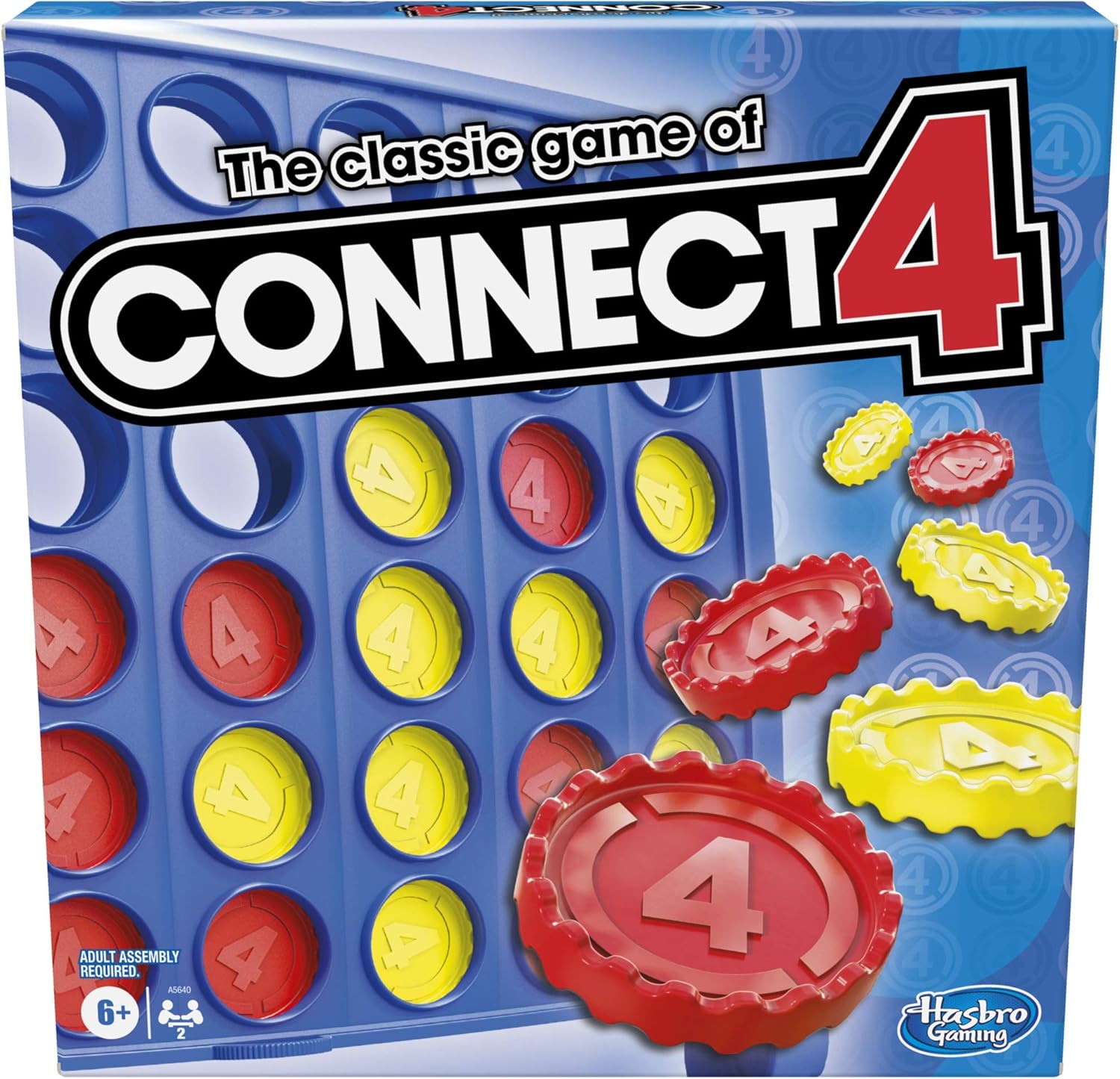
Board Games for Every Kind of Game Night
Compare board games by player count, age guidance, play time, theme, and gameplay style. K-Catalog helps you review specifications and features before visiting Amazon for current details.
4,140 products in catalog
4,140 results
Filters




Hasbro Gaming
Hasbro Gaming Trouble Board Game for Kids Ages 5 and Up 2-4 Players (Packaging may vary)
See current price

Hasbro Gaming
Hasbro Gaming Trouble Board Game for Kids Ages 5 and Up 2-4 Players (Packaging may vary)
See current price




Popular brands in Board Games
Board games make it easy to bring people together for strategy, competition, storytelling, or relaxed family play. The right choice depends on who will play, how much time you have, and whether the group prefers simple turns or more involved decisions.
K-Catalog organizes board game listings so shoppers can compare available specifications and features in one place. Use the details on each listing to narrow the selection by audience, theme, format, and gameplay experience.
How to choose a board game
Start with the group that will play most often. A family game may need clear rules and age-appropriate components, while an enthusiast game can suit players who enjoy longer sessions, detailed strategy, or more complex interactions.
Consider these questions before choosing:
- Who will play? Check the recommended age guidance and intended audience.
- How many players are expected? Confirm the listed player range, especially if the game should work for both small and larger groups.
- How long should a session last? Compare the stated play time with the time usually available for game night.
- What kind of experience fits? Choose between competitive, cooperative, party-focused, educational, strategic, or story-driven formats.
- Where will it be played? Review the box and component details if table space or storage is limited.
Popular board game styles
Board games cover several distinct formats, and the product title alone may not explain how a game feels to play. Look for descriptions of the objective, turn structure, and interaction between players.
- Family and classic games: Familiar rules, accessible goals, and formats suitable for mixed-age groups.
- Strategy games: Emphasize planning, resource management, positioning, or tactical choices.
- Party games: Designed for social groups, quick explanations, conversation, guessing, or creative responses.
- Themed and licensed games: Use recognizable settings, characters, or properties to shape the board, cards, and objectives.
- Cooperative games: Ask players to work toward a shared objective rather than compete directly.
- Educational games: Combine play with practice in areas such as vocabulary, logic, math, or general knowledge.
If you are comparing nearby formats, browse Card Games for primarily card-based play or Tile Games for games built around tile placement and matching. Game Accessories can also be useful when you need storage, replacement items, or other supporting equipment.
Key specifications and features to compare
The most useful specifications depend on the type of game, but several details apply across the category. Check whether the listing identifies the game’s language, recommended age, player range, and estimated play duration.
Pay attention to the included contents as well. A listing may describe a board, cards, tokens, dice, miniatures, score markers, or other components. These details help clarify what is included and whether the game requires anything extra to play.
Also compare:
- Setup and cleanup: Games with many components may require more preparation and organization.
- Rule complexity: Look for an indication of whether rules are beginner-friendly or intended for experienced players.
- Replay value: Variable setups, multiple scenarios, changing objectives, or player-driven decisions can affect how often a game feels fresh.
- Theme and presentation: Artwork, component style, and subject matter may be important for children, collectors, or themed game nights.
- Compatibility: For expansions or editions, verify that the product is intended to work with the base game you own.
Brands represented in the catalog
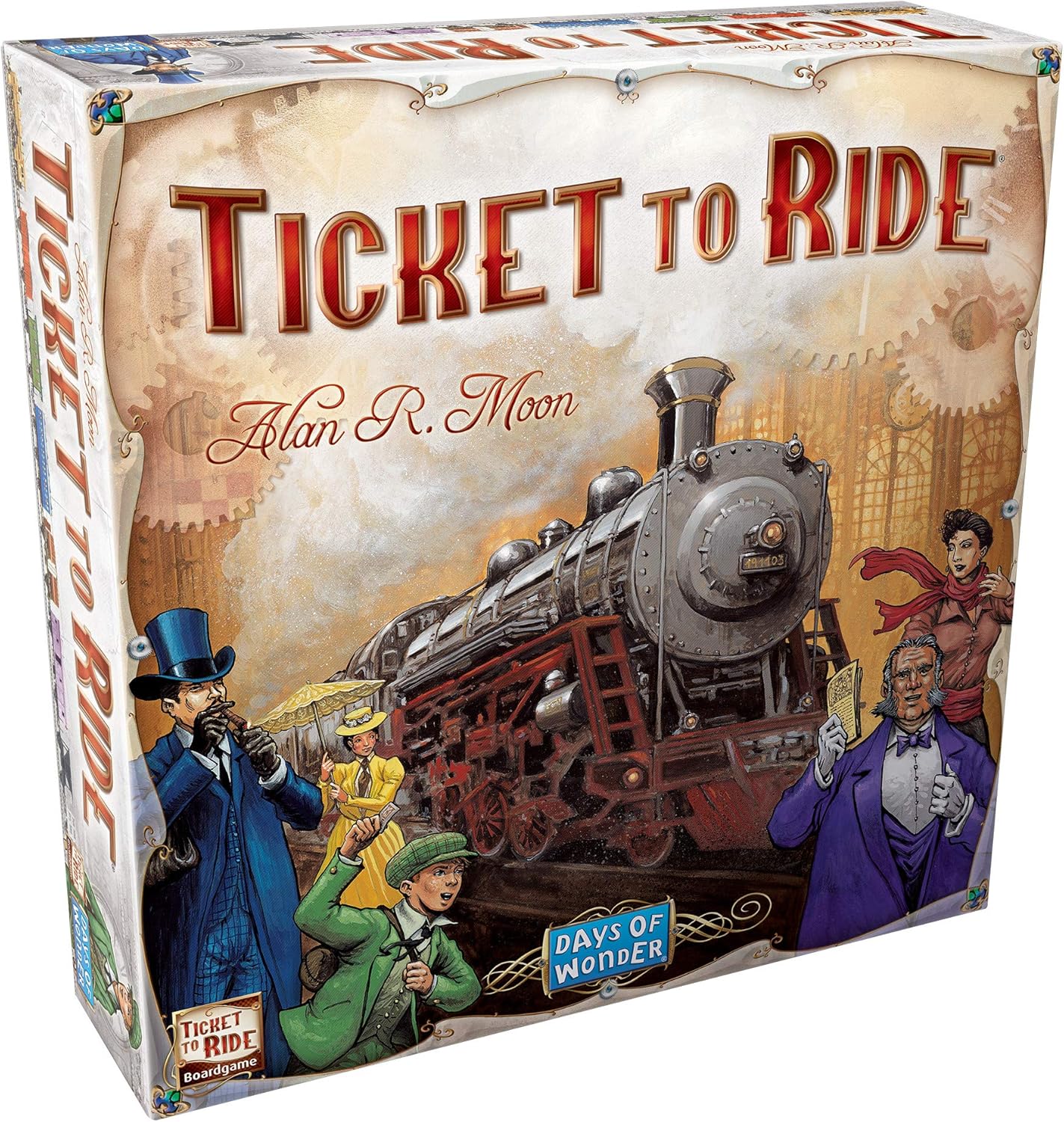
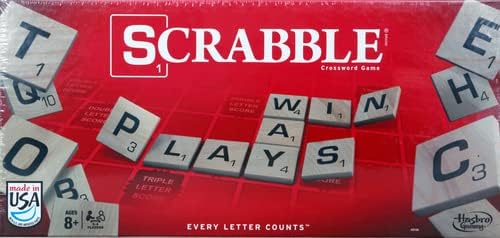
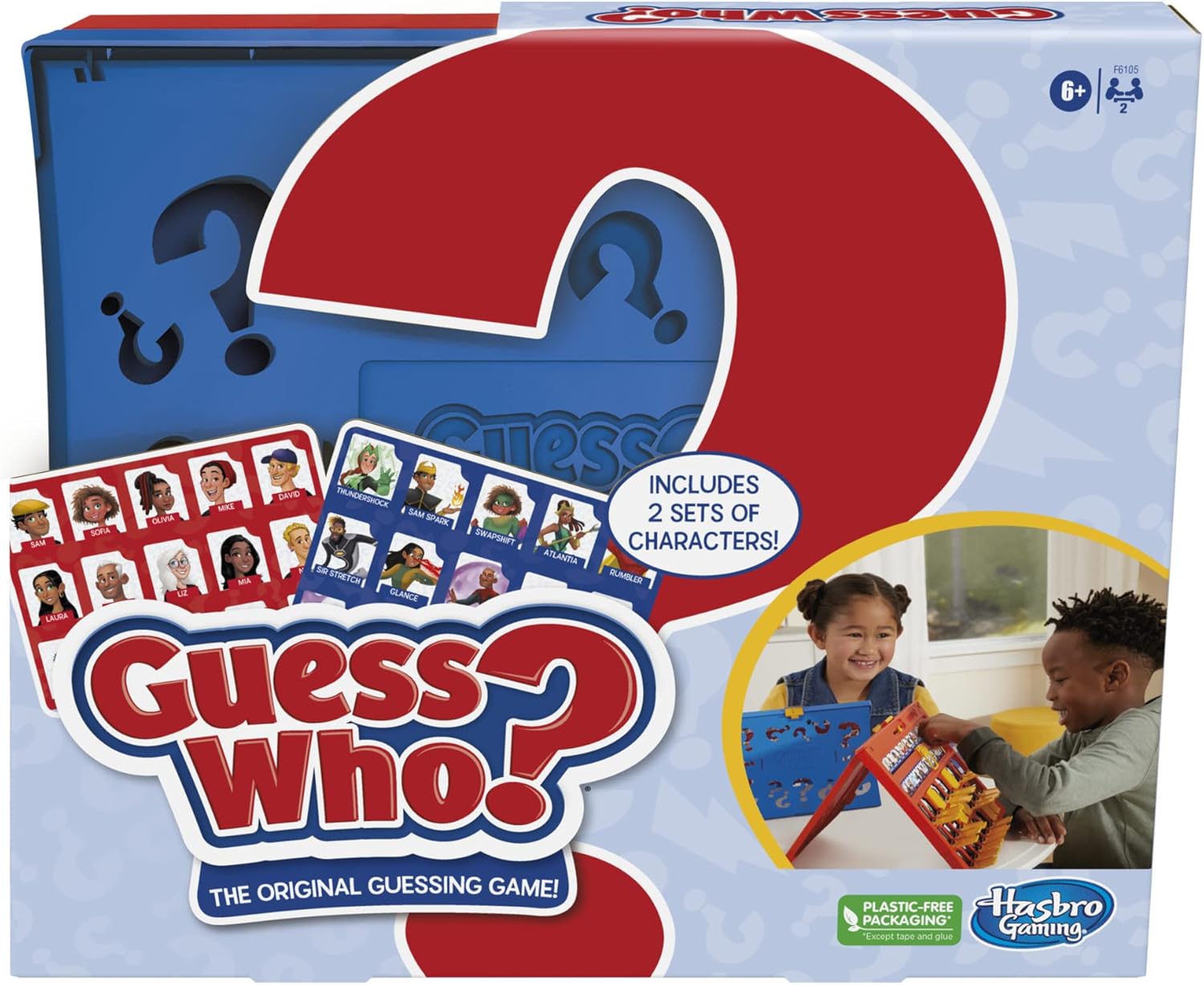
The Board Games catalog includes listings associated with Hasbro Gaming, Hasbro, Fantasy Flight Games, Games Workshop, Monopoly, USAOPOLY, Late for the Sky, Spin Master, Ravensburger, Mattel, Pressman, and Winning Moves Games. Brand can help narrow a search when you already know the type of presentation or franchise you prefer, but the individual specifications should guide the final comparison.
Practical tips for choosing and storing games
Before selecting a game for children, confirm the age guidance and consider whether small pieces, reading requirements, or lengthy rules are suitable for the intended players. For group events, make sure the player range matches the expected audience and that the session length fits the occasion.
Storage matters for games with many loose components. A box insert, labeled bags, or a dedicated shelf can make setup easier and help keep pieces together. Keep boards, cards, and paper components dry, and check the product details for any edition-specific compatibility information when adding expansions.
For more specialized tabletop formats, you can also explore Casino Equipment or Gaming Tops. These categories may suit shoppers looking beyond conventional board game formats.
Frequently asked questions
What should I compare first when choosing a board game?
Start with the player range, age guidance, estimated play time, and game style. These specifications quickly show whether a listing fits your group and schedule.
Are board games suitable for family game nights?
Many are designed for family play, but suitability depends on the recommended age, reading level, rule complexity, and component type. Review the listing details before choosing.
How can I choose a game for a large group?
Check the maximum listed player count and look for party or social formats. A game with simple rules and short turns may be easier to manage with a larger group.
What does a cooperative board game mean?
A cooperative game has players work toward a shared objective, often making decisions together instead of competing directly against one another.
Do board games require extra accessories?
Some are ready to play with the included components, while others may benefit from organizers, storage solutions, or compatible expansions. Review the contents and compatibility details for each listing.
Where can I compare current product details?
Use K-Catalog to compare listed specifications and features, then visit Amazon to check the current product information before buying.