
Tile Games for Family, Strategy, and Classic Play
Compare tile games by play style, tile design, age suitability, and included components. K-Catalog helps shoppers review specifications and features before choosing an option to explore on Amazon.
369 products in catalog
369 results
Filters


Hasbro Gaming
Hasbro Gaming Jenga Wooden Blocks Stacking Tumbling Tower Kids Game Ages 6 and Up (Amazon Exclusive)
See current price

Pressman
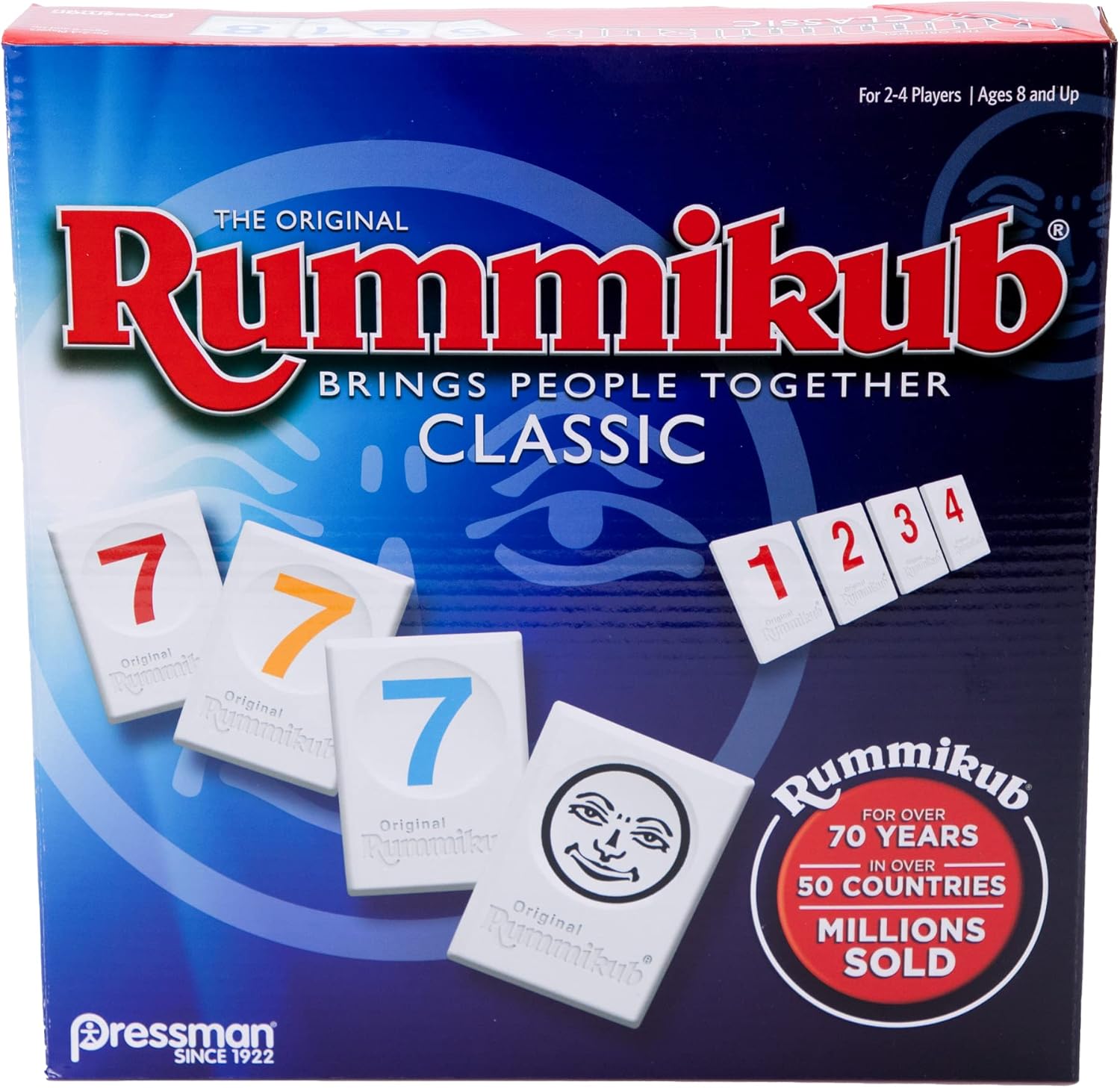
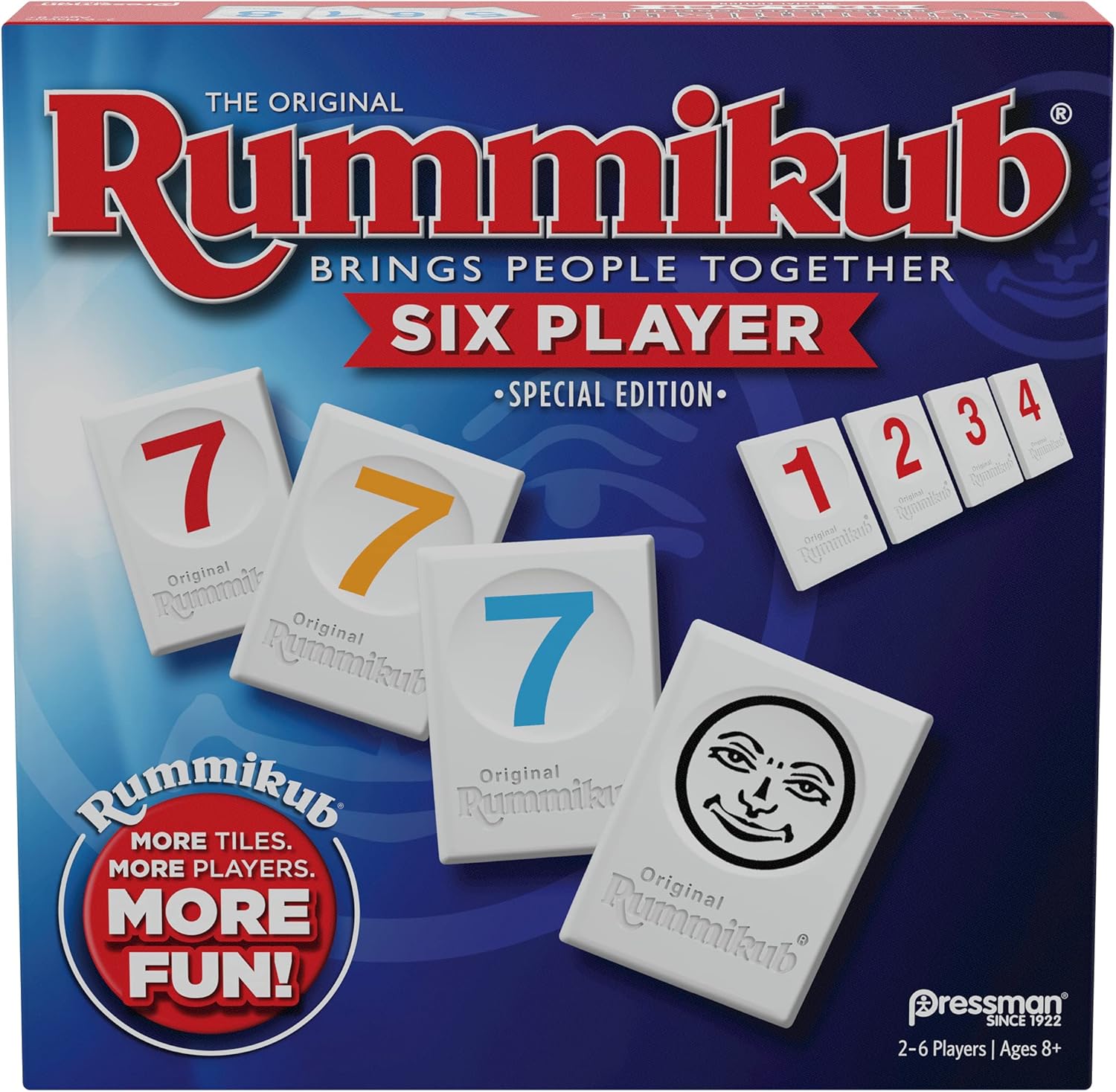
Pressman Rummikub Large Numbers Edition - The Original Rummy Tile Game Blue, 5"
See current price

Spin Master Games
Spin Master Games Double Twelve Dominoes Set in Storage Tin, for Families and Kids Ages 8 and Up
See current price


Pressman
Pressman Tri-Ominos - Deluxe Edition Triangular Tiles with Brass Spinners, 5"
See current price

Yellow Mountain Imports
Yellow Mountain Imports Premium Beechwood Domino Racks/Trays (10-Inch) - Set of 4 - Domino Holders for Mexican Train, Chickenfoot and Other Domino Games
See current price


Yellow Mountain Imports
Yellow Mountain Imports 3-Pack Mexican Train and Chicken Foot Dominoes Scorepad - 180 Sheets
See current price

Spin Master
Spin Master Games Double Fifteen Color Dot Dominoes Game in a Tin (6029741)
See current price


University Games
University Games | Spinner: The Game of Wild Dominoes, Double 9 Set Plus 11 Wild Spinner Tiles Board Game
See current price

Popular brands in Tile Games
Tile games offer a tactile alternative to cards and traditional board games, with play built around matching, arranging, stacking, sequencing, or strategic placement. Some are easy to introduce at family gatherings, while others reward planning and repeated play.
K-Catalog brings together tile games from several manufacturers so shoppers can compare the details that affect setup, learning curve, portability, and long-term enjoyment. Use the product information to identify the format that best fits the intended players and setting.
How to choose a tile game
Start with the type of experience you want. A simple matching or placement game may suit younger players and casual family play, while a strategy-focused tile game can appeal to players who enjoy planning several moves ahead. Classic designs may be a good fit for familiar group entertainment, whereas themed or educational sets can add a different purpose to game night.
Consider these questions before choosing:
- Who will play? Check the recommended age range and whether the rules are accessible to children, mixed-age groups, or experienced players.
- How many players are supported? Confirm the intended player format, especially if the game is for solo use, couples, family gatherings, or larger groups.
- How long should a session feel? Look for the estimated play time and setup requirements when available.
- Where will it be played? A compact set may work better for travel or small tables, while larger tiles and accessories may be more comfortable at home.
Common tile game formats
Tile games can vary substantially even when they share the same basic components. Matching games typically emphasize recognition and quick decisions. Domino-style games use symbols, colors, or values to create connections, while tile-laying games ask players to build patterns, paths, or shared layouts.
Mahjong-inspired sets and traditional tile games may require more space and a greater investment in learning the rules. Educational tile sets can focus on letters, numbers, shapes, or visual matching. For shoppers comparing several formats, the rulebook description and sample gameplay details are often more useful than the product name alone.
If you are considering other tabletop formats, browse Board Games for games with a larger board-based layout or Card Games for compact decks and hand-management play. Game Accessories may also help when you need storage, table protection, or other supporting items.
Features and specifications to compare
The tiles themselves have a major effect on how a game feels and how well it suits its audience. Compare the following product details:
- Material: Plastic, wood, cardboard, resin, or other materials can affect weight, durability, texture, and cleaning requirements.
- Tile size and markings: Larger pieces may be easier for children or players with limited dexterity to handle. Clear symbols and readable printing can make learning and gameplay easier.
- Included components: Review whether the set includes racks, trays, a playing mat, storage container, score sheets, dice, or other accessories needed for play.
- Rule format: Look for a printed instruction booklet, reference cards, or an easy-to-follow guide if the game is intended for new players.
- Storage design: A case, box insert, pouch, or carrying bag can make it easier to keep pieces together between sessions.
- Theme and appearance: Colors, illustrations, and presentation may matter when selecting a gift or a game for children.
Pay attention to compatibility between the listed components. A game that requires a particular surface, stand, or accessory may not be ready to play in the same way as a self-contained set.
Brands represented in the catalog
Tile games in the catalog include products from CHH, Yellow Mountain Imports, Pressman, Doublefan, Smilejoy, Exqline, Regal Games, Yuanhe, Domino, Bucher&Rossini, University Games, and Front Porch Classics. These brands cover a range of classic, family, educational, and recreational game formats.
Brand familiarity can help narrow a search, but specifications should remain the deciding factor. Compare the materials, component list, instructions, intended players, and storage details for each individual product rather than assuming that every set from a brand has the same design or play style.
Practical tips for storage and play
Before purchasing, consider the available table space and how the game will be stored. Small pieces are easier to manage when the set includes a divided tray, pouch, or dedicated case. Keep tiles in their original container when possible, and check the care guidance for the listed material before wiping or washing components.
For family use, review safety guidance and age recommendations carefully. Sets with small parts may not be suitable for young children. If the game is intended as a gift, confirm that the recipient will have enough players, table space, and time to enjoy the format.
Shoppers comparing traditional or casino-style play can also browse Casino Equipment, while compact entertainment options are available in Handheld Games. These categories may be useful when the main priority is portability or a different style of group activity.
Frequently asked questions
Are tile games suitable for children?
Many are, but suitability depends on the recommended age, piece size, rule complexity, and whether the game requires reading or advanced strategy. Check the product specifications before choosing.
What is the difference between a tile game and a board game?
Tile games use individual pieces as the central playing components. Some include a board or mat, but the main actions usually involve drawing, matching, arranging, or placing tiles.
What should I look for in a travel-friendly tile game?
Look for a compact case, durable pieces, limited setup, and rules that work well in a smaller playing area. Confirm the packed dimensions and included storage details when provided.
Do tile games need extra accessories?
Some sets are ready to play on a table, while others may use racks, trays, mats, dice, or scorekeeping materials. Review the included-components list to identify anything that may be needed separately.
How can I compare tile quality?
Check the listed material, dimensions, finish, printing, and construction details. Heavier or larger tiles may feel different from lightweight pieces, while clear markings can improve visibility during play.
Where can I compare related game categories?
For broader tabletop choices, visit Games & Accessories and compare tile games with board games, card games, and other formats.