

Women’s Boots: Compare Styles and Features
Explore women’s boots across casual, dress, outdoor, work, and cold-weather styles. Compare materials, construction, fit, traction, insulation, and other features before visiting Amazon.
13,475 products in catalog
13,475 results
Filters


Bearpaw
BEARPAW Women's Emma Short Natural Snake Print Mid-Calf Suede Snow Boot - 6M
See current price


Shoe'N Tale
Shoe'N Tale Women Stretch Suede Chunky Heel Thigh High Over The Knee Boots
See current price


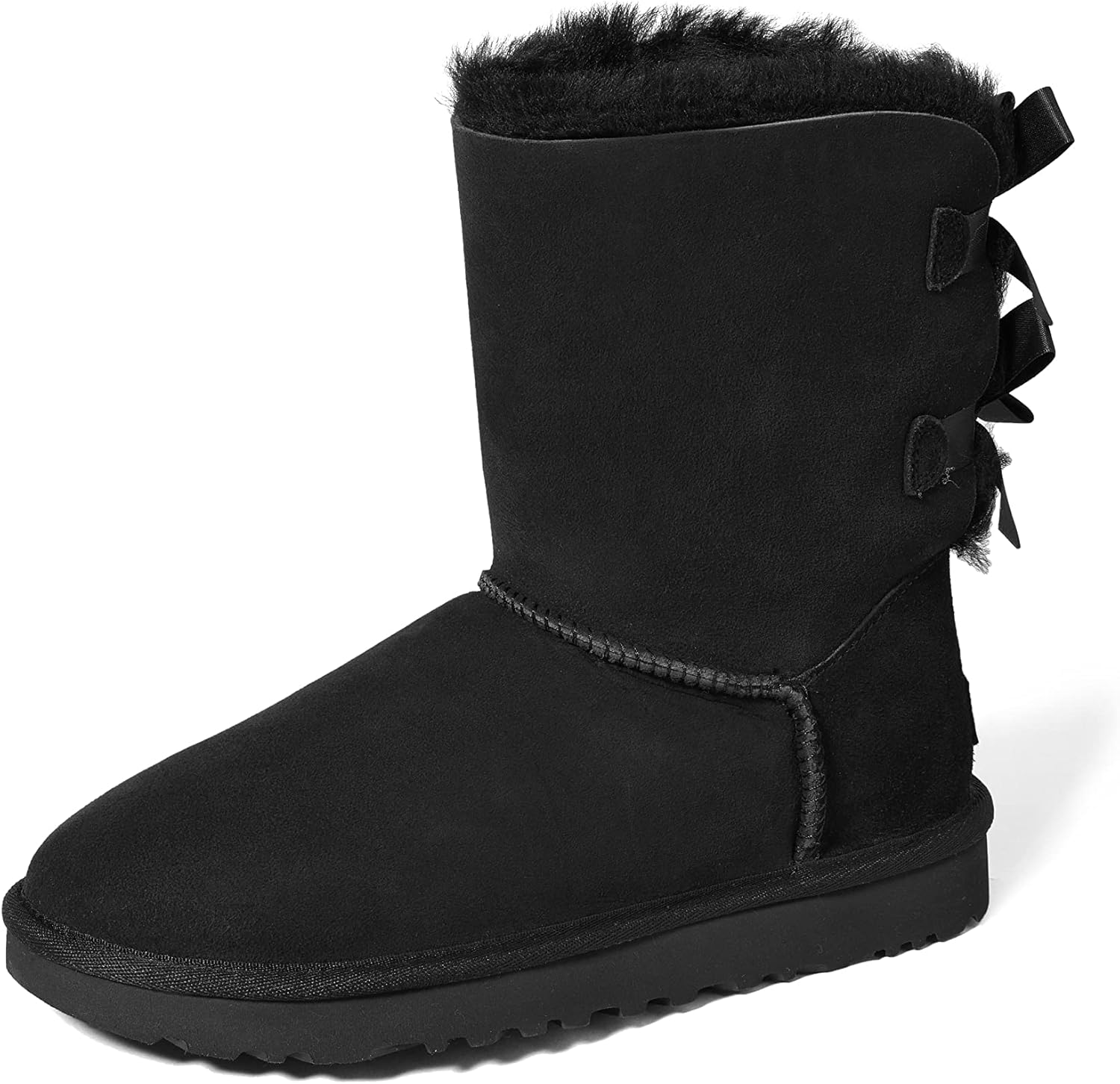


Bearpaw
BEARPAW Women’s Emma Tall Classic Suede Slip On Boots, Comfortable Winter Boots, Multiple Sizes
See current price


Asgard
Asgard Women's Mid Calf Rain Boots Printed Waterproof Rubber Boots Short Garden Shose
See current price


Forever
Forever Camille-86 Women's Comfort Stacked Chunky Heel Lace Up Ankle Booties
See current price

Popular brands in Women
Women’s boots can serve very different purposes, from everyday outfits and commuting to hiking, work, rain, and winter conditions. The right pair depends on where you plan to wear them, the weather you expect, and how much support or protection you need.
K-Catalog helps shoppers compare listed specifications and features across women’s boots in the Boot Shop, so it is easier to narrow the selection by design, construction, and intended use. Product details can vary by style, so check the individual listing carefully before making a choice.
How to choose women’s boots
Start with the conditions and activities that matter most. A sleek ankle boot for everyday wear has different priorities from a rugged outdoor boot or a tall insulated style for cold weather.
Consider these questions before comparing products:
- Where will you wear them? City streets, trails, job sites, travel, wet sidewalks, and casual outings call for different designs.
- What weather will they face? Look for details related to water resistance, waterproof construction, insulation, warmth, and lining when the boots will be worn in rain, snow, or cold temperatures.
- How much walking is involved? Cushioning, arch support, heel stability, flexible construction, and a secure fit become more important for long periods on your feet.
- What clothing will they complement? Shaft height, color, finish, toe shape, and heel style affect whether boots work best with jeans, trousers, skirts, or dresses.
- How will they fit? Compare the seller’s sizing information with your usual size, and check whether the design is described as narrow, wide, roomy, or suited to thicker socks.
Popular women’s boot styles
There is no single boot design that fits every wardrobe or use case. Comparing the main styles can help identify which specifications deserve the most attention.
Ankle and Chelsea boots
Ankle boots are versatile for daily outfits and transitional weather. Chelsea boots typically use elasticized side panels for a streamlined appearance and easier entry, while other ankle styles may use laces, zippers, buckles, or pull tabs. Compare the opening, closure, heel height, sole flexibility, and interior cushioning.
Tall and riding-inspired boots
Tall boots provide more coverage and can be styled with dresses, skirts, leggings, or fitted trousers. Check the shaft height and circumference, particularly if you plan to wear the boots over clothing or have fuller calves. A side zipper, stretch panel, or adjustable feature may make a tall shaft easier to put on and remove.
Winter and snow boots
Cold-weather boots should be evaluated for more than appearance. Look for insulation, lining materials, waterproof or water-resistant construction, sealed seams where specified, and a tread designed for wet or slippery ground. Consider whether the sole leaves enough room for natural movement and whether the interior accommodates warm socks without making the fit too tight.
Hiking and outdoor boots
Outdoor boots may emphasize traction, stability, protection, and durability. Compare the outsole pattern, toe protection, ankle coverage, lacing system, cushioning, and stated water protection. A lighter design may suit casual trails and travel, while a more structured boot can be preferable when the terrain is uneven or the load is heavier.
Work and utility boots
Work-oriented boots are often selected for their protective features and secure construction. Depending on the intended task, compare toe protection, slip resistance, sole durability, ankle support, and the type of closure. Always check the product specifications to determine whether a boot has the particular protective feature required for your workplace.
Fashion and western-inspired boots
Fashion boots can include decorative stitching, pointed or rounded toes, prominent heels, textured uppers, and distinctive shaft designs. These details can make a pair more suitable for occasional wear than extended walking. If comfort is important, give equal attention to the footbed, heel stability, lining, and outsole rather than judging only by the silhouette.
Key features and specifications to compare
Upper and lining materials
Leather, suede, synthetic materials, textile panels, and mixed constructions can feel and perform differently. Leather and suede may require specific care, while synthetic uppers can offer a different balance of appearance, maintenance, and weather resistance. The lining affects warmth and comfort, especially when boots are worn for long periods.
Sole, tread, and traction
The outsole is one of the most important parts of a boot. Deep or multi-directional tread can be useful on wet, loose, or uneven surfaces, while a smoother outsole may suit indoor or urban use. Also compare sole flexibility, platform thickness, heel design, and whether the construction appears suited to frequent walking.
Closure and entry
Laces can provide a more adjustable fit around the foot and ankle. Zippers make tall or fitted boots easier to put on, while pull-on designs may have a cleaner look and fewer moving parts. Buckles and straps can add adjustability or decoration. Examine where the closure is positioned and whether it may rub during movement.
Cushioning and support
For everyday wear, look for details such as padded footbeds, cushioned insoles, shock-absorbing midsoles, supportive arches, and stable heel counters. These features do not guarantee a particular fit, so comfort remains personal. Compare the shape of the toe box and the amount of room around the instep as well.
Weather protection
Water-resistant and waterproof are not interchangeable descriptions. Review the product wording to understand what protection is specified and whether it applies to the upper, seams, gusset, or entire construction. For winter use, also compare insulation and the temperature conditions suggested by the listing, when provided.
Brands represented in the catalog
The women’s boot catalog includes products from GLOBALWIN, Polar, UGG, Skechers, Timberland, Columbia, Sorel, Dr. Martens, Clarks, DailyShoes, West Blvd, and LifeStride. These brands cover a broad range of casual, fashion, outdoor, work, comfort-focused, and cold-weather designs. Brand familiarity can help narrow a search, but specifications such as materials, fit, outsole, lining, and intended use should still be compared for each individual pair.
Fit, care, and practical buying tips
Read the sizing guidance for the specific product instead of assuming every boot from the same brand will fit identically. Measure both feet if possible and use the larger measurement when comparing size charts. Think about the socks you expect to wear, especially with insulated or hiking boots.
When trying to assess fit, check that the heel does not lift excessively, the toes can move without pressing against the front, and the boot feels secure around the ankle. Tall boots should not pinch the calf, while lace-up styles should hold the foot without creating pressure across the instep.
Care requirements depend on the materials and construction. Follow the product’s instructions for cleaning, conditioning, drying, and storage. Avoid applying a treatment to suede, leather, or technical fabric unless it is intended for that material. Wet boots generally benefit from gradual air-drying away from direct heat, which can damage some uppers, adhesives, or finishes.
For more family footwear categories, compare Men’s boots, Girls’ boots, and Boys’ boots. When you have narrowed the options, review the current product details on Amazon, including available sizes, colors, and seller-provided specifications.
Frequently asked questions
What are the most versatile women’s boots?
Ankle boots are often adaptable because they work with casual and dressier outfits across multiple seasons. Choose the shaft, heel, color, and sole based on your wardrobe and typical walking conditions.
What should I look for in women’s winter boots?
Compare insulation, lining, water protection, tread, sole flexibility, and room for warm socks. A secure closure and comfortable fit are also important when boots will be worn for extended periods.
Are waterproof boots better for everyday wear?
Waterproof construction can be useful in wet conditions, but it may not be necessary for primarily indoor or dry-weather use. Compare breathability, flexibility, weight, and comfort alongside weather protection.
How should tall women’s boots fit?
The foot should feel secure without cramped toes or excessive heel movement. Check the shaft height and calf circumference, and look for stretch panels or adjustable closures if you need additional room.
Can fashion boots be used for long walks?
Some can, but comfort depends on the footbed, cushioning, heel stability, outsole, and overall fit. Compare these features rather than relying on the boot’s appearance alone.
How do I compare boots for outdoor use?
Focus on traction, ankle support, toe protection, water resistance, cushioning, closure security, and sole durability. Match those features to the terrain, weather, and amount of walking you expect.