
KELLOGG CO
Rice Krispies Treats Crispy Marshmallow Squares, Kids Snacks, Snack Bars, Original, 12.4oz Box (16 Bars)
See current price

Compare breakfast and cereal bars by ingredients, texture, nutrition, and format. Use the available product details to find options suited to busy mornings, snacks, or packed meals.
114 products in catalog
114 results
KELLOGG CO
See current price

Frosted Flakes
See current price

Kellogg's
See current price
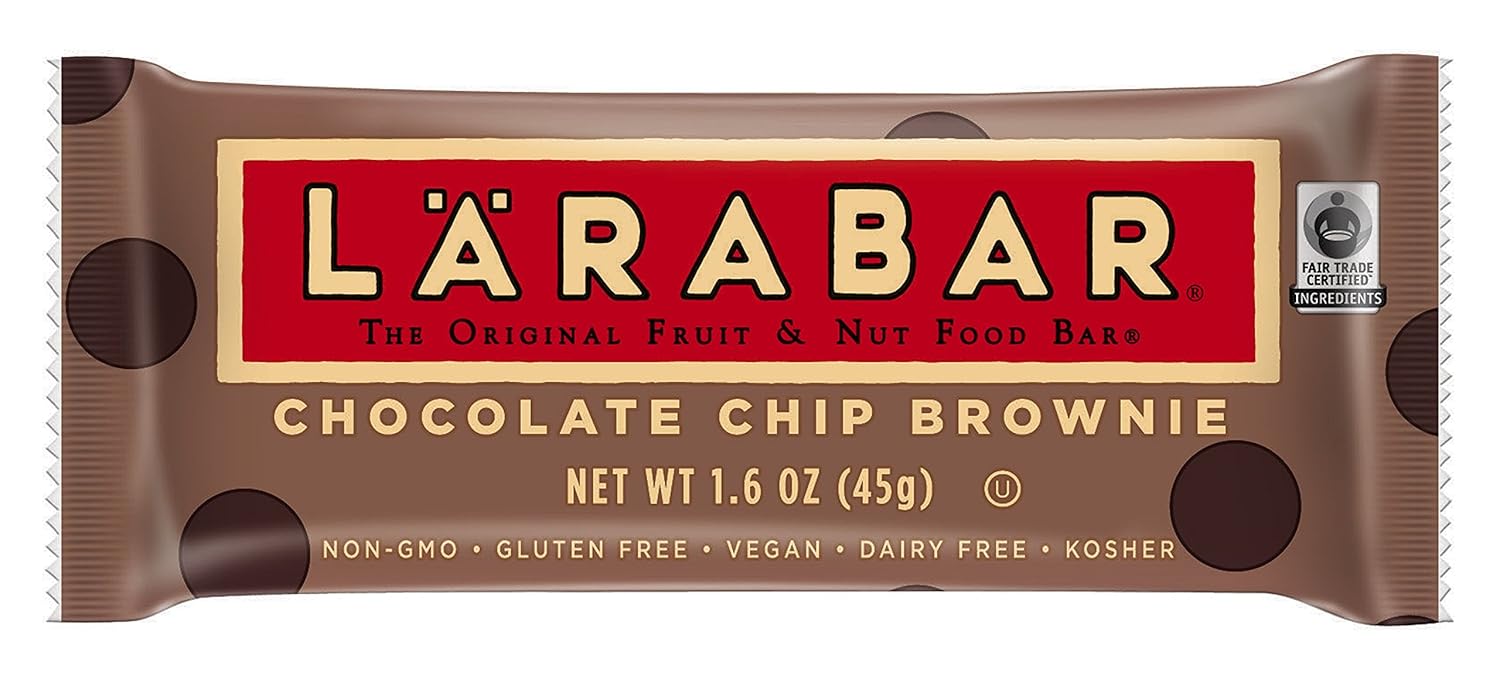
General Mills
See current price
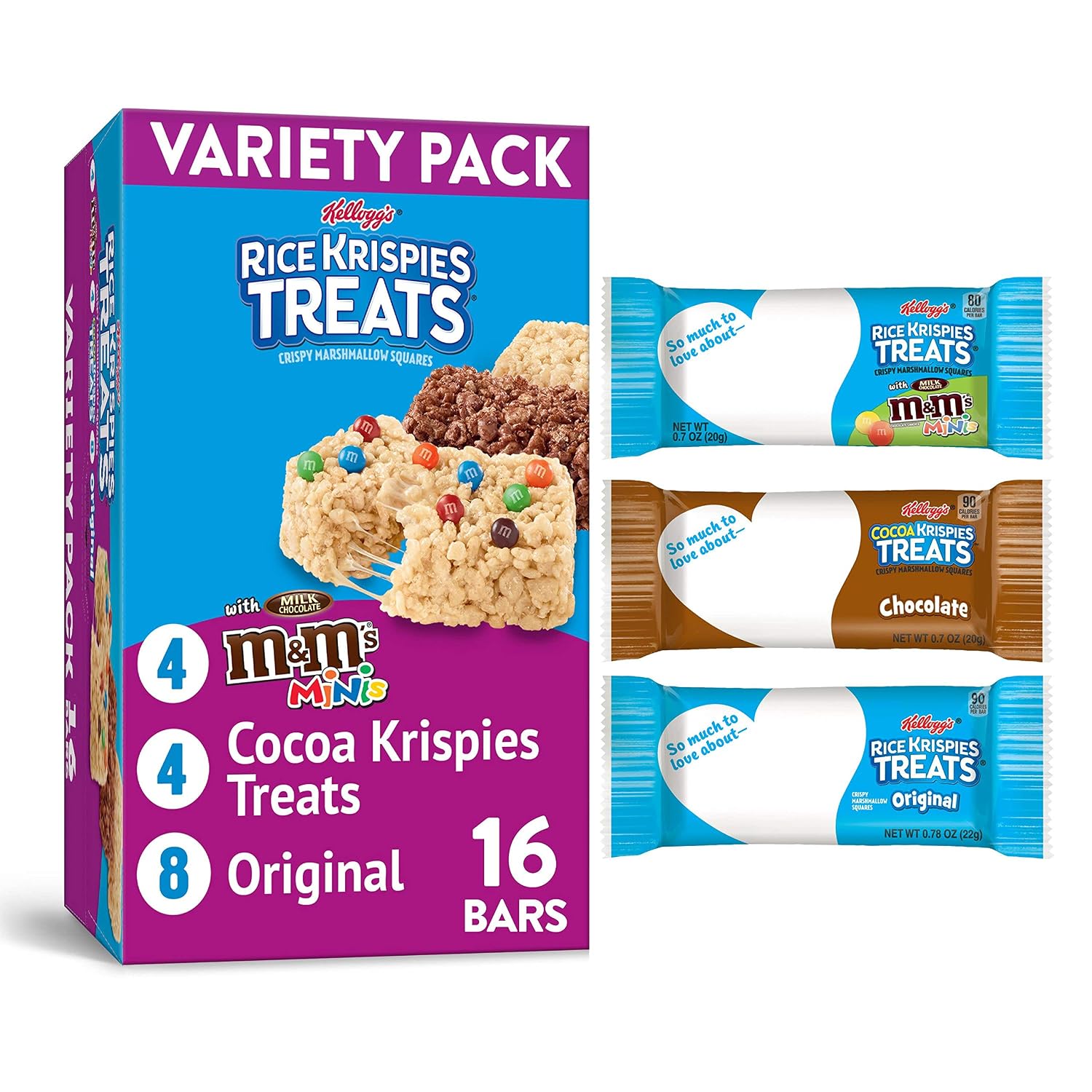
Kellogg Company
See current price

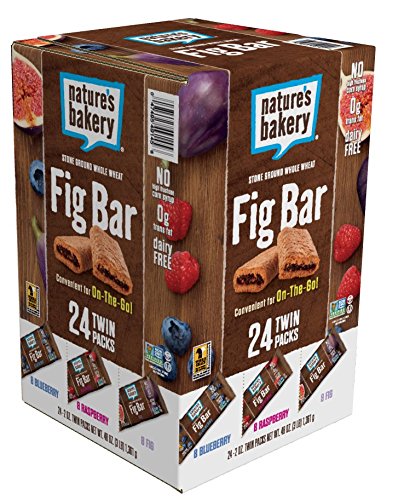


Amazon.com Services LLC.
See current price

Amazon.com Services, Inc.
See current price
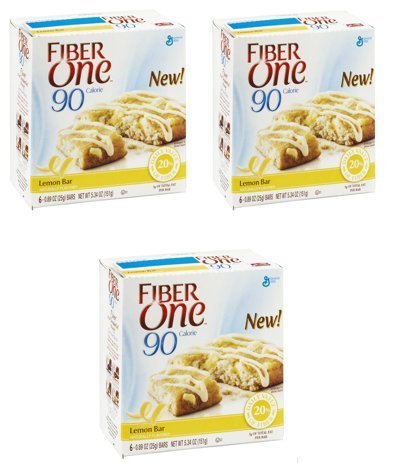

Frosted Flakes
See current price

Amazon.com Services LLC.
See current price


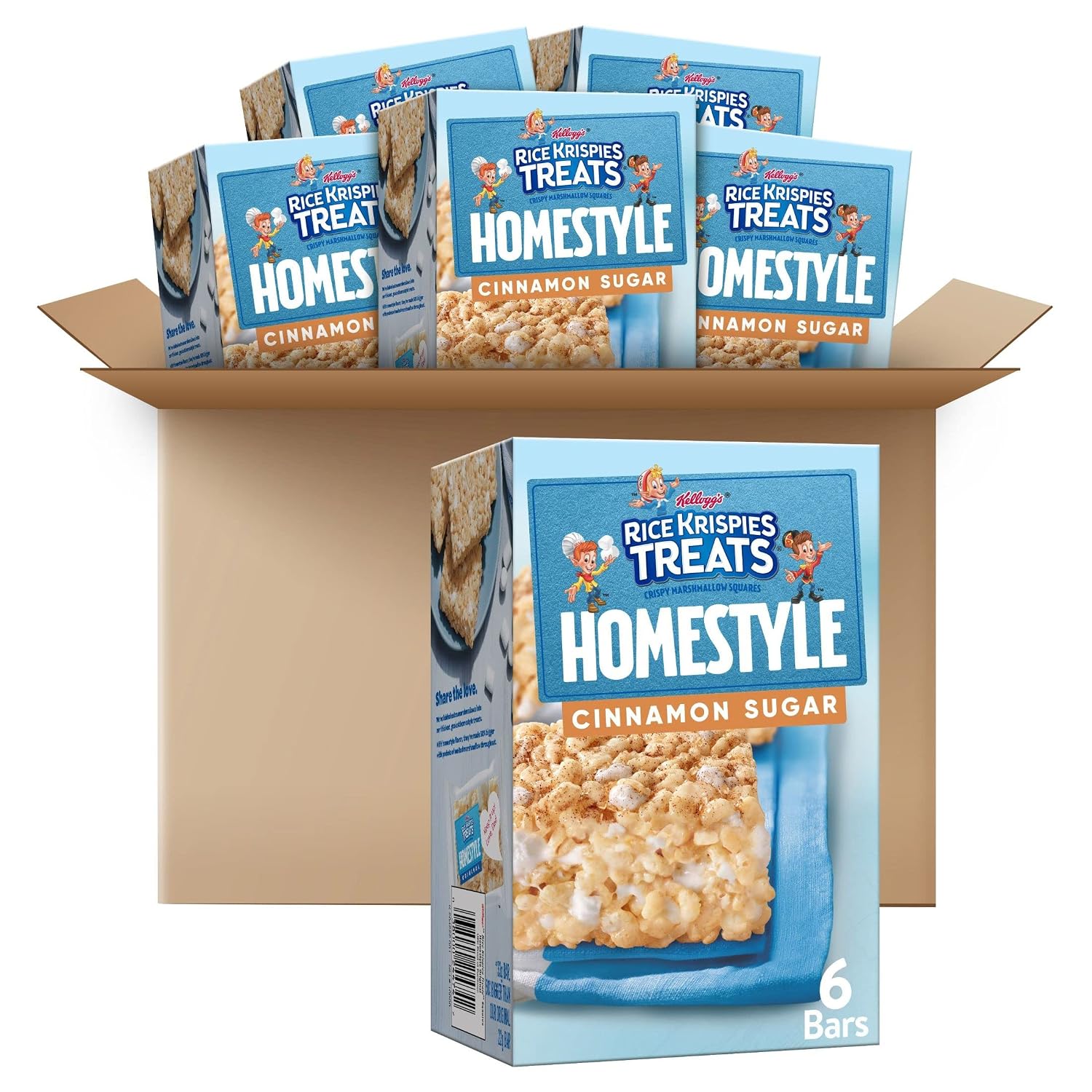


Kellogg Company
See current price

Kellogg Company US
See current price

BOB'S RED MILL NATURAL FOODS INC
See current price


KELLOGG CO
See current price
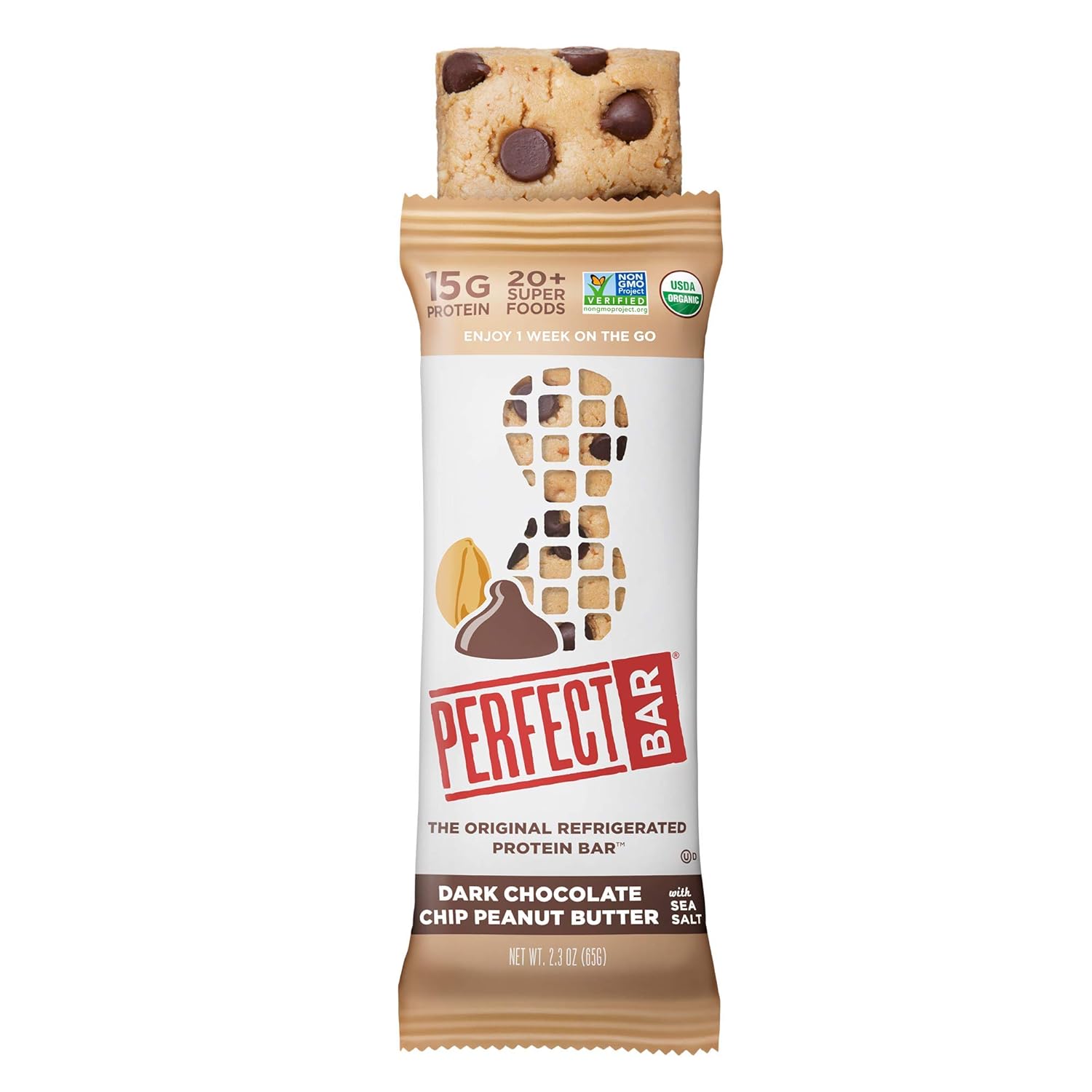

Kellogg's
See current price
Breakfast and cereal bars offer a convenient alternative to a bowl of cereal or a sit-down breakfast. They can be easy to pack for work, school, travel, or between-meal snacks, but products vary considerably in ingredients, texture, sweetness, and nutritional profile.
K-Catalog helps shoppers compare listed specifications and features before visiting Amazon to check the current product information and purchase options.
Start with how you expect to use the bars. A compact bar may work well for commuting or keeping in a bag, while individually wrapped products can be more convenient for lunch boxes and shared household storage. If the bars will replace breakfast rather than serve as a small snack, pay closer attention to their serving information and nutrient profile.
Consider these factors when comparing products:
The category includes several familiar styles, although names and recipes vary by product. Granola-style bars often emphasize oats, grains, nuts, seeds, or dried fruit. Chewy cereal bars tend to have a softer texture and may include sweet coatings, fruit components, or flavored centers. Crunchy bars can provide a firmer bite and may be made with toasted grains or crisped cereal pieces.
Some products are designed more like a portable breakfast, while others are better treated as a snack or lunch-box item. Read the serving information and ingredient list to understand how a particular bar fits your routine.
For shoppers comparing adjacent breakfast products, Breakfast Foods provides the broader category. Cereals may be a better match for bowl-based breakfasts, while Toaster Pastries offers another portable breakfast format.
Flavor is important, but practical details often determine whether a product becomes a regular purchase. Compare the available information for:
If you are shopping for children, consider texture, portion suitability, allergens, and the amount of added sugar. For adults using bars before exercise or during a commute, portability, carbohydrate content, and how filling the product is may be more relevant. People with specific dietary needs should always confirm the full label and manufacturer information.
The catalog includes products associated with KELLOGG CO, Kellogg's, Kellogg Company US, Kellogg Company, and Kellogg Company - Sortable. Other represented names include General Mills, General Mills Sales Inc., Quaker, Pamela's Products, BELVITA, Frosted Flakes, and Eat Your Coffee.
These entries can help shoppers compare products across familiar brand names and different recipe styles. Brand identity alone does not determine whether a bar suits a particular diet, so compare the individual ingredients, nutrition facts, allergen statements, and package details for each product.
Check the package format if bars will be carried in a backpack, desk drawer, or vehicle. Wrappers can help with portability, but products may still be affected by heat, moisture, or crushing. Store them according to the manufacturer’s guidance and inspect packaging before opening.
For family purchases, compare the flavors and ingredients that different household members will actually eat. If you are buying for a school or group setting, review allergen information carefully and avoid assuming that similar-looking products have the same ingredients. Product details can change, so confirm the current listing and label information before ordering.
Some bars may be suitable for a quick breakfast, while others are intended as snacks. Compare serving information, fiber, protein, sugar, and overall ingredients to decide how a product fits your meal plan.
The terms can overlap. Cereal bars commonly feature grains or crisped cereal, while granola bars often emphasize oats, grains, nuts, seeds, or fruit. Check the ingredient list and texture because naming conventions vary.
Look at the ingredient and allergen information, texture, serving details, and sugar content. For school use, also check whether the product fits the school’s allergy policies.
Many are packaged as portable individual portions, but packaging and durability differ. Compare the package format and storage guidance before choosing bars for travel or packed meals.
Review the full ingredient list, allergen statement, and any cross-contact warnings. Do not rely solely on a flavor name or a front-label claim, and confirm the current product information before buying.