
General Mills Sales Inc.
Honey Nut Cheerios Heart Healthy Cereal, Gluten Free Cereal With Whole Grain Oats, Mega Size, 29.4 OZ (Packaging may vary)
See current price

Compare cereals by ingredients, texture, nutrition details, format, and dietary preferences. Browse catalog listings to narrow down options for everyday breakfasts, snacks, and family meals.
861 products in catalog
861 results
General Mills Sales Inc.
See current price

General Mills
See current price


QTG Products (Sortable)
See current price


Yoleez
See current price
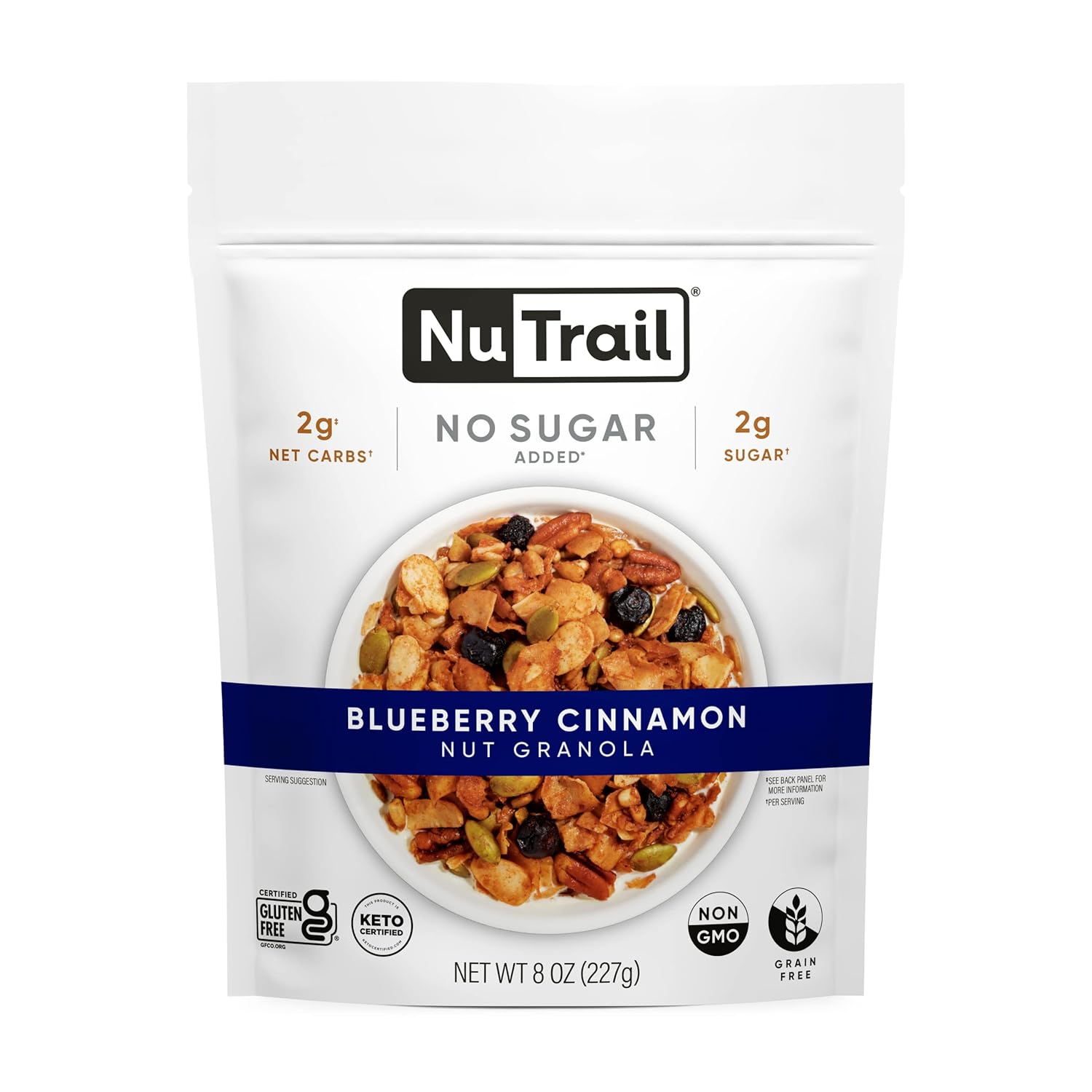

Bob's Red Mill
See current price


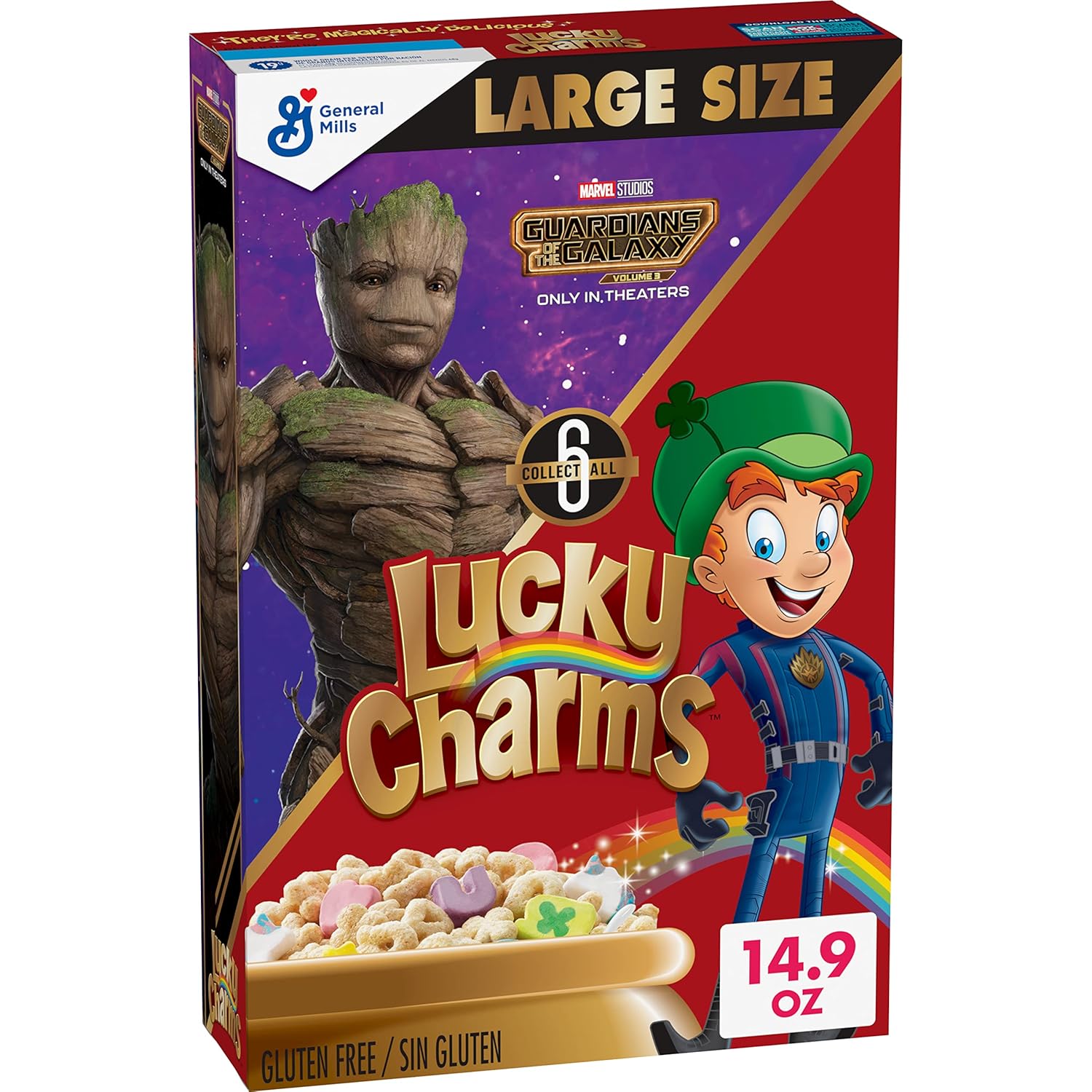
General Mills
See current price


Kellogg's
See current price
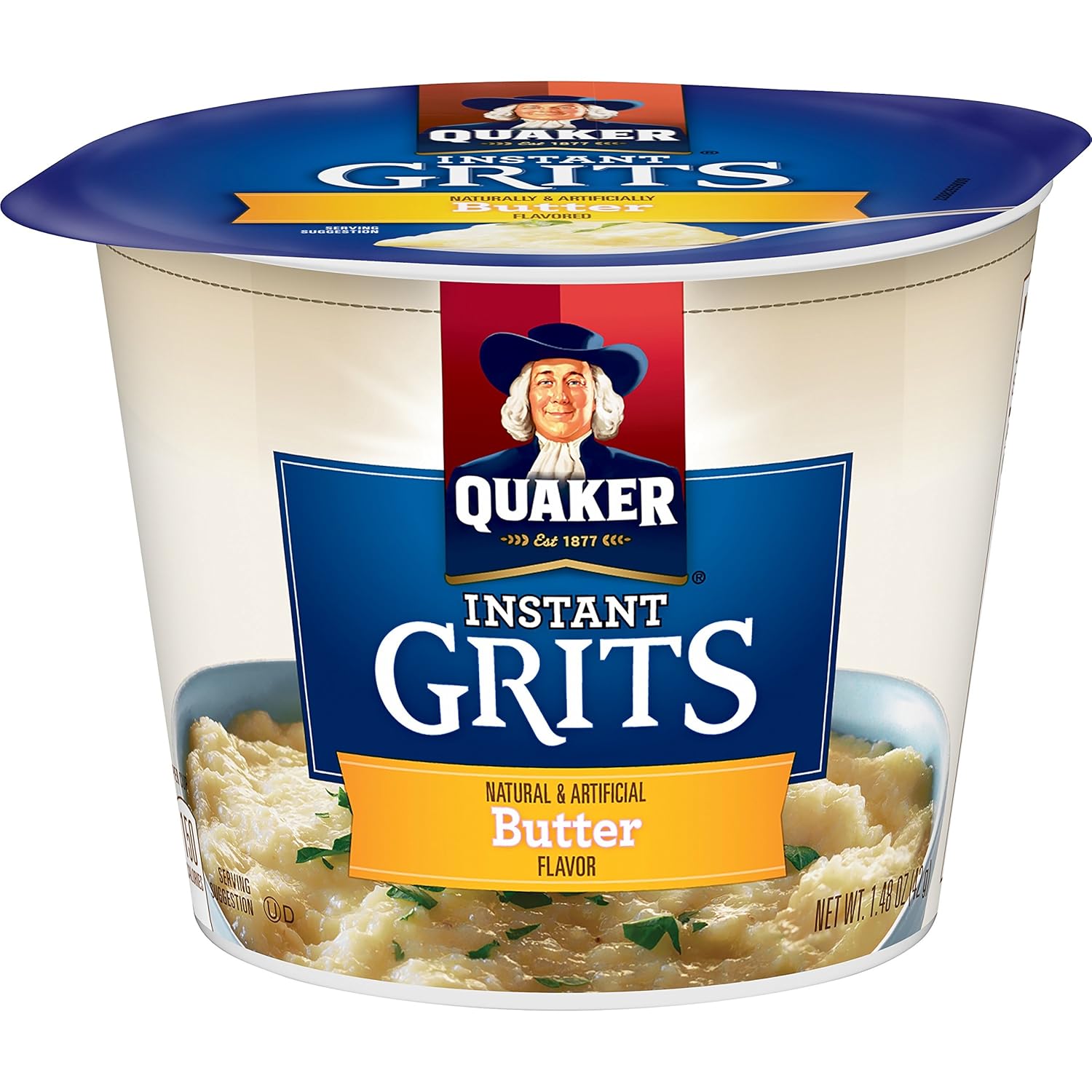
Quaker
See current price

General Mills
See current price


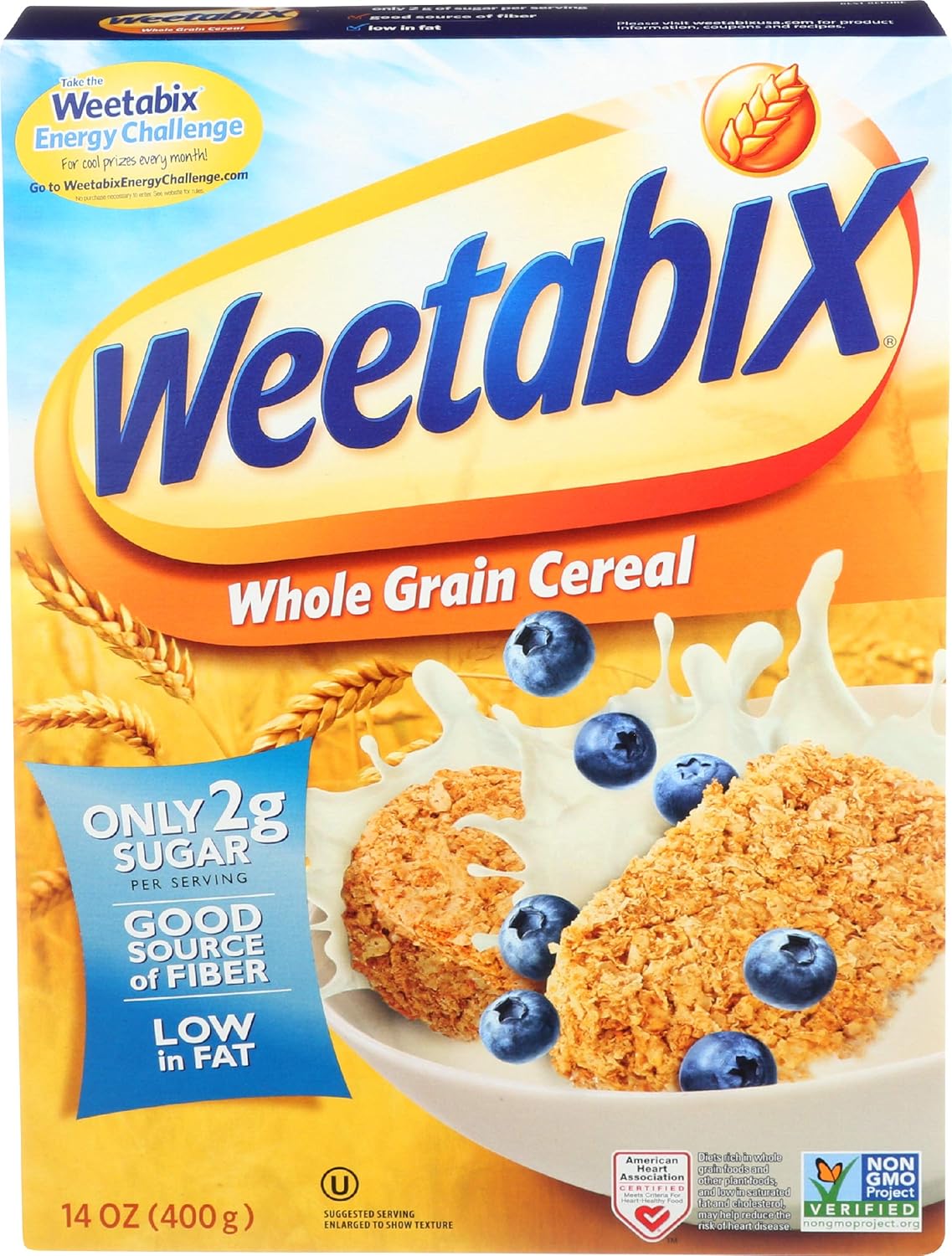
Post Foods
See current price

Kellogg's
See current price
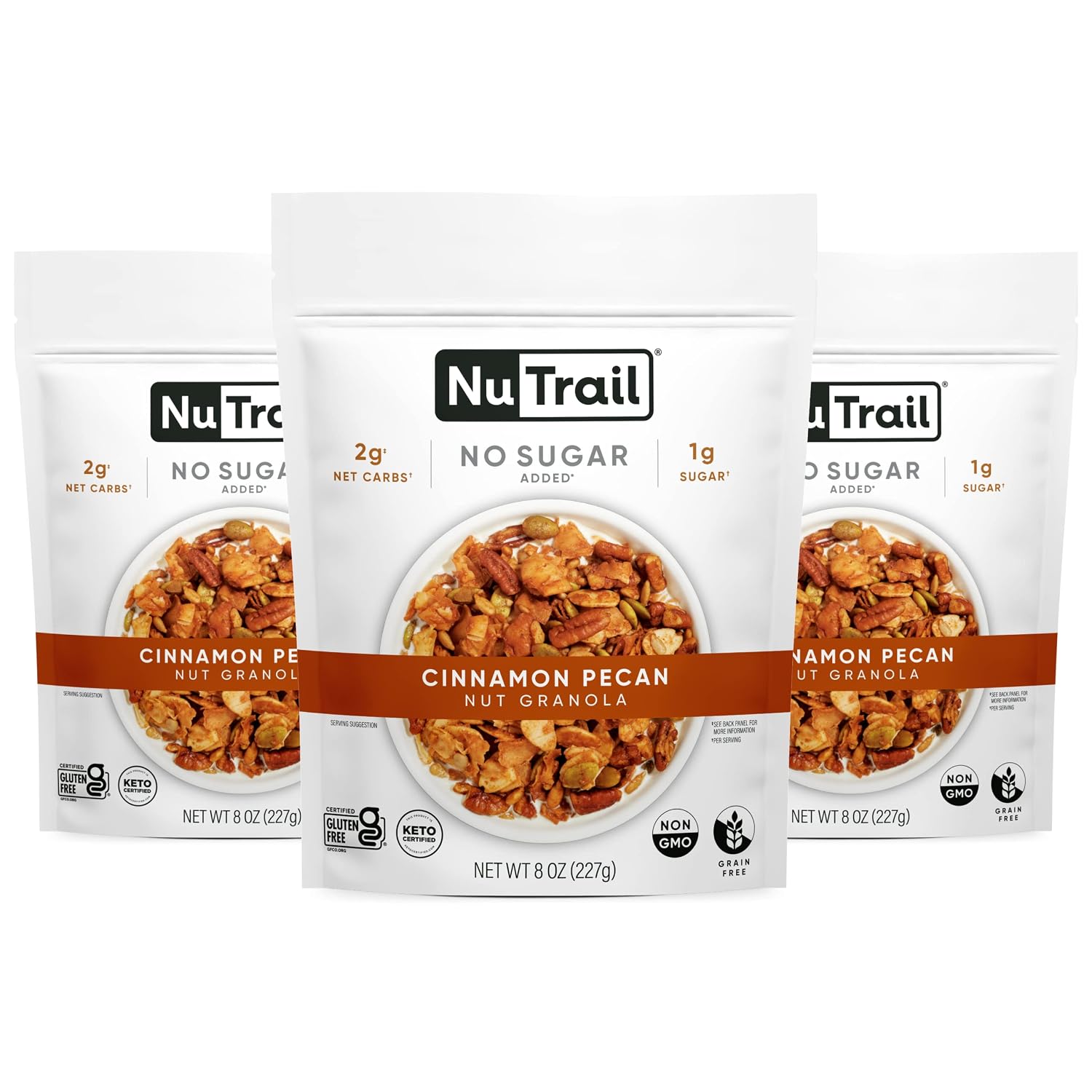
Cereal can be a convenient breakfast staple, a quick snack, or an ingredient for recipes. The right choice depends on more than flavor: ingredients, grain type, sweetness, texture, serving format, and dietary needs can all affect which product fits your routine.
K-Catalog helps shoppers compare product specifications and features before visiting Amazon for the latest purchasing information. Use the details on each listing to evaluate cereals based on how they will be served and who will be eating them.
Start with the intended use. A cereal for a fast weekday breakfast may need to be easy to portion and pair well with milk or a dairy-free alternative. For snacking, texture and packaging can matter more. If cereal will be used in recipes, consider whether its flavor and shape will work with the other ingredients.
Useful questions to ask include:
Cereal comes in a wide range of forms, so comparing the product description and ingredient information is important. Flake cereals are familiar and often combine a crisp texture with milk. Puffed or crisped cereals can feel lighter, while granola-style products may be suited to bowls, yogurt toppings, or snacking.
Other options include muesli, shredded grain cereals, bran-focused cereals, oatmeal, and other hot cereals. Each type can differ in texture, preparation, sweetness, and the grains used. If a specific format matters, check the listing carefully rather than relying only on the product name.
For other convenient breakfast choices, explore Toaster Pastries and Breakfast & Cereal Bars. The broader Breakfast Foods category can also help when comparing cereal with other morning staples.
The ingredient list is one of the most useful parts of a cereal listing. Look for the grains, sweeteners, dried fruit, nuts, seeds, flavorings, and other additions that match your preferences. Shoppers managing food allergies or sensitivities should review the full ingredient and allergen information supplied for the product.
Nutrition details can help with side-by-side comparisons. Depending on your priorities, pay attention to serving information, fiber, protein, added sugars, sodium, and fat. A cereal with a particular nutritional profile may suit one routine better than another, but portion size and toppings can also change the overall meal.
If dietary requirements are important, verify the product’s current labeling and suitability before purchase. Formulas and packaging information can change, and product claims should be checked against the latest listing and package details.
Texture often determines whether a cereal becomes a regular choice. Crisp flakes, crunchy clusters, soft grains, and chewy additions provide different eating experiences, while hot cereals offer a different preparation style altogether. Consider how quickly the cereal softens in milk if maintaining crunch is important.
Flavor can range from plain grain-forward options to cereals with fruit, spices, cocoa, or other sweet flavors. Think about whether the cereal needs to work with toppings such as fresh fruit, nuts, yogurt, or milk alternatives. Packaging format may also matter for storage, portioning, and keeping the product fresh after opening.
The cereal catalog includes products from General Mills, Kellogg's, Quaker, Nature's Path, Bob's Red Mill, 365 By Whole Foods Market, Post, and HIGHKEY SNACKS. Related catalog entries also identify General Mills Sales Inc., Kellogg Company, Post Consumer Brands, and Post Foods LLC.
These brand names are useful for narrowing a comparison, but the product-level details remain the most important guide. Compare ingredients, nutrition information, format, package details, and dietary statements for the specific cereal you are considering rather than choosing by brand alone.
Compare the cereal type, ingredients, nutrition details, flavor, texture, preparation method, package information, and any dietary or allergen considerations.
Ready-to-eat cereals are generally convenient for quick preparation, while hot cereals may require heating or mixing. Check the listing for preparation details and serving suggestions.
Review the complete ingredient list, allergen information, nutrition panel, and any dietary statements on the current product listing. Do not rely on the product name alone.
Yes. Flakes, puffs, clusters, shredded grains, and hot cereals have different textures and may soften at different rates when served with milk or another topping.
Yes. Depending on its texture and flavor, cereal can be used as a snack, yogurt topping, or recipe ingredient. Check whether the product’s ingredients and format suit the intended use.
Brand can help narrow a search, but comparing the specific product’s ingredients, nutrition information, format, and dietary details gives a more useful basis for choosing.