
LifeStraw
LifeStraw Personal Water Filter for Hiking, Camping, Travel, and Emergency Preparedness
See current price

Compare camping and hiking equipment by intended use, construction, capacity, compatibility, and packability. Find practical guidance for choosing gear for overnight trips, day hikes, and outdoor recreation.
14,426 products in catalog
14,426 results
LifeStraw
See current price


Wise Owl Outfitters
See current price



Carhartt
See current price

Morakniv
See current price





WATERFLY
See current price


TOURIT
See current price

Camping and hiking gear covers the essentials for spending time outdoors, from shelter and sleeping equipment to packs, cooking tools, lighting, and navigation accessories. The right choices depend on where you are going, how long you will be out, the conditions you expect, and how much weight you want to carry.
K-Catalog helps you compare products by specifications and features before visiting Amazon to check the current price and purchase details. Use the guidance below to narrow down the equipment that fits your plans.
Start with the activity rather than a product label. A short day hike usually prioritizes a comfortable, lightweight pack, hydration, weather protection, navigation, and emergency supplies. Car camping allows more room for larger shelter, bedding, coolers, cooking equipment, and camp furniture. Backpacking requires closer attention to packed size, total weight, durability, and how each item works with the rest of the load.
Consider these questions before comparing individual products:
Camping and hiking is a broad category, so compare products according to their role in a complete outdoor setup. Common equipment areas include:
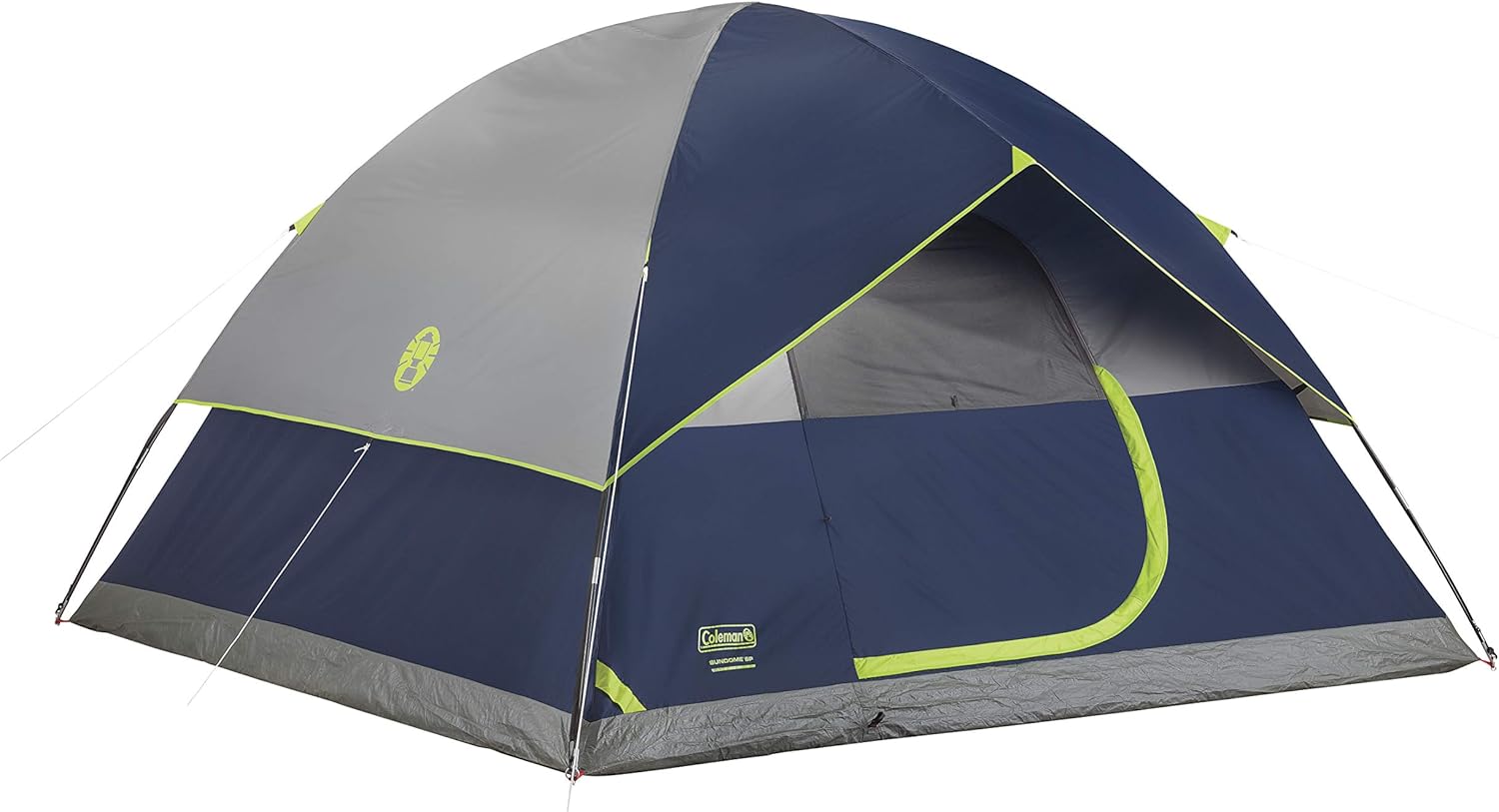
Tents should be compared by usable capacity, packed size, setup method, ventilation, entrances, storage areas, and weather protection. A shelter that fits the expected group is not always the most comfortable option if it leaves little room for gear or movement. Check whether the listed dimensions describe the interior space, floor area, or packed configuration.
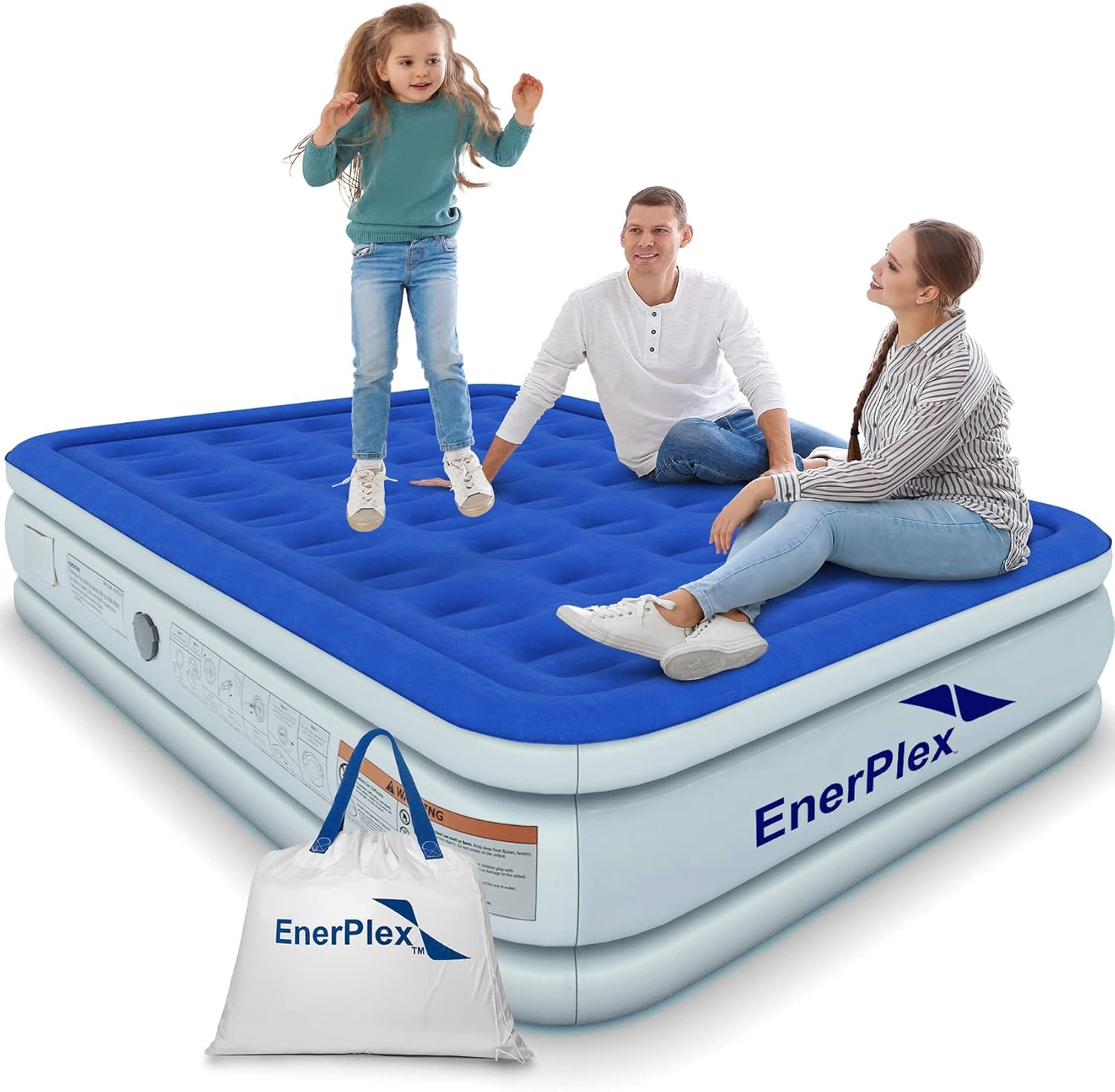
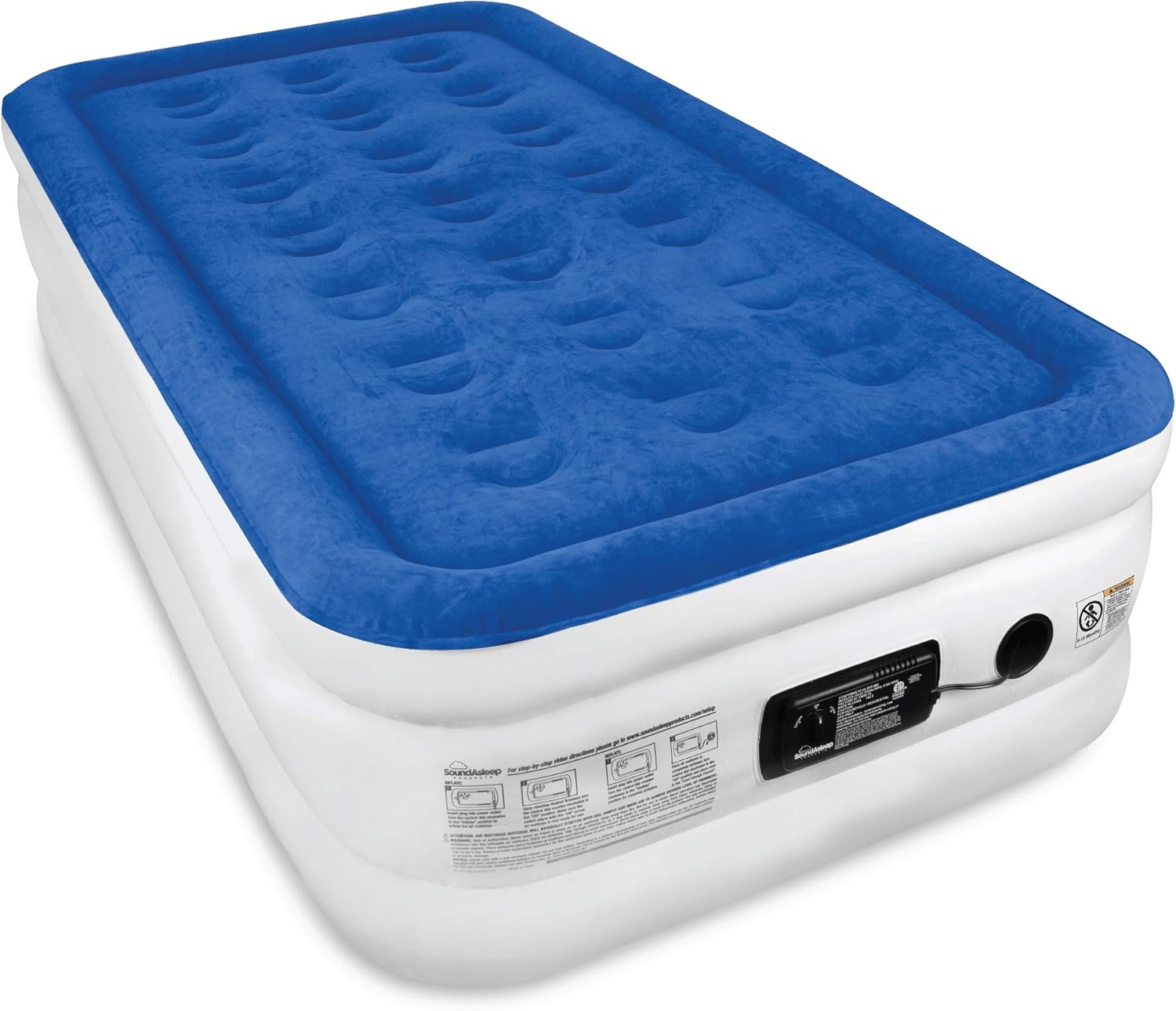
Sleeping bags, pads, cots, and blankets serve different camping styles. Compare temperature guidance where provided, insulation type, shape, materials, cushioning, portability, and cleaning requirements. For vehicle-based camping, comfort and ease of setup may matter more than minimum weight. For backpacking, packed volume and carrying weight become more important.
A hiking pack should suit both the trip length and the equipment carried. Compare capacity, torso or strap adjustability, hip-belt design, back ventilation, pockets, hydration compatibility, rain protection, and attachment points. A larger pack is not automatically better; extra room can encourage carrying unnecessary weight.
Daypacks, hydration packs, and larger hiking packs each support different load sizes. Look for clear dimensions and fit information, then consider whether the design allows easy access to water, snacks, navigation tools, and frequently used layers.
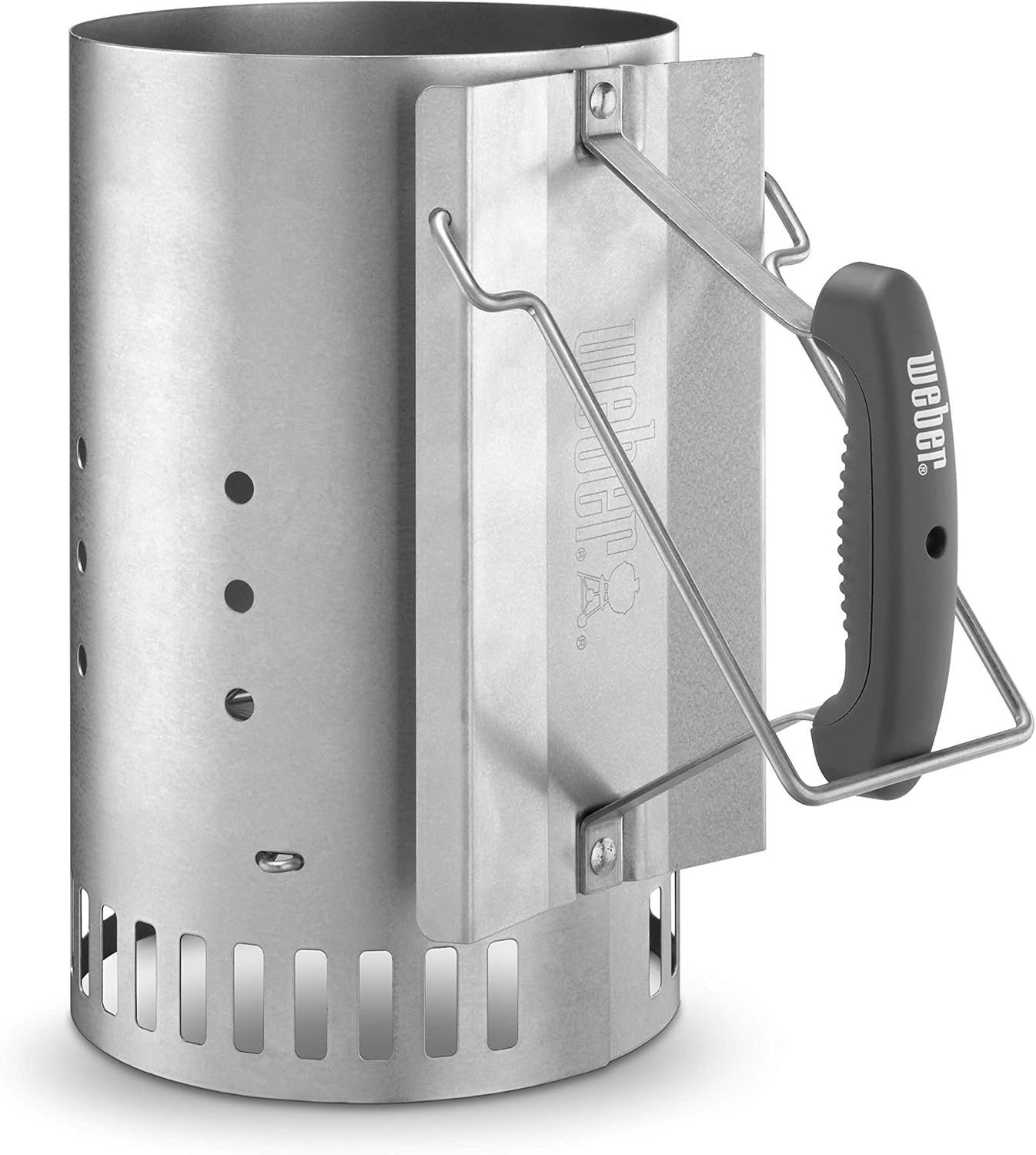
Cooking equipment ranges from compact personal-use tools to larger camp kitchen setups. Compare burner or heating compatibility, fuel requirements where applicable, cookware material, nesting or storage design, handle construction, cleaning convenience, and the number of people served. Food storage should also be considered alongside temperature control, durability, and how easily containers can be packed.
Water equipment may include bottles, reservoirs, filters, or treatment accessories. Check capacity, opening or connection style, filtration or treatment specifications, replacement-part availability, and compatibility with the rest of your kit. Products from Mountain House appear among the brands represented in the catalog, alongside equipment from other outdoor brands.
Headlamps and lanterns differ in how they are worn or positioned, how they are powered, brightness controls, beam options, weather resistance, and battery access. For hiking, hands-free lighting can be useful when setting up camp or moving after dark. For a campsite, consider area coverage and stable placement.
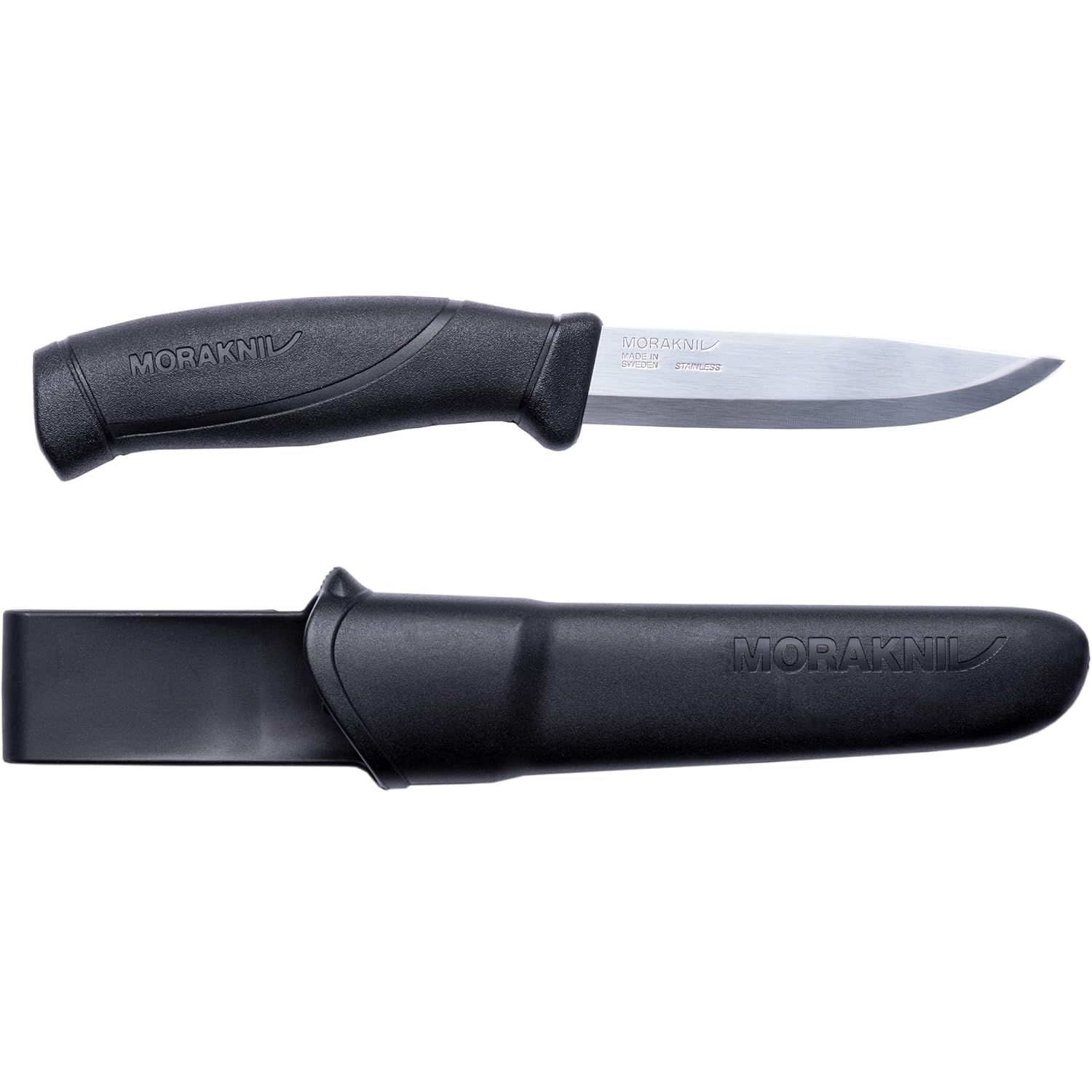
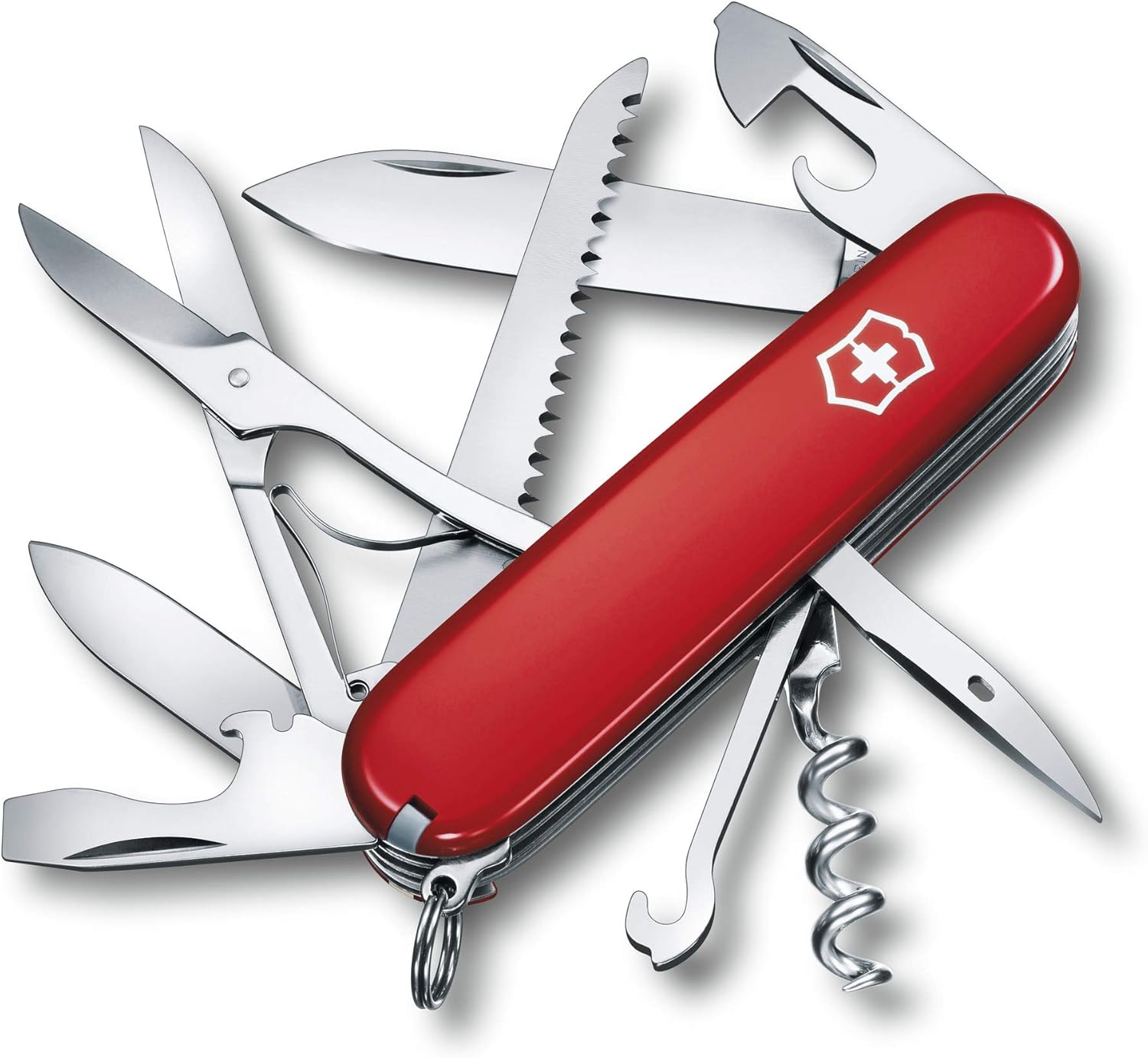
Navigation and utility tools should be selected for the route and conditions. Compare map and compass features, tool functions, locking mechanisms, grip, storage, and maintenance needs. Keep essential items accessible rather than buried at the bottom of a pack.
Product specifications are most useful when viewed together. Pay particular attention to:
Do not overlook included accessories. A product may require separate stakes, poles, fuel, batteries, cookware, chargers, liners, or mounting hardware. Confirm what is included and what must be added to create a usable setup.
The Camping & Hiking catalog includes products associated with Coleman, Igloo, Kelty, Osprey Packs, Victorinox, KingCamp, Stansport, Coghlan's, Petzl, Osprey, and Rio Brands. These names cover a range of outdoor equipment categories, so compare the specifications of individual products rather than choosing by brand name alone.
The catalog also includes Mountain House. When comparing food or consumable items, pay attention to preparation requirements, packaging, storage guidance, serving information, and suitability for the planned trip. Brand availability can change as the catalog develops, so product details should remain the deciding factor.
For equipment outside the core camping and hiking selection, browse Outdoor Recreation for the broader category. Accessories may help when you need supporting items, while Climbing and Paintball cover other outdoor recreation activities.
Test the way equipment fits together at home before leaving. Practice tent setup, check pack adjustments, confirm that cookware and fuel systems are compatible, and verify that lights and batteries work. Pack frequently needed items where they can be reached without unpacking everything.
Keep shelter and sleeping equipment dry during storage, follow cleaning instructions for fabrics and containers, and allow damp items to dry before long-term storage. Inspect straps, buckles, seams, zippers, poles, cords, and cutting edges for wear. Retire or repair equipment when damage could affect safe use.
For food, water, fire, and navigation equipment, follow the manufacturer’s instructions and local rules. Weather can change quickly, so carry suitable layers, illumination, water, and emergency supplies for the route and expected conditions. Gear selection should support the trip plan, not replace preparation for the environment.
Start with shelter, sleeping equipment, lighting, water, food preparation, and a way to carry essentials. Choose products that are simple to set up and match the expected conditions and group size.
Consider whether the gear will be carried on foot or transported by vehicle. Hiking equipment generally benefits from lower weight and smaller packed dimensions, while campsite equipment may prioritize comfort, capacity, and convenience.
Compare capacity, fit adjustments, hip-belt support, ventilation, pocket layout, hydration compatibility, weather protection, and total weight. The best configuration depends on the load and the wearer.
Check interior dimensions, intended capacity, packed size, setup method, ventilation, entrances, storage areas, and weather-related specifications. Also verify whether required components are included.
Confirm fuel or heat-source compatibility, cookware dimensions, material, stability, storage, cleaning requirements, and whether the system provides enough capacity for the group.