

Climbing Gear and Equipment
Compare climbing equipment by activity, fit, materials, and safety features. K-Catalog helps shoppers review product specifications before choosing gear for indoor or outdoor use.
812 products in catalog
812 results
Filters

Strapworks
Strapworks Heavyweight Polypropylene Webbing - Heavy Duty Poly Strapping for Outdoor DIY Gear Repair
See current price

sprookber
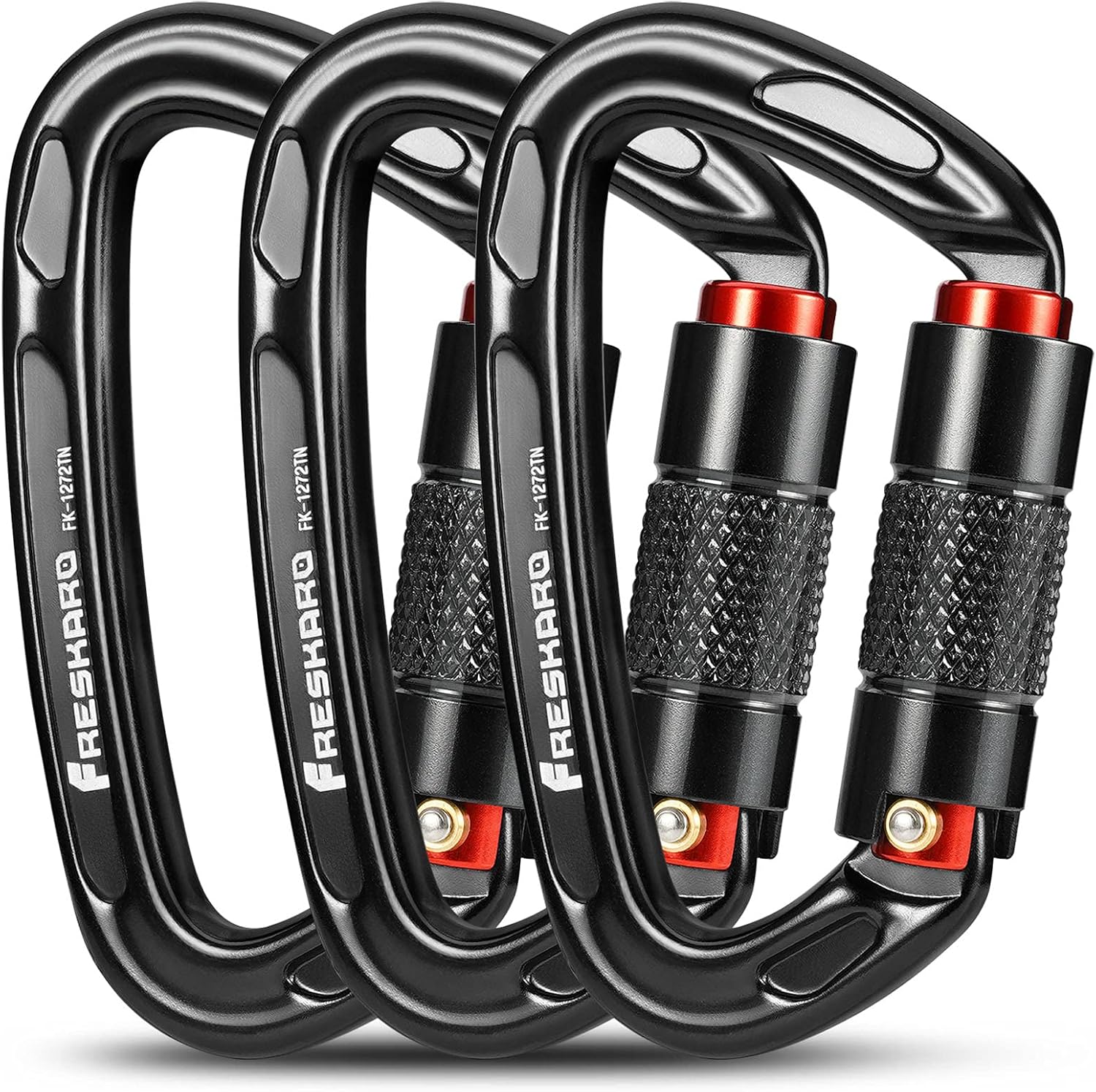
sprookber Stainless Steel Spring Snap Hook Carabiner - 304 Stainless Steel Clips, Set of 6
See current price


TAIZHOU ZOUTIANYA ROPE INDUSTRY CO.,LTD ( 0101 )
X XBEN Outdoor Climbing Rope 10M(32ft) 20M(64ft) 30M(96ft) 50M(160ft) 70M(230ft) 152M(500FT) 352M(1000FT) Static Rock Climbing Rope for Escape Rope Ice Climbing Equipment Fire Rescue Parachute
See current price



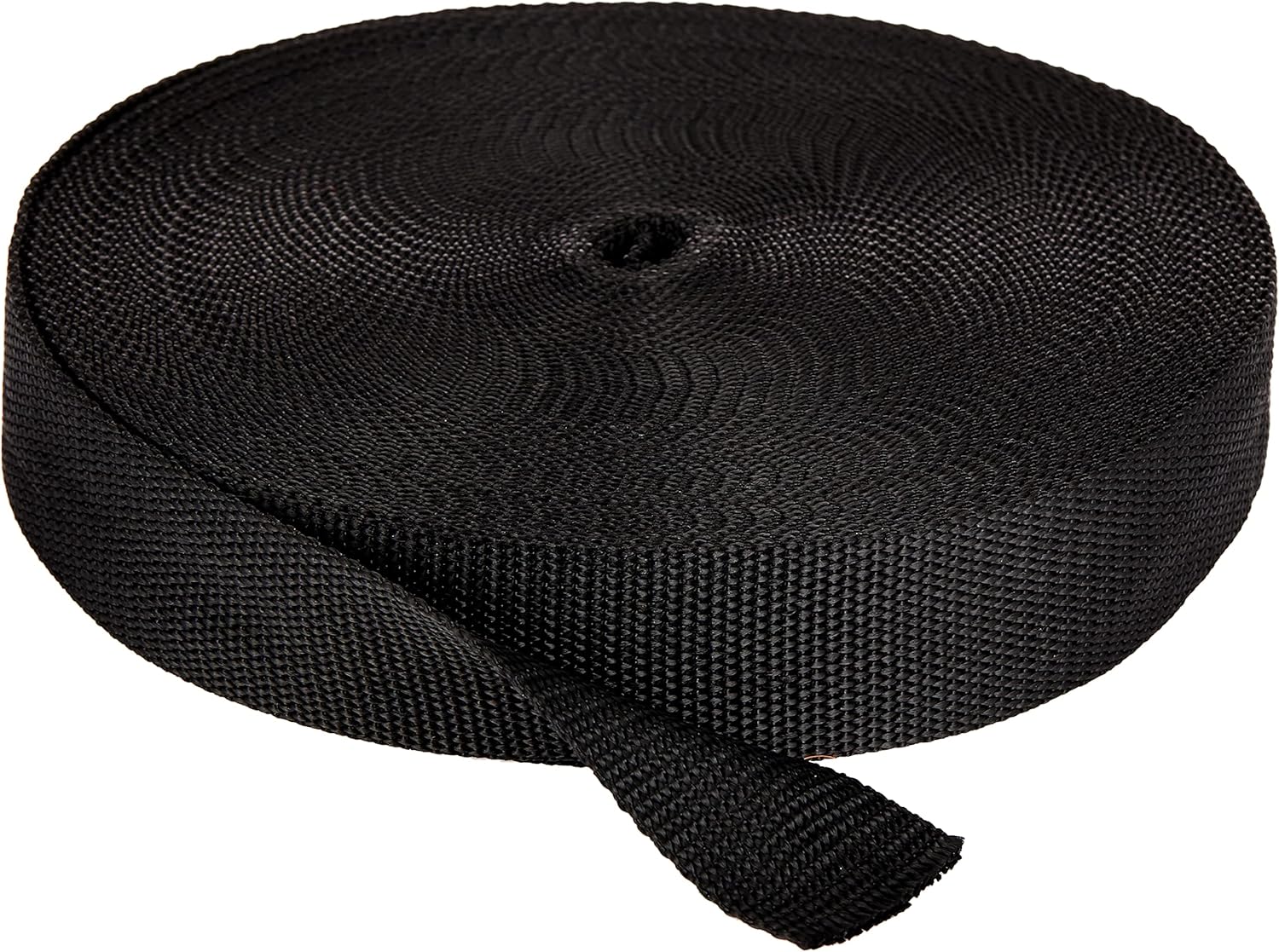
Strapworks
Strapworks Heavyweight Polypropylene Webbing - Heavy Duty Poly Strapping for Outdoor DIY Gear Repair
See current price



BLACK DIAMOND
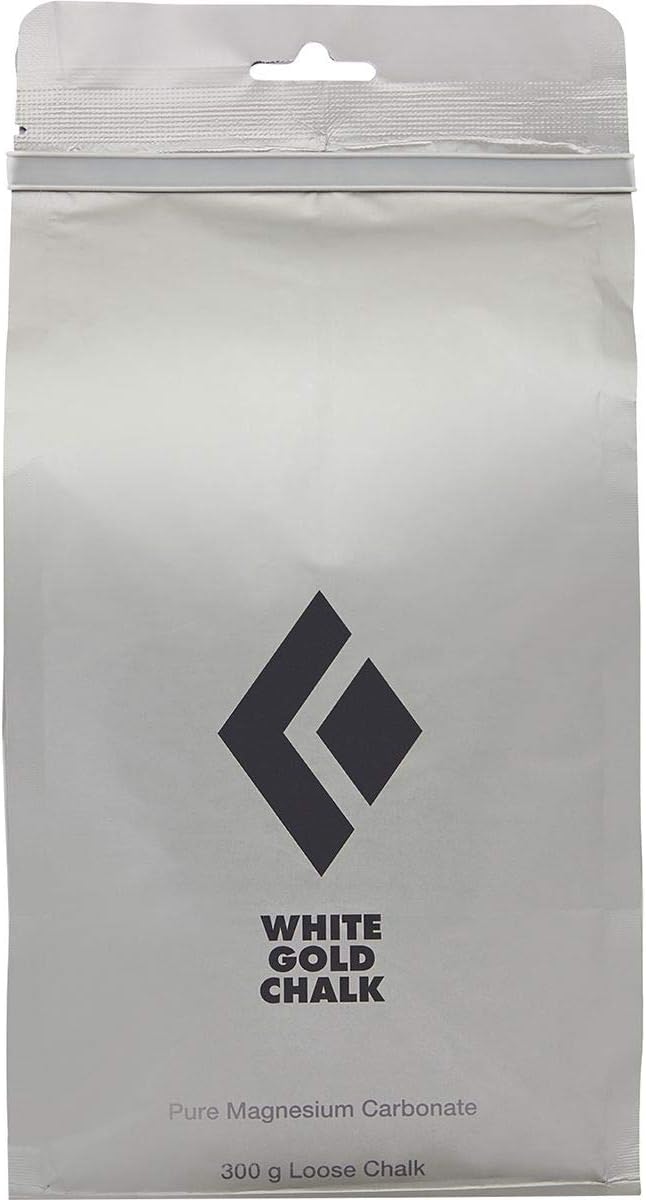
Black Diamond 300 G White Gold Loose Rock Climbing Chalk for Hand Grip
See current price




Popular brands in Climbing
Climbing equipment covers a wide range of gear for indoor walls, bouldering areas, crags, alpine routes, and technical work. The right choice depends on the type of climbing, your experience, the environment, and how each item fits with the rest of your setup.
Use this catalog to compare specifications and features across climbing products, then follow through to Amazon to check the latest product information and current price.
Choose gear for your climbing style
Start by identifying where and how the equipment will be used. Gear designed for a climbing gym may prioritize convenience and repeated handling, while outdoor equipment must account for weather, abrasion, dirt, and storage between outings.
- Bouldering: Focuses on low-height climbing without a rope system. Crash pads, climbing shoes, chalk products, and brushes are common considerations.
- Sport climbing: Uses pre-placed protection and requires compatible rope, harness, belay, and connection equipment.
- Traditional climbing: Requires equipment for placing and managing protection, along with a system suited to longer and more complex routes.
- Mountaineering and ice climbing: May call for gear designed for snow, ice, cold temperatures, and changing terrain.
- Indoor training: Often emphasizes comfort, easy adjustment, durability, and equipment that works well in a controlled facility.
If a product will be used outside, consider how easily it can be inspected, cleaned, dried, and packed. For technical systems, every component should be appropriate for the intended activity and compatible with the rest of the setup.
Main equipment categories to compare
Climbing systems often combine several product types rather than relying on a single item. Start with the category that matches your activity, then check the supporting gear required for safe use.
Ropes and cordage should be compared by construction, intended use, handling characteristics, length, and compatibility with the devices in your system. Check whether a rope is designed for the climbing discipline you practice rather than assuming all ropes serve the same purpose.
Harnesses vary in fit, adjustment, padding, gear storage, and leg-loop design. A comfortable harness should remain secure without restricting movement. Consider how much clothing will be worn underneath and whether the harness is intended for gym sessions, rock climbing, alpine use, or specialized work.
Carabiners, quickdraws, slings, and protection differ in gate style, shape, size, strength markings, and ease of handling. Compare the connection points and operating method with your intended belay, anchor, or protection setup.
Belay and rappel devices should match the rope type and diameter range specified by the manufacturer. Look for clear operating instructions, a design suited to your experience, and compatibility with the rest of the system.
For adjacent outdoor equipment, browse Camping & Hiking and Outdoor Recreation Accessories. These related areas may help when preparing for approaches, overnight trips, or general equipment organization.
Features and specifications that matter
Product pages can differ considerably in the details they provide. Pay close attention to:
- Materials and construction: Look for information about webbing, rope fibers, metal components, stitching, coatings, and wear-resistant elements.
- Fit and adjustability: Harnesses, helmets, gloves, and other wearable gear should have sizing information and adjustment features that suit the intended user.
- Compatibility: Confirm rope diameter ranges, attachment points, gate styles, device requirements, and any stated system limitations.
- Weight and packability: Lightweight gear can be useful for long approaches, while more substantial construction may suit repeated handling or demanding environments.
- Environmental suitability: Check whether the product is intended for indoor climbing, rock, snow, ice, wet conditions, or general outdoor use.
- Markings and instructions: Safety-related equipment should include clear manufacturer information, usage guidance, and inspection recommendations.
Avoid choosing based on appearance alone. Technical gear needs to match the exact application, and a seemingly convenient feature is only useful if it works with the rest of the climbing system.
Brands represented in the catalog
The catalog includes products from Petzl, BLACK DIAMOND, GM CLIMBING, Fding, Psychi, XINDA, Montem, Nite Ize, guangzhouxisuimaoyiyouxiangongsi, Strapworks, VANWALK, and Fusion Climb. Compare these products by specifications, intended use, materials, sizing, and included components rather than relying on brand name alone.
Care, inspection, and compatibility tips
Read the manufacturer’s instructions before using any harness, rope, connector, belay device, helmet, or protection equipment. Inspect gear for cuts, fraying, deformation, damaged stitching, corrosion, contamination, or other signs of wear. Retire equipment according to the manufacturer’s guidance and after any event that could compromise its integrity.
Keep textile equipment clean and dry, store it away from excessive heat and chemicals, and prevent sharp edges from contacting ropes or webbing. Technical climbing systems should be assembled and checked by people who understand the equipment and the activity. Training from a qualified instructor is especially important when learning belaying, rappelling, anchors, or protection placement.
For shoppers comparing other recreational equipment, Accessories can be useful for supporting items. Paintball is another outdoor recreation category, but its equipment serves a different purpose and should not be substituted for climbing gear.
Frequently asked questions
What climbing gear should a beginner compare first?
Start with equipment required for the intended setting, such as climbing shoes, a harness, a helmet where appropriate, and a belay system for roped climbing. Instruction and correct fit are as important as the product features.
How do I know whether climbing equipment is compatible?
Check the manufacturer’s stated requirements for rope type, diameter, attachment points, sizing, and intended activity. Every part of a technical system should work together as specified.
Is indoor climbing gear suitable for outdoor climbing?
Some items may work in both settings, but outdoor use can require different protection, weather resistance, durability, and safety equipment. Verify the product’s intended environment before using it outside.
How should climbing ropes and webbing be stored?
Store them clean, dry, and away from direct heat, chemicals, sharp objects, and unnecessary abrasion. Follow the manufacturer’s care and inspection instructions.
When should climbing gear be replaced?
Replace equipment when it shows damage, unusual wear, contamination, deformation, or an uncertain history. Follow the manufacturer’s retirement guidance and seek qualified advice when condition is unclear.