

CB & Two-Way Radios
Compare CB and two-way radios by communication needs, controls, power, accessories, and compatibility. Use the catalog to narrow down features before checking current availability on Amazon.
921 products in catalog
921 results
Filters
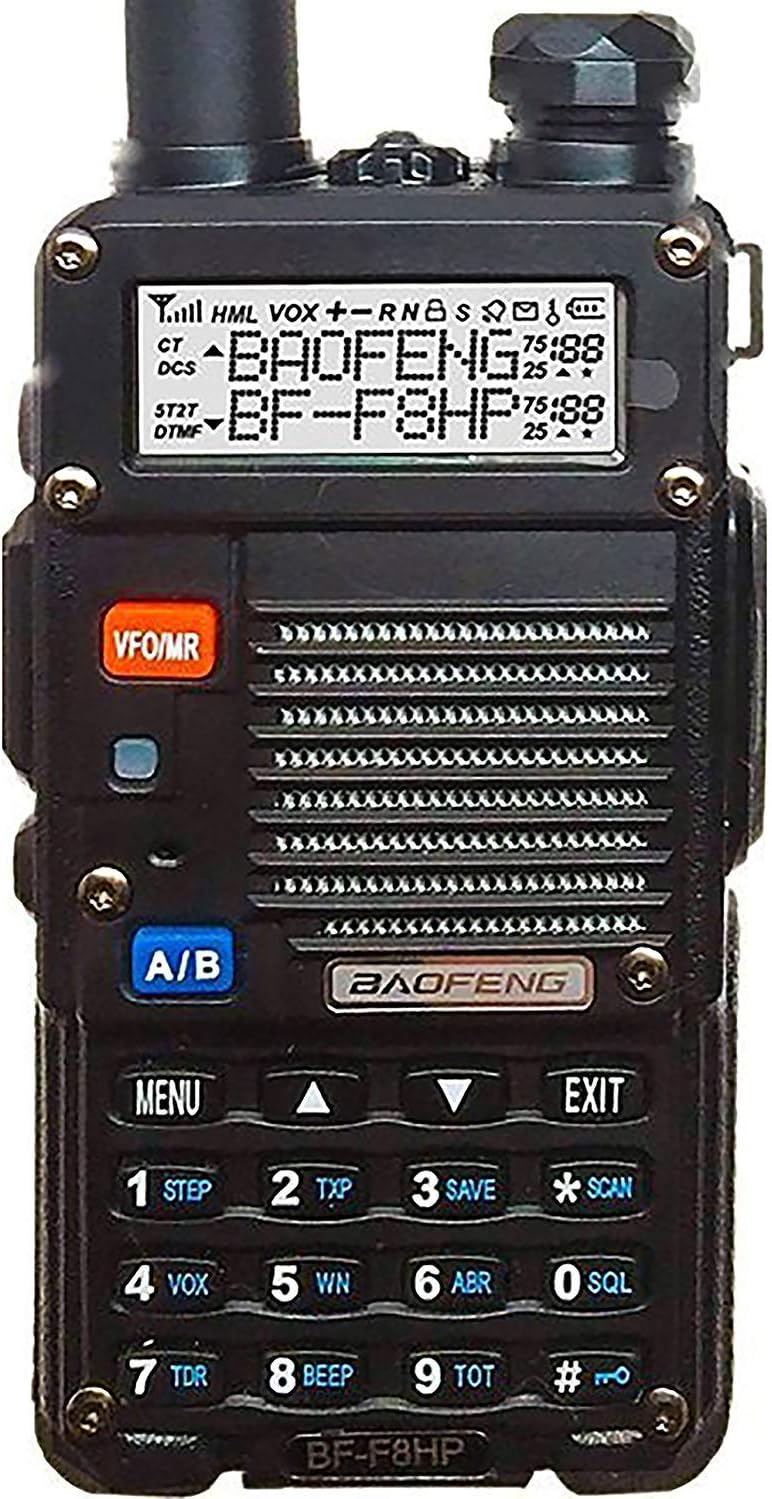


BTECH
BTECH, BaoFeng BL-5 Battery Eliminator for for BF-F8HP, UV-5X3, and UV-5R Radios
See current price






Popular brands in CB & Two-Way Radios
CB and two-way radios provide communication without relying on cellular service, making them useful for driving, outdoor activities, work sites, events, and coordinated group communication. The right choice depends on where the radios will be used, how many people need to communicate, and whether you need a fixed vehicle setup or a portable unit.
K-Catalog helps shoppers compare product specifications and features across this category. For a broader look at audio and communication products, browse the Portable Audio & Video catalog area.
How to choose a radio
Start with the intended use rather than the longest list of features. A vehicle-based CB setup may prioritize microphone controls, antenna compatibility, mounting options, and visibility while driving. A handheld two-way radio may be more suitable for walking, outdoor coordination, event staff, or short-range communication around a property.
Consider these questions before comparing individual products:
- Will the radio be used mainly in a vehicle, indoors, outdoors, or across several settings?
- Does every person in the group need the same type of radio?
- Is portability more important than larger controls or installation flexibility?
- Will the radio be used in bright sunlight, low light, noisy areas, or changing weather?
- Do you already own antennas, chargers, batteries, headsets, or mounting hardware?
Regulatory requirements can differ by radio service and location. Check the applicable rules before operating a radio, especially when evaluating transmit power, channels, antennas, or programmable functions.
CB and two-way radio types
CB radios are commonly considered for vehicle communication and situations where users want access to shared CB channels. When comparing them, pay attention to the radio’s installation format, microphone design, channel controls, display, and antenna connection requirements. A unit intended for a vehicle may not be convenient for carrying on foot.
Handheld two-way radios emphasize portability. They may include rechargeable battery systems, removable batteries, belt clips, charging accessories, channel selection, and hands-free options. These radios can be convenient for families, outdoor groups, work teams, and event coordination, but practical communication distance depends on the environment, obstructions, antenna setup, and radio configuration.
Base or mobile-oriented radios can be a better fit when the device will stay in one location or be installed in a vehicle. Compare mounting needs, power connections, microphone reach, and whether the radio can be moved easily between locations.
Shoppers also comparing general broadcast and listening products may want to see the Radios category, while Portable Speakers & Docks covers products designed primarily for audio playback rather than two-way communication.
Key features and specifications to compare
Channels and channel controls: Check how channels are selected and displayed. If a group already uses specific channels or settings, compatibility with that setup matters more than having features no one will use.
Power and battery options: Portable radios may use rechargeable packs, replaceable batteries, or both. Compare charging methods, included accessories, battery compatibility, and whether spare batteries are available for your planned use.
Antenna and connection options: Antenna design affects installation and portability. For vehicle or fixed installations, verify connector compatibility and make sure the intended antenna and mounting hardware match the radio.
Audio and microphone controls: Look for volume controls that are easy to operate, clear status information, speaker placement, and microphone or headset compatibility. Hands-free accessories can be useful when users need to keep both hands available.
Durability and handling: For outdoor or job-site use, consider construction, protection from dust or moisture, grip, clip design, and how easily the controls can be operated while wearing gloves. Confirm the manufacturer’s stated protection information rather than assuming a radio is weatherproof.
Programming and compatibility: Some radios offer configurable channels or settings. If multiple radios will be used together, compare supported bands, channel settings, accessories, and programming requirements across the entire group.
Brands represented in the catalog
The catalog includes products from BAOFENG, Retevis, Motorola, Midland, Uniden, Cobra, BTECH, HYS, LUITON, Commountain, Workman, and Radioddity. These brands may cover different combinations of handheld, mobile, CB, accessory, and communication-focused designs. Compare the specifications of individual products rather than choosing solely by brand name, since intended use and included equipment can vary.
Setup and buying tips
Before choosing a radio, make a complete accessory checklist. A vehicle installation may require an antenna, mounting solution, power connection, and microphone placement. A portable setup may require extra batteries, a charging dock, belt clip, speaker microphone, or headset.
For group communication, standardize the radios and accessories where possible. Confirm that units can use compatible channels and settings, and test the planned arrangement in the locations where communication will occur. Keep safety in mind around roads, machinery, water, and severe weather, and follow the operating instructions supplied with the radio.
Frequently asked questions
What is the difference between a CB radio and a two-way radio?
CB radios are designed for communication on CB channels, often in vehicle or shared-channel settings. Two-way radios is a broader category that can include portable and mobile radios with different channel systems and operating requirements.
Are handheld two-way radios suitable for every location?
They can be useful in many settings, but buildings, hills, trees, vehicles, interference, antenna design, and radio configuration can affect communication. Evaluate the environment instead of relying on a distance assumption.
Do radios in a group need to be the same model?
Not always. They do need compatible operating bands, channels, settings, and accessories where applicable. Matching models can simplify setup, charging, programming, and replacement.
What accessories might be needed?
Depending on the radio, useful accessories can include antennas, batteries, chargers, mounting hardware, belt clips, speaker microphones, headsets, and protective cases. Check what is included before selecting a product.
Do I need to check operating rules before buying?
Yes. Radio services can have different operating requirements. Review the rules that apply to the radio type, location, power, channels, and intended use before transmitting.