
Radios
Compare radios by reception, power, tuning, power options, and useful extras. Browse specifications to find a model suited to home listening, travel, emergencies, or everyday use.
529 products in catalog
529 results
Filters

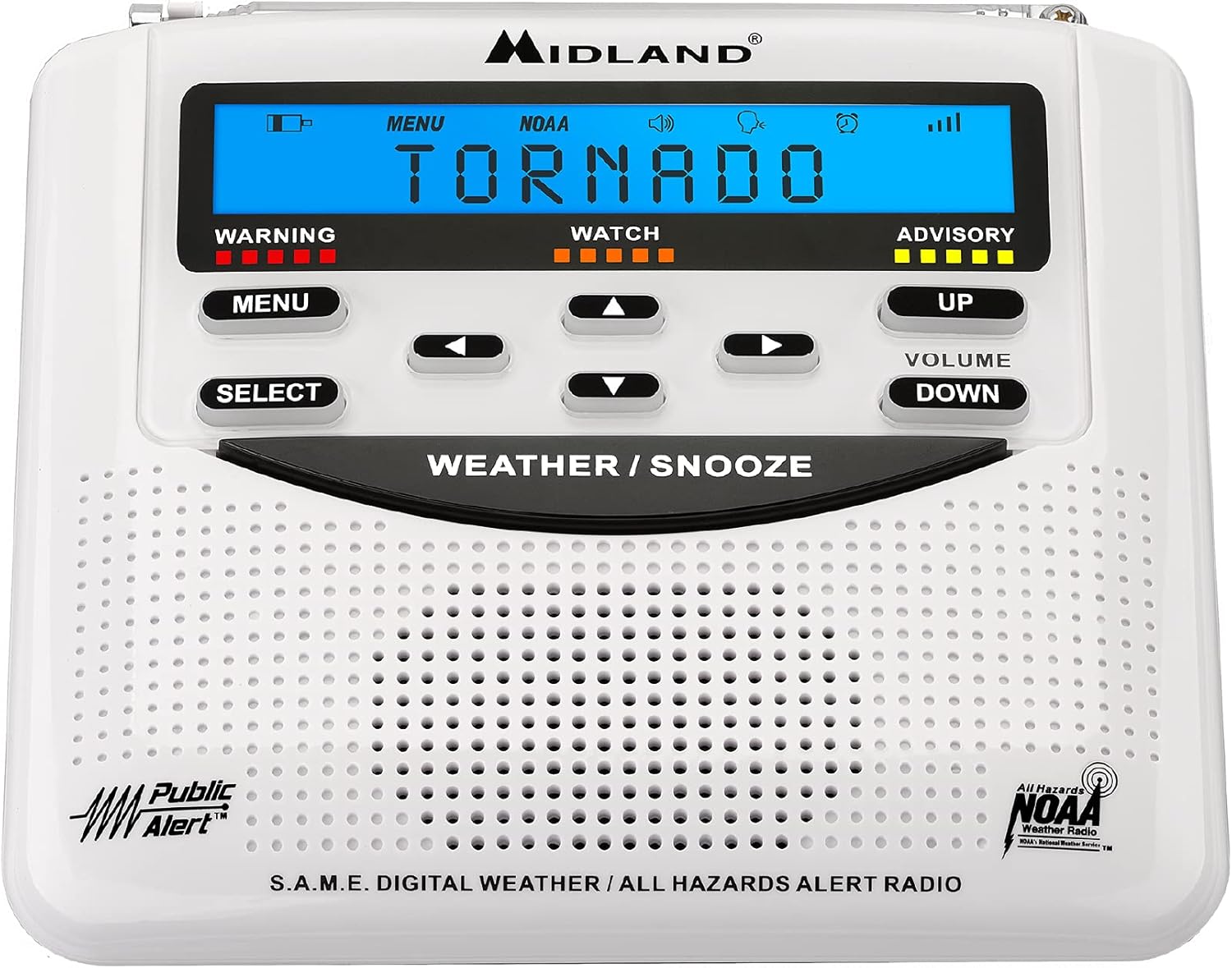


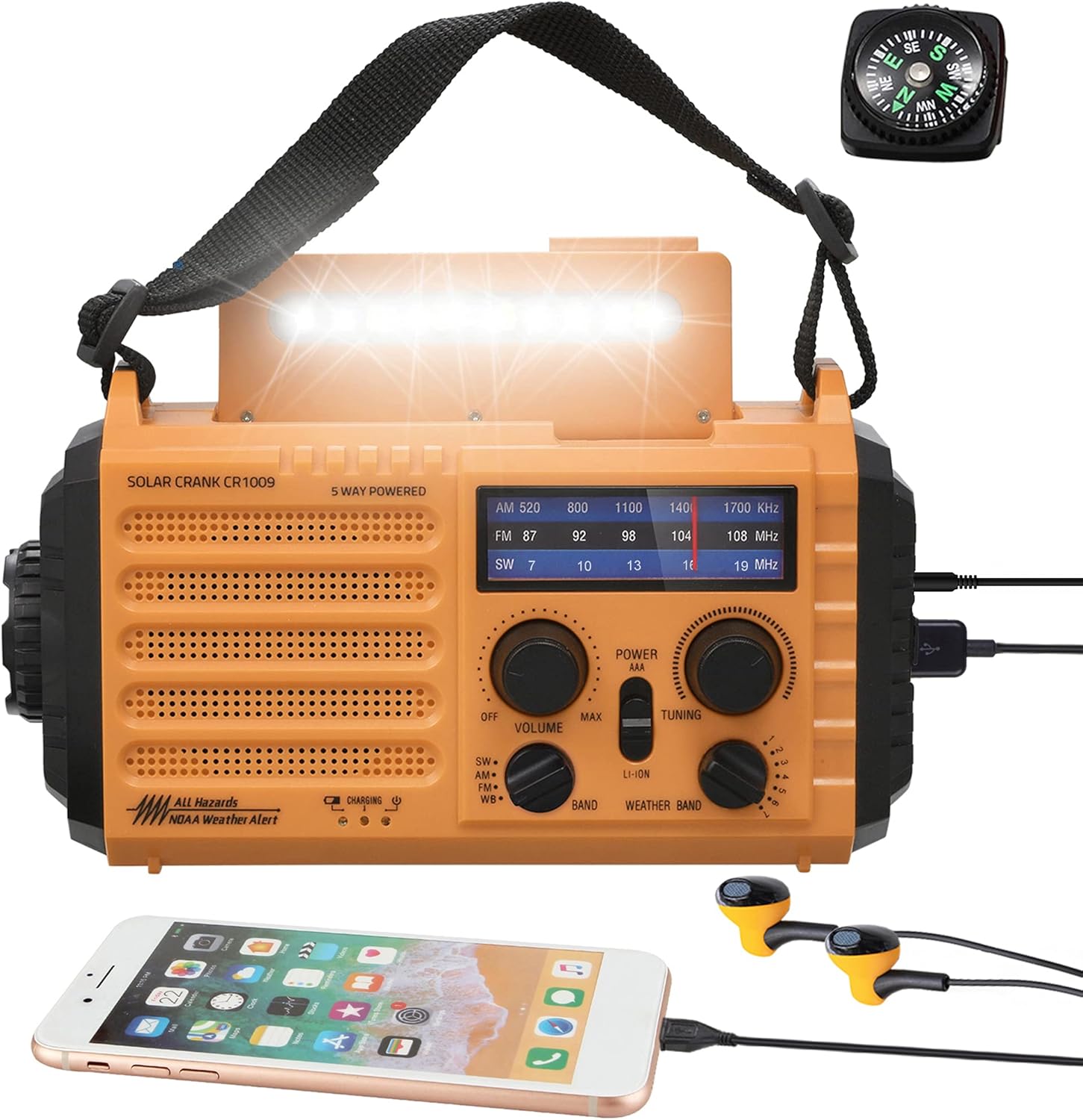


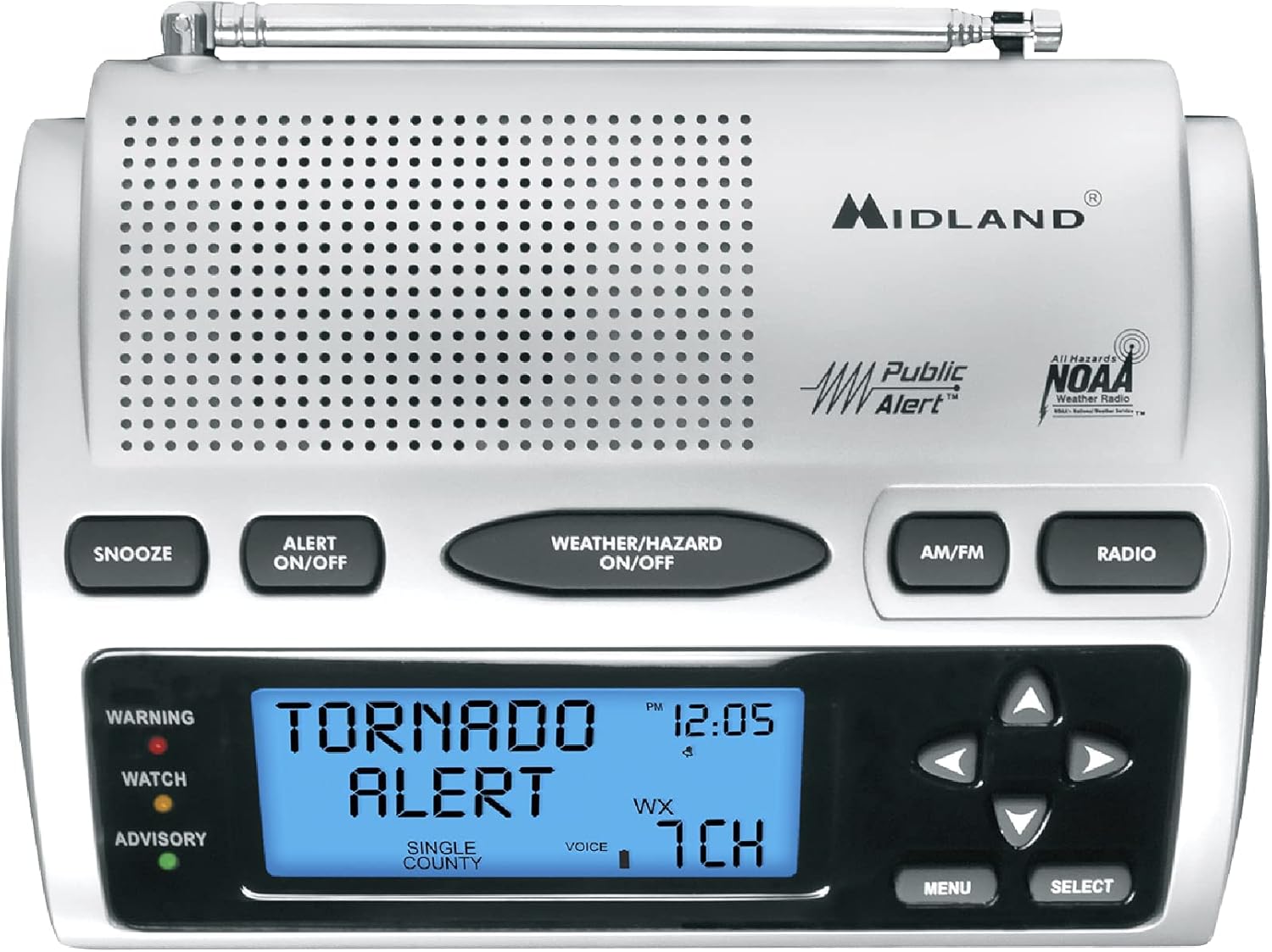


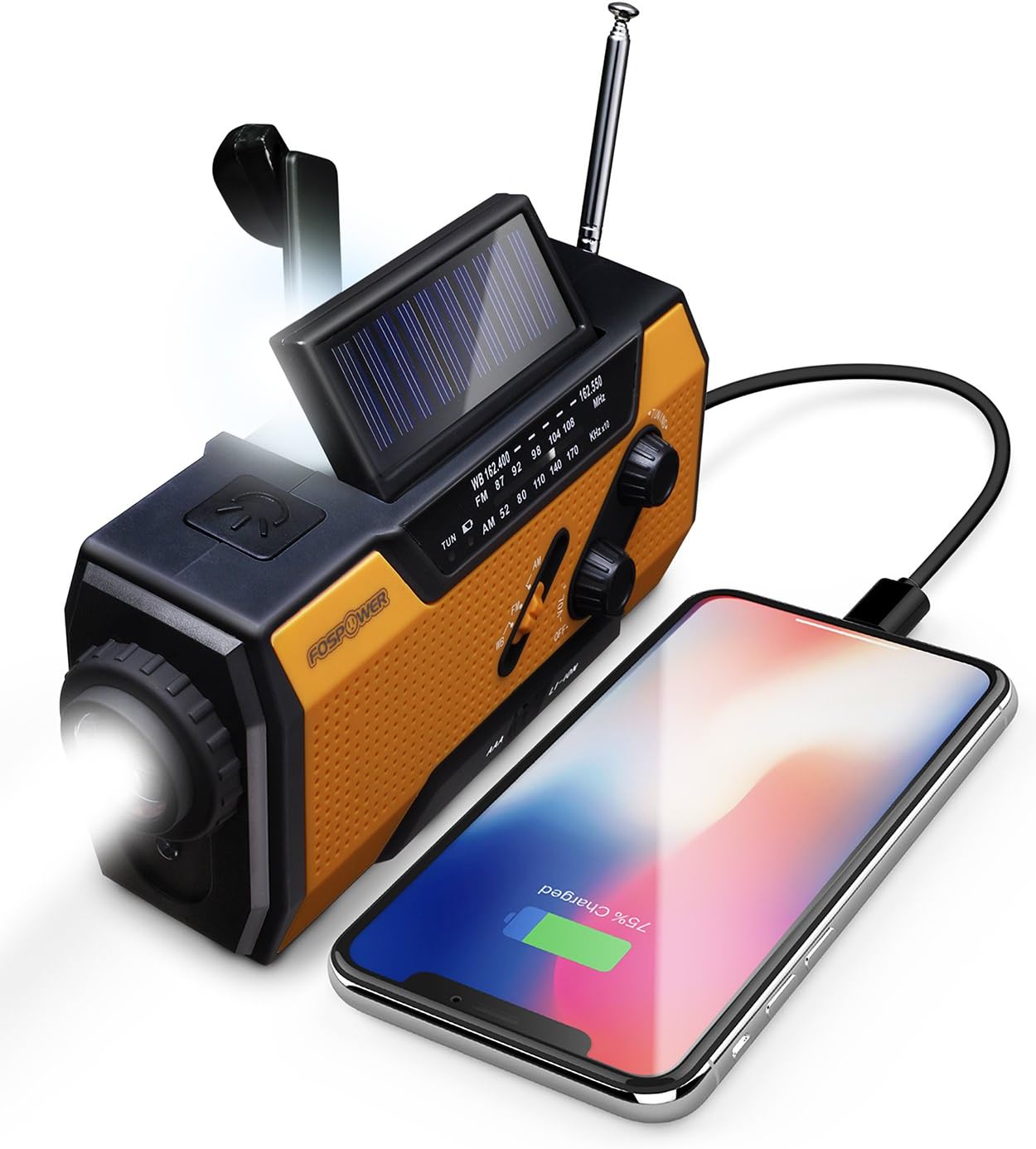
Popular brands in Radios
Radios remain a practical way to listen to news, music, weather information, talk programs, and local broadcasts without relying on a phone or internet connection. The right choice depends on where you plan to use the radio, which broadcasts you want to receive, and how important portability or emergency features are.
This K-Catalog section brings together radios from brands including Sony, Sangean, Eton, PRUNUS, Kaito, TECSUN, Retekess, Midland, VONDIOR, C. Crane, Greadio, and RadioShack. Compare each product’s specifications and features before visiting the retailer for current availability and purchasing information.
How to choose a radio
Start with the listening environment. A compact radio may suit a desk, kitchen, bedside table, or travel bag, while a larger cabinet-style design may be easier to operate at home. If the radio is intended for outdoor use or emergency preparation, battery life, charging options, reception range, and durability may matter more than appearance.
Consider these questions before comparing individual models:
- Which broadcast bands do you need, such as AM or FM?
- Will the radio stay in one place or travel regularly?
- Do you prefer physical controls, digital tuning, or presets?
- Is battery operation important, or will the radio usually be near an outlet?
- Would features such as weather alerts, a clock, a flashlight, or a headphone output be useful?
Common radio types and uses
Portable radios are designed for flexible listening around the home, at work, while camping, or during travel. Look for a manageable size, a clear tuning system, and a power setup that matches your routine. Models using replaceable batteries can be convenient away from outlets, while rechargeable designs may reduce the need to carry spare batteries.
Tabletop and home radios often prioritize easy controls, readable displays, speaker performance, and consistent access to household power. These can be a good fit for bedrooms, kitchens, offices, or living spaces where the radio will remain in one location.
Emergency and weather radios may include features intended for preparedness, such as weather-band reception, alert functions, hand-crank or solar charging, battery backup, or an integrated light. Check the exact specification list carefully because these features vary by model.
Shortwave radios are intended for listeners who want access to a broader selection of international or distant broadcasts. Reception can depend on location, antenna design, time of day, and surrounding interference, so compare the supported bands and antenna details rather than relying on the product name alone.
Key specifications to compare
Reception capability is one of the most important distinctions between radios. Confirm which bands a model supports and whether it offers analog tuning, digital tuning, station presets, or automatic scanning. A digital display can make it easier to return to a particular frequency, while a traditional dial may appeal to shoppers who prefer simple controls.
Power specifications also deserve attention. Compare the required battery type, rechargeable battery details, USB charging support, AC operation, and any stated battery information. If you expect to use the radio during travel or outages, consider whether the charging method is practical when no wall outlet is available.
Audio and usability features can affect everyday satisfaction. Review speaker configuration, volume controls, tone settings, headphone compatibility, display readability, antenna design, alarm or clock functions, and memory presets. For shared spaces, a strong speaker and straightforward controls may be more useful than advanced tuning features.
Size, controls, and portability
Dimensions and weight help determine whether a radio will fit on a nightstand, in a backpack, or on a crowded shelf. Check product measurements rather than judging size from photos. Also consider button layout, dial spacing, display visibility, and whether the controls are comfortable to use in low light or by someone with limited dexterity.
A telescoping antenna may be useful for positioning the radio for better reception, while a built-in handle or wrist strap can make transport easier. If you plan to use a radio outdoors, review any stated information about construction and protection instead of assuming that a portable design is weather-resistant.
Brands represented in the catalog
The Radios catalog includes products from Sony, Sangean, Eton, PRUNUS, Kaito, TECSUN, Retekess, Midland, VONDIOR, C. Crane, Greadio, and RadioShack. These brands may focus on different combinations of compact design, home listening, emergency functions, or advanced band coverage. Compare the specifications of individual products rather than choosing by brand name alone.
For adjacent listening and communication products, browse Portable Speakers & Docks, Boomboxes, or CB & Two-Way Radios. Shoppers looking for recorded or stored audio may also want to compare MP3 & MP4 Players and Digital Voice Recorders.
Frequently asked questions
What type of radio is best for travel?
A compact portable radio with dependable battery operation, simple tuning, and a durable design is often the most practical choice. Check its dimensions, weight, and charging requirements before buying.
Do all radios receive the same stations?
No. Reception depends on the bands supported by the radio, the antenna, the location, and local signal conditions. Compare the listed bands with the broadcasts you want to hear.
Are digital tuning radios better than analog models?
Neither is universally better. Digital tuning can make frequency selection and presets easier, while analog controls may offer a simpler, more traditional experience. Choose based on how you prefer to operate the radio.
What should I look for in an emergency radio?
Check power options, battery backup, weather-band or alert support, charging methods, reception capabilities, and any included light or signaling features. Verify each feature in the specifications.
Can a radio work without an internet connection?
Many traditional radios receive broadcasts directly through an antenna and do not require internet access. Confirm the product’s power and reception requirements for the intended use.