
Ceiling Lights for Every Room and Style
Compare ceiling lights by design, illumination, mounting style, and compatibility. K-Catalog helps you review specifications and features before choosing a fixture for your space.
2,544 products in catalog
2,544 results
Filters


Designers Fountain
Designers Fountain 11 inch 2-Light Flush Mount Ceiling Light Fixture, Pewter, 1257S-PW-AL
See current price



Westinghouse Lighting
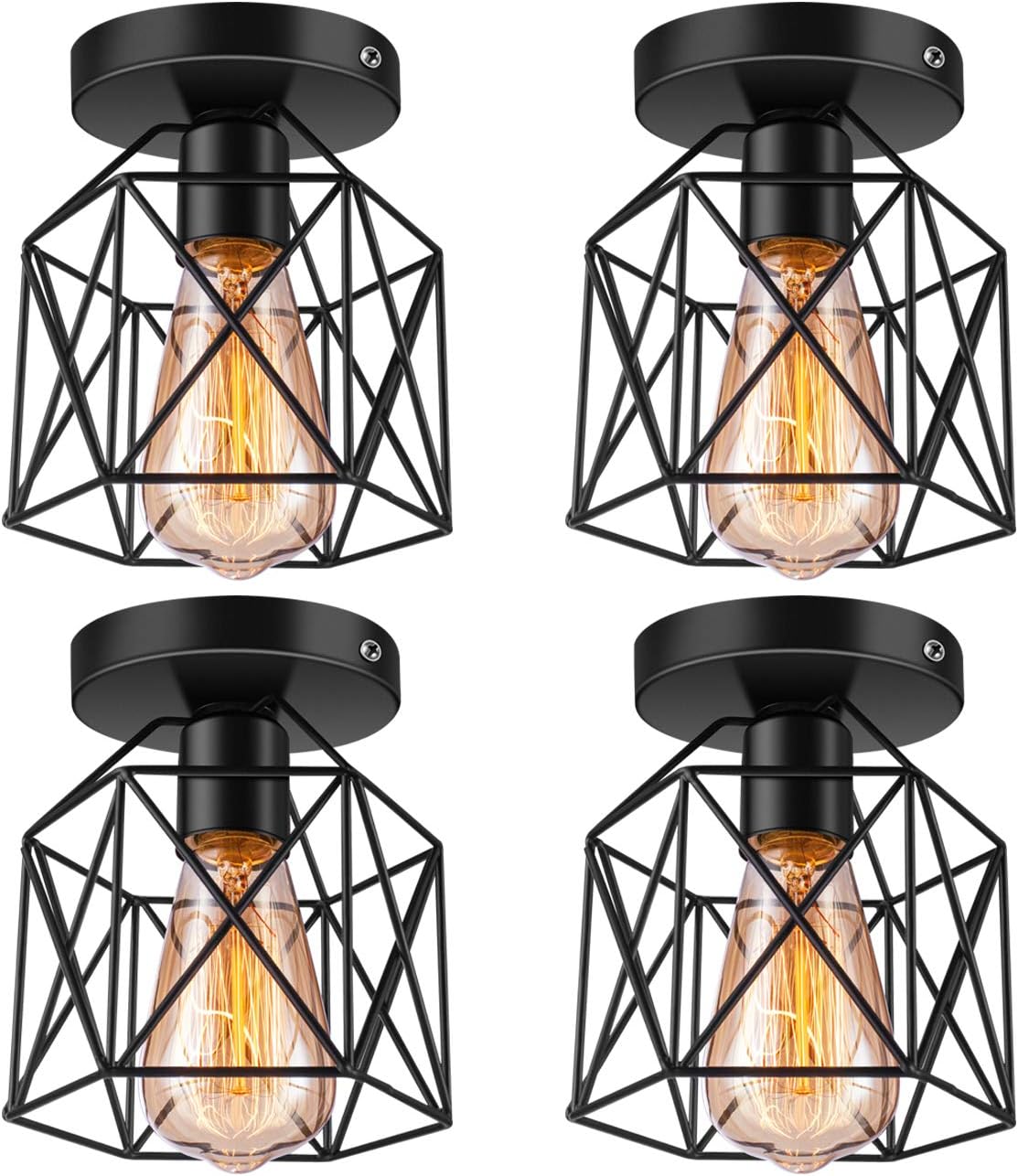
Westinghouse Lighting 6100700 One-Light Indoor Mini Pendant, Brushed Nickel Finish with Clear Seeded Glass
See current price


Progress Lighting
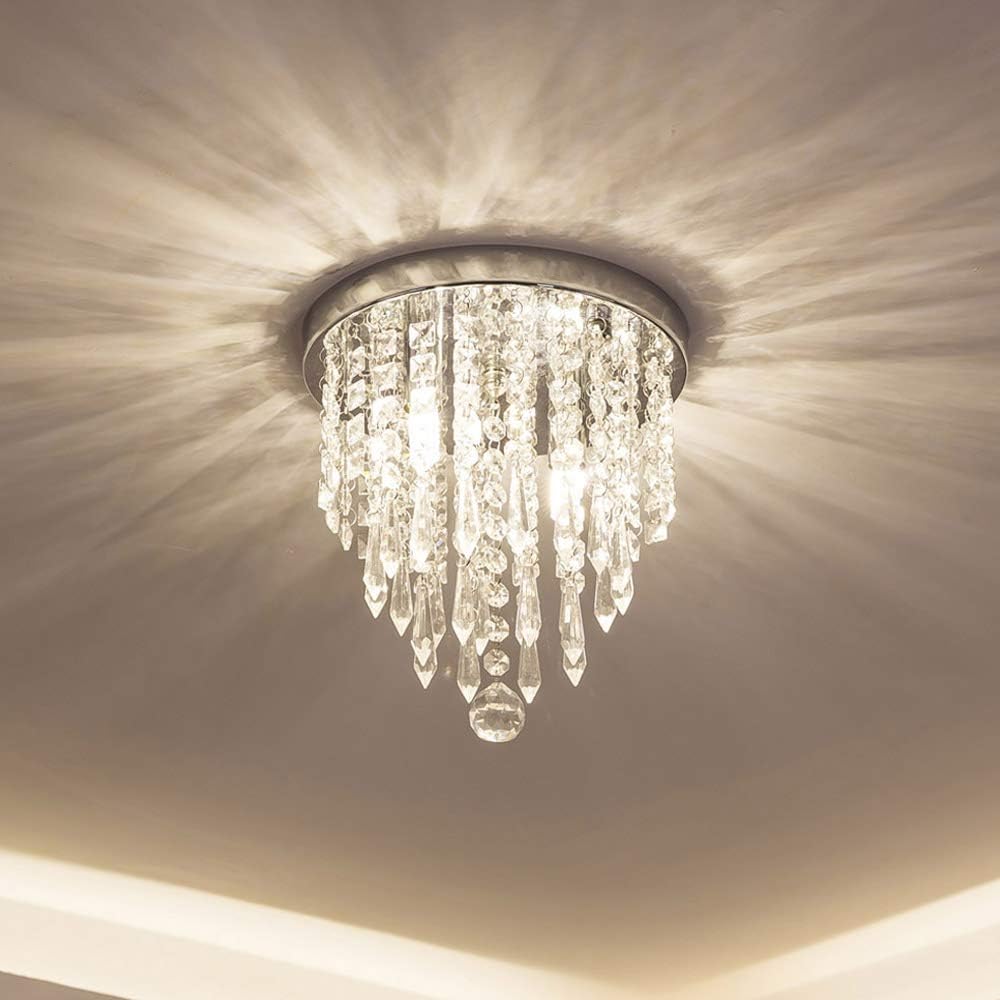
Progress Lighting Briarwood Collection 1-Light Cerused Black Farmhouse Flush Mount Ceiling Light
See current price

CLOUDY BAY
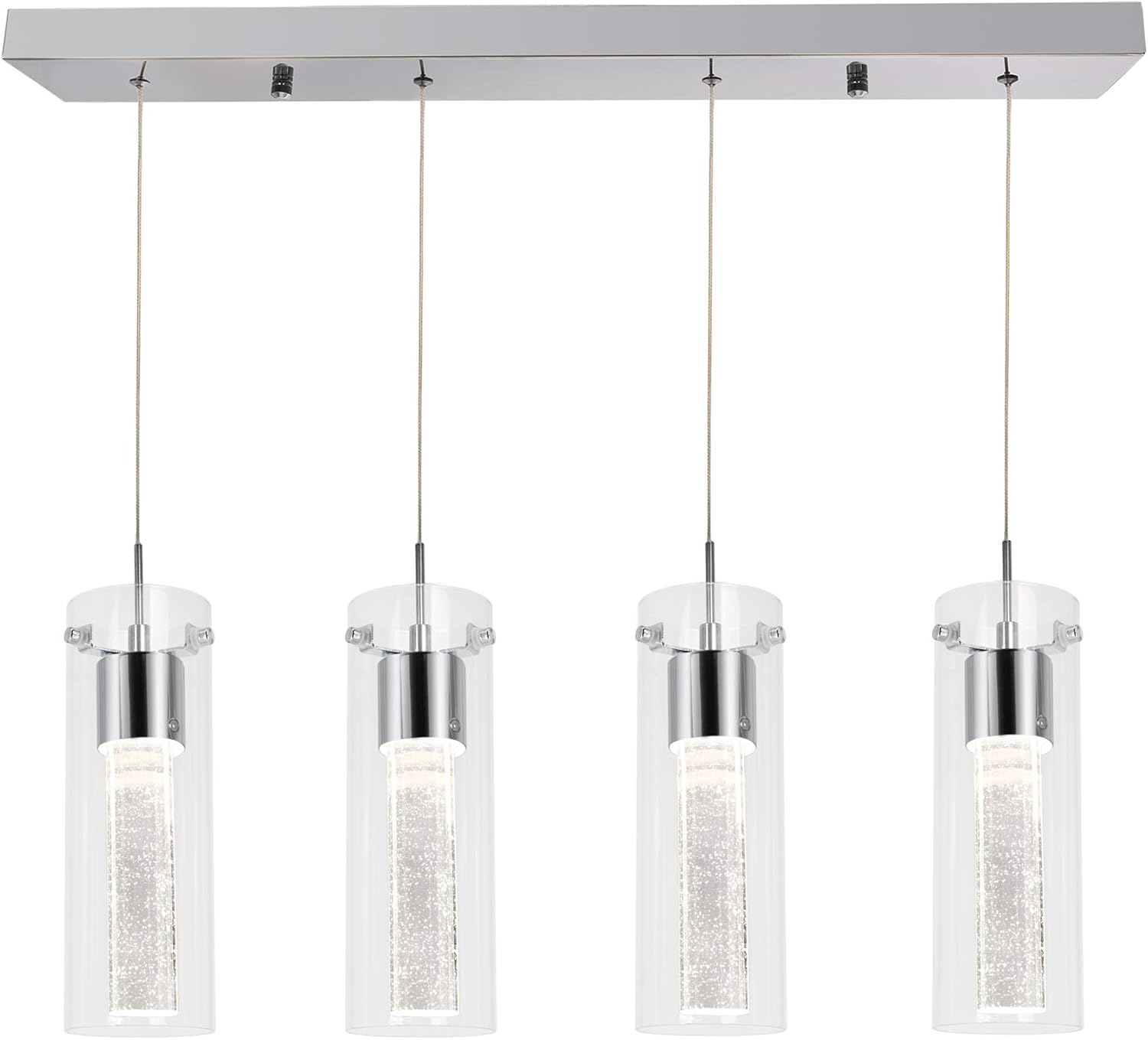
CLOUDY BAY 7.5 inch LED Ceiling Light,12W 840lm,5000K Day Light,LED Flush Mount,White,Wet Location
See current price
Popular brands in Ceiling Lights
Ceiling lights provide general illumination while helping define the look and atmosphere of a room. The right fixture depends on more than appearance: ceiling height, room size, bulb or LED setup, light direction, and installation requirements all affect how well it will work.
Use this catalog to compare ceiling fixtures from brands represented here, then check the complete product details before making a purchase decision.
How to choose ceiling lights
Start by considering the room and the role the fixture needs to play. A hallway, bedroom, kitchen, bathroom, and living room may all require different combinations of brightness, coverage, and style.
- Match the fixture to the ceiling: Low-profile designs are practical where headroom is limited, while fixtures with a hanging element can suit rooms with more vertical space.
- Consider the lighting purpose: Look for broad, even illumination for general use, or a more directed design when you want to emphasize a table, seating area, or architectural feature.
- Check the room’s visual style: Finish, shade shape, hardware, and silhouette should work with existing furniture and other lighting.
- Review installation requirements: Confirm how the fixture mounts, whether a compatible electrical box is required, and whether professional installation may be appropriate.
The broader Lighting & Ceiling Fans category can help when comparing ceiling fixtures with other indoor lighting options.
Common types of ceiling lights
Ceiling lights vary in how far they extend from the ceiling and how they distribute light. Understanding the main forms makes product specifications easier to compare.
- Flush-mount lights: These sit close to the ceiling and are often suitable for bedrooms, hallways, entryways, and rooms with limited headroom.
- Semi-flush-mount lights: These hang slightly below the ceiling, combining a compact profile with more decorative presence.
- Pendant-style ceiling fixtures: A suspended design can create a focal point over a dining area, kitchen island, or seating zone. Check the hanging length and adjustment options carefully.
- Track and directional fixtures: Multiple adjustable heads can help direct light toward specific areas, artwork, work surfaces, or room features.
- Recessed-style fixtures: These offer a streamlined appearance, but installation may depend on ceiling construction, housing requirements, and wiring access.
- Decorative and novelty designs: Unusual shapes, shades, and finishes can make the light a prominent design element. For more specialized decorative options, compare Novelty Lighting.
Specifications and features to compare
Product pages can differ substantially even when two fixtures look similar. Pay close attention to the details below.
Bulbs and light source
Check whether the fixture uses replaceable bulbs or an integrated LED light source. For bulb-based designs, verify the required bulb type, base, wattage limit, and number of sockets. For integrated LED fixtures, review the stated light color, dimming compatibility, and whether the light source is serviceable or replaceable.
Brightness and color
Brightness should suit the room’s function and the fixture’s intended coverage. If listed, compare lumen output rather than relying only on appearance. Color temperature affects the atmosphere: warmer light often feels more relaxed, while cooler light can appear more task-oriented. A dimmable fixture may provide more flexibility, but the dimmer and wiring must be compatible.
Size and coverage
Compare the fixture’s overall dimensions with the available ceiling area, nearby furniture, and door clearance. For a large room, a small fixture may leave areas poorly illuminated; a large or visually heavy fixture can overwhelm a compact space. Consider whether one central light is sufficient or whether additional wall lights or lamps will be needed.
Materials and finish
Look at the shade or diffuser material, frame construction, finish, and cleaning requirements. Glass, fabric, acrylic, metal, and plastic can each create a different appearance and light effect. A diffuser can soften glare, while an open shade may expose the bulb and create stronger visual contrast.
Brands represented in the catalog
Ceiling lights in this catalog include products from GETINLIGHT, Globe Electric, Westinghouse Lighting, Kira Home, DINGLILIGHTING, OSTWIN, Hykolity, HMVPL, Lithonia Lighting, Ganeed, Progress Lighting, and Emliviar. Compare each product by its own specifications rather than choosing by brand name alone, since mounting method, light source, dimensions, and included components can vary across a brand’s range.
Installation, compatibility, and care
Before ordering, confirm that the ceiling junction box, wiring, mounting hardware, and fixture weight are compatible. Check whether the product includes bulbs, a canopy, a remote, or other components listed in its specifications. For bathrooms, covered porches, or other areas exposed to moisture, verify the fixture’s suitability for that location rather than assuming an indoor light can be used there.
Turn off power before cleaning or replacing bulbs, and follow the manufacturer’s instructions. Use only compatible bulbs and stay within the stated wattage or electrical limits. If wiring, ceiling support, or installation access is uncertain, consult a qualified electrician.
For alternatives by placement, browse Wall Lights, Lamps & Shades, or Ceiling Fans & Accessories. Outdoor applications may call for products in Outdoor Lighting, while workspaces and larger facilities may be better served by Commercial Lighting.
Frequently asked questions
What type of ceiling light is best for a low ceiling?
Flush-mount and other low-profile fixtures are usually the easiest choices for preserving headroom. Compare the fixture depth and installation clearance before selecting one.
Should ceiling lights use bulbs or integrated LEDs?
Bulb-based fixtures allow replacement and can offer flexibility in bulb style. Integrated LEDs may provide a streamlined design, but check dimming, color, and replacement information before buying.
How do I choose the right ceiling light size?
Compare the fixture dimensions with the room, ceiling area, nearby furniture, and desired visual impact. Also consider whether the light needs to illuminate the entire room or a defined zone.
Are all ceiling lights dimmable?
No. Check the product specifications for dimming support, then confirm that the intended bulbs, dimmer switch, and electrical setup are compatible.
Can I install a ceiling light myself?
Installation depends on the fixture, existing wiring, ceiling box, and local requirements. If any of these are uncertain, use a qualified electrician and follow the manufacturer’s instructions.