

Outdoor Lighting
Compare outdoor lighting by placement, power source, brightness, weather resistance, controls, and installation. This catalog brings together options for entrances, walkways, patios, gardens, and security needs.
8,747 products in catalog
8,747 results
Filters






![SEZAC Solar Lights Outdoor [6 Pack/3 Working Mode], Solar Security Lights Solar Motion Sensor Lights Wireless IP 65 Waterproof Outdoor Lights for Garden Fence Patio Garage (42 LED)](https://m.media-amazon.com/images/I/71znPfJ1teL._AC_SL1500_.jpg)





Popular brands in Outdoor Lighting
Outdoor lighting can make exterior spaces easier to use after dark while helping define paths, entrances, patios, decks, and garden areas. The right choice depends on where the light will go, how much illumination is needed, and whether you want a permanent installation or a flexible, low-maintenance option.
Use this category to compare specifications and features across outdoor fixtures and accessories. Before choosing, consider the location, available power, exposure to weather, control method, and the amount of upkeep you are willing to handle.
How to choose outdoor lighting
Start by identifying the job the light needs to perform. Decorative lighting can add atmosphere to a patio or garden, while task lighting should make steps, doors, cooking areas, or seating areas easier to see. Security-oriented lighting generally benefits from broad coverage, strong illumination, or automatic activation.
Consider these factors:
- Location: Choose lighting designed for the area where it will be installed, such as a wall, pathway, deck, porch, fence, tree, or open yard.
- Power source: Plug-in, hardwired, battery-powered, and solar options each have different installation and maintenance requirements.
- Light direction: Downward, upward, wide-angle, and focused beams create different effects and coverage patterns.
- Control method: Look for manual switches, remotes, timers, dusk-to-dawn operation, or motion activation when convenient control matters.
- Installation: Check whether the fixture needs mounting hardware, an outdoor outlet, wiring, a stake, hanging support, or another suitable surface.
The surrounding environment matters as well. A light exposed to rain, snow, humidity, dust, or sprinklers should have an outdoor-suitable construction and clearly stated protection information.
Common outdoor lighting types
Outdoor lighting includes several formats, and each suits a different placement or purpose. When browsing, compare the fixture style with the area you want to illuminate rather than choosing based only on appearance.
Path and landscape lighting
Path lights and landscape fixtures are intended to add visibility along walkways, garden borders, driveways, and planting areas. Spacing, beam spread, mounting height, and stake stability are important factors. Solar models can be convenient where running wiring is difficult, while wired options may be more suitable when consistent operation is a priority.
String and decorative lights
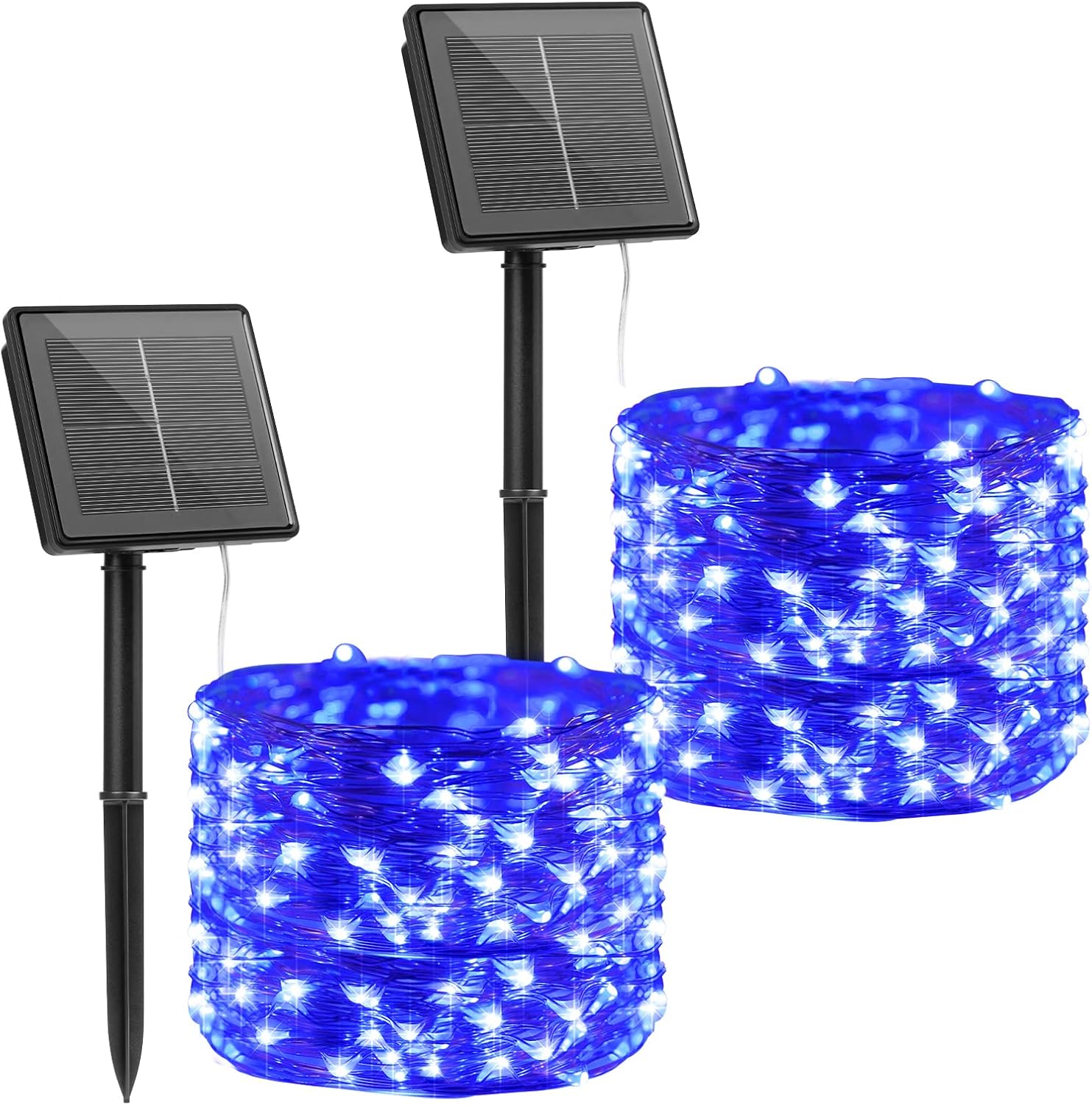
String lights are often used on patios, pergolas, balconies, fences, and outdoor entertaining areas. Compare the total illuminated length, spacing between bulbs, cable construction, hanging method, power connection, and available modes. Look for weather-suitable details when the lights will remain outdoors rather than being installed temporarily.
Wall and entry lighting
Wall-mounted fixtures can illuminate doors, porches, garages, and exterior walkways while contributing to the look of a building. Check the mounting requirements, light direction, switch or sensor compatibility, and whether the fixture fits the available electrical box or surface. For related wall-mounted options, browse Wall Lights.
Motion and security lighting
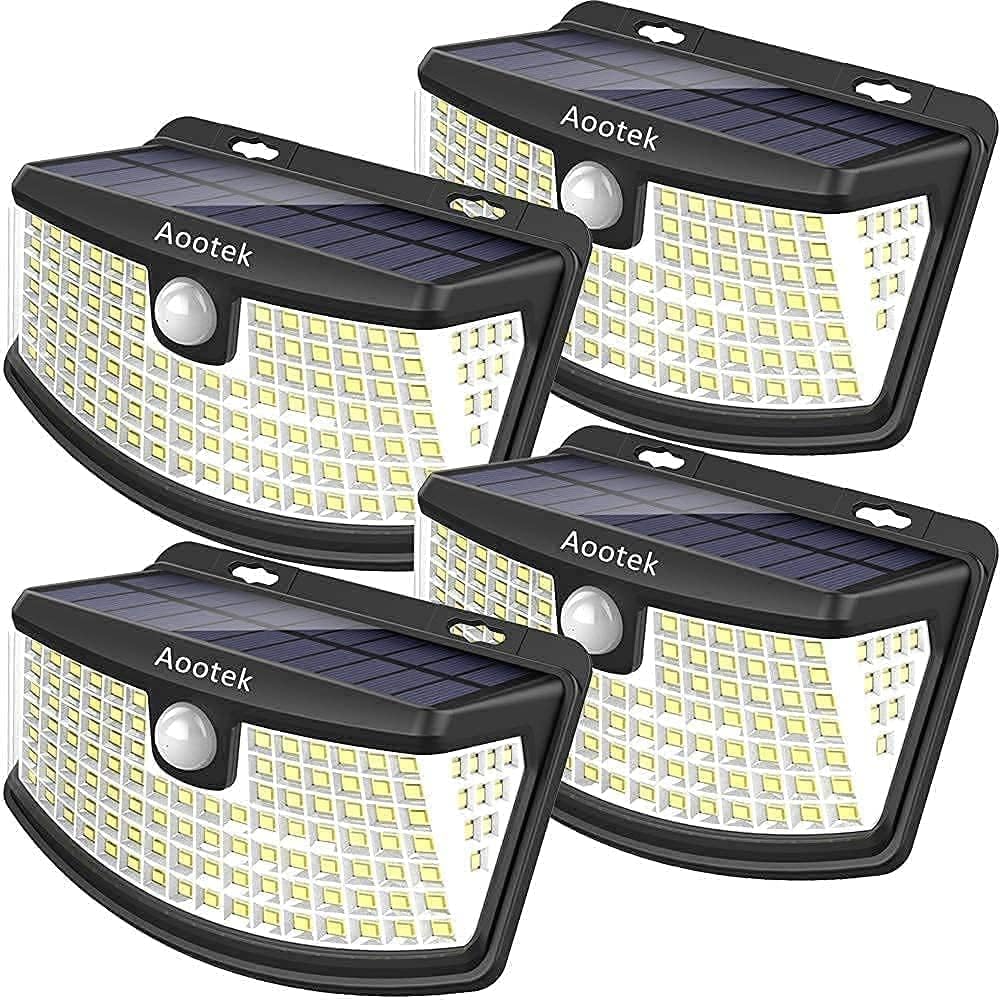
Motion-activated lighting can provide illumination when movement is detected and may help reduce unnecessary operation. Compare detection range, sensing angle, activation duration, adjustment options, and whether the light uses batteries, a plug, or fixed wiring. Placement is especially important: obstructions, traffic from nearby areas, and the height of the fixture can affect performance.
Spotlights and floodlights
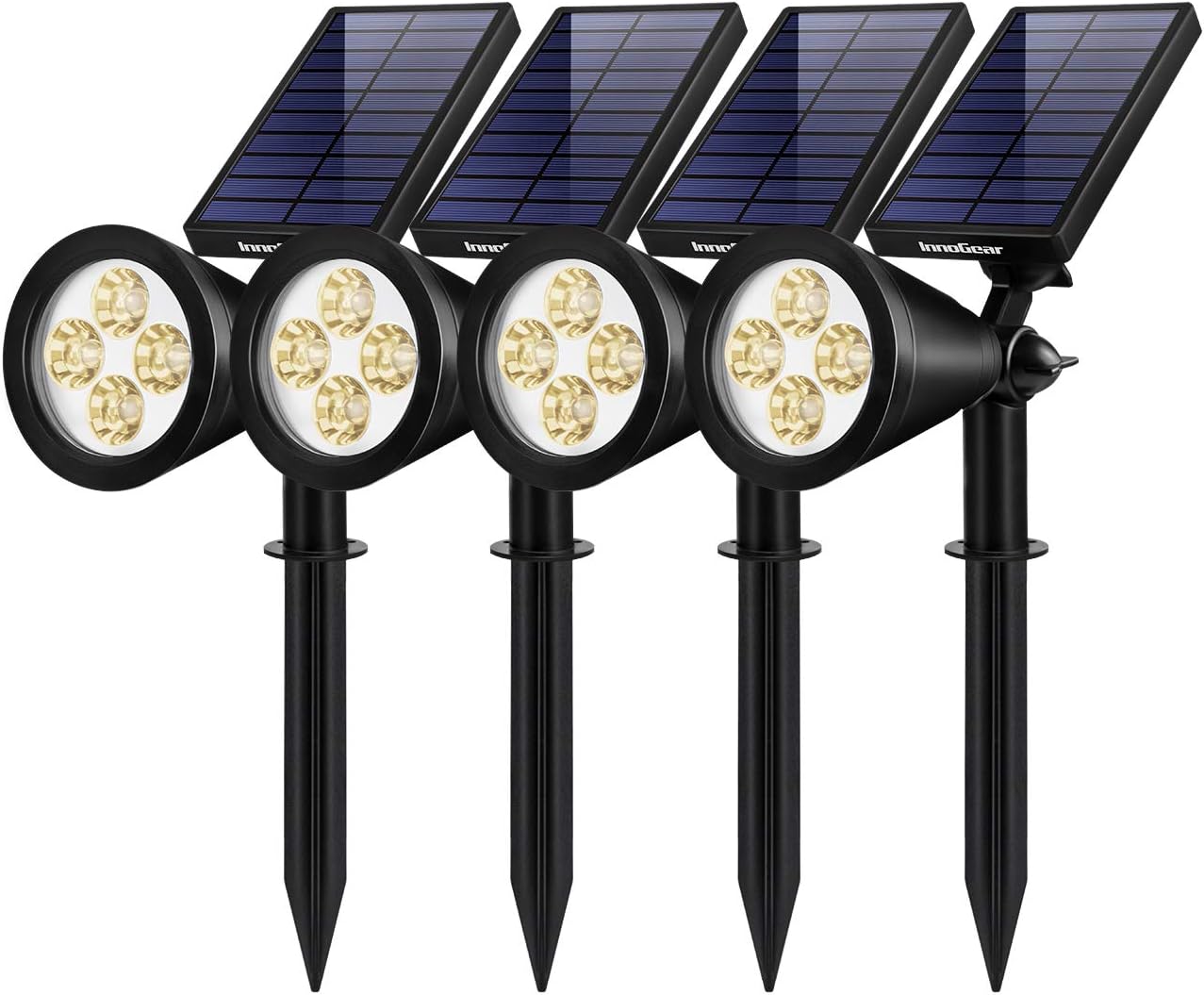
Spotlights direct light toward a particular feature, entrance, sign, or section of a yard. Floodlights generally cover a broader area. Compare beam angle, aiming adjustment, mounting flexibility, brightness specifications, and the intended viewing distance. Avoid aiming bright fixtures toward neighboring windows or areas where glare could be a problem.
Key specifications and features to compare
Outdoor lighting listings can use different terminology, so compare specifications in context. Lumens describe the amount of visible light, while color temperature indicates whether the light appears warmer or cooler. A warmer appearance may suit entertaining spaces, while a cooler appearance can be useful where clear visibility is the priority.
Also check:
- Bulb or LED design: Integrated LEDs and replaceable bulbs have different servicing and replacement considerations.
- Battery details: For battery-powered fixtures, check the battery type, replacement process, and any stated operating or charging information.
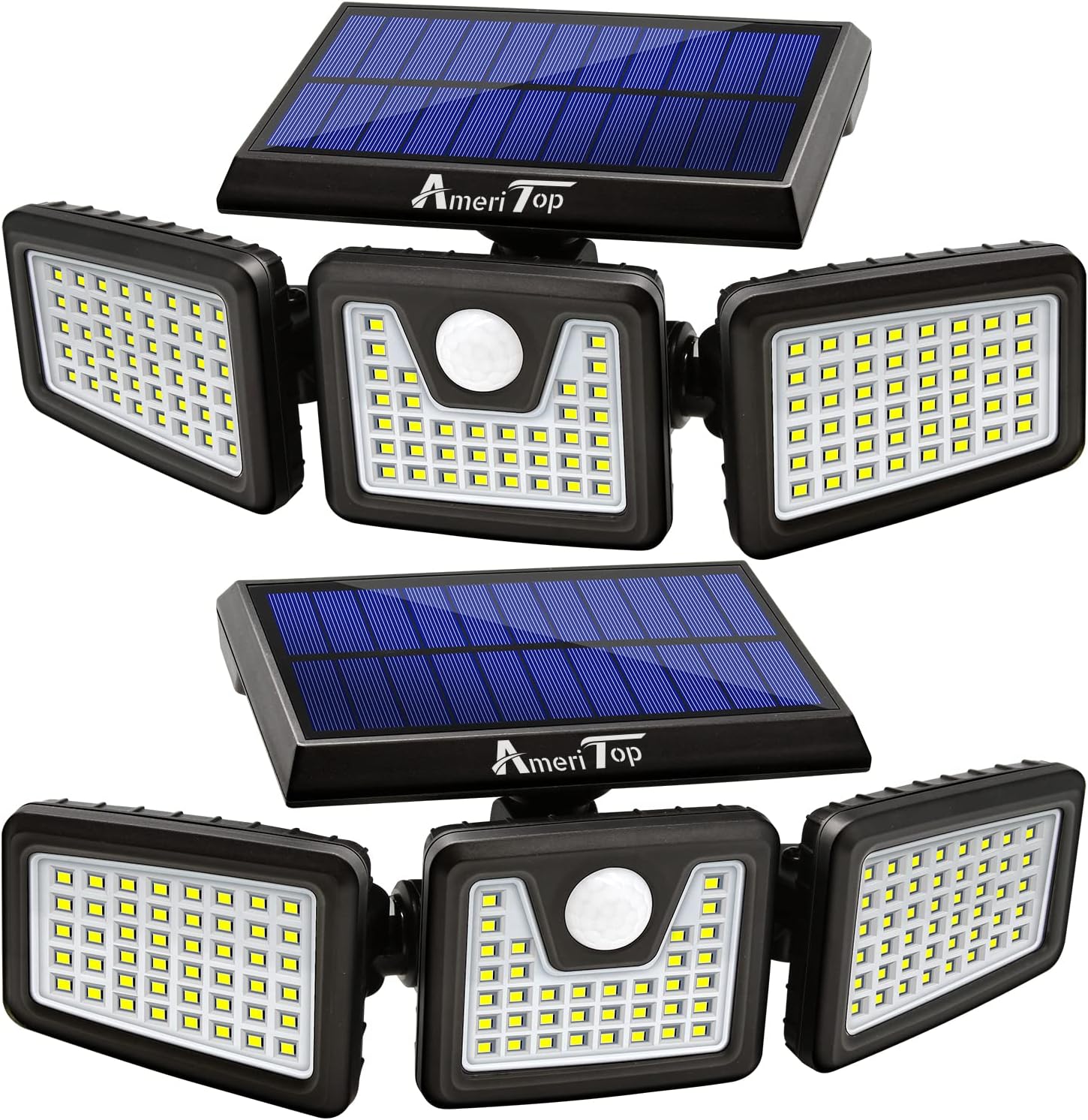
- Solar components: Compare panel placement, charging requirements, automatic activation, and whether the panel can be positioned independently from the light.
- Weather resistance: Look for the manufacturer’s stated outdoor-use or protection information, especially for locations exposed to direct precipitation.
- Construction materials: Plastic, metal, glass, and other materials can differ in appearance, weight, corrosion resistance, and cleaning needs.
- Color and finish: Match the fixture with nearby trim, furniture, fencing, or landscape features if visual consistency matters.
- Adjustability: Tilt, swivel, rotating heads, adjustable sensors, and movable solar panels can make aiming and installation easier.
For permanently wired products, confirm that the installation method is compatible with the existing electrical setup. If wiring or electrical-box work is involved, follow applicable instructions and consider using a qualified professional.
Brands represented in this catalog
The catalog includes outdoor lighting from Brightown, Joomer, GIGALUMI, Moonrays, OxyLED, Otdair, LiyuanQ, MAGGIFT, Ollny, ER CHEN, Mr. Beams, and Joiedomi. Compare individual product specifications within each brand rather than assuming that every product from a brand has the same power source, construction, controls, or intended use.
Outdoor lighting is part of the broader Lighting & Ceiling Fans category. Shoppers planning a coordinated home lighting setup may also want to compare Ceiling Lights, Lamps & Shades, or Ceiling Fans & Accessories. For workspaces and larger installations, Commercial Lighting may be a more relevant category.
Installation, placement, and care tips
Before installing, check the light’s required clearance, mounting surface, cable route, and access to an outlet or power source. Keep cords away from walkways, standing water, sharp edges, and locations where lawn equipment could damage them. For solar fixtures, place the panel where it can receive sufficient daylight and avoid shade from buildings, trees, or rooflines.
Clean lenses and solar panels as recommended by the manufacturer. Dirt, leaves, and other buildup can reduce light output or limit charging. Inspect outdoor cables, connectors, stakes, mounts, and seals periodically, especially after severe weather. Replace damaged components rather than continuing to use a fixture that is no longer safely protected.
If the lighting is intended for a rental, temporary event, or seasonal display, favor products with easy mounting and removal. For a permanent installation, pay closer attention to material durability, replacement parts, wiring compatibility, and how the fixture will look during the day as well as at night.
Frequently asked questions
What type of outdoor lighting is best for a walkway?
Path lights, low-mounted landscape fixtures, and other lights designed for ground-level placement are common choices. Compare coverage, spacing, stability, glare, and the available power source.
Are solar outdoor lights suitable for every location?
Solar lights work best where the panel receives adequate daylight. Shaded areas, winter conditions, and obstructed placement can affect charging, so check the product’s solar-panel design and placement requirements.
How do motion-activated outdoor lights work?
A built-in sensor detects movement within a specified area and turns the light on for a selected period. Compare detection range, sensing angle, sensitivity adjustments, and possible sources of unwanted activation.
What should be checked before mounting an outdoor wall light?
Check the mounting surface, electrical connection, fixture dimensions, weather suitability, and light direction. For wired installations, confirm compatibility with the existing box and follow safety instructions.
How can outdoor lighting reduce glare?
Aim fixtures away from windows and neighboring properties, use shielding or downward-facing designs where appropriate, and choose beam spread and brightness that match the area rather than oversizing the light.