Freudenberg Household Products
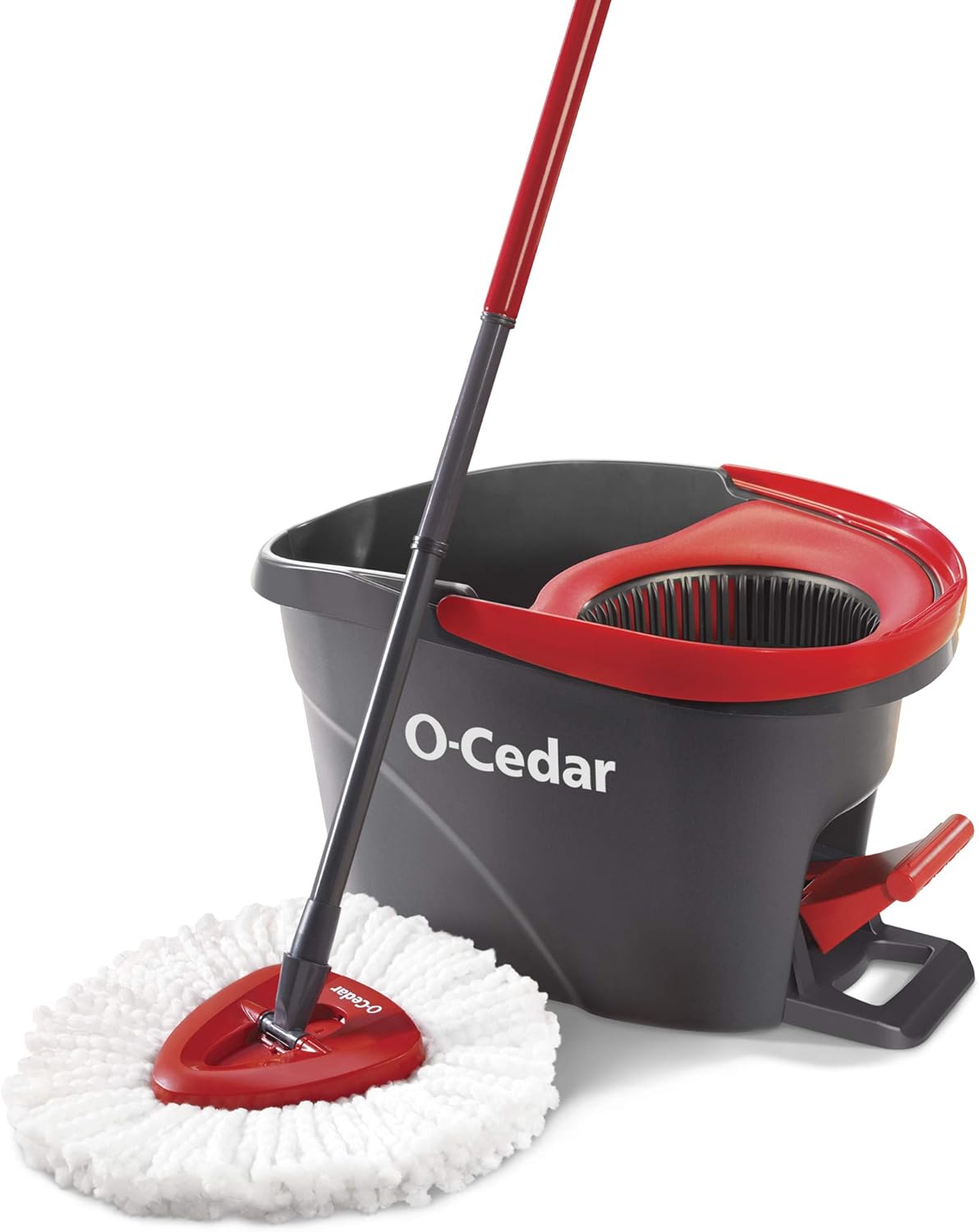
O-Cedar EasyWring Microfiber Spin Mop, Bucket Floor Cleaning System, Red, Gray
See current price

Compare cleaning tools for floors, surfaces, windows, dishes, and more. K-Catalog helps you review materials, dimensions, attachments, and handling features before checking current options on Amazon.
6,365 products in catalog
6,365 results
Freudenberg Household Products
See current price

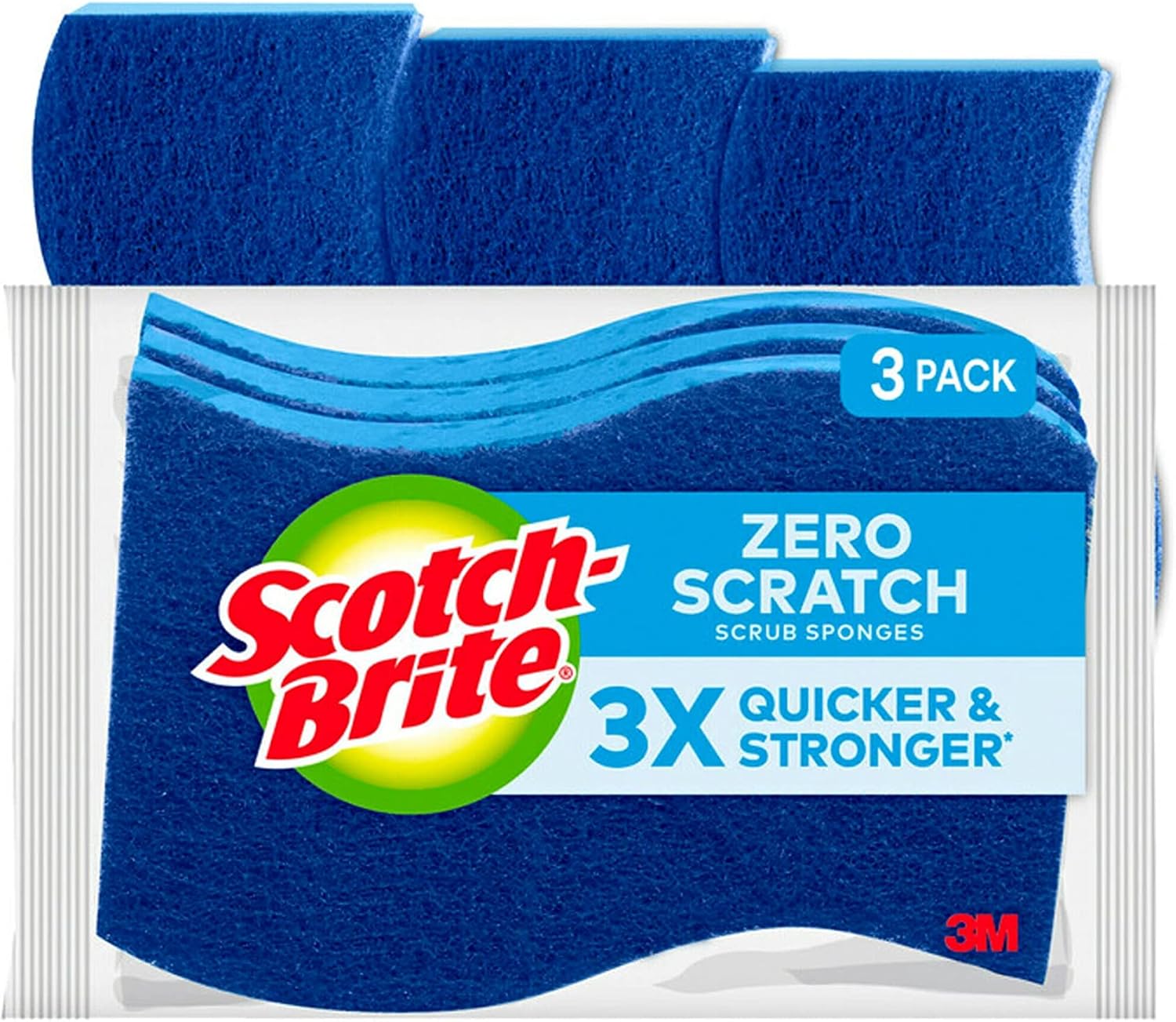
Scotch-Brite
See current price


AmazonUs/FRVKE
See current price


Swiffer
See current price


Swiffer
See current price



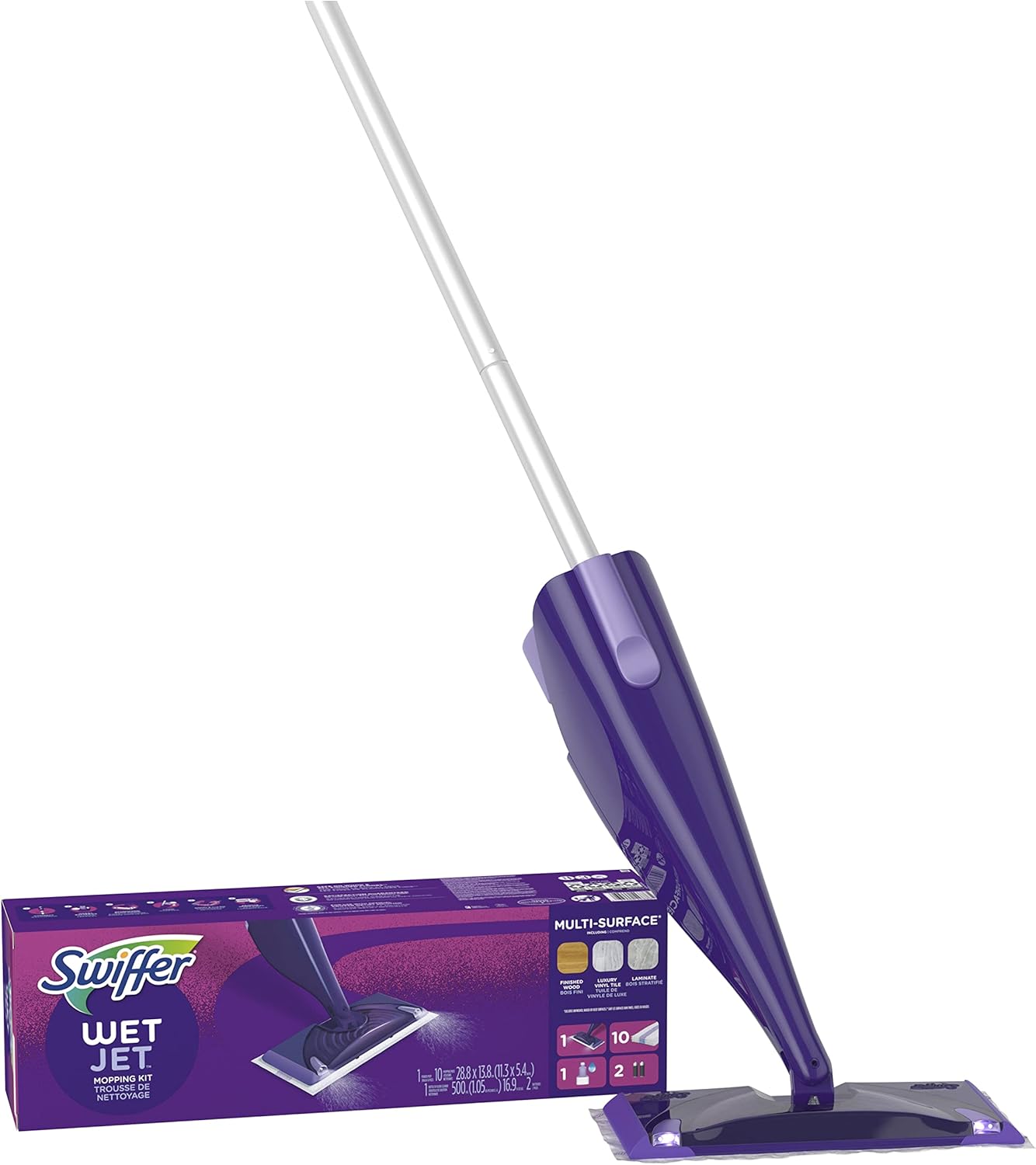


AmazonUs/PRFY7
See current price

Freudenberg Household Products
See current price


Freudenberg Household Products, LP
See current price
Cleaning tools cover the reusable and replaceable equipment used to remove dust, dirt, spills, grime, and residue around the home. The right choice depends on the surface, the type of mess, how often the tool will be used, and how easily it can be cleaned afterward.
Use this category to compare specifications and features across mops, brooms, brushes, dusters, squeegees, scrubbers, and other household tools. For cleaning formulas and related supplies, browse Household Cleaning; for a broader selection of home essentials, see Household Supplies.
Start with the surfaces and tasks that take up most of your cleaning time. Hard floors may call for a broom, dry dust mop, spray mop, or wet mop, while tile and grout often benefit from a narrow brush with firm bristles. Glass, mirrors, and shower doors are usually easier to maintain with a squeegee or window-cleaning tool designed to leave less moisture behind.
Consider whether you want one versatile tool or a small set made for specific jobs. A multipurpose brush can be useful for kitchens and bathrooms, but specialized tools may provide better access to corners, grout lines, baseboards, or high surfaces. If storage space is limited, look for compact designs, hanging holes, collapsible handles, or tools with removable heads.
The way a tool is handled matters as much as its cleaning surface. A comfortable grip, suitable handle length, balanced weight, and easy-to-use mechanism can make repeated tasks less tiring. For floors and high areas, adjustable or extended handles may help reduce bending and reaching.
Because this catalog category brings together many kinds of equipment, compare tools according to the job they are intended to perform:
Materials and surface safety should be near the top of the list. Bristles, pads, blades, and scrub surfaces vary in firmness and texture. A stiff brush may suit outdoor or heavily soiled areas but could scratch a delicate finish. For wood, stone, coated fixtures, glass, and nonstick cookware, confirm that the tool is appropriate for that surface.
Head design and coverage affect both speed and control. A wider head can cover open floor areas efficiently, while a narrow head may work better around furniture and in tight spaces. Angled heads, flexible joints, and low-profile designs can make it easier to reach beneath cabinets or along edges.
Handle construction influences comfort and durability. Compare fixed and adjustable lengths, grip materials, connection points, and whether the handle can be stored or replaced. A threaded or locking connection may be useful when the head is exposed to pressure during scrubbing.
Reusable versus replaceable parts can change how a tool fits your routine. Washable mop pads, brush heads, and microfiber covers may be convenient for regular cleaning, but check how they are removed, washed, dried, and reattached. If a tool uses replacement pads or heads, make sure compatible parts are available and easy to identify.
Water and cleaning-solution use also deserves attention. Some tools are designed for dry dusting, some for damp cleaning, and others for use with a particular type of solution. Avoid assuming that a tool can be soaked or exposed to chemicals; product instructions and material compatibility should guide use.
The Cleaning Tools catalog includes products from Swiffer, Amazon Basics, Scotch-Brite, Libman, O-Cedar, MR.SIGA, Scrub Daddy, Rubbermaid, Ettore, Mr. Clean, Quickie, and Vileda. These brands cover a range of cleaning formats, from floor-care equipment and microfiber tools to brushes, sponges, dusters, and window-cleaning accessories.
Brand familiarity can help when you need replacement parts or want to compare similar products within a product line, but the specifications still deserve close attention. Compare the head material, dimensions, handle design, care instructions, and included components rather than relying on the brand name alone.
Rinse or wipe tools after use according to their instructions, especially when they have contacted grease, chemicals, or heavy soil. Allow mop heads, sponges, brushes, and cloths to dry fully before storing them. Damp storage can create unpleasant odors and may shorten the useful life of absorbent materials.
Keep tools used for toilets, floors, kitchens, and food-contact areas separate. Color coding, labeled storage, or separate containers can help prevent cross-use. Do not combine cleaning chemicals unless the product directions specifically allow it, and use appropriate ventilation when working with strong solutions.
Inspect handles, joints, blades, bristles, and pads periodically. Replace a worn squeegee blade, shedding brush, damaged handle, or permanently soiled pad when it no longer performs effectively. Store sharp-edged or pointed tools securely, and keep cleaning equipment away from children and pets.
If laundry is part of the routine, related supplies are collected in the Laundry category. Other household consumables and disposable storage items can be found under Paper & Plastic.
A broom, dust mop, spray mop, or wet mop may work depending on the floor material and the type of dirt. Compare the head material, moisture level, and care requirements with the flooring manufacturer’s guidance.
Reusable tools can suit frequent cleaning when their pads, heads, or cloths are easy to wash and dry. Check replacement-part availability and care instructions before choosing one.
Match bristle firmness and shape to the surface and soil. Softer or non-abrasive materials are generally more appropriate for delicate finishes, while firm bristles can help with durable surfaces and textured areas.
A flexible blade that maintains contact with the glass, along with a comfortable handle, can help remove water consistently. The right width depends on the size of the surface and how easily you need to maneuver the tool.
Adjustable handles can help accommodate different users, reach higher areas, and reduce bending. A fixed handle may be preferable when simplicity, rigidity, or compact storage matters most.
Review the listed specifications, included accessories, dimensions, materials, and care guidance, then check the current product information and price on Amazon before buying.