

Paper & Plastic Household Products
Compare paper and plastic supplies for food storage, serving, cleanup, organization, and everyday household use. Review materials, dimensions, closures, and pack details before choosing.
6,906 products in catalog
6,906 results
Filters


Amazon Basics
Amazon Basics Flextra Tall Kitchen Drawstring Trash Bags, Fresh Scent, 13 Gallon, 120 Count
See current price


Reynolds Consumer Products
Hefty Ultra Strong Tall Kitchen Trash Bags, Fabuloso Lemon Scent, 13 Gallon, 80 Count
See current price

Amazon Basics
Amazon Basics Multipurpose Drawstring Trash Bags, Unscented, 30 Gallon, 50 Count (Previously Solimo)
See current price

Solimo
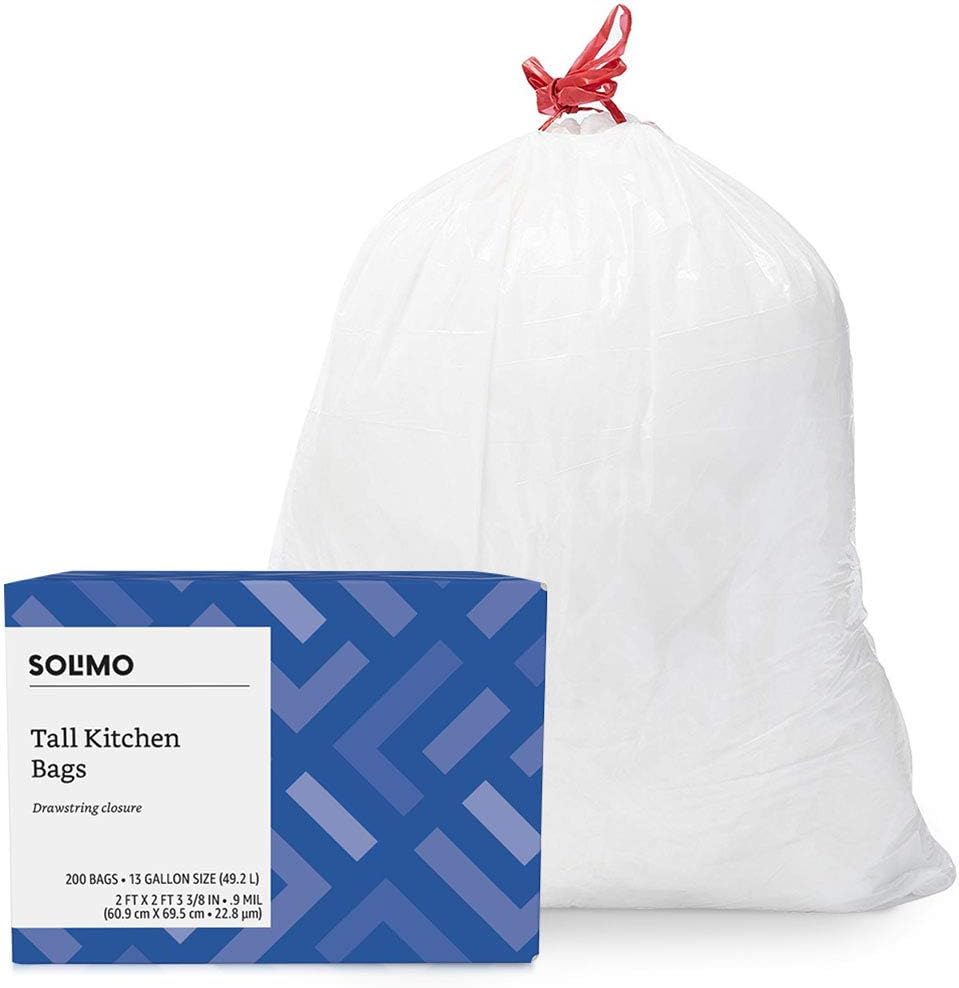
Amazon Brand - Solimo Multipurpose Drawstring Trash Bags, 30 Gallon, 50 Count
See current price



Hefty
Hefty Ultra Strong Tall Kitchen Trash Bags, Clean Burst Scent, 13 Gallon, 40 Count
See current price


Hefty
Hefty Slider Freezer Storage Bags, Gallon Size, 25 Count (Pack of 9), 225 Total
See current price


Bounty
Bounty Select-A-Size Paper Towels, White, 2 Double Plus Rolls = 5 Regular Rolls
See current price


Hefty
Hefty Small Garbage Bags, Flap Tie, Lavender & Sweet Vanilla Scent, 4 Gallon, 26 Count
See current price


Glad
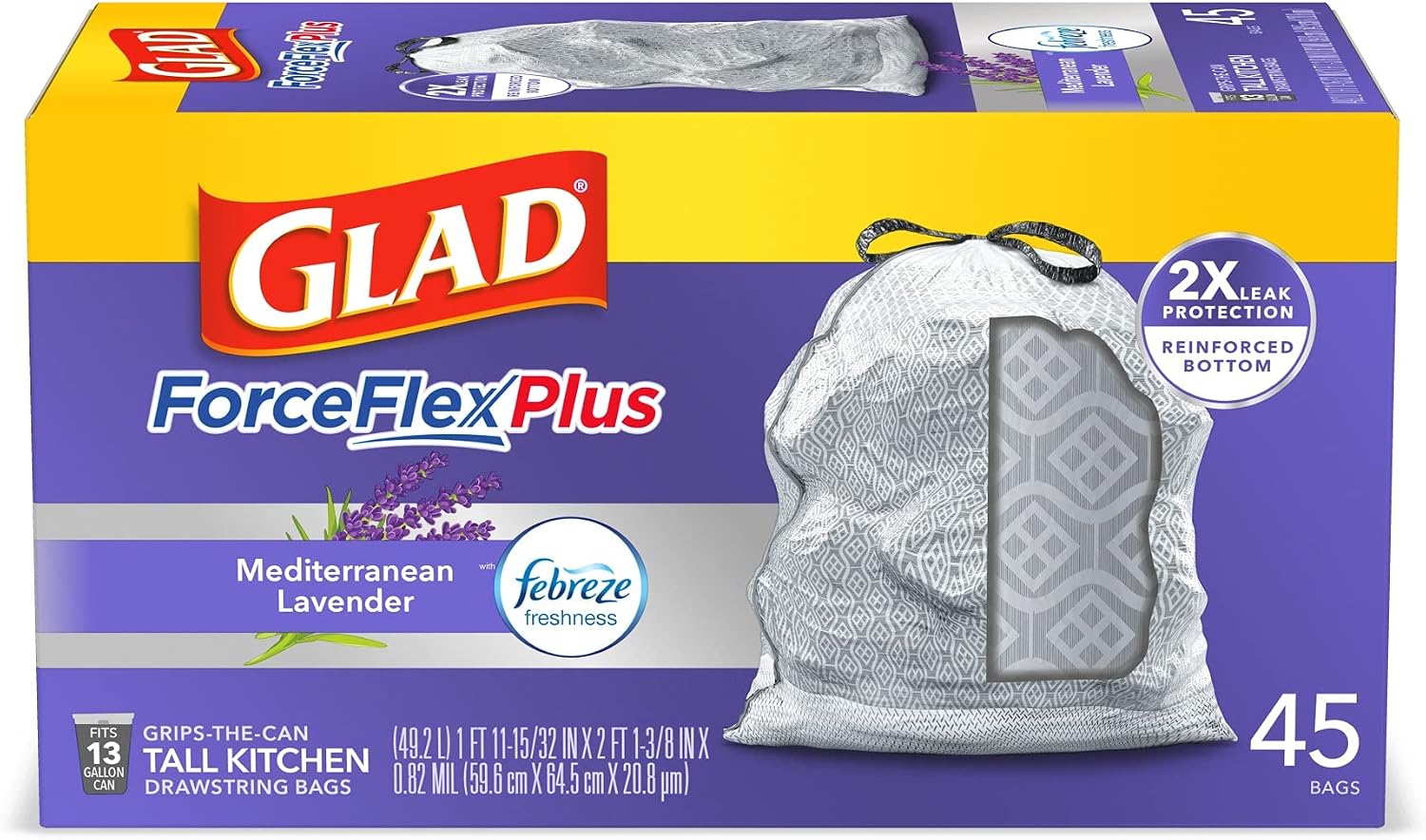
Glad ForceFlex Tall Kitchen Drawstring Trash Bags, 13 Gal, 100 Ct (Package May Vary)
See current price
Popular brands in Paper & Plastic
Paper and plastic products cover many of the disposable, storage, serving, and cleanup items used around the home, workplace, events, and travel. The right choice depends on the task: containing food, protecting surfaces, serving guests, collecting waste, or organizing small items.
K-Catalog helps shoppers compare product specifications and features across this broad household category. Use the details provided for each listing to narrow options by material, capacity, shape, closure, durability, and intended use.
How to choose paper and plastic products
Start with the job the product needs to perform. A lightweight item may suit a short-term task, while a thicker or more rigid option can be more practical for transport, repeated handling, or heavier contents. Consider whether the item will touch food, hold liquids, resist leaks, or protect against grease.
Other useful questions include:
- Where will it be used? Home kitchens, offices, parties, classrooms, outdoor gatherings, and commercial settings may call for different sizes and strengths.
- Is it disposable or reusable? Disposable products can simplify cleanup, while reusable storage or organization items may suit repeated use.
- How much capacity is needed? Compare dimensions, volume, and shape rather than relying only on broad product names.
- How will it be stored? Flat packs, rolls, nested containers, and stackable designs can occupy very different amounts of cabinet or pantry space.
- What needs to be included? Check whether lids, closures, liners, ties, or other accessories are part of the listing.
Common types to compare
Food storage and organization
Food storage bags, containers, wraps, and related supplies help separate ingredients, leftovers, snacks, and prepared meals. Compare closure style, flexibility, container shape, lid fit, and the dimensions of the usable storage area. A transparent design may make contents easier to identify, while a sturdier container can be more convenient for transporting food.
For pantry or household organization, look at the opening, seal, stackability, and resistance to punctures or spills. If a product will be used with food, check the listing information for any stated food-contact guidance and the conditions for use.
Trash and waste bags
Waste bags vary by size, thickness, opening style, and intended load. Match the bag dimensions to the bin rather than choosing by name alone. A bag that is too small may not fit securely over the rim, while an oversized bag can be difficult to manage and waste storage space.
Also compare features such as drawstring or tie closures, handles, odor-control claims, leak resistance, and whether the bag is designed for a particular type of waste. For heavier or sharper contents, material thickness and tear resistance deserve particular attention.
Disposable tableware
Paper and plastic plates, bowls, cups, cutlery, and serving items are useful when quick cleanup matters. Compare the item’s shape, depth, rigidity, and size with the foods or beverages it will hold. Bowls with greater depth may suit soups or saucy foods, while flatter plates can be more convenient for snacks and main dishes.
For drinks, check the stated capacity, opening, lid compatibility, and whether the design is intended for hot or cold beverages. Cutlery should be evaluated for length, firmness, and the type of food it needs to handle.
Party, catering, and event supplies
Decorative paper and plastic products can support birthdays, holidays, receptions, picnics, and other gatherings. When comparing these items, consider the event style, color or pattern, serving needs, and cleanup plan. Coordinated plates, cups, napkins, table covers, and decorations may be useful when a consistent look matters.
Review the product details carefully if matching colors, themes, or dimensions is important. Pack contents can differ, so confirm what is included before selecting complementary items.
Packaging and everyday utility items
Envelopes, bags, liners, disposable covers, and other utility products can support shipping, storage, craft projects, office organization, and household routines. Compare the opening dimensions, material, closure, transparency, and resistance to tearing or moisture.
For packaging, measure the item that needs to fit inside and allow enough room for padding or a secure closure. For liners and covers, check the intended surface or container size and how the product is meant to stay in place.
Key features and specifications
Product names can sound similar, so the specification details are especially important in this category. Compare:
- Material: Paper, plastic, film, foil, laminated material, and blended constructions can behave differently under pressure, moisture, heat, and grease.
- Dimensions: Check length, width, height, diameter, and usable capacity. Shape can affect how efficiently an item fits in a drawer, bin, refrigerator, or cabinet.
- Thickness and strength: These details matter for bags, wraps, plates, containers, and packaging intended for heavier contents.
- Closure and dispensing: Zippers, snaps, drawstrings, ties, adhesive flaps, roll formats, and open-top designs each suit different routines.
- Heat and cold suitability: If an item will be frozen, microwaved, filled with hot food, or used with hot drinks, follow the product’s stated guidance rather than assuming all similar materials perform alike.
- Appearance: Clear, white, colored, patterned, and printed options may be chosen for visibility, presentation, organization, or events.
- Pack configuration: Check the included item type and package contents so the selection matches the intended task and storage space.
Brands represented in the catalog
The catalog includes products from brands such as Glad, Ziploc, Dixie, Amazon Basics, Gift Boutique, Comfy Package, Hefty, Creative Converting, ALINK, AmazonCommercial, SOLO, and Stock Your Home. These brands may appear across different parts of the Paper & Plastic category, so compare the specifications of individual listings rather than relying on brand name alone.
For larger household needs, you can also browse the broader Household Supplies category. Related areas may help when paper and plastic products are part of a larger cleaning, laundry, or maintenance routine, including Cleaning Tools, Household Cleaning, and Laundry.
Practical shopping tips
Measure bins, shelves, drawers, and storage containers before choosing products that need to fit a particular space. For bags and liners, measure both the opening and the depth of the container. For plates, cups, and food containers, consider where they will be stacked and whether lids or serving accessories need to be stored nearby.
Read usage instructions for products that may contact food, liquids, heat, or cleaning substances. Avoid assuming that a disposable item is suitable for every temperature or type of content. For waste bags, choose according to the contents and local disposal requirements.
If you are comparing supplies for an event or workplace, check package contents and select consistent styles where needed. For household organization, prioritize dimensions, closure performance, and easy access. Shoppers looking for other household categories can also explore Household Batteries, Tobacco-Related Products, and Lighters & Matches.
Frequently asked questions
What products are included in Paper & Plastic?
This category can include food storage supplies, disposable tableware, trash bags, packaging materials, party items, liners, wraps, and other paper or plastic household products.
How do I choose the right size?
Measure the space or container involved, then compare the listing’s dimensions and capacity. For bags, check both the opening and overall length; for containers, consider usable interior space and lid fit.
Is paper or plastic better for household use?
Neither material is best for every task. Paper may suit serving, packaging, or short-term use, while plastic may offer flexibility, moisture resistance, or a secure closure. Choose based on the intended contents and handling conditions.
Can these products be used with hot or frozen items?
Only when the product specifications or instructions indicate that use is suitable. Check the stated temperature guidance and any food-contact or appliance-use limitations before using the item.
What should I check when buying disposable tableware?
Compare size, shape, depth, rigidity, material, intended food or drink temperature, and package contents. Also consider whether plates, cups, cutlery, and serving pieces need to coordinate.
How can I compare similar listings?
Focus on measurable details such as dimensions, capacity, thickness, closure type, material, included accessories, and intended use. These specifications are more useful than a general product title alone.