
General Mills Cereals
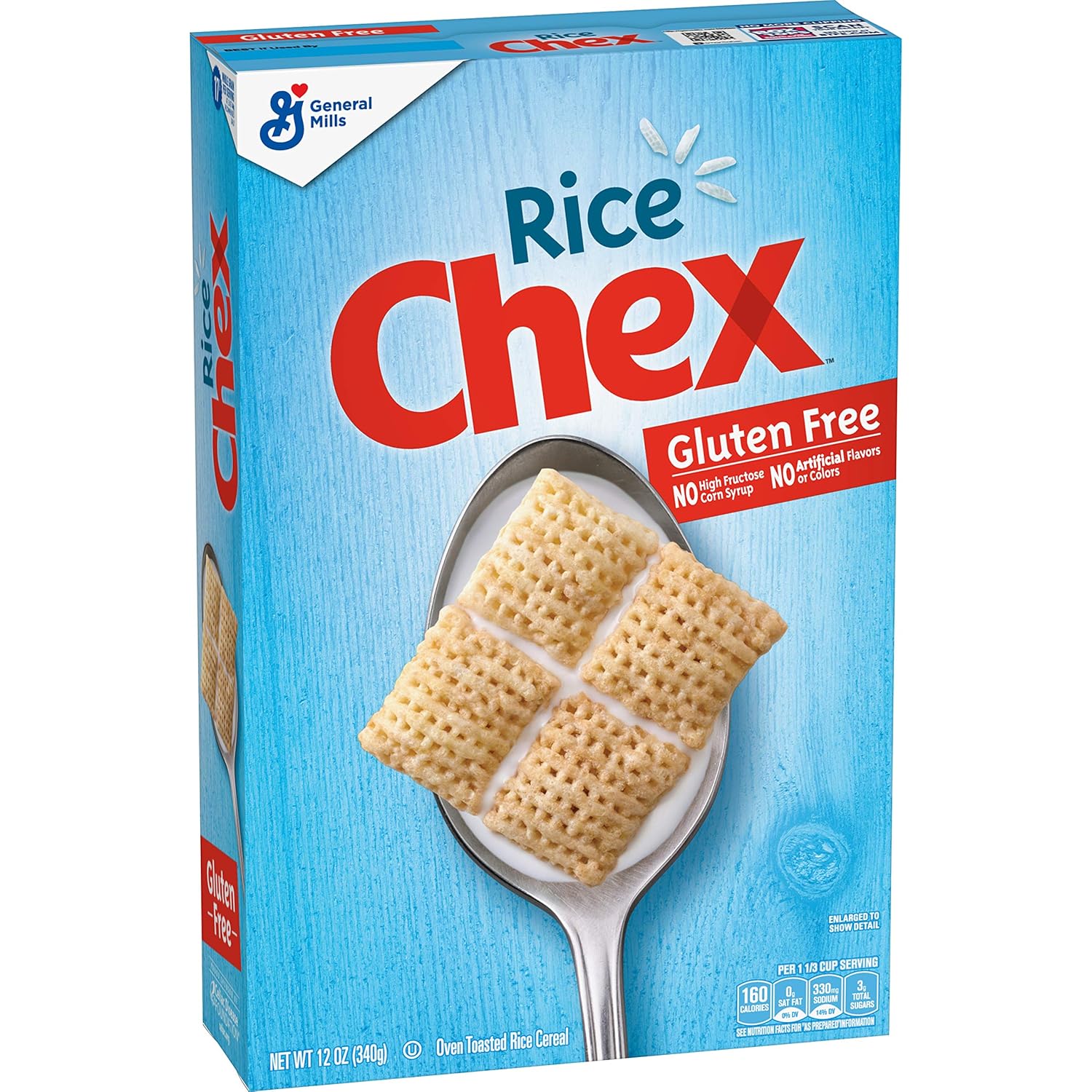
Chex General Mills Cereals Gluten Free Cereal, Corn, 12 Ounce (Pack of 4)
See current price

Compare cold cereal by ingredients, nutrition details, texture, serving format, and package size. Explore catalog listings to find options suited to quick breakfasts, family meals, and different dietary preferences.
178 products in catalog
178 results
General Mills Cereals
See current price

General Mills
See current price


Cream of Wheat
See current price



AmazonUs/KELRQ
See current price

General Mills
See current price


Post Foods LLC
See current price


Kellogg Company
See current price

Kellogg's
See current price

Kellogg Company
See current price

Kellogg Company - Sortable
See current price


General Mills
See current price

Post
See current price


Cold cereal is a convenient breakfast option that can be served with milk, yogurt, or eaten as a dry snack. The category includes familiar grain-based cereals as well as options focused on fiber, protein, reduced sugar, whole grains, or specific dietary needs.
When comparing products, look beyond the flavor or front-of-box claims. Ingredient lists, nutrition facts, cereal shape, package format, and serving preferences can all affect which option fits your household. For a broader view of breakfast choices, browse Breakfast Cereal, or compare cold cereal with Oatmeal and Granola.
Start with how the cereal will be used. A lightly sweetened cereal may work well for everyday breakfasts, while a sweeter or flavored option may be more appealing as an occasional treat or snack. If several people will share a box, consider whether the flavor and texture are broadly appealing.
Useful factors to compare include:
Cold cereal is sold in several styles, and the right type depends on taste, texture, and nutrition goals. Flake cereals are familiar and often soften quickly in milk. Puffed or crisped cereals tend to provide a lighter bite, while square, ring, and other shaped cereals can offer a different mouthfeel.
Some cereals emphasize whole grains or fiber, while others focus on sweetness, flavor, or a particular texture. Granola-style cereals may contain clusters and added ingredients such as nuts, seeds, dried fruit, or sweeteners, so the ingredient panel is especially useful for comparison. Protein-focused and specialty cereals may also use ingredients such as legumes, seeds, or alternative grains.
The nutrition facts panel is one of the most useful comparison tools. Serving sizes can differ between products, so compare the listed serving information carefully rather than judging products by the front label alone. Sugar, fiber, protein, sodium, and calories may be relevant depending on how the cereal fits into the rest of the meal.
The ingredient list can help clarify what gives the cereal its flavor, sweetness, color, and texture. It can also help shoppers identify ingredients they prefer to avoid. People managing food allergies or sensitivities should check allergen statements and manufacturing information on the current package, since catalog details may change.
Also consider practical specifications:
The catalog includes products associated with General Mills, Kellogg's, Post, Kashi, Kay's Naturals, Quaker, Weetabix, and Nature's Path. Listings may also identify related company names such as General Mills Sales Inc., Post Consumer Brands, Post Foods, and Kellogg Company.
Brand familiarity can be a useful starting point, but it should not replace checking the individual product details. Recipes, ingredients, package formats, and nutrition information can vary across a brand’s cereal range, so compare the specific listing and current package information before choosing.
Think about the cereal’s role in the household before selecting a package. A product used every morning may benefit from a larger or more convenient package, while a less familiar flavor may be better suited to a smaller commitment. For mixed households, keeping more than one texture or sweetness level available can make breakfast choices easier.
Once opened, store cereal in a cool, dry place and close the inner bag or container securely to help preserve texture. Check the package for storage guidance and use the cereal while it still has the crispness you prefer. If the cereal will be packed as a snack, consider whether the pieces travel cleanly and whether the package can be resealed.
Cold cereal is a ready-to-eat cereal typically served with milk, yogurt, or another topping. It does not require cooking before serving.
Compare the serving information, sugar, fiber, protein, sodium, and ingredient list. Use the same basis when comparing different products because serving sizes may vary.
Choose based on preference and how quickly you plan to eat it. Flakes, puffs, crisps, rings, squares, and clusters can differ in firmness and how they hold up in milk.
Many cold cereals can be eaten dry as a snack, but check the ingredients and nutrition information to see whether the product fits your needs. Package portability and resealability may also matter.
Review the complete ingredient list, allergen statement, and any current package warnings. Do not rely solely on the cereal’s name or front-of-package description.
Keep it in a cool, dry location and close the package securely. A sealed container can help protect texture, subject to the product’s package guidance.