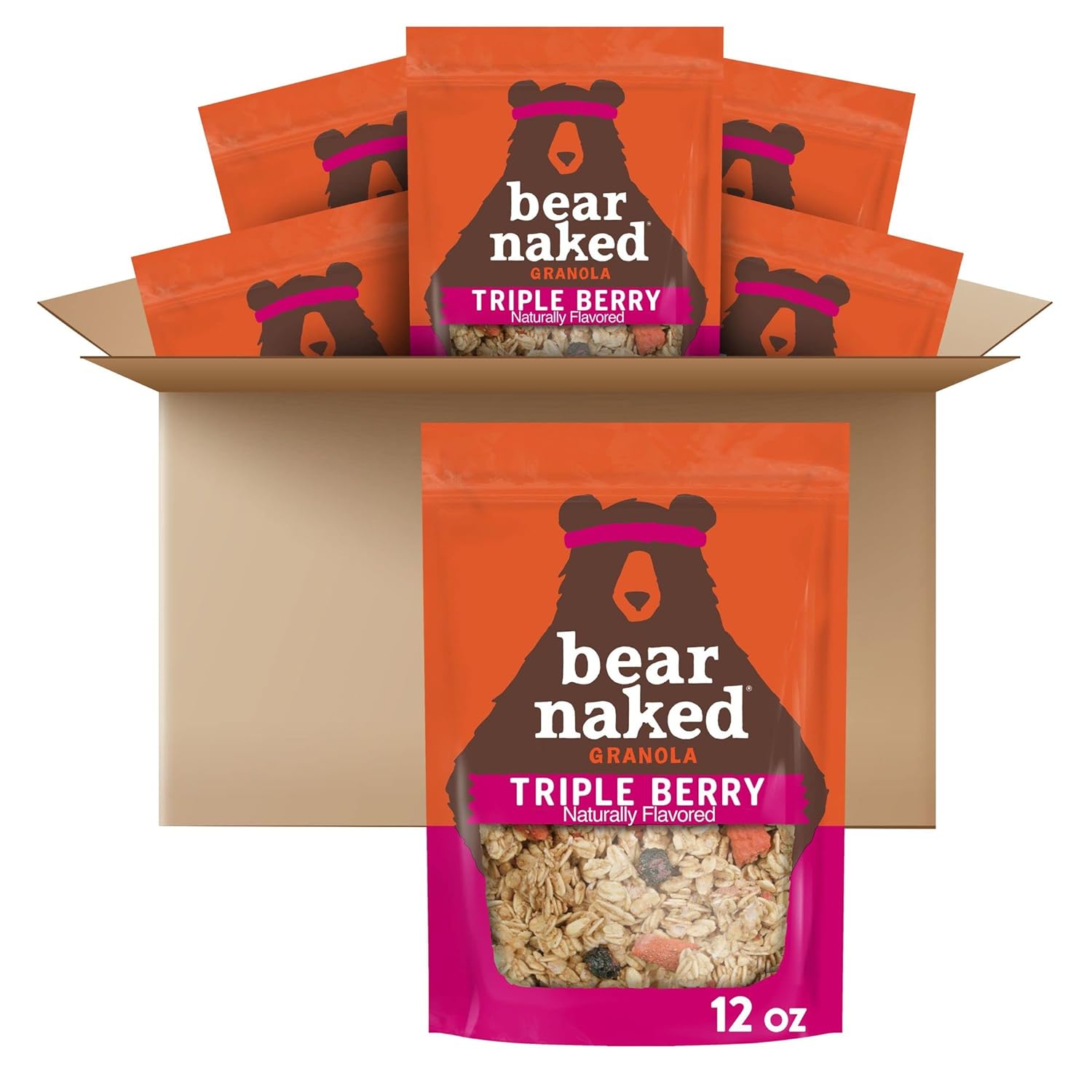
Bear Naked
Bear Naked Fit, Granola, Triple Berry, Kosher and Vegan, 4.5lb Case (6 Count)
See current price

Compare granola options by ingredients, texture, nutrition details, dietary preferences, and package format. K-Catalog helps you review product specifications before visiting Amazon.
68 products in catalog
68 results
Bear Naked
See current price

Kellogg's
See current price

Mountain House
See current price


by Cascadian Farm
See current price

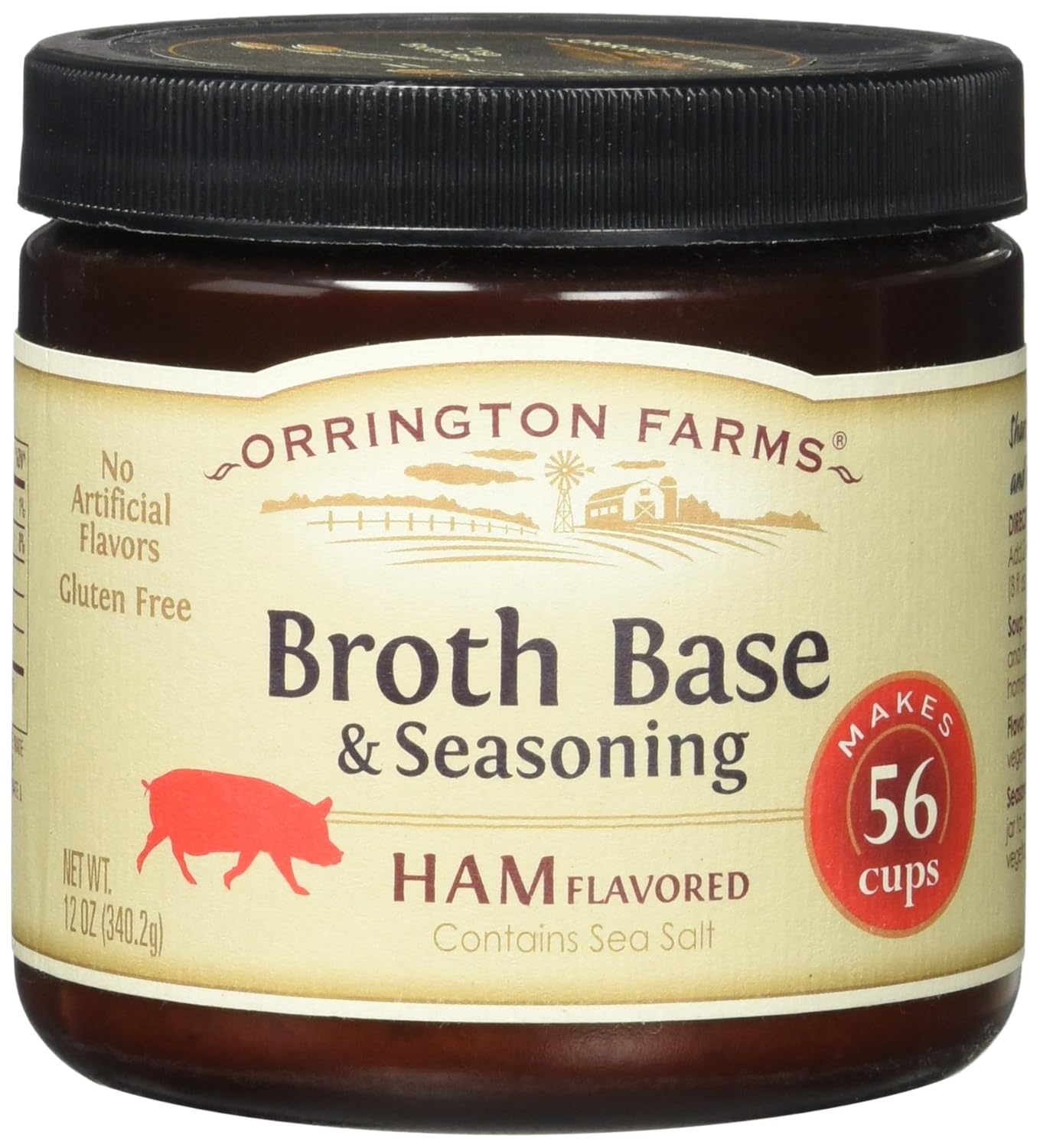


Nature's Path
See current price

Quaker Oats
See current price


Kellogg's
See current price


HW Wellness Solutions Private Limited
See current price

Kellogg Company
See current price


Kellogg Company - Sortable
See current price


Granola can be a convenient breakfast, snack, or topping for yogurt and fruit. The right option depends on the ingredients and texture you prefer, along with dietary requirements, serving style, and how much preparation you want in the morning.
Use the product details to compare granolas consistently rather than choosing by packaging alone. Ingredient lists, allergen information, nutrition facts, and package size can all affect whether a product suits your routine.
Start by considering how you plan to eat it. A coarse, crunchy blend may work well as a standalone snack or yogurt topping, while a finer or softer texture may be easier to combine with milk, fruit, or oatmeal. If you usually eat granola away from home, package format and resealability may matter as much as the recipe.
Key questions to ask include:
Granola products can differ significantly even when they are all marketed for breakfast. Some emphasize oats and grains, while others focus on nuts, seeds, fruit pieces, or a particular flavor profile. Compare the ingredient list and product description to understand what each blend is designed to offer.
For a broader look at breakfast options, browse Breakfast Cereal. Shoppers who prefer a ready-to-pour cereal format can also compare Cold Cereal, while Oatmeal may suit those looking for a warm or more customizable breakfast.
Granola can be used in several ways:
The ingredient list is one of the most useful specifications when comparing granola. Look for the grains used, the type of sweetener, and added ingredients such as nuts, seeds, coconut, chocolate, or dried fruit. Ingredients are generally listed in descending order by weight, so the beginning of the list can help explain the product’s overall composition.
Nutrition facts can help you compare serving size, calories, fiber, protein, total sugars, and fat between products. These details are most useful when viewed together. For example, a granola with nuts or seeds may have a different nutrition profile from a simpler oat-based blend, while dried fruit and sweeteners can affect total sugar.
Always check the current package information for allergen statements and dietary claims. Formulas and packaging can change, and a product that fits one dietary preference may not fit another person’s needs.
Texture is a personal preference, so product descriptions can help you distinguish between crunchy clusters, loose oat blends, and recipes with larger inclusions. If you dislike very hard pieces or prefer a uniform cereal, pay close attention to descriptions of clusters, nuts, and seeds.
Flavor choices may include fruit, nut, spice, chocolate, maple, or more straightforward oat profiles. Think about whether you want granola to stand alone or pair with other foods. A strongly flavored blend may work as a snack, while a milder option may be more versatile as a topping.
Compare the package format and net quantity as well. Resealable packaging can be useful for maintaining freshness, and smaller packages may suit occasional use or variety. Larger packages may be practical for households that serve granola regularly, but storage space and consumption habits should guide the choice.
The catalog includes granola from Kellogg's, Nature's Path, Kind, Kellogg Company, Mountain House, Bear Naked, HIGHKEY SNACKS, Nature Valley, Wildway, Quaker, Post Consumer Brands, and General Mills Sales Inc. Availability and product selection can change, so compare the specifications on each product page rather than assuming that all products from one brand share the same ingredients or dietary characteristics.
Keep granola stored according to the package directions and protect it from heat and moisture. Reseal an opened package when possible, and use clean, dry utensils when serving it with yogurt or fruit. For dietary restrictions, prevent cross-contact by checking both the package statement and the preparation environment.
Before choosing, compare the full ingredient list, allergen information, nutrition facts, flavor, texture, and package details. You can then visit Amazon to check the current product information and availability.
Granola is one type of breakfast cereal, but its ingredients, texture, and preparation can differ from other cold cereals. Compare both categories based on how you plan to serve them.
Yes. Many people use granola as a snack or topping, though the preferred texture and flavor depend on the product and personal taste.
Review the ingredient list and allergen statement on the current package. Recipes and manufacturing information may vary between products.
Check the ingredient list and nutrition facts, including total sugars and serving size. Comparing these details across products gives a more useful picture than flavor descriptions alone.
That depends on the product. Check the current package for relevant dietary claims, ingredients, allergen information, and certification details before buying.