

Door Chimes & Bells for Home Entry Alerts
Compare door chimes and bells by installation method, power source, sound options, signal range, and compatibility to find an entry alert suited to your home or workplace.
631 products in catalog
631 results
Filters




Jasco Products Company, LLC
GE Wireless Doorbell Kit, Plug-In Receiver, 1 Push Buttons Door Bell, 2 Melodies Doorbell Chime, 4 Volume Levels, Classroom Doorbell, 150 Ft Range, White, 19298
See current price




Broan-NuTone
Broan-NuTone PB7LBL Doorbell, Lighted Rectangular Pushbutton for Home, 1" x 0.75" x 2.875", Black
See current price


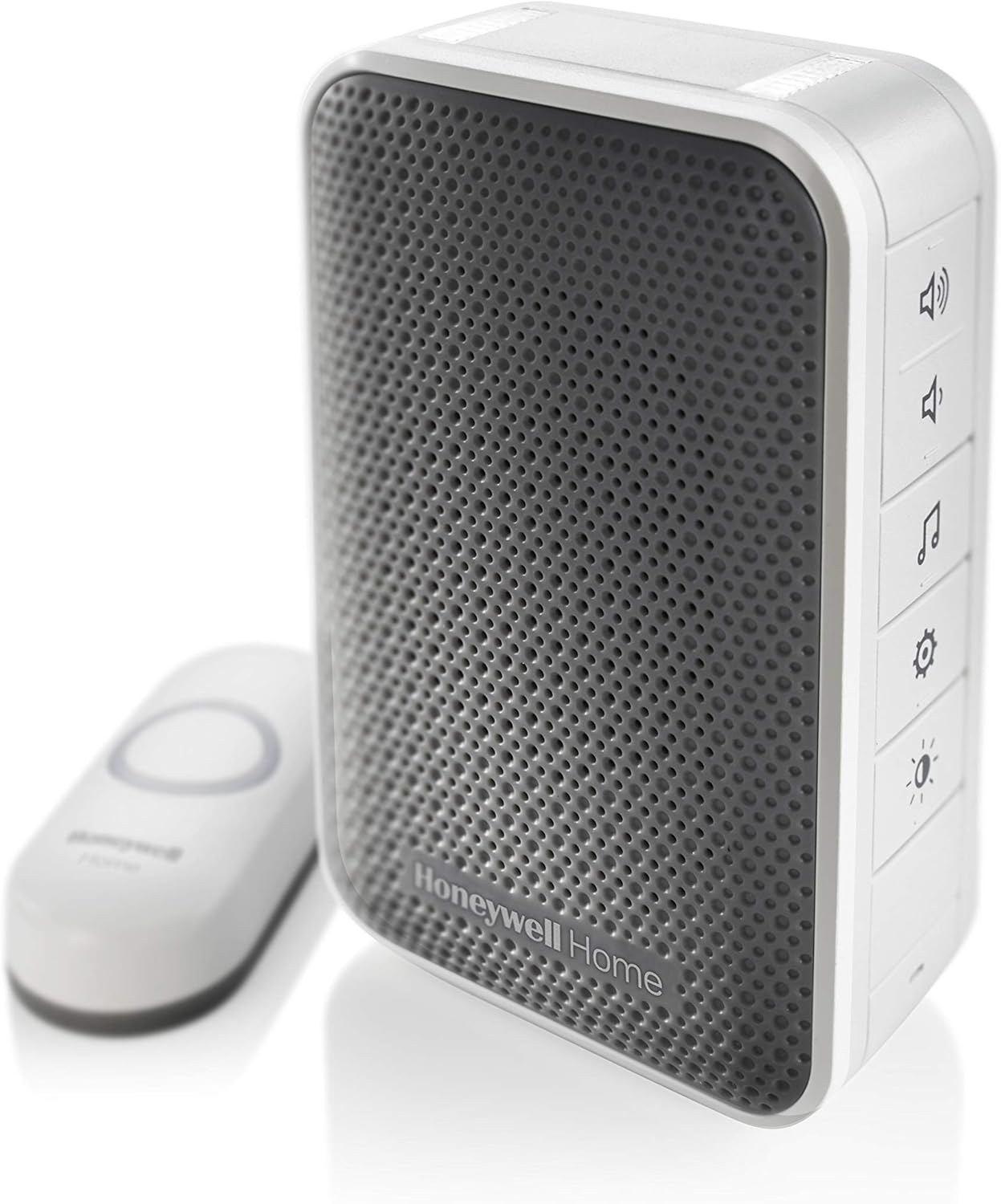
Honeywell Home
Honeywell Home RDWL313A2000/E Doorbell Portable Wireless Doorbell & Push Button-3 Series, Gray
See current price


Popular brands in Door Chimes & Bells
Door chimes and bells provide an audible alert when someone arrives at an entrance. The right choice depends on where the device will be installed, how much wiring is practical, how far the sound needs to travel, and whether you want a simple tone or more control over the alert.
K-Catalog helps you compare available products by specifications and features before visiting Amazon to check current availability and purchase options.
How to choose a door chime or bell
Start by considering the installation location. A front entry in a small home may need only a straightforward chime, while a larger home, office, workshop, or detached entry may benefit from a longer signal range or multiple receivers. Think about where the transmitter, push button, and receiver will be placed, and whether walls or other obstructions may affect communication.
Power is another important distinction. Wired models can suit an existing doorbell circuit or a permanent installation, but they may require electrical work and compatibility checks. Battery-powered and wireless options are often more flexible for renters, finished walls, or locations without convenient wiring. Check what components require batteries and whether the receiver plugs into an outlet.
Also consider the listening environment. A compact indoor space may work well with a moderate-volume alert, while a garage, office, or multilevel home may call for adjustable volume, more than one receiver, or a sound that carries clearly without being unpleasant.
Common types and configurations
Although this catalog does not use product subcategories, door chimes and bells generally fall into a few useful configurations:
- Wired door chimes: Designed for connection to a compatible doorbell circuit. These can be a practical replacement when existing wiring is available.
- Wireless doorbells and chimes: Use a transmitter and receiver, making placement easier when running wire is inconvenient. Confirm the stated operating range and installation requirements.
- Mechanical bells: Offer a traditional bell sound and may suit homes, businesses, gates, or locations where a simple physical alert is preferred.
- Plug-in receivers: Useful when an outlet is available near the listening area and regular battery replacement is undesirable.
- Portable or expandable systems: May allow additional push buttons or receivers, depending on the design. Check the manufacturer’s compatibility information before combining components.
Features and specifications to compare
Product descriptions can vary, so compare the details that affect everyday use rather than focusing only on appearance. Important specifications and features include:
- Power source: Identify whether the unit is wired, battery operated, plug-in, or a combination of these. Check whether batteries are included and what type the device uses.
- Transmission range: For wireless products, compare the stated range with the actual distance between the button and receiver. Thick walls, metal surfaces, and other interference can affect performance.
- Sound selection: Some chimes provide one fixed tone, while others offer a selection of melodies or alert sounds. Choose an option that is easy to recognize and appropriate for the setting.
- Volume control: Adjustable volume can help accommodate bedrooms, work areas, quiet households, or louder environments.
- Number of receivers or buttons: A system with more than one receiving point may be useful when people spend time on different floors or in separate rooms.
- Installation method: Look for included mounting hardware, adhesive options, wiring terminals, or other requirements that match the intended location.
- Weather exposure: If a button will be installed outdoors, review its stated resistance to moisture and temperature conditions. The receiver may still need to remain indoors.
- Compatibility: Replacement wired chimes should match the existing doorbell transformer and wiring arrangement. Wireless components should be checked for pairing and expansion compatibility.
Brands represented in the catalog
The Door Chimes & Bells catalog includes products from Broan-NuTone, Heath/Zenith, SadoTech, Wasserstein, AVANTEK, Honeywell, Newhouse Hardware, SECRUI, OLAIKE, Amicoson, KIMILAR, and Craftmade. These brands may cover different approaches, including wired replacements, wireless entry alerts, plug-in receivers, and traditional bell designs. Compare each product’s listed specifications rather than choosing by brand name alone.
For related electrical components and installation supplies, browse Switches & Dimmers, Wall Plates & Accessories, or Outlets & Accessories. The broader Electrical category can also help when planning a larger home electrical project.
Installation and everyday-use tips
Before replacing a wired chime, turn off power at the appropriate electrical control and verify that the existing wiring and transformer are suitable for the new unit. If the installation requires changes to household wiring, consult a qualified electrician.
For wireless systems, test the intended button and receiver locations before permanently mounting them. Keep the receiver where its sound is easy to hear, but avoid placing it where moisture or excessive heat could damage it. If the device supports multiple tones or volume levels, select a setting that is noticeable without becoming disruptive.
Keep product instructions available when replacing batteries, pairing components, or adding receivers. If a wireless signal becomes unreliable, check battery condition, mounting location, and possible obstructions before assuming the unit has failed.
Frequently asked questions
Are wireless door chimes easier to install than wired models?
Often, yes. Wireless units generally avoid running new cable, but they still require suitable placement, power for each component, and pairing or setup according to the product instructions.
What should I check when replacing a wired door chime?
Check the existing wiring, transformer compatibility, mounting space, and the electrical requirements listed for the replacement. Turn off power before working on the installation.
How can I choose the right wireless range?
Measure the approximate distance between the button and receiver, then compare it with the product’s stated range. Walls, floors, metal, and other obstructions can reduce real-world performance.
Are door chimes suitable for outdoor installation?
The push button may be designed for outdoor exposure, but the receiver commonly belongs indoors. Review the product’s weather-resistance information and install each component only in an appropriate location.
Do all door chimes offer multiple sounds?
No. Some provide a single alert, while others include selectable melodies or tones. Check the listed sound options if customization matters to your household or workplace.