BN-LINK
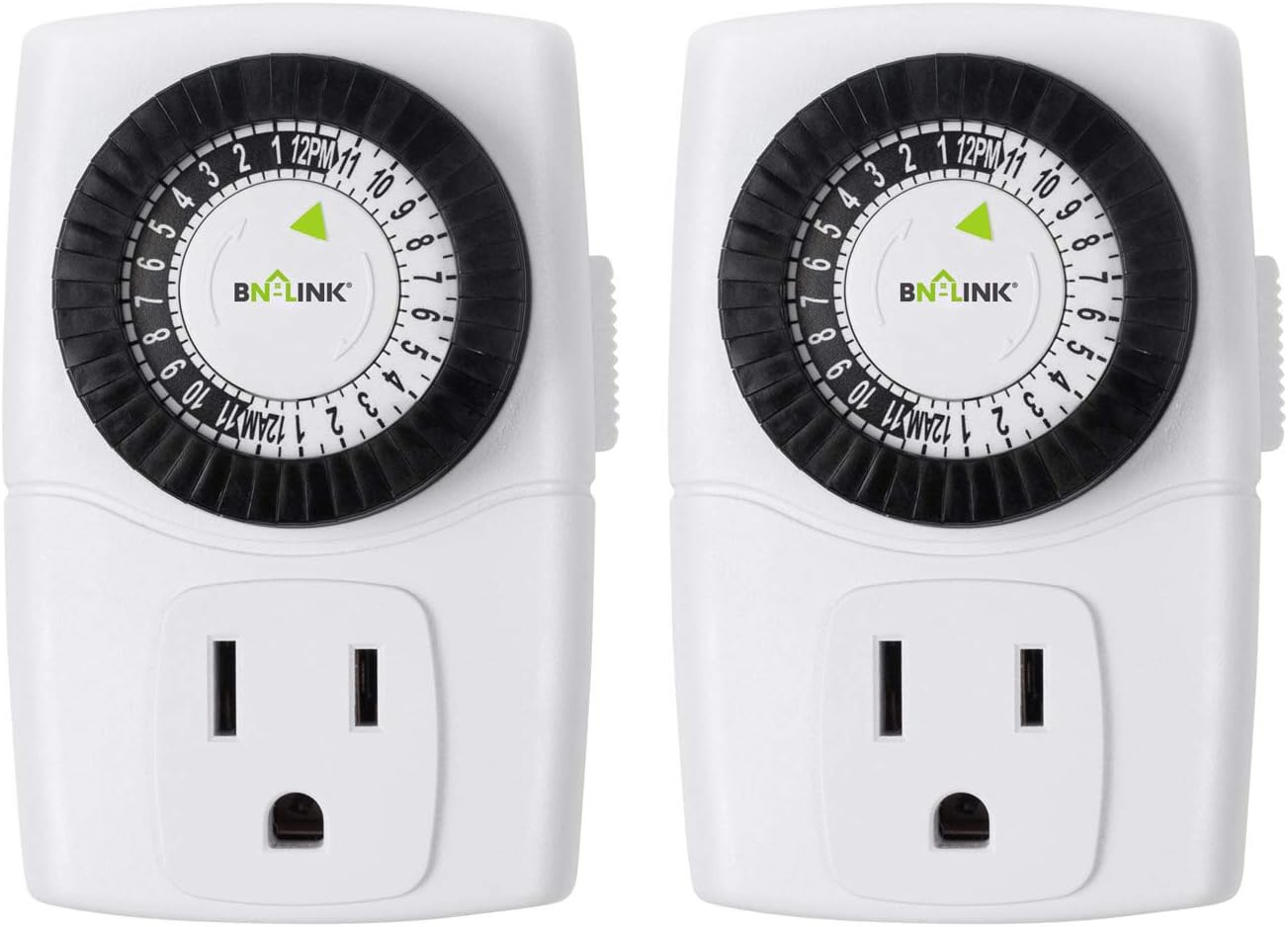
BN-LINK BND-60/U47 Indoor Mini 24-Hour Mechanical Outlet Timer, 3-Prong, 2-Pack
See current price

Compare switches and dimmers by wiring configuration, load requirements, control style, and installation needs. Use the catalog to narrow options by features and specifications.
1,115 products in catalog
1,115 results
BN-LINK
See current price




Lutron
See current price


Pass & Seymour
See current price


Lutron
See current price
Switches and dimmers control how lighting and some connected loads operate, but the right choice depends on more than appearance. Start by identifying the wiring setup, electrical load, location, and control method required for the installation.
This category includes conventional wall switches, dimmers, timers, occupancy controls, smart controls, and specialty options. For broader electrical components, browse the Electrical category and compare related products by their specifications.
First, determine what the control needs to do. A standard switch may be suitable for simple on-and-off lighting, while a dimmer is intended for adjustable light levels. A timer can automate operation, and an occupancy or vacancy control may help manage lighting in rooms used intermittently.
Key questions to answer before comparing models include:
If the existing wiring is unclear, switch off power at the appropriate breaker and identify the circuit before removing a device. Electrical work should follow local requirements, and professional assistance may be appropriate when wiring or load compatibility is uncertain.
Single-pole switches control a light or load from one location and are often the straightforward choice for basic installations. Three-way switches are used when the same light is controlled from two locations, such as at opposite ends of a hallway. Four-way arrangements add another control point between compatible three-way switches.
Dimmer switches vary light output rather than simply turning a circuit on or off. Compare the dimmer’s supported load type, minimum and maximum load requirements, adjustment method, and compatibility with the bulbs being used. Some dimmers are designed for specific lighting technologies, so the fixture and bulb specifications matter.
Timer and sensor switches can operate lights according to a schedule or detect activity. Consider whether the control offers manual override, adjustable timing, sensitivity settings, or a neutral-wire requirement. Smart switches add connected control, but buyers should also check the required hub, wireless system, app compatibility, and network setup.
Electrical ratings are among the most important details. Compare voltage, current capacity, wattage limits, and the type of load the device is designed to control. A rating suitable for lighting may not apply to a fan, motor, heater, or other specialized load.
Also check the wiring terminals and installation requirements. Some devices use screw terminals, while others support push-in connections or require a neutral wire. Confirm whether the switch fits the existing wall box and whether its design supports the desired wall plate.
Useful convenience and design features may include:
For matching trim and replacement covers, compare the catalog’s Wall Plates & Accessories. If the project also involves receptacles, see Outlets & Accessories.
The catalog includes switches and dimmers from Leviton, Intermatic, Lutron, DEWENWILS, GE, BESTTEN, Woods, Honeywell, ENERLITES, TOPGREENER, GE home electrical, and BN-LINK. Brand availability can vary by product type, so compare each listing’s wiring, load, installation, and control specifications rather than relying on the brand name alone.
For installation preparation, Testers may be relevant when checking circuits and identifying electrical conditions. Other project components, including Cords, Adapters & Multi-Outlets and Breakers, Load Centers & Fuses, should be selected according to the complete electrical setup.
Match the replacement device to the existing circuit and connected load before purchase. Take note of the current switch type, terminal arrangement, wire configuration, wall-box depth, and plate size. For dimmers, confirm that the bulbs and fixtures are designed to work with the selected control; incompatible combinations may produce flicker, buzzing, limited adjustment, or unreliable operation.
Do not assume that a smart, timer, or sensor switch can replace any standard switch without additional requirements. Neutral wires, grounding, load minimums, hubs, and wireless connectivity can all affect compatibility. When working around electrical wiring, disconnect power, verify that the circuit is de-energized with an appropriate tester, and follow the manufacturer’s instructions.
A switch generally turns a load on or off, while a dimmer adjusts the output level of compatible lighting. The connected bulb or fixture must support the dimmer’s requirements.
A three-way device is intended for circuits controlled from multiple locations. Match the replacement to the existing wiring arrangement and verify the installation instructions before choosing a device.
No single assumption applies to every model. Neutral-wire requirements vary, so check the product specifications and the wiring available in the wall box.
Compare the circuit voltage, load type, supported wattage or current range, bulb compatibility, wiring requirements, control style, and physical fit.
Sensor controls can be useful where automatic operation is wanted, but room layout, mounting position, sensitivity, timing, and manual override features should be considered before installation.