
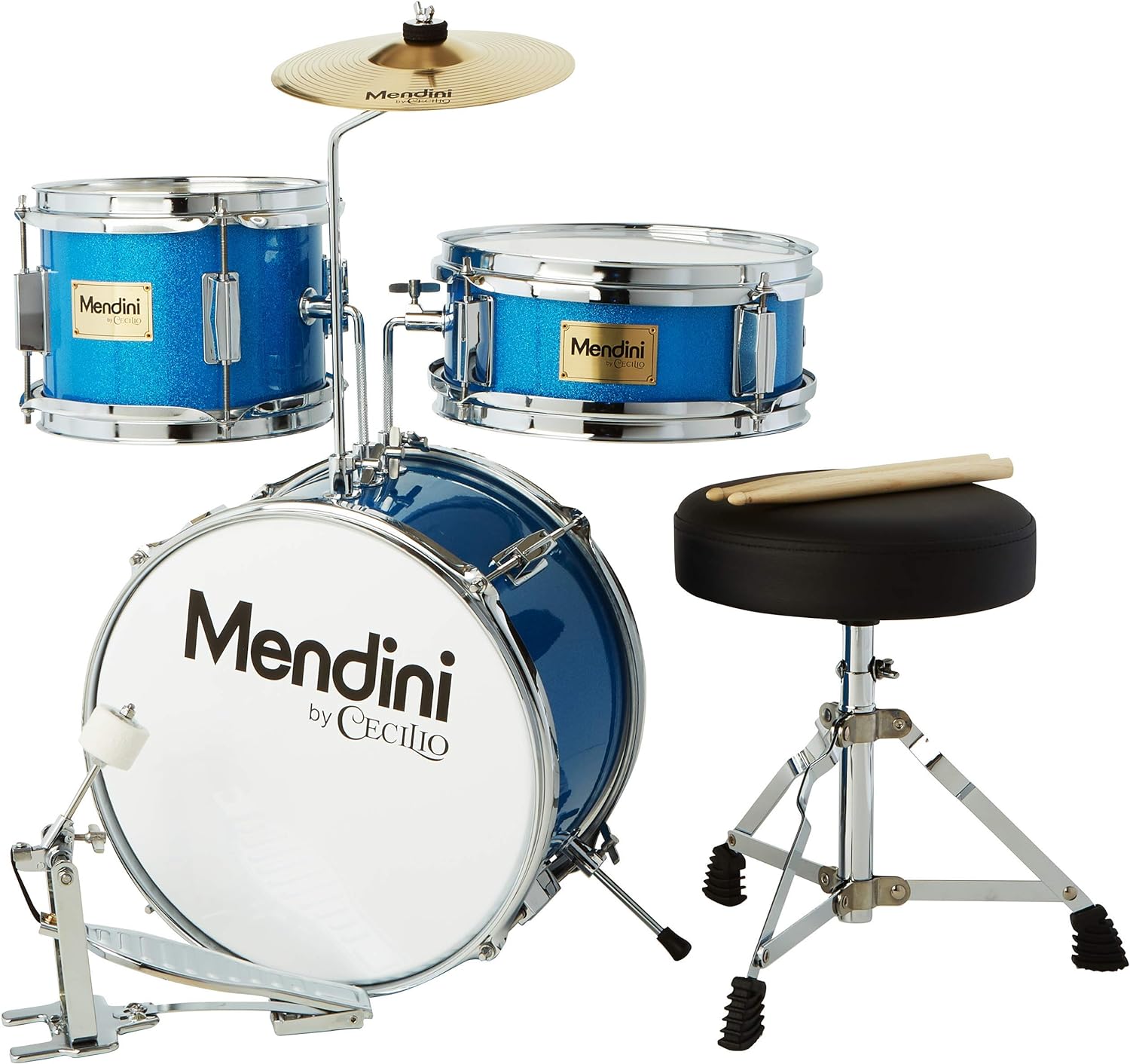
Drum Sets & Set Components
Compare drum sets and individual components by configuration, materials, hardware, and compatibility. Use the listed specifications to find equipment that fits your playing style and setup.
132 products in catalog
132 results
Filters

Music Alley
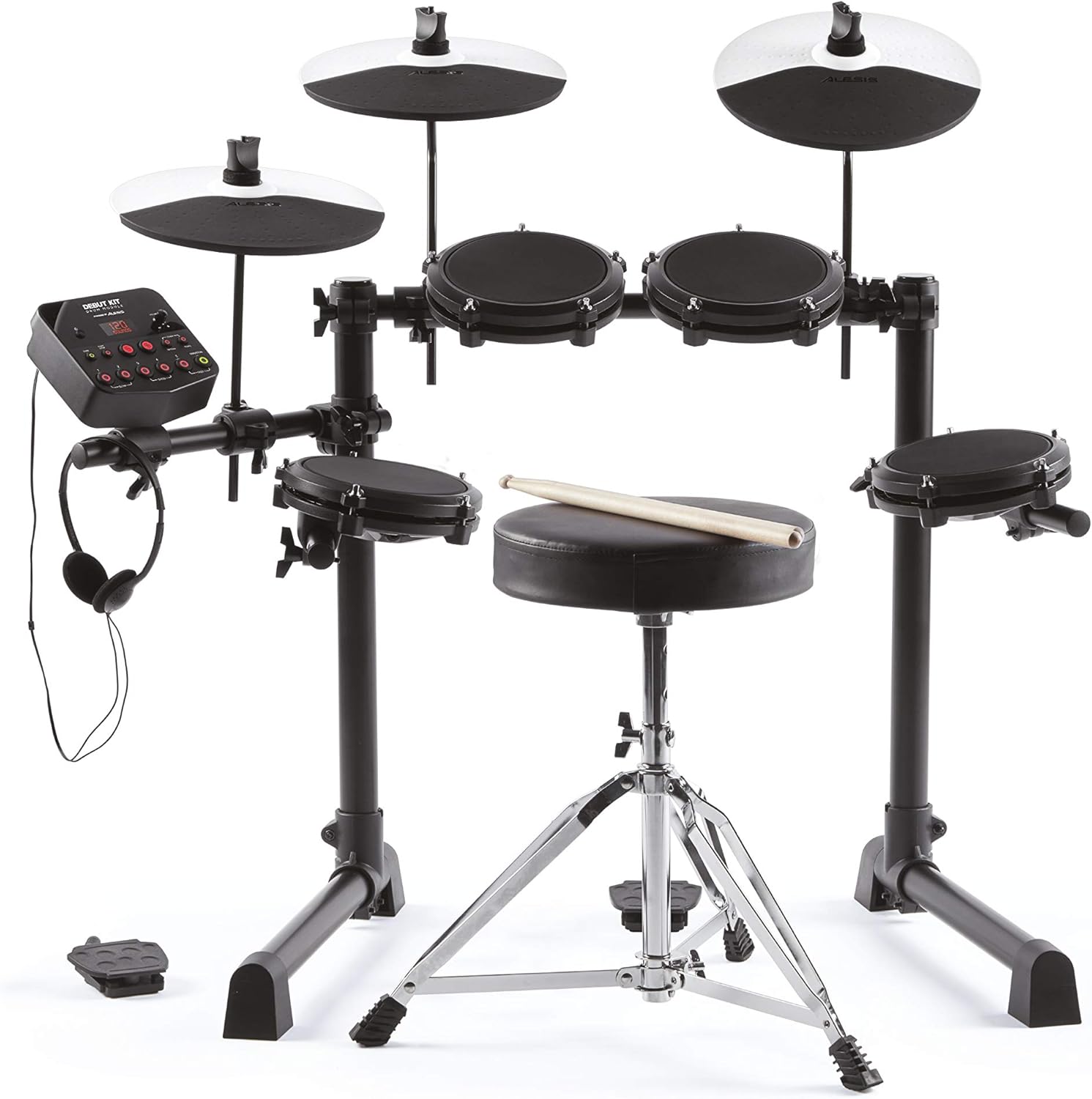
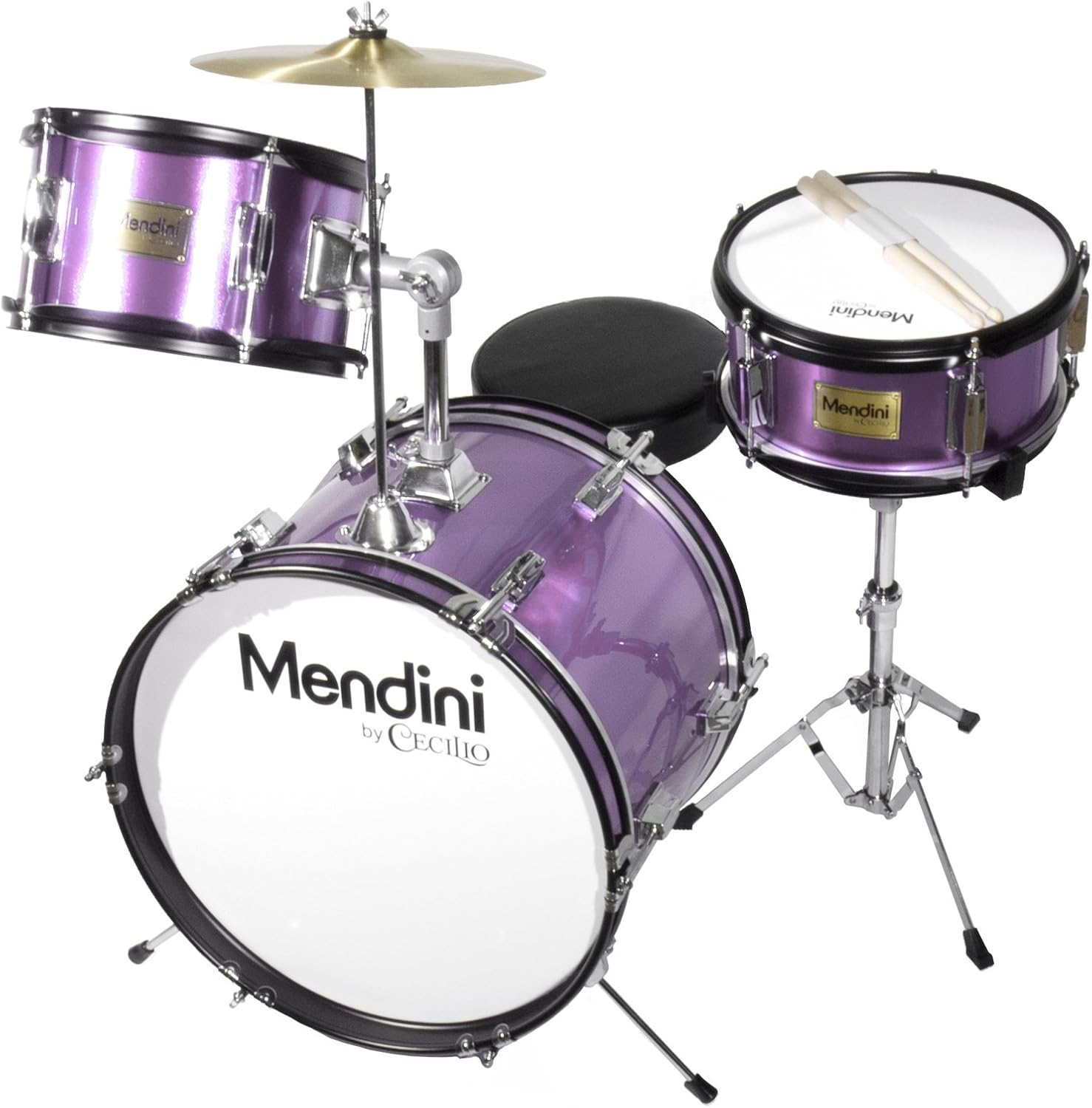
Music Alley 3 Piece Kids Drum Set with Throne, Cymbal, Pedal & Drumsticks, Blue, (DBJK02)
See current price




Mose Cafolo
Zen Art Brass Feng Shui Desktop Gong For Home Office Table Decor Collectible Figurines
See current price


Robert Sheldon (Author), Peter Boonshaft (Author), Dave Black (Author), Bob Phillips (Author)
Sound Innovations for Concert Band, Bk 1: A Revolutionary Method for Beginning Musicians (Percussion---Snare Drum, Bass Drum & Accessories), Book & Online Media
See current price


Gammon Percussion
Gammon Percussion 5-Piece Junior Starter Drum Kit with Cymbals, Hardware, Sticks, & Throne - Black
See current price


Mendini by Cecilio
Mendini Student Snare Drum Set with Gig Bag, Sticks, Stand and Practice Pad Kit, Blue, MSN-1455P-BL
See current price


Best Choice Products
Best Choice Products Kids Drum Set 3-Piece Beginner Drum Set Junior Drum Set, w/Throne Stool, Cymbal, Drum Sticks, Bass Drum Pedal, 2 Toms - Red
See current price


Gammon Percussion
Gammon Percussion Full Size Complete Adult 5 Piece Drum Set with Cymbals Stands Stool and Sticks, Black
See current price


Popular brands in Drum Sets & Set Components
Drum Sets & Set Components cover the core equipment used to build, expand, repair, or customize a drum setup. Whether you are assembling a first kit, replacing worn parts, or refining an existing configuration, comparing specifications carefully can help you choose compatible equipment for your space and playing goals.
This category includes complete sets as well as individual pieces and accessories. Product pages can help you compare included components, construction details, mounting options, and other features before visiting Amazon to check current availability and pricing.
How to choose drum equipment
Start by deciding whether you need a complete setup or only a replacement or upgrade. A complete set may be convenient when you want coordinated components, while individual pieces are more useful when your current kit already meets most of your needs.
Consider these factors before comparing specific products:
- Playing purpose: Practice, lessons, recording, rehearsal, live performance, and casual use can call for different priorities.
- Available space: Check the footprint of the assembled kit, along with room for a throne, cymbal stands, pedals, and comfortable movement.
- Experience level: Beginners may value a straightforward package with the essential components, while experienced players may prefer more control over each part of the setup.
- Expansion plans: If you expect to add drums, cymbals, or hardware later, check whether the existing configuration leaves room for expansion.
- Compatibility: Confirm mounting styles, stand requirements, pedal connections, and dimensions when mixing components from different manufacturers.
Complete sets and individual components
A complete acoustic drum set is designed to provide the main pieces needed for playing, though the exact contents vary by listing. Check whether the package includes drums only or also includes cymbals, stands, pedals, a throne, sticks, or tuning accessories.
Individual components can be a practical choice for replacing a damaged part or tailoring a kit to personal preferences. Common areas to compare include drum shells, heads, hoops, lugs, bass drum pedals, cymbal stands, tom mounts, snare hardware, and other setup pieces. Product descriptions should be reviewed closely to determine what is included and what must be purchased separately.
For players considering alternatives to acoustic equipment, Electronic Drums offer a separate category to explore. Other percussion options are available through Hand Percussion, Concert Percussion, and Folk & World Hand Drums.
Key specifications to compare
The most useful specifications depend on the component, but several details are broadly important:
- Materials and construction: Shell material, hardware finish, head type, and overall construction can affect appearance, durability, tuning behavior, and maintenance needs.
- Dimensions: Compare drum sizes, stand height ranges, folded or assembled dimensions, and available adjustment points.
- Included hardware: Identify which stands, mounts, pedals, brackets, and accessories come with the product.
- Adjustment and mounting: Look for adjustable hardware and confirm that mounting points match the rest of your kit.
- Sound-shaping features: For drums and heads, review details such as head construction, shell design, dampening options, and tuning features where provided.
- Portability: If you transport equipment, consider weight, detachable parts, storage requirements, and whether cases or bags are included.
Brands represented in the catalog
The catalog includes products from Meinl Cymbals, Mendini by Cecilio, Avedis Zildjian Company, LAGRIMA, GLORY, Gibraltar, Sabian, EVANS, Ashthorpe, Eastar, Latin Percussion, and Pearl. These brands may appear across different types of drum equipment and components, so compare the specifications of each individual listing rather than relying on the brand name alone.
Setup, care, and compatibility tips
Before assembling a kit, organize the hardware so each stand and mount can be adjusted without forcing connections. Tighten fittings securely, but avoid overtightening threaded parts or wing nuts. Check that pedals sit firmly, stands remain stable, and moving parts operate smoothly.
Drum heads and cymbals are wear items that may eventually need replacement. When replacing them, verify the required dimensions and mounting arrangement. Keep equipment dry, wipe down surfaces after use, and store detachable components in a way that prevents unnecessary contact or impact. For a mixed-brand setup, rely on measurements and connection details rather than assuming universal compatibility.
If your search begins with the broader instrument family, browse Drums & Percussion to compare related equipment categories.
Frequently asked questions
What is included in a complete drum set?
Contents vary by product. Some listings may include drums and essential hardware, while others may also include cymbals, stands, pedals, a throne, or accessories. Review the included-items list carefully.
Should I buy a complete set or individual components?
Choose a complete set when you need most of the core equipment at once. Individual components are better when replacing a specific part, expanding a current kit, or selecting specialized hardware.
Can components from different brands be used together?
Often, but compatibility depends on dimensions, mounting points, thread types, and hardware design. Compare the specifications of both the existing equipment and the replacement component before ordering.
What should beginners prioritize?
Beginners should focus on a complete, practical configuration, stable hardware, clear included-items information, and a setup that fits the available practice space. Straightforward adjustment can also make setup easier.
How can I choose equipment for a small room?
Measure the available area first, allowing space for the player and hardware movement. Look for compact configurations, adjustable stands, and components that can be stored or repositioned when not in use.