

Folk & World Hand Drums
Explore folk and world hand drums for rhythm practice, ensemble playing, cultural music, performance, and creative percussion. Compare construction, playing feel, tuning, and included accessories before clicking through to Amazon.
53 products in catalog
53 results
Filters


Foraineam
Foraineam 10 Inch & 8 Inch Hand Drum Percussion Wood Frame Drum with Drum Stick
See current price



Foraineam
Foraineam 12 Inch & 10 Inch & 8 Inch Hand Drum Percussion Wood Frame Drum with Drum Stick
See current price


GP Percussion
GP Percussion B2 Pro-Series Tunable Bongos 6 & 7 Inch (Clear Finish, Hickory)
See current price

bstinay
Bstinay Natural Color 10" Wave Bead Ocean Drum Musical Instrument Percussion
See current price

Latin Percussion
Latin Percussion LPA601F-BK LP Aspire Fiberglass Bongos - Black/Black
See current price


Popular brands in Folk & World Hand Drums
Folk and world hand drums offer a direct, expressive way to create rhythm without a full drum kit. This category includes instruments played with the hands, fingers, or a combination of hand techniques, making them suitable for beginners, performers, educators, and musicians building a percussion setup.
When comparing options, focus on the drum’s playing style, shell and head construction, size, tuning method, and portability. The right choice depends on whether you want deep bass tones, crisp finger articulation, a compact practice instrument, or a drum designed for group performance.
How to choose a folk or world hand drum
Start with the sound and technique you want to develop. Some hand drums emphasize low, resonant tones, while others are valued for sharp slaps, open tones, and detailed finger patterns. Consider where and how the drum will be used:
- For beginners: Look for a manageable size, comfortable playing surface, and straightforward tuning or maintenance.
- For practice: A compact, portable drum can be easier to keep available for regular playing.
- For performances: Pay closer attention to projection, shell stability, head quality, and how comfortably the instrument can be positioned.
- For ensembles: Consider whether the drum’s tone will complement other percussion rather than overlap with it.
Hand position and comfort matter as much as specifications. A drum that feels natural to hold or place between the knees may encourage more consistent practice.
Types and playing approaches
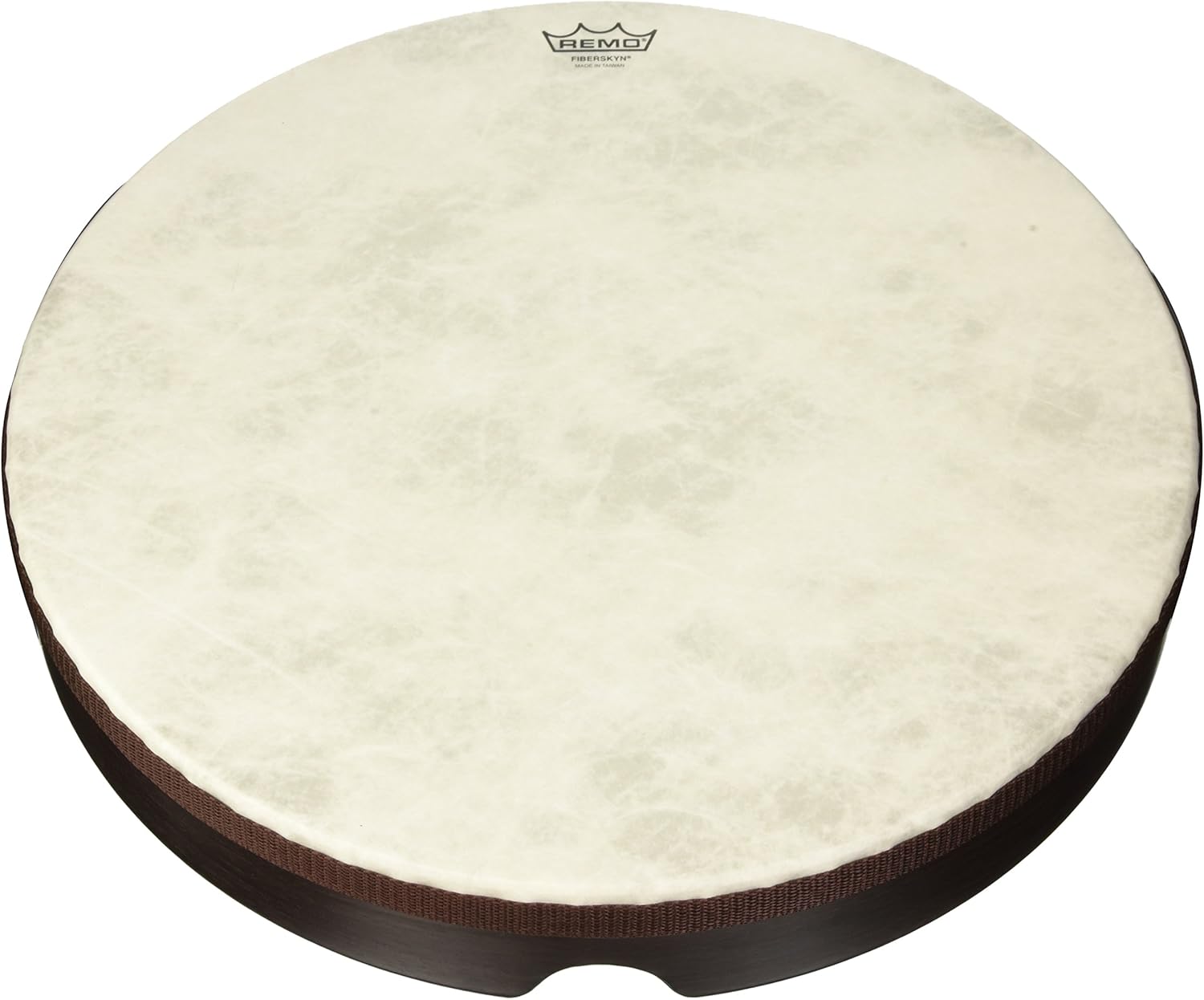
Folk and world hand drums cover a broad range of traditional and contemporary designs. Goblet-shaped drums are commonly played with both hands and can provide a mixture of bass, open, and muted tones. Frame-style drums are often lightweight and portable, with playing surfaces that support both rhythmic patterns and more delicate accompaniment.
Other designs may use a barrel, cylindrical, or rounded shell. These shapes can produce different amounts of resonance and may suit seated playing, standing performance, or use in a percussion circle. If you are interested in a wider selection of hand-played instruments, browse the related Hand Percussion category.
Key features and specifications to compare
Product descriptions can vary, so compare the following details across instruments rather than relying on appearance alone:
- Shell material: Wood, synthetic, and composite shells can differ in weight, resonance, durability, and response to changes in the environment.
- Drumhead material: Natural hide may provide a traditional feel, while synthetic heads can offer more consistent performance and simpler care.
- Tuning system: Rope-tuned and mechanically tuned drums have different adjustment methods. Check whether tuning tools or instructions are included.
- Dimensions and weight: These affect portability, playing position, storage, and how easily the drum fits into a case or bag.
- Playing surface: Review the head diameter and surface finish to determine whether it suits broad palm strokes or detailed finger work.
- Included accessories: Some listings may include stands, straps, bags, tuning tools, or instructional materials. Confirm the product details before choosing.
A larger shell or playing surface does not automatically make an instrument the right choice. Match the design to your desired tone, technique, and available storage space.
Brands represented in the catalog
The catalog includes folk and world hand drums from Remo+, Meinl Percussion, Foraineam, Eastar, JIVE, Latin Percussion, B.N.D TOP, Pyle, MUSICUBE, Enjay, Deco 79, and Lotmusic. These brands may offer different approaches to shell materials, head construction, tuning, finish, and included accessories.
Use brand names as a starting point, then compare the specifications of individual products. Construction details and intended use are more useful than choosing based on a brand alone.
Care, storage, and setup tips
Keep the drum away from prolonged exposure to moisture, extreme heat, and rapid temperature changes. These conditions can affect natural heads, shell materials, hardware, and tuning stability. Wipe the instrument with a soft, dry cloth and follow any care instructions supplied with the product.
Before playing, place the drum securely so it will not slide or tip. Avoid striking the head with hard objects unless the product is specifically designed for that use. If the drum has adjustable tuning hardware, make small, even adjustments and avoid excessive tension.
For players comparing hand drums with other percussion formats, Concert Percussion may be useful for formal ensemble instruments, while Drum Sets & Set Components covers kit-oriented equipment. Electronic Drums may suit players who need amplified sounds, headphone practice, or electronic features.
Frequently asked questions
Are folk and world hand drums suitable for beginners?
Yes. Many hand drums use intuitive hand techniques and can be played without pedals or a full kit. Beginners should prioritize comfort, manageable size, and clear product information.
What is the difference between natural and synthetic drumheads?
Natural heads can provide a traditional response and tone but may require more environmental care. Synthetic heads are often chosen for consistent performance and easier maintenance.
Do all hand drums need tuning?
Not all do. Some use fixed or minimally adjustable heads, while others include rope or hardware tuning systems. Check the product specifications and included components.
How should a hand drum be stored?
Store it in a dry, moderate environment away from direct heat and moisture. A suitable bag or case can help protect the shell and head during transport.
Can a hand drum be used in an ensemble?
Yes. Choose a tone and volume that complement the other instruments, and consider the drum’s portability and playing position for rehearsals or performances.
What should I compare before buying?
Compare shell and head materials, dimensions, weight, tuning method, intended playing style, and included accessories. These details help match the instrument to your technique and use case.