

Duvets & Down Comforters
Compare duvets and down comforters by fill material, warmth, construction, size, and care requirements. Use the catalog to narrow options for your bed and sleep preferences.
741 products in catalog
741 results
Filters






Beckham Luxury Linens
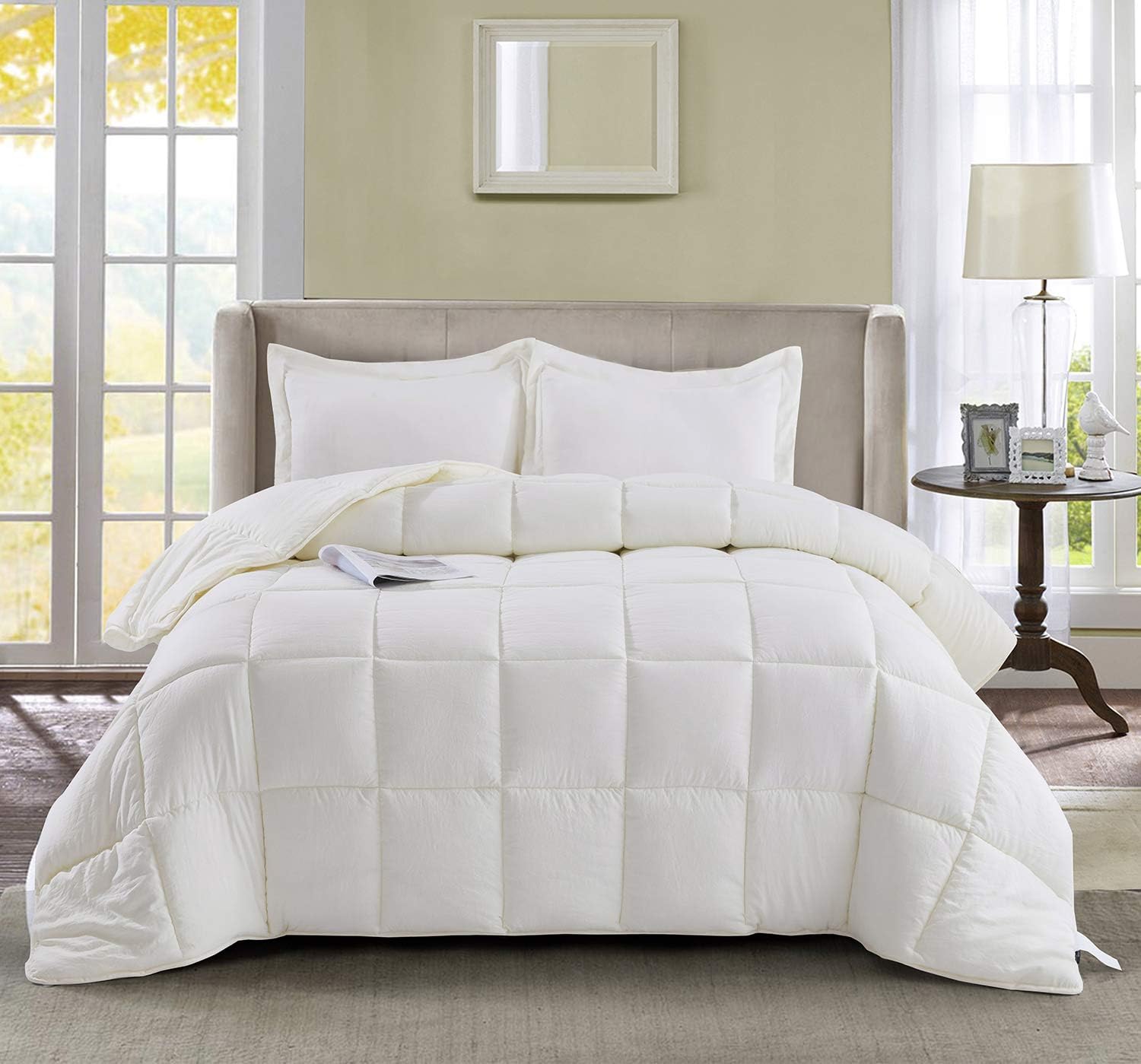
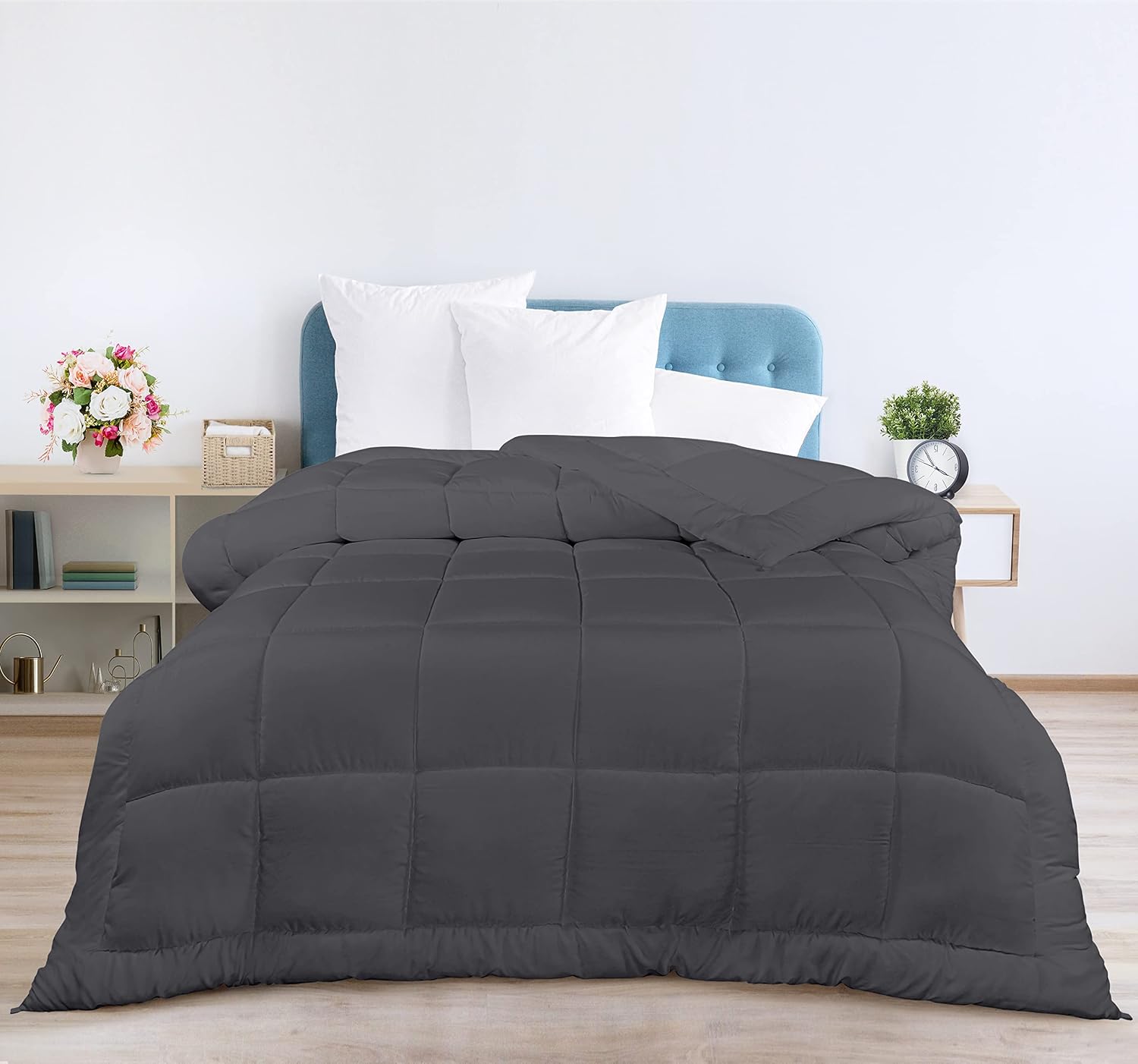
1600 Series Lightweight Goose Down Alternative Comforter Full/Queen / Cream
See current price


Amazon Basics
Amazon Basics Down Alternative Bedding Comforter Duvet Insert - Twin, White, All-Season
See current price



Beckham Hotel Collection
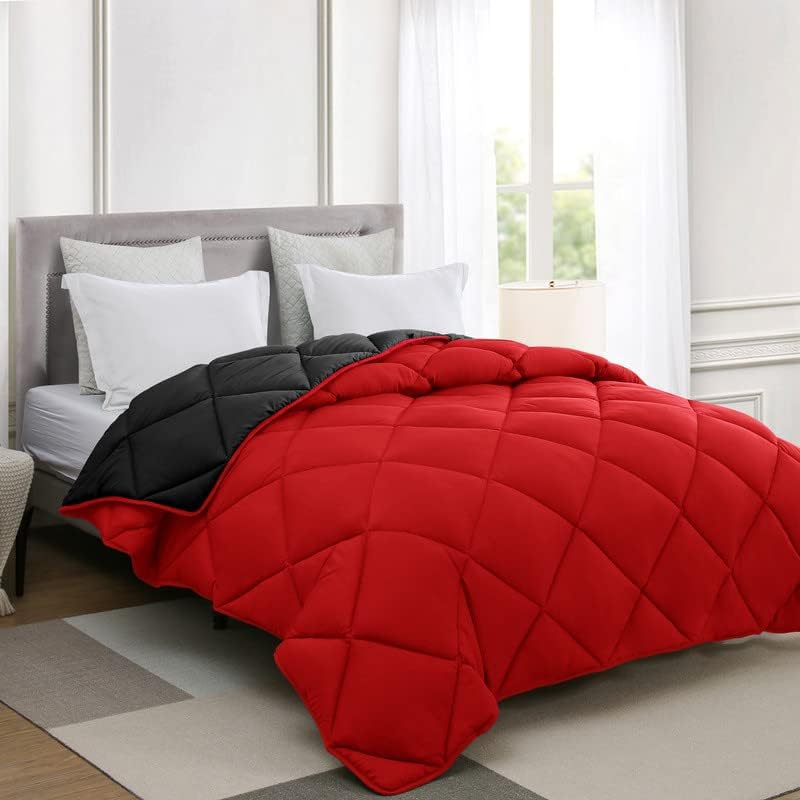
Beckham Luxury Linens King/California King Size Comforter - 1600 Series Down Alternative Home Bedding & Duvet Insert - Slate Gray
See current price


Egyptian Cotton Factory Outlet
Luxurious Goose Down Feather Fiber Comforter Duvet Insert, Exquisite Pinch Pleat Black Design, Oversize Palatial King 120 x 98, Premium Baffle Box 100% Egyptian Cotton, 90 oz Fill Weight
See current price


Popular brands in Duvets & Down Comforters
A duvet or down comforter can affect how warm, breathable, and comfortable your bed feels throughout the night. The right choice depends on your preferred sleeping temperature, the season, the size of your mattress, and how much maintenance you want to handle.
K-Catalog helps shoppers compare bedding specifications and features before clicking through to Amazon for current product details. For a broader look at bedding, visit the Bedding category.
How to choose a duvet or comforter
Start with the fill. Natural down is valued for its warmth-to-weight ratio and compressibility, while down-alternative fills can suit shoppers who prefer synthetic materials or easier care. Other options may use blended or specialty fibers designed to provide loft, softness, or a particular level of warmth.
Consider your sleeping temperature as well. A lightweight comforter may be more comfortable for warm sleepers or mild weather, while a warmer design can work better in a cool bedroom. All-season styles are intended to provide practical versatility, but the actual feel depends on the fill, construction, fabric, and personal preference.
Also check the dimensions carefully. Compare the listed size with your mattress and desired amount of side coverage. Mattress depth, bed frame height, and whether you use a duvet cover can all affect how a comforter fits.
Types and construction to compare
Duvets and down comforters are available in several practical designs:
- Down comforters: Filled with natural down or a down blend, these are often chosen for lightweight insulation and a lofty feel.
- Down-alternative comforters: Synthetic fill provides an alternative to natural down and may be a useful choice for shoppers seeking simplified care or a different material preference.
- Lightweight comforters: Better suited to warm sleepers, summer use, or bedrooms that stay comfortably heated.
- Warm or winter comforters: Built for added insulation when temperatures drop or when a more enveloping feel is preferred.
- All-season comforters: Designed as a flexible middle ground for changing conditions and everyday use.
- Reversible and textured designs: These can add visual interest while allowing the comforter to coordinate with different bedding styles.
The shell construction matters as well. Baffle-box designs can help keep fill distributed across the comforter, while sewn-through sections create a flatter, more structured appearance. Check the product description for details about stitching, edge binding, corner loops, and whether the design is intended for use with a duvet cover.
Key features and specifications
When comparing products, pay attention to the following details:
- Fill material: Identify whether the comforter uses down, down alternative, polyester, cotton, wool, or a blend.
- Warmth level: Look for descriptions such as lightweight, medium warmth, extra warmth, or all-season, while remembering that terminology can vary between products.
- Shell fabric: Cotton, microfiber, and other textiles can differ in softness, breathability, texture, and care needs.
- Construction: Box stitching, baffle boxes, quilting, and corner loops affect how the fill is positioned and how the duvet works with a cover.
- Size and dimensions: Compare the listed measurements with the mattress and the amount of drape you want.
- Care instructions: Confirm whether the comforter is machine washable, requires a large-capacity machine, or should be professionally cleaned.
- Noise and feel: Some tightly woven shells may feel crisper or make more rustling noise, while softer fabrics may have a smoother drape.
If you plan to use a cover, look for corner or side ties that help secure the insert. You can coordinate the insert with options in Duvet Covers & Sets, while Sheets & Pillowcases can complete the rest of the bed.
Brands represented in the catalog
The catalog includes products from HOMBYS, WhatsBedding, ROYALAY, Wamsound, EDILLY, Web Linens Inc, ABAKAN, HARNY, Vonabem, CHOKIT, Sharry HOME LINEN, and Oubonun. Compare each listing by its stated fill, dimensions, construction, warmth description, and care instructions rather than relying on the brand name alone.
For a layered bedroom setup, browse Blankets & Throws, Bed Pillows & Positioners, or Decorative Pillows, Inserts & Covers. Families furnishing a child’s room may also want to explore Kids' Bedding.
Care and storage tips
Follow the product’s care label before washing or drying. A bulky comforter may need extra room to move freely, and incomplete drying can leave fill damp or unevenly distributed. Gentle shaking and occasional redistribution can help maintain loft, when recommended by the manufacturer.
Use a duvet cover when practical to reduce direct contact with body oils, spills, and dust. During warmer months, store the comforter in a breathable fabric bag rather than a tightly compressed container, and keep it in a dry location.
Frequently asked questions
Is a duvet the same as a comforter?
A duvet is typically an insert designed to be used with a removable cover, while a comforter is often a finished bed covering used on its own. Product terminology can vary, so check the construction and included components.
Is down warmer than down alternative?
Warmth depends on fill quality, fill amount, construction, and the shell—not only whether the fill is natural or synthetic. Compare the stated warmth level and specifications for each product.
What size duvet should be used on a bed?
Choose a size that matches the mattress and provides the amount of side and foot coverage you prefer. Check the listed dimensions instead of relying only on general size labels.
Are down comforters suitable for warm sleepers?
They can be, especially when labeled lightweight or designed for lower warmth. Breathability, bedroom temperature, sleepwear, and personal comfort also affect how warm a comforter feels.
Can a duvet be used without a cover?
Some inserts can be used directly, but a cover helps protect the shell and makes routine cleaning easier. Confirm the manufacturer’s care guidance before using the duvet on its own.