

Edge & Corner Guards for Baby Safety
Compare edge and corner guards for tables, counters, shelves, and other hard surfaces. Review materials, coverage, attachment methods, and fit to find options suited to your home.
255 products in catalog
255 results
Filters
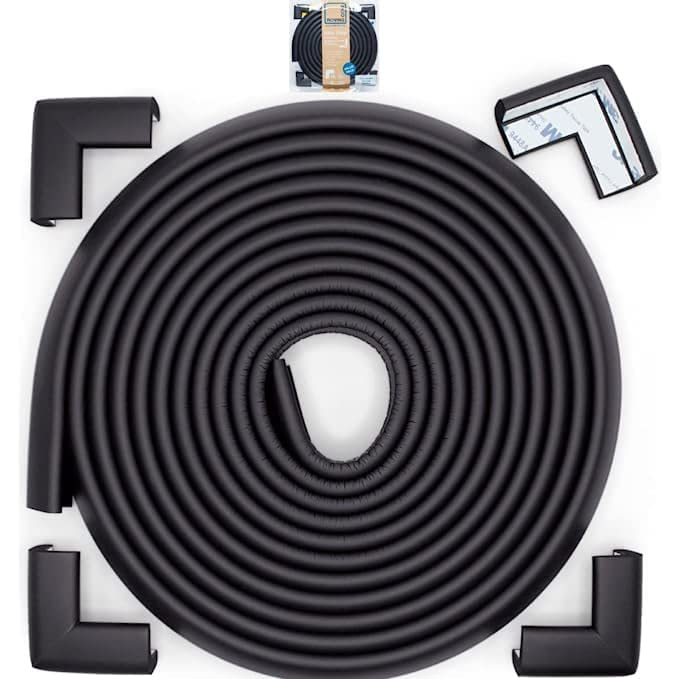


Sure Basics
Baby Corner Protectors for Furniture - Corner Guards Pre-Taped, Black, 12 Pack
See current price


Jool Baby Products
Door Pinch Guards (6 Pack) Baby Proof Doors Extra Soft Foam, Sleek Design, Child Safety, Baby Safety Finger Protectors - Jool Baby
See current price


![[8 Pack] BYETOO Door Finger Pinch Guards,Baby Proof Door Slam Stopper,Protect Child Fingers with Soft Foam Guard,Prevent Finger Pinch Injuries,Slamming Door,Child or Pet from Getting Locked in Room](https://m.media-amazon.com/images/I/613I9qxGJDL._SL1500_.jpg)


Popular brands in Edge & Corner Guards
Edge and corner guards are designed to cushion or cover sharp furniture edges and corners in areas where young children play or move. They can help make tables, countertops, cabinets, hearths, and other hard surfaces less hazardous, but they work best as one part of a broader child-safety plan.
This K-Catalog category brings together options from brands including Elf Star, Loiion, Roving Cove, Wemk, KidKusion, TinyPatrol, HOMREALM, Safety 1st, Winthome, baby mate, Dreambaby, and BQLZR. Compare product specifications and installation details before selecting protection for each surface.
How to choose edge and corner guards
Start by identifying the surfaces that need protection. Measure the length of exposed edges and check the shape of each corner. A square table corner may need a dedicated corner cushion, while a long countertop or shelf may be better suited to an edge strip or roll. Rounded, beveled, unusually thick, or irregular surfaces may require a more flexible design or careful compatibility checking.
Consider the following factors:
- Coverage: Check whether the product protects only the corner, covers a straight edge, or does both.
- Material: Soft foam, rubber-like materials, silicone, and other cushioned constructions can differ in flexibility, thickness, and feel.
- Attachment: Adhesive backing, pre-applied tape, or other mounting methods affect installation and removal.
- Fit: Compare the listed dimensions with the furniture’s edge width, corner profile, and surface area.
- Visibility: Clear or neutral designs may blend into furniture, while more noticeable guards can make protected areas easier to identify.
Types of edge and corner protection
Corner cushions
Corner cushions are made for exposed points on tables, desks, counters, shelves, and similar furniture. Look for a shape that matches the corner angle and enough coverage to stay in place during normal household activity.
Edge strips and rolls
Edge strips are intended for long, straight sections such as table edges, fireplace surrounds, counters, and shelving. Some designs can be cut or adjusted during installation, but shoppers should confirm the product’s instructions and dimensions before trimming or applying.
Multi-surface guard sets
Sets can be useful when several pieces of furniture need protection or when a room contains both corners and straight edges. Check what pieces are included and whether the attachment method is appropriate for every surface where the guards will be used.
For other areas of a childproofing plan, browse Guards & Locks, Gates & Gate Extensions, and Electrical Safety. These categories address different household hazards and are not substitutes for edge protection.
Key specifications to compare
Pay close attention to dimensions, especially the guard’s thickness, width, length, and corner coverage. A guard that is too small may leave part of an edge exposed, while one that is too large may interfere with drawers, doors, seating, or normal use of the furniture.
Review the surface compatibility information as well. Finished wood, glass, metal, stone, laminate, and textured materials may accept adhesives differently. The condition of the surface also matters: dust, grease, moisture, and loose finishes can affect attachment. If a product requires cleaning or preparation, follow the manufacturer’s directions rather than relying on a general installation method.
Also compare whether the design is flexible or rigid, how it joins at corners, and whether it is intended for indoor use. If a guard is being considered for a fireplace, radiator, glass surface, or another specialized area, check its stated use carefully instead of assuming that a general-purpose cushion is suitable.
Installation and safety tips
Before installing, clean and dry the surface as directed and test the placement without removing the backing. Align the guard carefully so it covers the intended hazard without blocking hinges, drawers, or walkways. Apply firm, even pressure if the instructions call for it, then allow any recommended setting time before normal use.
Inspect guards regularly for loose sections, peeling adhesive, cracks, compression, or damage. Replace a product that no longer stays securely attached. Keep small detachable pieces and packaging away from children, and avoid choosing a guard that creates a new protruding or chewable hazard. Edge guards reduce impact risk but do not eliminate the need for supervision and broader home safety measures.
For related childproofing needs, Safety provides the parent category, while Monitors and Bathroom Safety cover additional safety considerations. Harnesses & Leashes may also be relevant for families comparing mobility and supervision products.
Brands in the catalog
The catalog includes edge and corner guard products from Elf Star, Loiion, Roving Cove, Wemk, KidKusion, TinyPatrol, HOMREALM, Safety 1st, Winthome, baby mate, Dreambaby, and BQLZR. Brand availability can vary by product, so compare each listing’s materials, dimensions, attachment method, and intended surface rather than relying on the brand name alone.
Frequently asked questions
Where can edge and corner guards be used?
They are commonly considered for exposed furniture corners and straight edges, including tables, desks, counters, shelves, and similar hard surfaces. Always check the product’s stated compatibility first.
Are corner cushions suitable for every table?
No. Corner shape, surface material, thickness, and available mounting area can vary. Match the cushion’s dimensions and design to the furniture before installation.
Should edge guards cover the entire piece of furniture?
Protection needs depend on the furniture and the child’s access. Measure exposed sections and check whether the selected product is intended for continuous edges, individual corners, or both.
How should installed guards be maintained?
Check them regularly for movement, peeling, cracks, or other damage. Clean them only as directed and replace any guard that cannot remain securely attached.
Do edge and corner guards replace supervision?
No. They are one layer of childproofing. Active supervision and other measures, such as securing furniture and blocking access to separate hazards, remain important.