

Electronic Pets for Kids: Compare Interactive Toys
Compare electronic pets by interaction style, features, power needs, and included accessories. K-Catalog helps shoppers review specifications before visiting Amazon to check current availability.
377 products in catalog
377 results
Filters

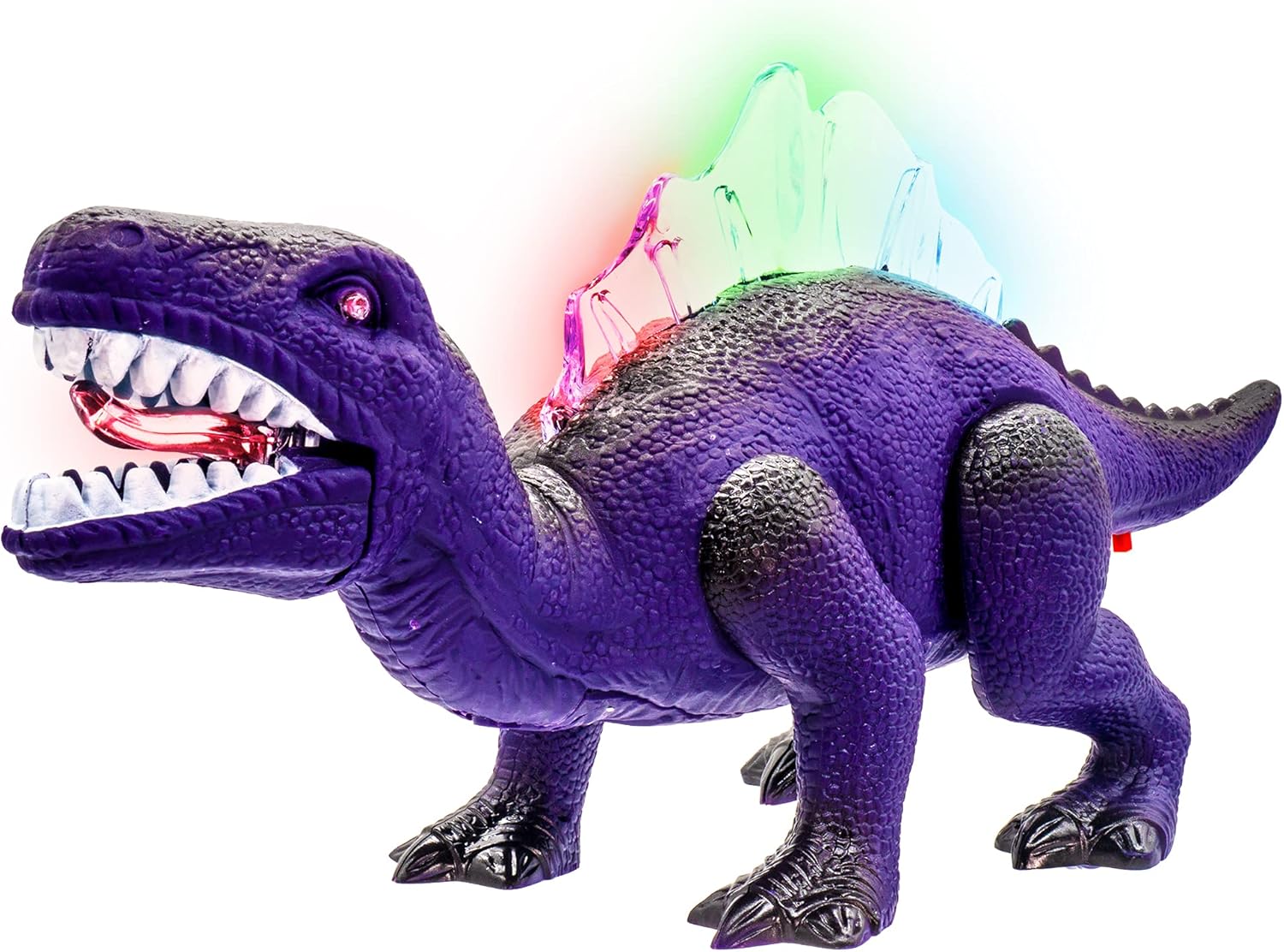
Windy City Novelties
Windy City Novelties Light-up Walking Dinosaur Toy with Sound - Perfect for Boys & Girls Ages 2-8
See current price


Bandai America
Bandai Original Digimon Digivice Virtual Pet Monster - Translucent Blue
See current price


Spin Master
Juno My Baby Elephant with Interactive Moving Trunk and Over 150 Sounds and Movements
See current price
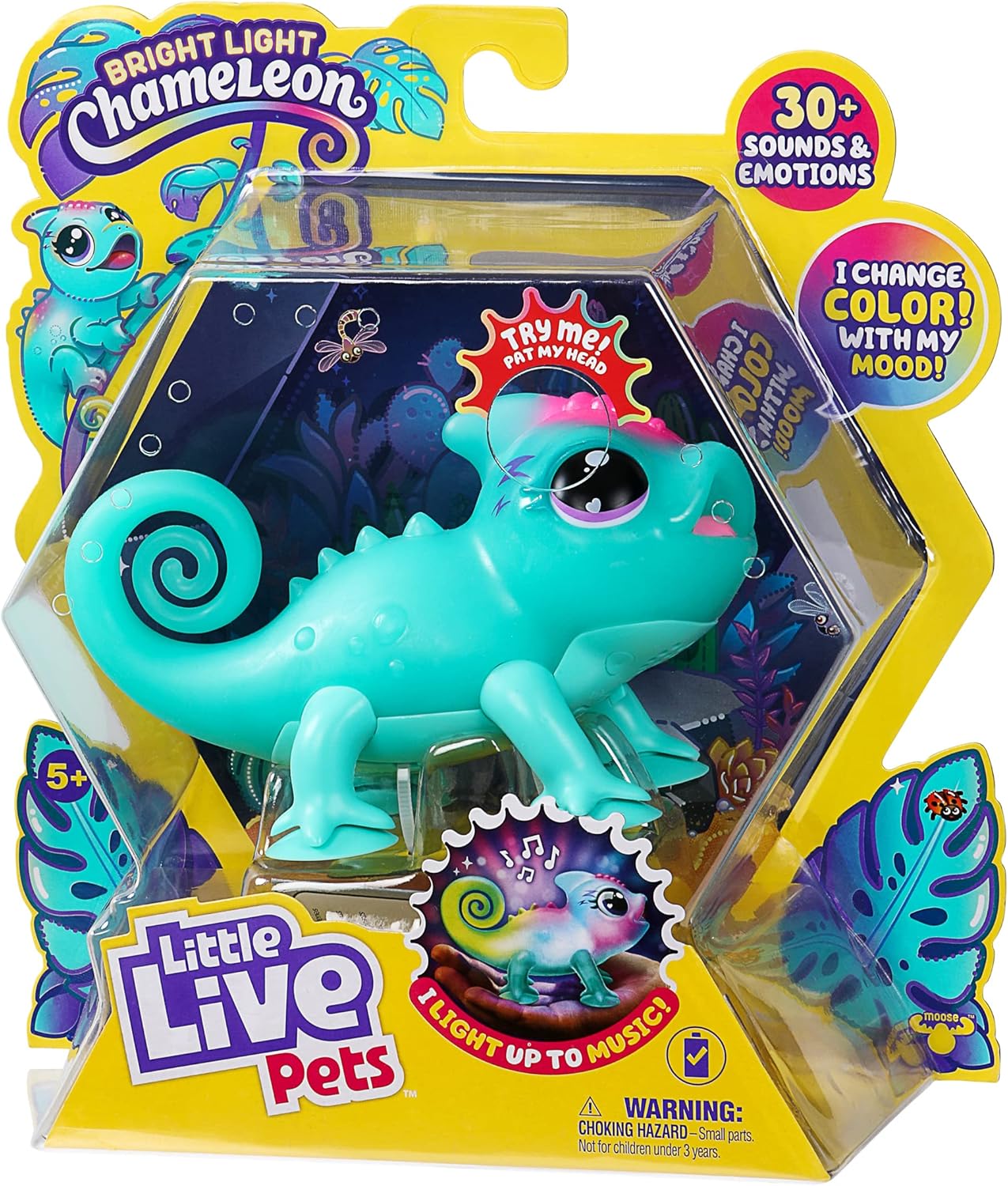

Spin Master
Owleez, Flying Baby Owl Interactive Toy with Lights and Sounds (White), for Kids Aged 6 and Up
See current price

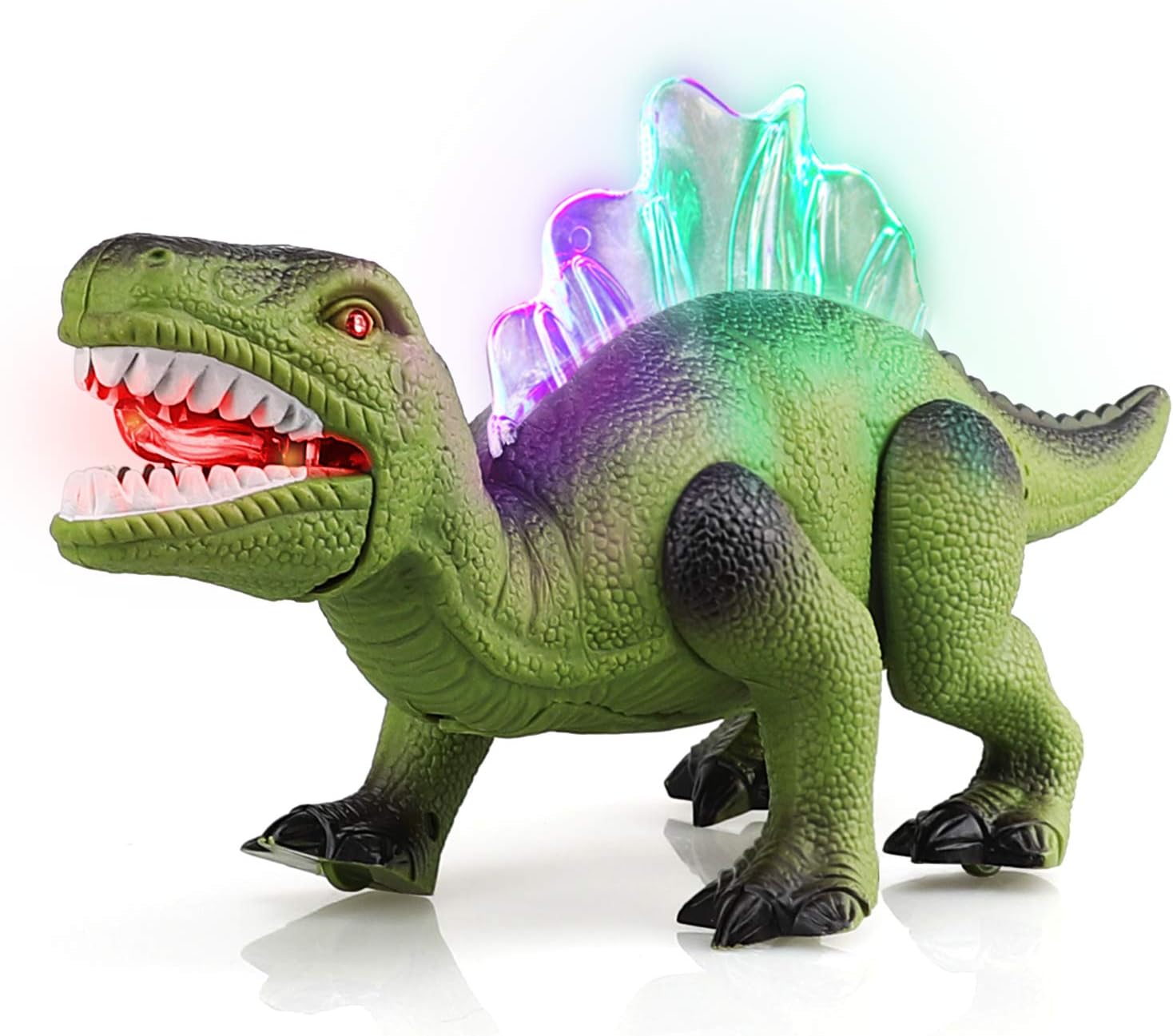

MGA Entertainment
L.O.L. Surprise! Interactive Live Surprise Pet with Realistic Sounds
See current price


Moose Toys
Kindi Kids Show N Tell Pets - Pupkin The Puppy - 4" Pet and Shopkin Accessory - 2pc
See current price

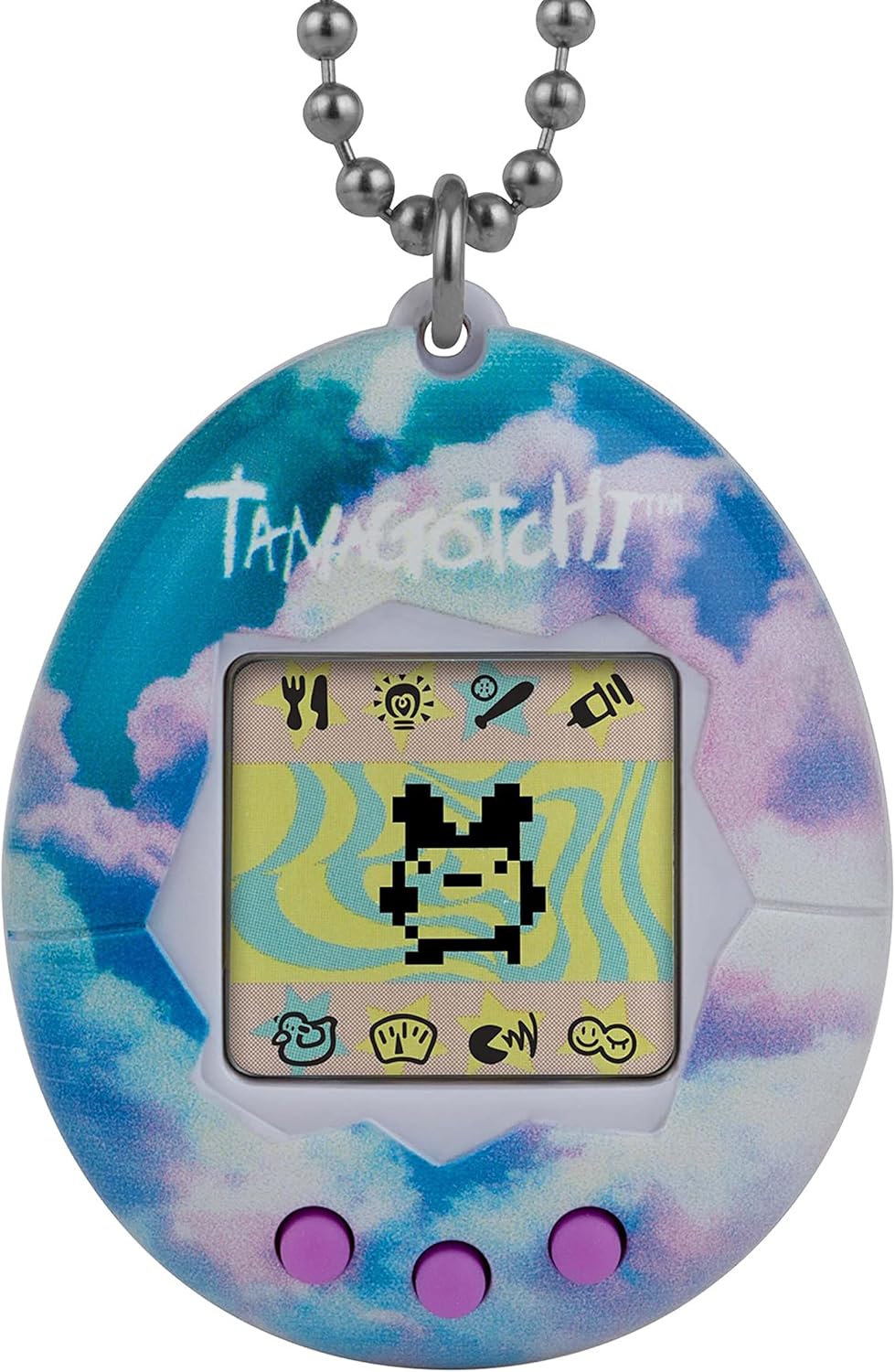
Tamagotchi
Tamagotchi 42815 Original Galaxy-Feed, Care, Nurture-Virtual Pet with Chain for on The go Play
See current price
Popular brands in Electronic Pets
Electronic pets bring pretend pet care, responsive play, and programmable activities into a compact toy. Some are designed for nurturing routines, while others focus on movement, sounds, tricks, games, or character-based interaction. The right choice depends on the child’s interests, the available play space, and how much setup or ongoing care the family wants.
As part of Kids’ Electronics, this category includes electronic companion toys from brands such as Hasbro, Tamagotchi, Spin Master, ZURU, Moose Toys, Bandai, WowWee, Liberty Imports, Distribution Solutions LLC, Little Live Pets, JCHPINE, and Perfect Petzzz. Compare the specifications and features listed for each product to narrow the selection.
How to choose an electronic pet
Start with the type of play the child enjoys most. A virtual pet may suit someone who likes routines, customization, and checking on a digital companion. A robotic or animated pet may be a better fit for children who want movement, sounds, reactions, or physical interaction. Plush-style electronic pets can combine a soft appearance with responsive features.
Consider these factors before choosing:
- Interaction style: Look for touch response, voice or sound interaction, buttons, sensors, movement, games, feeding routines, or other activities listed in the specifications.
- Child’s age and abilities: Check the manufacturer’s recommended age range, controls, and supervision guidance. Simpler controls may be useful for younger children, while older children may prefer more features to explore.
- Play environment: Movement-based toys need a suitable surface and enough open space. A stationary or handheld companion may work better in bedrooms, travel settings, or shared living areas.
- Maintenance expectations: Virtual care features can create a recurring play routine. If the toy uses physical accessories, check how easy they are to store and replace.
- Household preferences: Sound, motion, and recurring alerts can matter in shared spaces. Review available sound controls and operating details where provided.
Main types of electronic pets
Virtual pets
Virtual pets generally center on digital care and repeated interaction. They may ask children to monitor needs, complete activities, or respond to changing onscreen prompts. These toys can appeal to children who enjoy responsibility, collecting, customization, and short play sessions throughout the day.
Robotic and interactive pets
Robotic pets emphasize physical reactions. Depending on the product, features may include walking, dancing, responding to touch, making sounds, performing tricks, or reacting to commands. Compare the control method, movement capabilities, and included accessories rather than assuming all interactive pets work in the same way.
Electronic plush pets
Electronic plush pets combine a soft character design with sound, motion, or touch-activated responses. They can be a comfortable choice for imaginative play and pretend caregiving. Check the product information for details about the toy’s materials, cleaning limitations, required batteries, and whether accessories are included.
Features and specifications to compare
Product pages can vary considerably in the details they provide, so focus on the specifications most relevant to the intended play style. Check whether the toy requires batteries, a charging connection, an app, or another device. If an app or connected feature is involved, confirm operating-system compatibility and any setup requirements before purchase.
Also compare the following:
- Controls and responsiveness: Determine whether interaction uses touch, buttons, voice, gestures, a remote, or a mobile device.
- Included items: Look for feeding pieces, outfits, controllers, carrying accessories, batteries, or other add-ons listed with the product.
- Sound controls: Check whether volume adjustment, mute functionality, or other audio settings are specified.
- Size and weight: These details affect portability, storage, and whether a child can comfortably hold or carry the toy.
- Power and battery access: Review the power source, battery compartment information, charging method, and whether batteries are included.
- Care and durability guidance: Follow the manufacturer’s instructions for cleaning, moisture exposure, storage, and handling.
Related kids’ electronics to explore
Electronic pets are one way to add interactive technology to playtime. Children who prefer cooperative communication may also enjoy Walkie Talkies. For music and performance-oriented play, compare Karaoke Machines or Dance Mats. Families looking for screen-based entertainment can browse Plug & Play Video Games and Personal Video Players & Accessories.
Frequently asked questions
What is an electronic pet?
An electronic pet is a toy designed to simulate companionship or pet-care activities through digital displays, sounds, movement, sensors, buttons, or other interactive features.
Are electronic pets suitable for younger children?
Suitability depends on the specific product. Check the manufacturer’s recommended age range, small-part warnings, control layout, and supervision guidance before choosing.
Do electronic pets need batteries?
Many do, but the power method varies. Review the product specifications to see whether it uses replaceable batteries, rechargeable power, a cable, or another source, and whether batteries are included.
What should I compare in a virtual pet?
Compare the care activities, display and controls, customization options, sound features, power requirements, and any setup or connectivity requirements.
What should I compare in a robotic pet?
Focus on movement, touch or voice response, control method, operating surface, sound controls, included accessories, size, and care instructions.