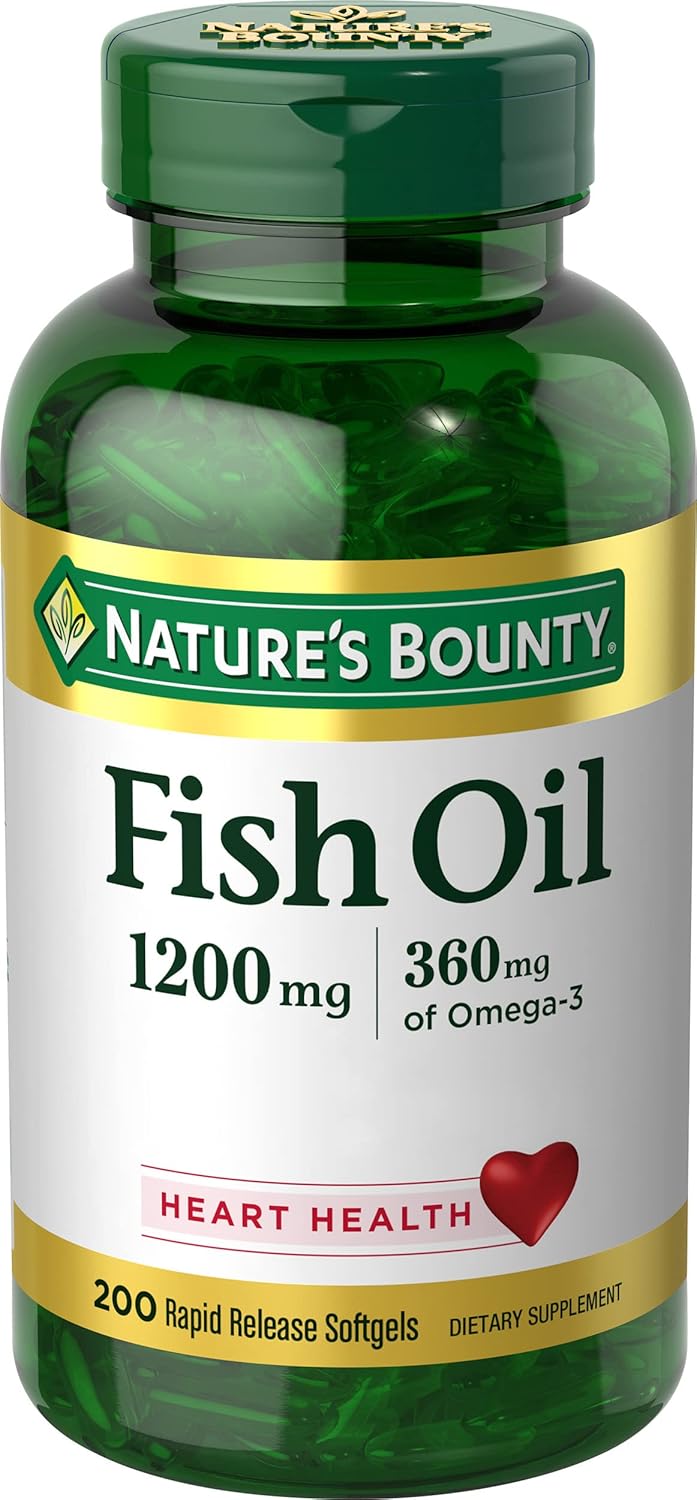
Nature's Bounty
Nature's Bounty Fish Oil, Supports Heart Health, 1200 Mg, Rapid Release Softgels, 200 Ct
See current price

Compare essential fatty acid supplements by omega type, source, format, and label details. Explore options from familiar catalog brands and check product specifications before choosing.
1,791 products in catalog
1,791 results
Nature's Bounty
See current price


Nature's Bounty
See current price


Arazo Nutrition
See current price


Essential fatty acid supplements are designed to provide fats the body cannot make on its own or may not get consistently from food. The category includes omega-3, omega-6, and combination formulas in formats such as softgels, liquids, and capsules.
Use this page to compare ingredient sources, omega profiles, serving information, and formulation details. Individual needs vary, so product labels and advice from a qualified healthcare professional are important when selecting a supplement.
Start by identifying the type of fatty acid you want to add to your routine. Omega-3 products may contain fish oil, krill oil, algae oil, or plant-based ALA sources. Omega-6 products can feature ingredients such as evening primrose or borage oil, while broad formulas combine multiple fatty acid sources.
Consider these questions before comparing products:
Omega-3 formulas are among the most varied options in this category. Fish oil commonly provides EPA and DHA, while flaxseed and other plant oils provide ALA. Algae-based products may appeal to shoppers seeking a non-fish source. The best match depends on dietary preferences and the specific fatty acid profile you want to compare.
Omega-6 supplements may include evening primrose oil, borage oil, or related botanical oils. Some products focus on one source, while others combine omega-3 and omega-6 ingredients. Read the full Supplement Facts panel to understand which fatty acids are included and how they are presented.
Product labels can differ substantially even when supplements appear to belong to the same type. Pay attention to:
The catalog includes essential fatty acid products from Nordic Naturals, NOW, Carlson, Nature Made, Natures Craft, Megared, Amazing Herbs, Hydroxycut, Kirkland Signature, Nature's Bounty, GNC, and Seven Seas. Brand availability can vary by product, so compare the label and formulation for each individual option rather than relying on the brand name alone.
If you are comparing supplements across the wider Vitamins, Minerals & Supplements category, you may also want to review Vitamins and Minerals. Shoppers considering other ingredient families can browse Herbal Supplements or Digestive Supplements.
Supplements should complement, not automatically replace, a varied diet. Ask a healthcare professional whether an essential fatty acid product is appropriate if you take prescription medicines, have a bleeding disorder, have an upcoming procedure, are pregnant or nursing, or have an allergy to a listed source. This is especially important when comparing concentrated oils or products with multiple active ingredients.
For fish-based products, check the label for allergen information and any stated purification or freshness details. Keep liquids and softgels stored as directed, and stop using a product if its smell, appearance, or packaging seems unusual. Compare the complete label each time you change products because serving directions and ingredients can differ.
Essential fatty acids are fats the body cannot produce in sufficient amounts and therefore obtains from food or supplements. Common supplement ingredients include omega-3 and omega-6 fatty acids.
EPA and DHA are long-chain omega-3 fatty acids commonly found in fish, krill, and algae oils. ALA is a plant-based omega-3 found in ingredients such as flaxseed oil. They are distinct nutrients, so compare them separately on the label.
No. Both may provide omega-3s, but they come from different sources and may have different fatty acid profiles. Algae oil is often considered by shoppers seeking a non-fish option.
Many products provide instructions to take them with food, but directions vary. Follow the product label and ask a healthcare professional if you have questions about timing or use.
Follow the storage instructions on the product label. Some oils may require protection from heat, light, or air after opening.