
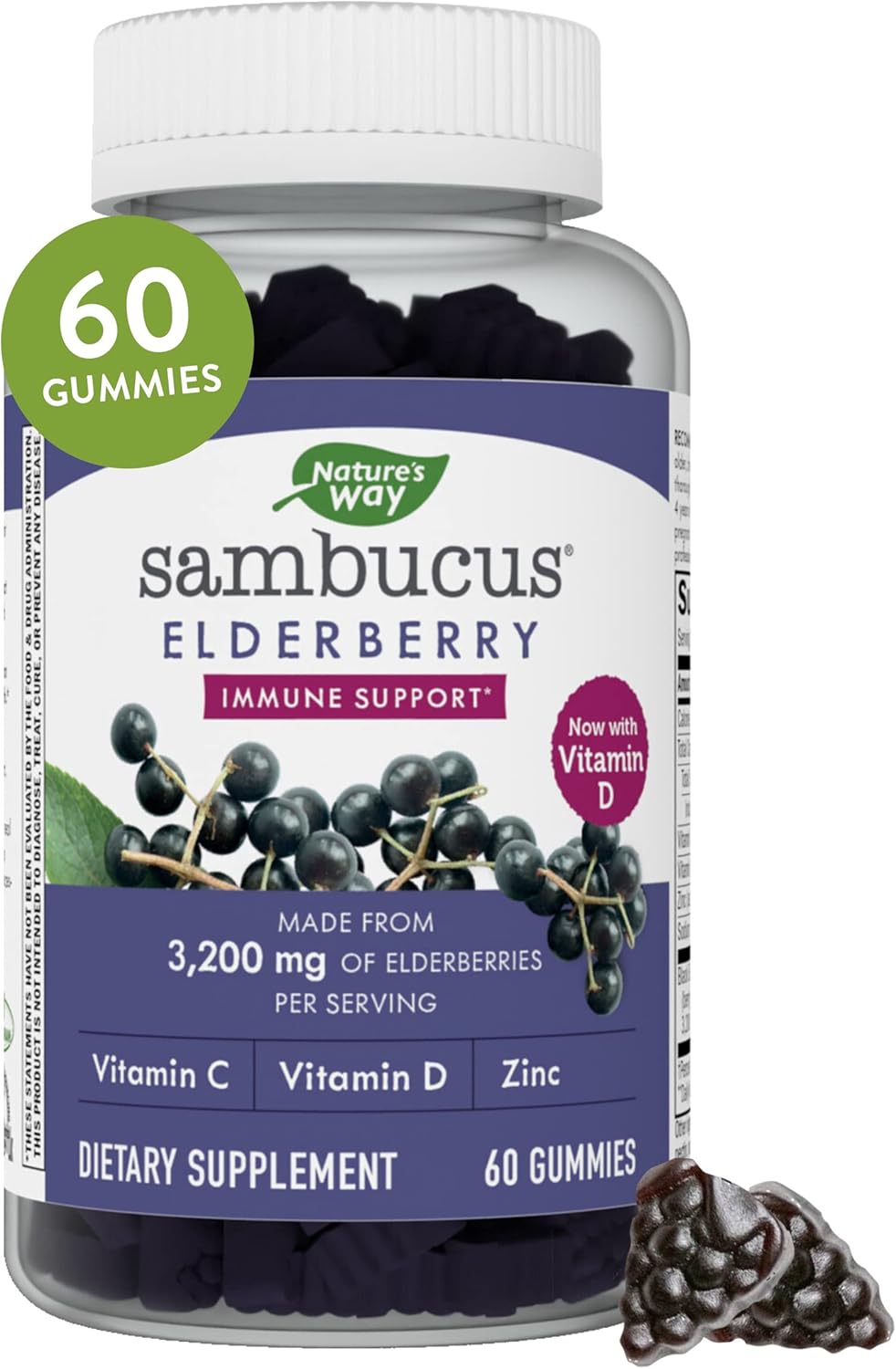
Herbal Supplements
Compare herbal supplements by botanical ingredients, format, serving details, and label information. K-Catalog helps shoppers review product specifications before visiting Amazon for current availability.
5,224 products in catalog
5,224 results
Filters


i-Health, Inc.
AZO Cranberry Urinary Tract Health Supplement, 1 Serving = 1 Glass of Cranberry Juice, Sugar Free Cranberry Pills, 50 Count
See current price


Nature's Truth
Nature's Truth Black Elderberry Capsules | 100 Count | Super Concentrated Sambucus Extract | Non-GMO, Gluten Free
See current price
![NatureWise Curcumin Turmeric 2250mg | 95% Curcuminoids & BioPerine Black Pepper Extract | Advanced Absorption for Cardiovascular Health Joint Support | Gluten Free Non-GMO [1 Month Supply - 90 Count]](https://m.media-amazon.com/images/I/71Su2+psZEL._AC_SL1500_.jpg)

Puritan's Pride
Puritan's Pride Milk Thistle 4:1 Extract 1000 Mg (Silymarin) Softgels,for Liver Support ,180 Count
See current price


Nature Made
Nature Made Turmeric Curcumin 500 mg, Herbal Supplement for Antioxidant Support, 120 Capsules, 120 Day Supply
See current price


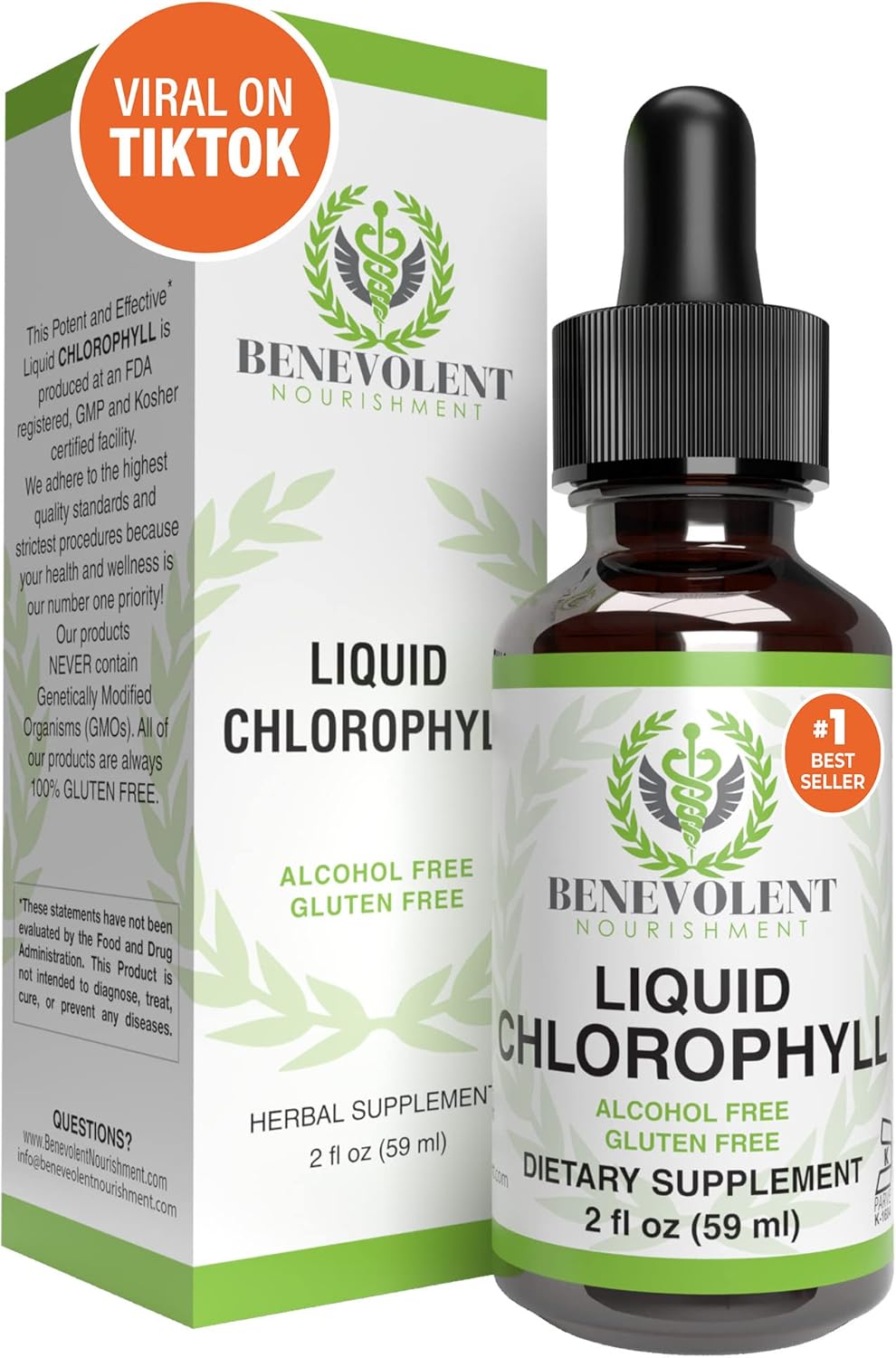


Popular brands in Herbal Supplements
Herbal supplements include products made with whole herbs, concentrated extracts, botanical blends, and plant-derived ingredients. They come in formats such as capsules, tablets, powders, teas, gummies, and liquid extracts, so the right choice depends on both the ingredient and how you plan to use it.
K-Catalog brings together a broad selection from brands represented in this category, making it easier to compare labels and product details. Use the information provided for each listing to check ingredients, serving directions, format, and other specifications before choosing a product for your routine.
How to choose an herbal supplement
Start with the ingredient or botanical you are looking for, then compare how it is prepared and presented. Two products featuring the same herb may differ in plant part, extraction method, concentration, serving size, or additional ingredients.
Important details to review include:
- Botanical name: The scientific name can help distinguish closely related plants and provide more precise identification than a common name alone.
- Plant part: A product may use the root, leaf, flower, seed, bark, fruit, or a combination of parts.
- Extract information: Look for details about extract ratios, standardization, or the amount of the original herb represented when that information is provided.
- Serving instructions: Compare the suggested serving and the number of servings per container rather than looking only at the front-label ingredient name.
- Additional ingredients: Check capsules, sweeteners, flavorings, colors, preservatives, and common allergens if these matter to your preferences.
- Product format: Choose a form that fits your habits and any swallowing, taste, storage, or portability considerations.
A longer ingredient list is not automatically a better fit. Single-herb products can make it easier to identify what is being used, while blends may be convenient for shoppers who prefer several botanicals in one product. Read the complete label for the specific listing instead of relying only on the product title.
Common types and formats
Herbal supplements are often organized by their botanical ingredient, intended routine, or delivery format. Since the available products can change, comparing the individual listings is useful when deciding among similar options.
Capsules and tablets
Capsules and tablets are convenient for consistent portions and easy storage. Compare the serving directions, capsule material, tablet size where listed, and whether the product contains a single herb or a blend. Some shoppers may also want to check for plant-based capsule materials or other formulation details.
Powders
Powdered herbs can be mixed into beverages or foods, depending on the label directions. Review the recommended serving, flavor information, texture considerations, and storage instructions. Powders may be less convenient for travel but can suit shoppers who prefer to adjust how they take a product when the label allows it.
Liquid extracts and tinctures
Liquid products may use dropper bottles or another measured serving format. Compare the liquid volume, suggested serving, alcohol or alcohol-free details when provided, flavoring, and storage guidance. The concentration and serving instructions are especially important when comparing liquid products with capsules or powders.
Teas and drinkable preparations
Herbal teas may contain one botanical or a blend of several ingredients. Check the ingredient list, preparation directions, bag or loose-leaf format, and any added flavors or sweeteners. Drinkable formats can be useful for shoppers who prefer an herbal product as part of a beverage routine.
Gummies and other flavored formats
Gummies and chewable products can be easier for some shoppers to take, but they may contain sweeteners, flavorings, or other ingredients not found in capsules. Compare the serving directions and full nutrition or supplement panel, especially if avoiding specific ingredients.
Specs and label details to compare
The most useful comparison starts with the Supplement Facts panel and the manufacturer’s product information. Focus on details that distinguish one listing from another:
- The exact herb or blend name and the amount per serving
- Whether the ingredient is a whole herb, powdered plant material, or extract
- Standardization details or marker compounds, when listed
- Serving size and suggested use
- Form, count, volume, or net weight
- Other active ingredients included in a blend
- Inactive ingredients and allergen information
- Dietary preferences such as vegan, vegetarian, organic, or gluten-free claims, but only when clearly stated on the listing
- Storage instructions and expiration or lot information where available
Pay attention to the difference between the amount of an extract and the amount of a botanical equivalent. These labels do not always describe the product in the same way, so compare like with like where possible. If a specification is not shown, avoid assuming that the product has a particular certification, extraction method, or dietary attribute.
Brands represented in the catalog
The Herbal Supplements catalog includes products from Nature's Way, NOW, Herb Pharm, Nature's Bounty, Starwest Botanicals, Horbäach, Swanson, Puritan's Pride, Now Foods, Solaray, Nutricost, and Nature's Answer. These brands may offer different combinations of ingredients, formats, and label details, so brand name alone is not a substitute for comparing the specific product.
Shoppers can also browse adjacent supplement categories when an herbal product is not the right match. Explore Vitamins, Blended Vitamin & Mineral Supplements, or Minerals for products centered on nutrients rather than botanicals. Essential Fatty Acids, Digestive Supplements, and Amino Acids provide additional ways to narrow a supplement search. The broader Vitamins, Minerals & Supplements category can help when comparing different supplement types.
Safe and practical shopping tips
Review the complete label before adding an herbal supplement to a routine. Botanical ingredients can interact with medications or may not be appropriate for everyone. Ask a qualified healthcare professional or pharmacist about potential interactions if you take prescription or over-the-counter medication, have a medical condition, are pregnant or nursing, or are preparing for a procedure.
Follow the product’s serving directions rather than creating a schedule based on another product. Avoid combining multiple blends without checking for overlapping ingredients. Store products as directed, keep them away from children and pets, and check the package condition and label information when the product arrives.
For shoppers with allergies or dietary restrictions, inspect both active and inactive ingredients. “Natural” does not by itself describe a product’s suitability, strength, safety, or sourcing. Certifications and claims should be verified on the individual product listing and packaging.
Frequently asked questions
What is an herbal supplement?
An herbal supplement is a product made with one or more plant-based ingredients, such as a whole herb, botanical powder, extract, or blend. Products may be sold as capsules, tablets, powders, liquids, teas, gummies, and other formats.
How do I compare two products with the same herb?
Compare the botanical name, plant part, extract or standardization details, amount per serving, serving directions, format, and additional ingredients. These details can vary even when the common herb name is the same.
Are capsules better than liquid herbal supplements?
Neither format is automatically better. Capsules may be convenient and portable, while liquids can suit shoppers who prefer a measured dropper format. Choose based on the label, serving instructions, ingredients, and personal preferences.
Should I choose a single-herb product or a blend?
A single-herb product may make the ingredient list easier to evaluate. A blend may combine several botanicals in one serving. Compare the amount and purpose of each listed ingredient rather than choosing by the number of ingredients alone.
Can herbal supplements be taken with medication?
Potential interactions are possible, and suitability depends on the specific herb, medication, and individual health situation. Consult a healthcare professional or pharmacist before combining them, especially when taking ongoing medication.
What should I check before buying?
Check the full ingredient panel, serving size, format, plant or extract details, inactive ingredients, storage guidance, and any dietary or certification claims. Compare the specific listing rather than relying only on the product title or front label.