

Finishes, Sealers & Stains
Compare finishes, sealers, and stains for wood, masonry, crafts, furniture, and other projects. Review surface compatibility, appearance, protection, and application details before choosing.
267 products in catalog
267 results
Filters


General Finishes
General Finishes High Performance Water Based Topcoat, 1 Quart, Semi-Gloss
See current price


Ready Seal
Ready Seal 545 Exterior Stain and Sealer for Wood, 5-Gallon, Burnt Hickory
See current price

Minwax
Minwax 71004000 Finish Penetrating Interior Wood Stain, 1 Gallon (Pack of 1), Ipswich Pine
See current price
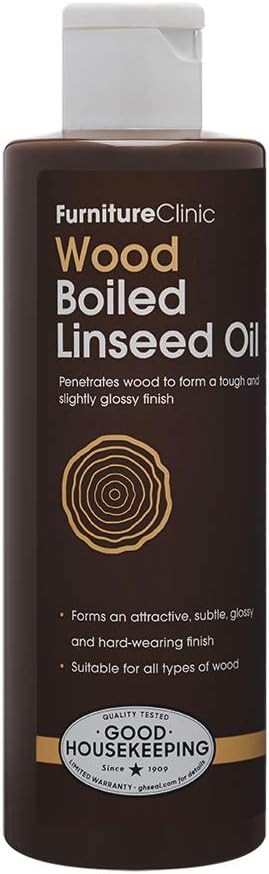


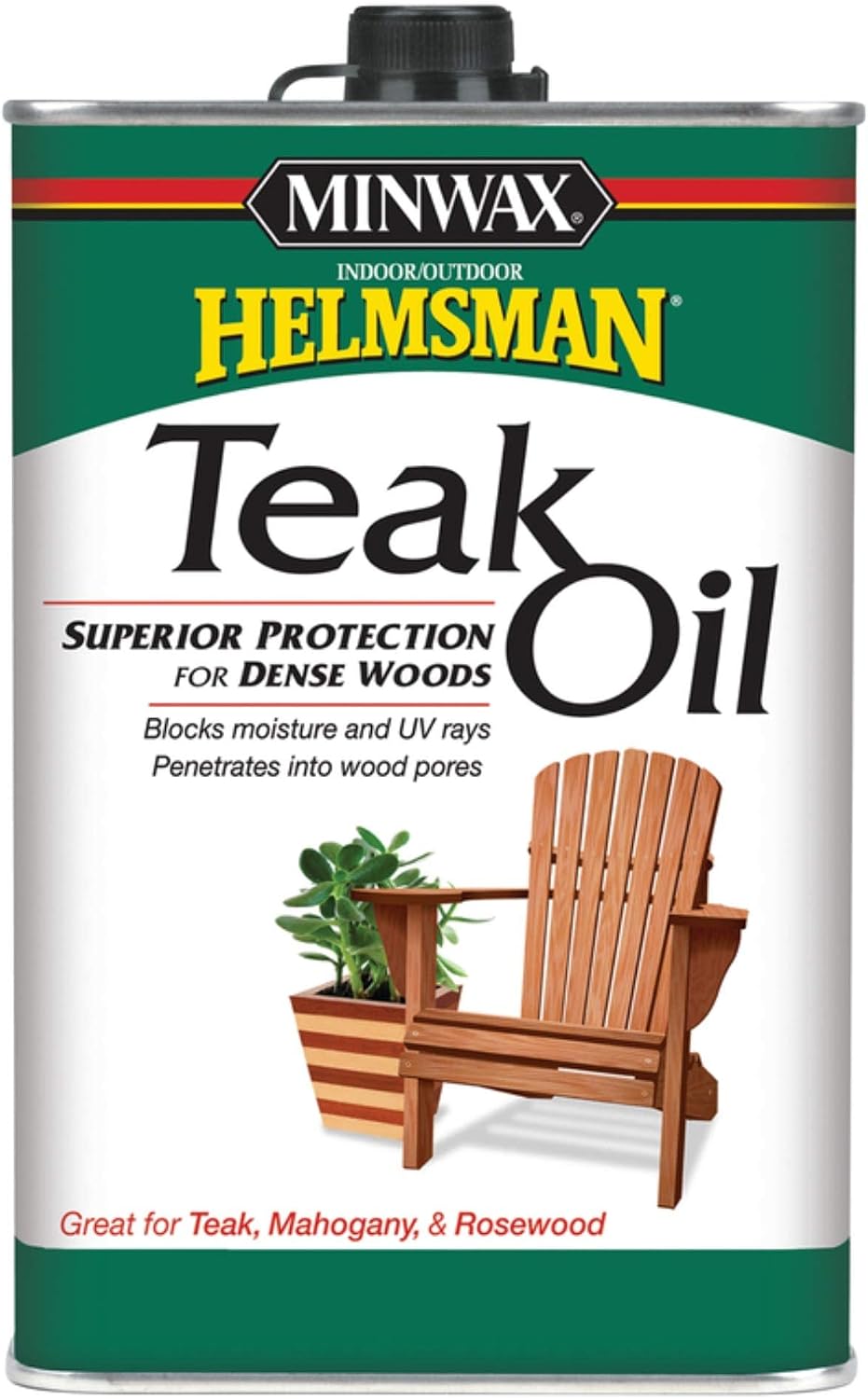

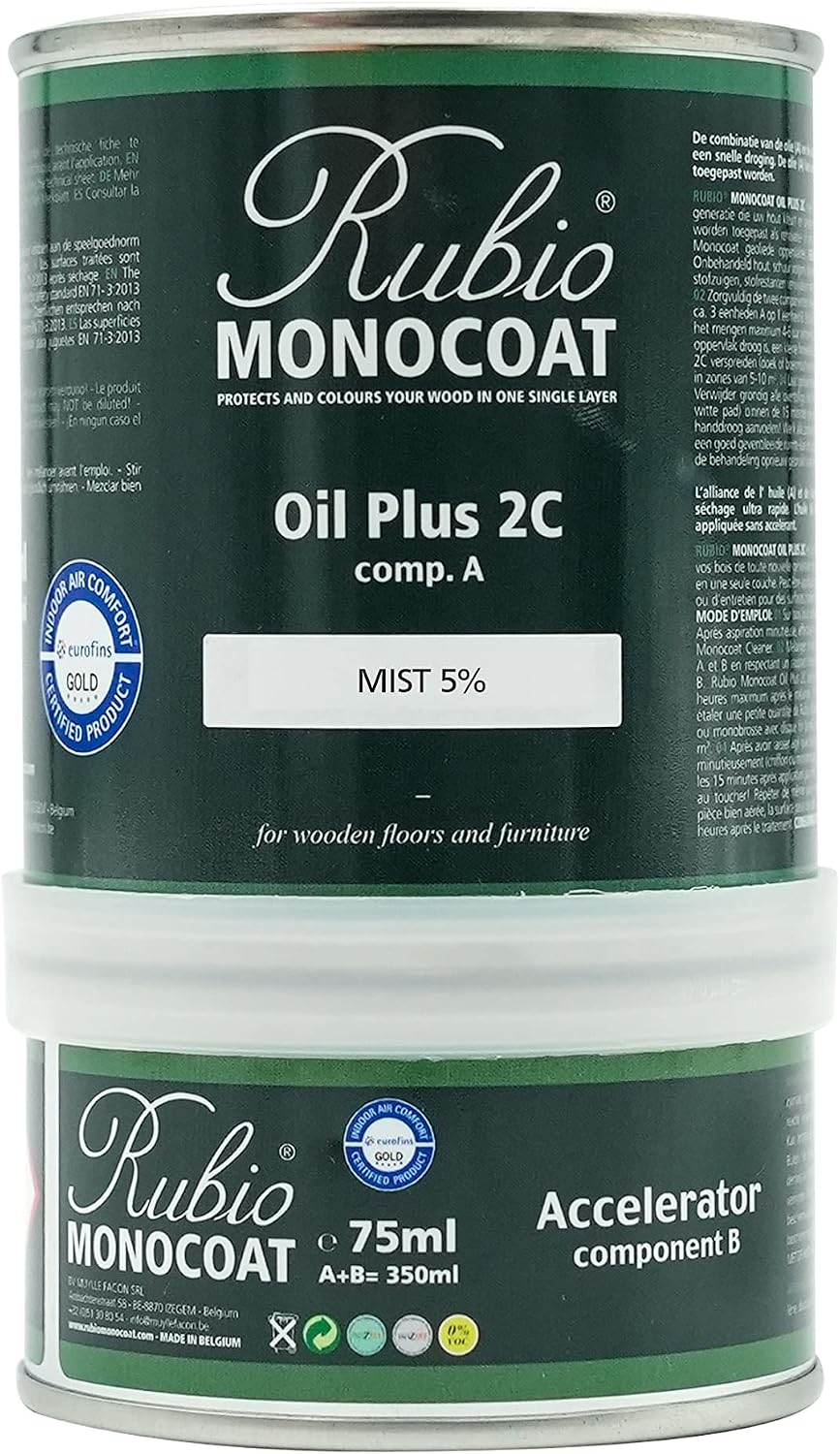

General Finishes
General Finishes Arm-R-Seal Oil Based Topcoat, 1 Gallon, Semi-Gloss
See current price
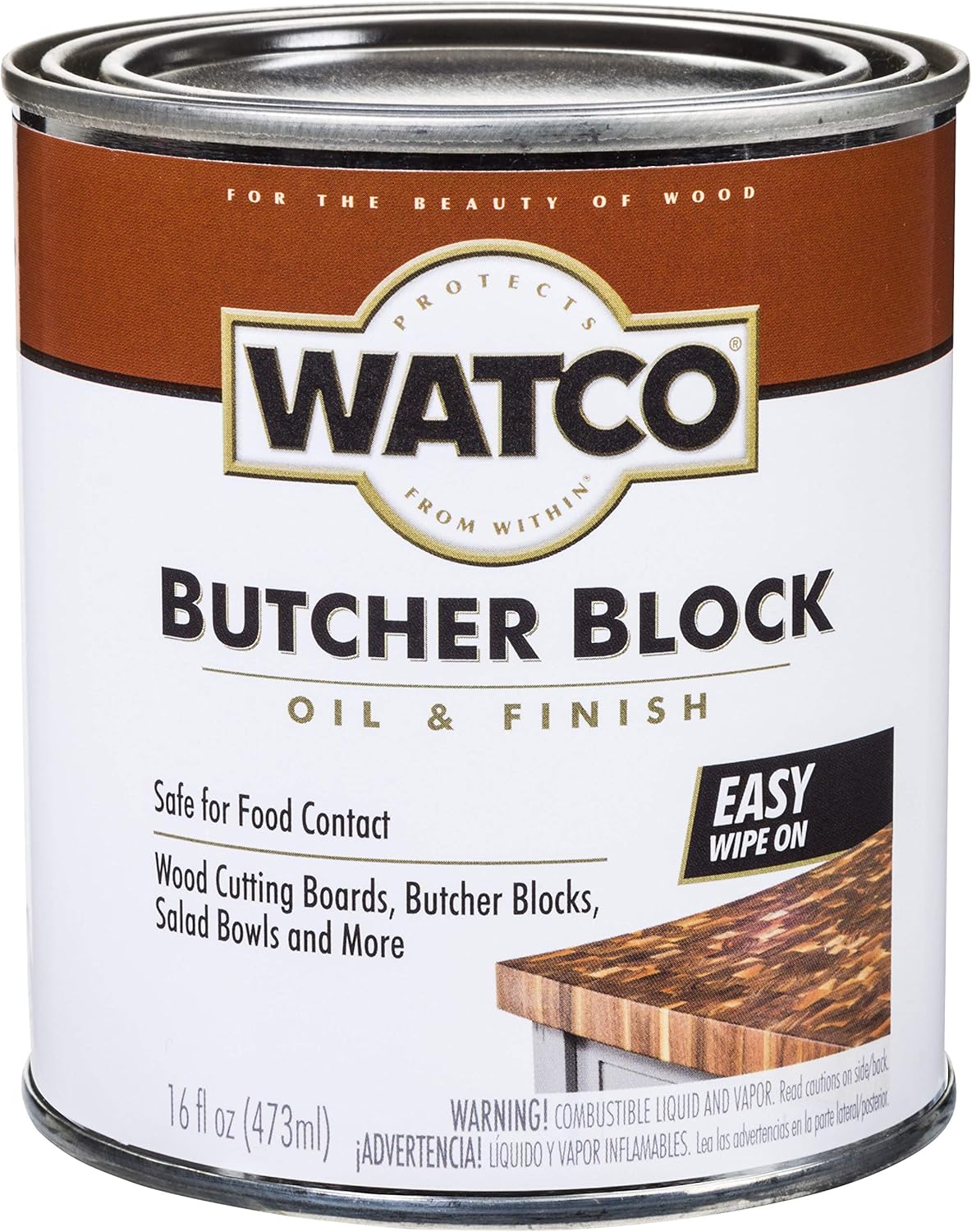


Popular brands in Finishes, Sealers & Stains
Finishes, sealers, and stains can change the appearance of a project while helping protect the underlying surface. The right product depends on what you are coating, the look you want, the exposure it will face, and how much preparation and maintenance you are comfortable with.
This category brings together products for decorative and protective finishing work. Use the specifications and application guidance to narrow the options, then check the current product details on Amazon before buying.
How to choose a finish, sealer, or stain
Start with the surface and the project conditions. A product intended for interior wood may not be suitable for an outdoor surface, while a coating designed for masonry or marine use may have different preparation and curing requirements. Check the label for compatible materials rather than relying on appearance alone.
Consider these factors:
- Purpose: Decide whether you want to add color, enhance the existing surface, create a protective topcoat, or combine several of these functions.
- Location: Indoor furniture, trim, floors, exterior wood, concrete, and craft projects can require different formulations.
- Appearance: Compare transparent, tinted, and opaque options, along with available sheen levels such as matte, satin, or gloss when listed.
- Application: Look for instructions covering brush, roller, cloth, spray, or other application methods.
- Durability: Match the expected wear, moisture, sunlight, handling, or chemical exposure to the product's stated use.
- Drying and recoating: Follow the manufacturer's guidance for drying, recoating, ventilation, and final curing before returning an item to service.
If the project involves an existing coating, also check whether sanding, stripping, cleaning, or a compatible primer is required. Surface preparation often affects the final result as much as the selected product.
Common product types
Wood stains add or deepen color while allowing some of the grain to remain visible, depending on the formulation and the wood. They may be useful for furniture, cabinetry, trim, doors, and craft projects. Compare the intended wood type, color, penetration, and whether a separate topcoat is recommended.
Clear finishes are used when preserving the underlying color or showing off wood grain is a priority. Compare the finish sheen, resistance claims listed by the manufacturer, application method, and whether multiple coats are needed.
Sealers and protective coatings can help prepare or protect porous surfaces. Product suitability varies widely, so verify whether the formula is intended for wood, concrete, masonry, exterior use, water exposure, or another specific application.
Specialty finishes may be formulated for furniture restoration, decorative effects, marine projects, crafts, or other demanding uses. These products can have more specific preparation, mixing, ventilation, and cleanup instructions, making the technical data especially important.
For adjacent project materials, browse Paint & Primer, Painting Supplies & Tools, or Wallpaper & Wallpapering Supplies.
Specs and features to compare
Read the product information for the details most relevant to your project. Coverage guidance can help with planning, but actual results may vary with surface porosity, application thickness, texture, and waste. Pay attention to the recommended number of coats and the maximum or minimum conditions for application.
Also compare:
- Surface preparation requirements and compatibility with old finishes
- Interior or exterior use and any stated exposure limitations
- Color, transparency, sheen, and the way the finish may affect the original surface
- Water-based or solvent-based formulation, where specified
- Cleanup requirements and suitable tools
- Container format and whether the product requires mixing or shaking
- Safety instructions, ventilation needs, and personal protective equipment
For a broader selection of project materials, the main Paint, Wall Treatments & Supplies category can help you compare related options. If the project is decorative rather than coating-based, Wall Stickers & Murals may be a better fit.
Brands represented in the catalog
The catalog includes products from Rust-Oleum, Minwax, Varathane, Briwax, General Finishes, Polyvine, Thompson's Water Seal, Mohawk Finishing Products, TotalBoat, Waterlox, Environmental Technology, and Rubio Monocoat. These brands cover a range of finishing, sealing, staining, restoration, craft, and specialty applications. Compare each individual product's intended surface and instructions rather than choosing by brand name alone.
Application and safety tips
Test the product in an inconspicuous area or on a compatible sample when possible, especially when color and sheen matter. Wood can absorb stain unevenly, and an existing finish can change the appearance of a new coat. Clean and prepare the surface as directed, and avoid applying a product in conditions outside the manufacturer's recommendations.
Use adequate ventilation and protective equipment specified on the label. Store leftover products securely, keep containers closed, and follow local guidance for disposal and cleanup materials. Allow the recommended cure time before heavy handling, washing, placing objects on the surface, or exposing it to moisture.
Frequently asked questions
What is the difference between a stain and a sealer?
A stain primarily changes or enhances surface color, while a sealer is generally intended to help protect or close a porous surface. Some products combine color and protection, so check the stated function.
Should a clear finish go over wood stain?
Often, a separate clear topcoat is used to add protection, but compatibility and timing vary. Check whether the stain calls for a topcoat and follow the recoat instructions for both products.
Can any finish be used outdoors?
No. Outdoor exposure can involve moisture, sunlight, temperature changes, and heavier wear. Choose a product specifically labeled for the surface and conditions involved.
How do I choose the right sheen?
Matte and satin finishes provide a lower-reflection appearance, while gloss finishes reflect more light. The best choice depends on the desired look, surface imperfections, and cleaning or wear considerations.
Is surface preparation necessary?
Usually, yes. Cleaning, sanding, removing loose material, or repairing defects may be required for adhesion and an even result. Follow the product's preparation instructions before applying it.