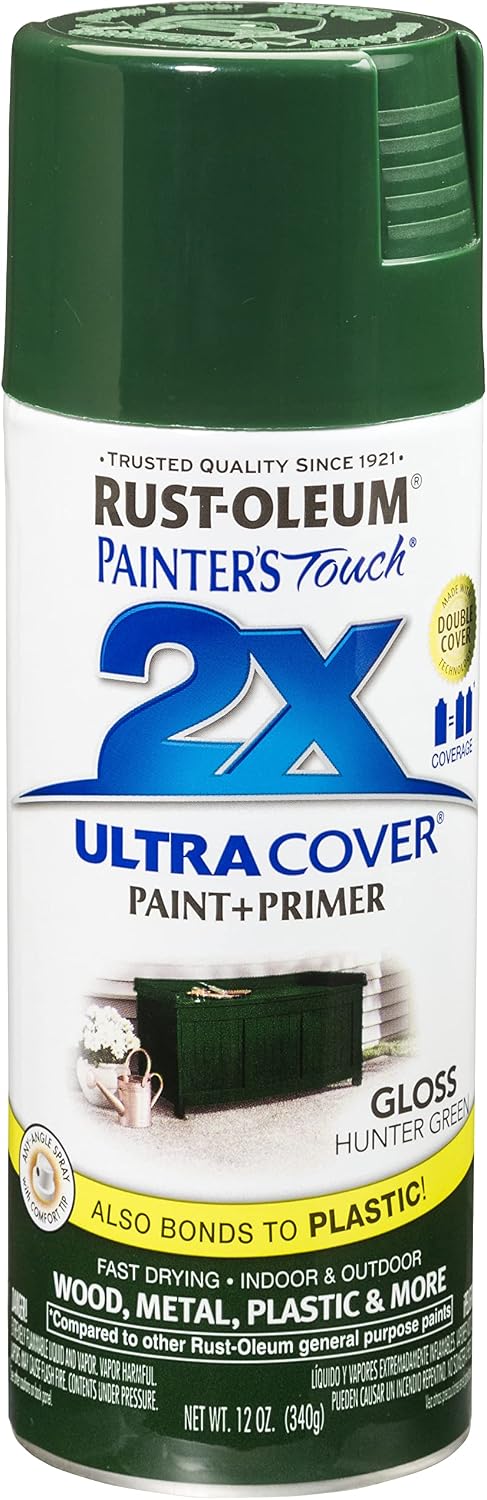
Rust-Oleum
Rust-Oleum 249111 Painter's Touch 2X Ultra Cover Spray Paint, 12 oz, Gloss Hunter Green
See current price

Compare paint and primer by surface, finish, color, application method, and project needs. Explore product specifications before choosing an option for walls, furniture, crafts, or repairs.
795 products in catalog
795 results
Rust-Oleum
See current price

Rust-Oleum
See current price

Rust-Oleum
See current price

Rust-Oleum
See current price

Rust-Oleum
See current price


Krylon
See current price

Rust-Oleum
See current price

Flood
See current price

Rust-Oleum
See current price

Rust-Oleum
See current price

Heirloom Traditions Paint
See current price

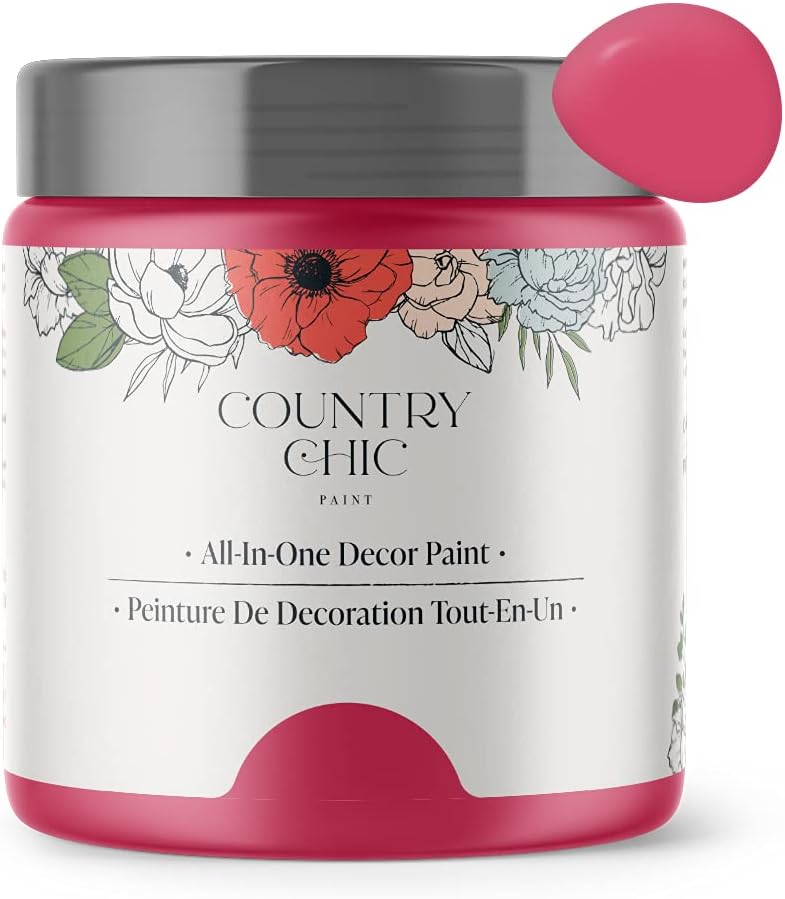
Country Chic Paint
See current price
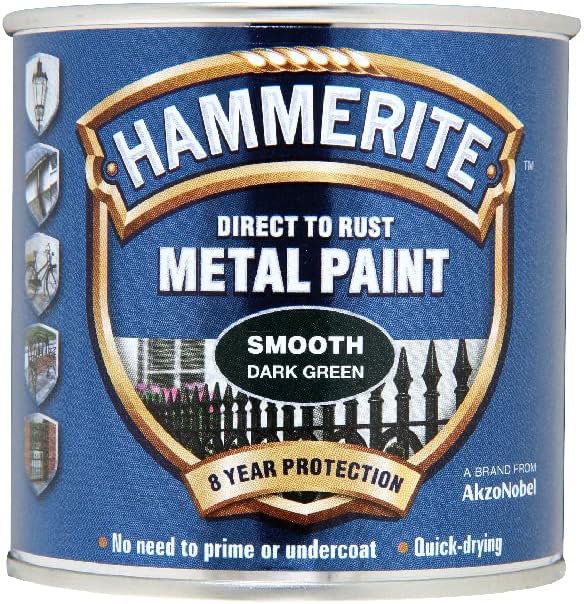
Hammerite
See current price

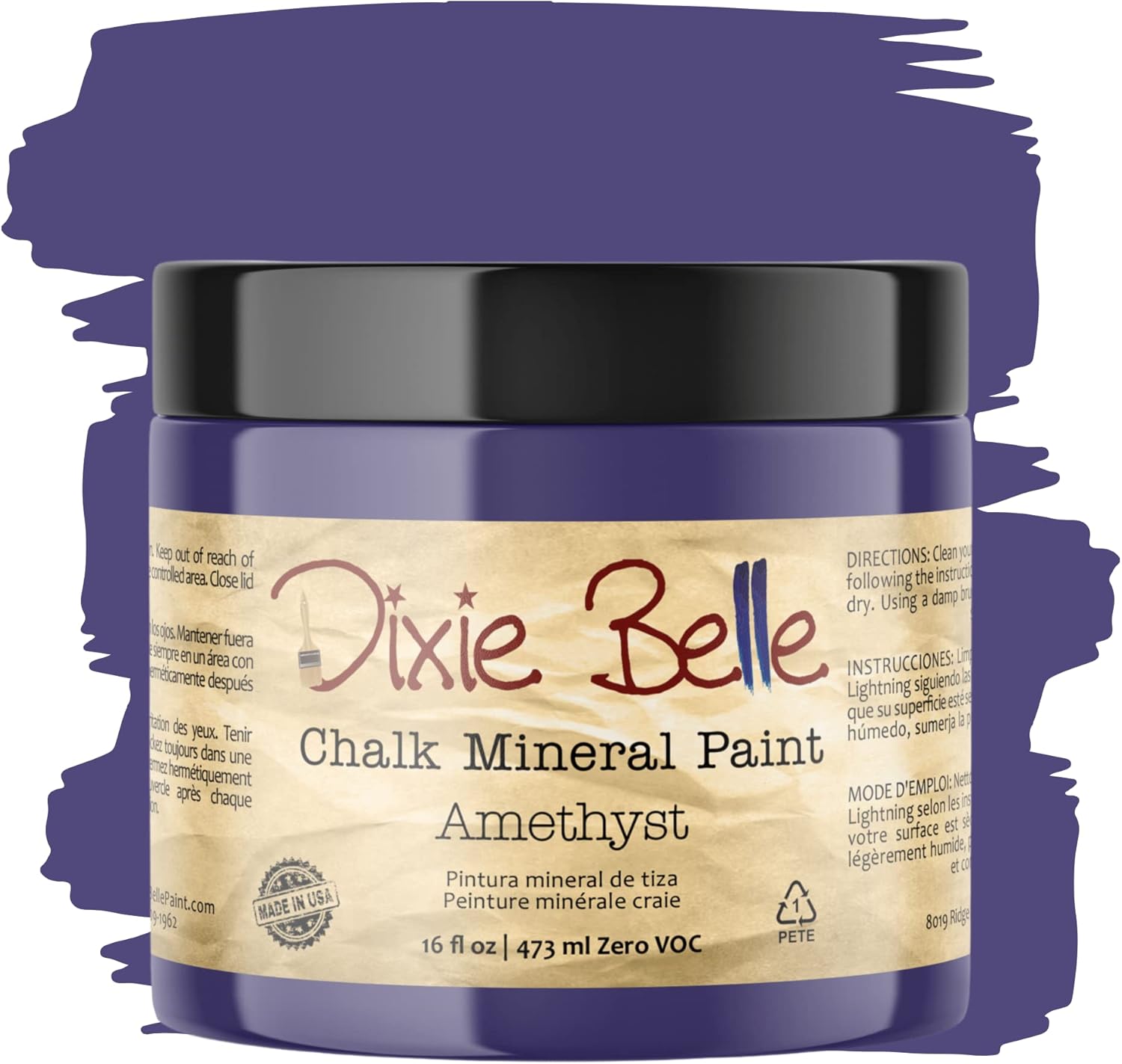
Dixie Belle Paint Company
See current price

Rust-Oleum
See current price


Shabby Chic Chalk Based Furniture Paint
See current price


Rust-Oleum
See current price
Paint and primer serve different purposes, although some products combine both steps. Paint provides color and a protective or decorative finish, while primer helps prepare a surface for paint by improving adhesion, coverage, or consistency. The right choice depends on what you are coating, the condition of the surface, and the finish you want.
K-Catalog brings together paint and primer options for home improvement, furniture updates, craft projects, touch-ups, and specialty applications. Compare the listed specifications and features, then check the current product details before buying.
Start with the surface and the project location. Interior walls, exterior materials, furniture, metal, masonry, plastic, and craft surfaces may require different formulations. A product intended for one material may not be suitable for another, so check the manufacturer’s stated surface compatibility.
Consider whether you need a standalone primer, paint, or a product designed to combine both functions. Primer can be especially useful when covering a porous, uneven, stained, or strongly colored surface. For a simple color refresh on a compatible, prepared surface, paint alone may be the more direct option.
Also think about the application area and desired appearance. A small decorative project may call for a compact container or spray format, while a larger surface may be easier to cover with a conventional liquid product applied by roller, brush, or sprayer.
Although this catalog category does not have separate subcategory pages, product listings can be compared by their intended use and application format.
For related project materials, browse Painting Supplies & Tools, or compare paint with Finishes, Sealers & Stains when the project calls for added protection or a different surface treatment.
Product labels and listings can vary, so compare the details that affect preparation, application, and the finished result:
The catalog includes products from Rust-Oleum, Microblend, Krylon, KILZ, Modern Masters, Giani Granite, BOOMERANG PAINTS, Shabby Chic Chalk Based Furniture Paint, Montana Cans, TESTORS, PINTY PLUS, and Zinsser. These brands cover a range of wall, furniture, craft, spray, primer, and specialty paint applications. Compare each individual product’s specifications rather than choosing by brand name alone.
Clean and dry the surface before painting, and remove loose material, grease, dust, or flaking coatings as appropriate for the project. Repair significant holes or uneven areas before applying primer or paint. When changing from a dark color to a light one, or when dealing with an absorbent surface, review whether a primer is recommended.
Use the application method stated on the product listing and follow directions for stirring, thinning, ventilation, protective equipment, drying, and disposal. Test an inconspicuous area when compatibility or final color is uncertain. For spray products, protect surrounding surfaces and work only in an area appropriate for the product’s safety instructions.
If paint is not the right decorative solution, related options include Wall Stickers & Murals and Wallpaper & Wallpapering Supplies.
Primer prepares a surface and can help improve adhesion or coverage, while paint supplies the final color and finish. Some products are formulated to combine both functions.
Not necessarily. The need depends on the surface condition, existing coating, material, color change, and the product instructions. Check the listing for recommended preparation.
Choose a finish based on the appearance you want, how much light reflection is suitable, and whether you want surface imperfections to be less noticeable or easier to clean according to the product guidance.
No. Spray paint is formulated for particular surfaces, so confirm compatibility with the material and follow the application and ventilation instructions.
Paint provides color and its own finish, while a sealer or clear topcoat may be intended to add protection. Compare the manufacturer’s stated use before layering products.