

First Aid Supplies and Kits
Compare first aid supplies for everyday injuries, home preparedness, travel, work, and outdoor use. Review materials, contents, sizes, and storage features to find products suited to your needs.
4,300 products in catalog
4,300 results
Filters
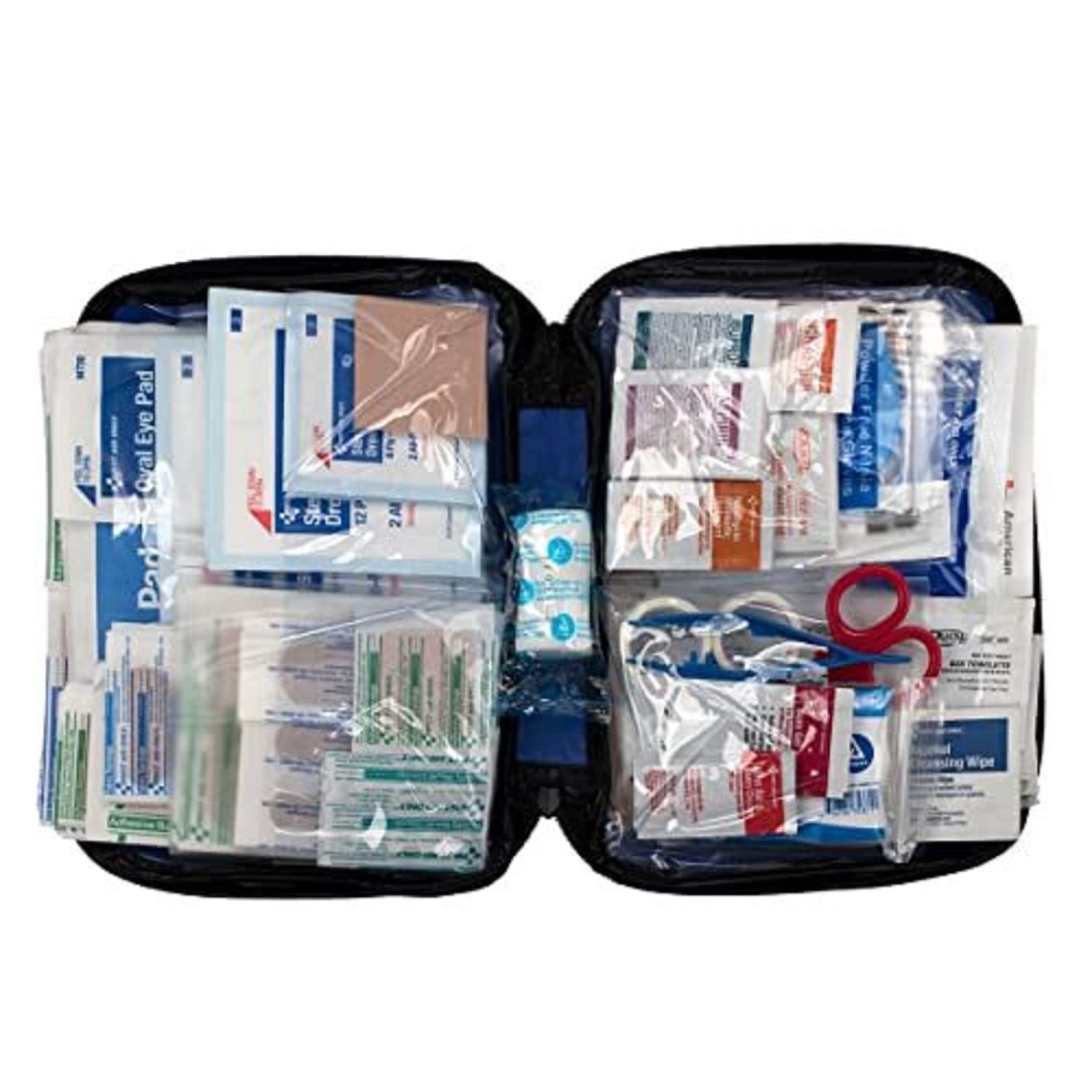
First Aid Only
First Aid Only 298 Piece All-Purpose First Aid Emergency Kit (FAO-442)
See current price
First Aid Only
First Aid Only 298 Piece All-Purpose First Aid Emergency Kit (FAO-442)
See current price


Neosporin
Neosporin Original Antibiotic Ointment, 24-Hour Infection Prevention for Minor Wound, 1 oz
See current price


Cortizone 10
Cortizone 10 Maximum Strength Anti-Itch Cream With Aloe 2 oz., 1% Hydrocortisone Anti-Itch Creme
See current price


Amazon Basics
Amazon Basics Hydrogen Peroxide Topical Solution USP, 32 Fl Oz, Pack of 1
See current price

Solimo
Amazon Brand - Solimo Hydrogen Peroxide Topical Solution USP, 32 Fl Oz (Pack of 6)
See current price

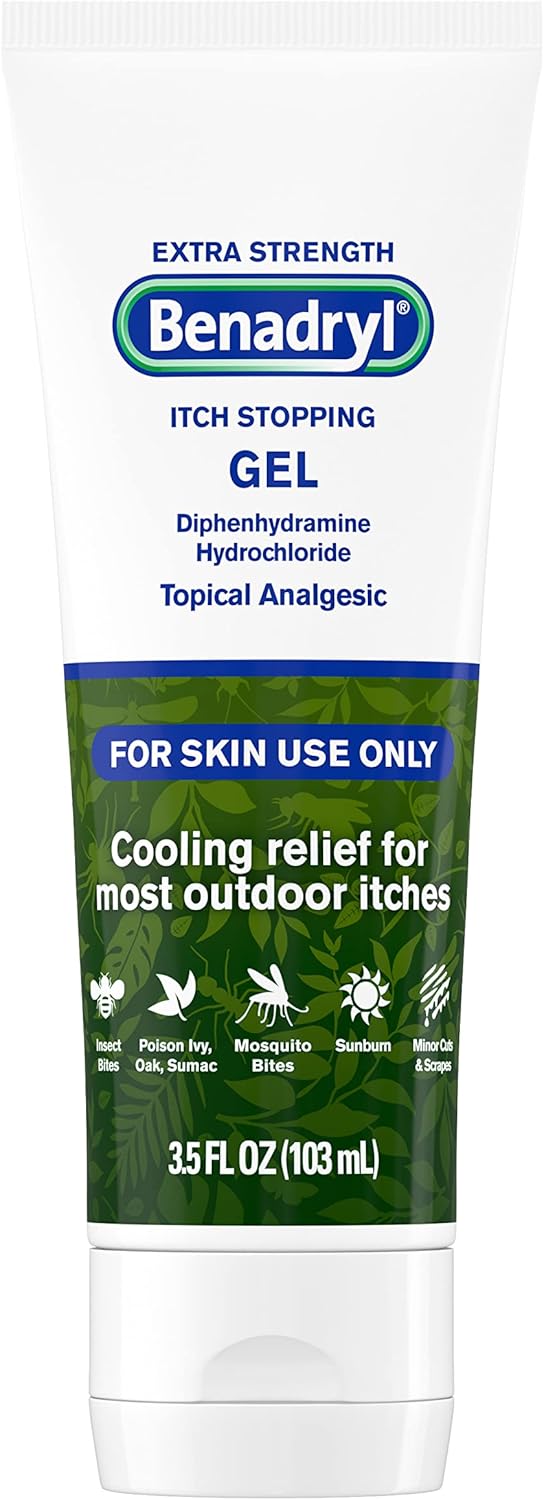
Benadryl
Benadryl Extra Strength Cooling Anti-Itch Gel, Diphenhydramine HCI Topical Analgesic, 3.5 Fl. Oz
See current price


Hibiclens
Hibiclens – Antimicrobial and Antiseptic Soap , Skin Cleanser – 32 oz – for Home and Hospital – 4% CHG
See current price
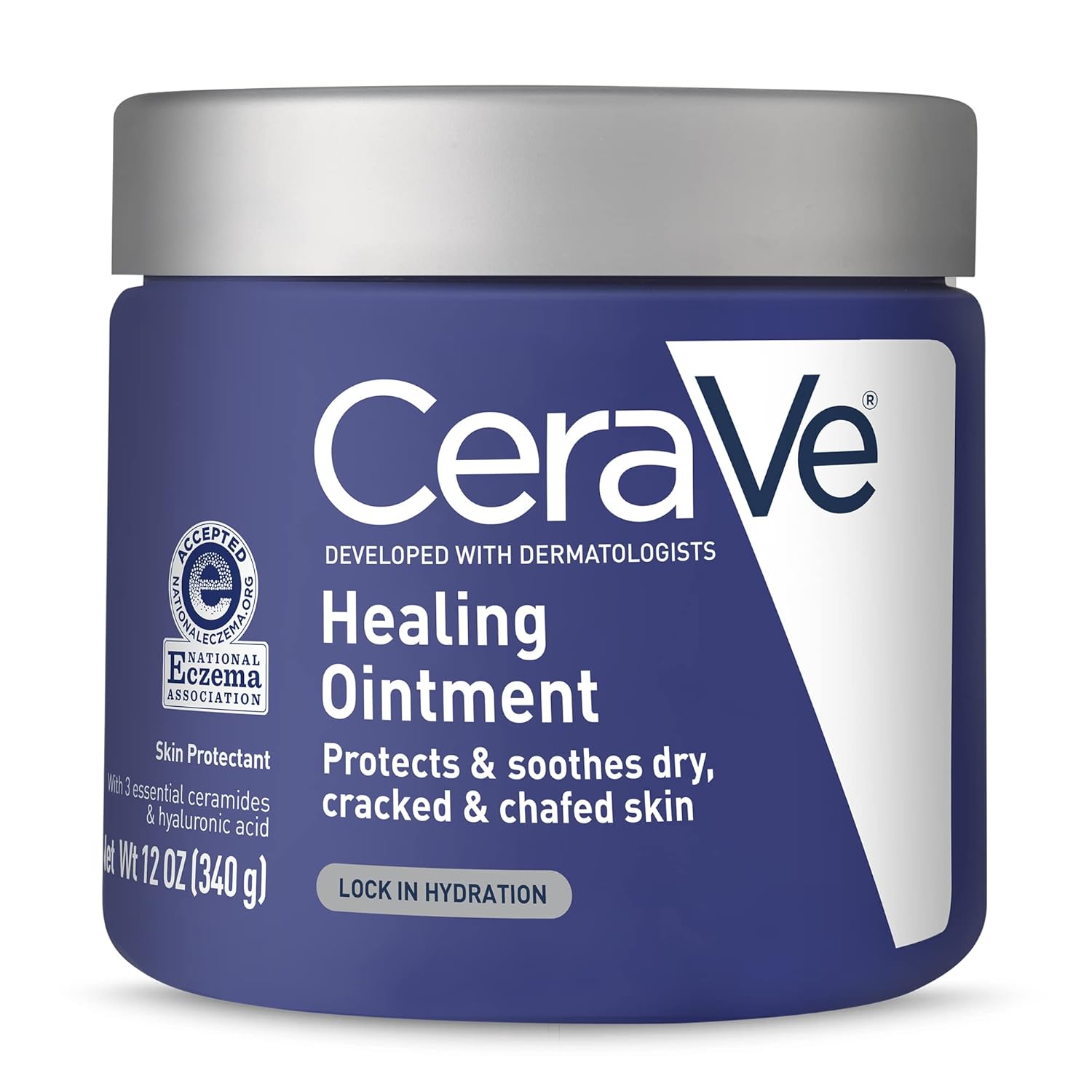


Popular brands in First Aid
First aid products help you respond to minor cuts, scrapes, burns, blisters, and other common situations before professional care is available. The right choice depends on where supplies will be stored, how portable they need to be, and which types of injuries you want to prepare for.
K-Catalog brings together a broad selection of first aid items and kits for comparison. Check each listing’s specifications and included contents carefully, since similar-looking products can differ significantly in size, materials, packaging, and intended use.
How to choose first aid supplies
Start by considering the setting. A home kit may benefit from a wider assortment of wound-care supplies, while a vehicle, office, hiking pack, or travel bag usually calls for a compact design and easy access. If several people may use the kit, clear organization and labeled compartments can make it easier to locate supplies quickly.
Think about the situations you are preparing for:
- Everyday wound care: Look for adhesive bandages in assorted shapes and sizes, cleansing supplies, gauze, and medical tape.
- Outdoor and active use: Consider compact packaging, blister care, flexible dressings, and supplies that can be carried without taking up much space.
- Workplace or group use: A larger kit with organized compartments and a broad selection may be more practical.
- Home readiness: Check whether the contents cover the basic needs of everyone in the household and whether replacement items are easy to identify.
For general health-care products beyond first aid, browse the broader Health Care category.
Kits versus individual supplies
A first aid kit is convenient when you want a coordinated collection in one container. Kits may be designed for particular environments, such as home, travel, work, vehicles, or outdoor activities. Compare the kit’s listed contents rather than relying only on its name, and check whether the case is soft-sided, hard-sided, compact, or designed for mounting.
Individual supplies are useful for replacing used items, customizing a kit, or keeping specialized products available. They can also help avoid buying a complete kit when only one type of item is needed. For medication-related products, see Over-the-Counter Medication, which is a separate category from wound-care and emergency supplies.
Features and specifications to compare
Product details can make a meaningful difference in convenience and suitability. Pay attention to:
- Bandage dimensions and shapes: Match the dressing to the area being covered and consider whether flexible or waterproof construction is important.
- Material and skin contact: Review the listed materials, especially when choosing adhesive products for sensitive skin.
- Sterility and packaging: Check whether wound-contact items are individually wrapped and follow the manufacturer’s instructions for use.
- Kit contents: Look for a clear inventory of dressings, gauze, tape, cleansing products, gloves, tools, and other included components.
- Case design: Zippers, compartments, visibility, handles, and mounting options can affect access and portability.
- Quantity and replenishment: Confirm how many pieces are included and whether the package is intended as a refill or a complete setup.
Do not use a product for a purpose that is not supported by its labeling. For serious bleeding, deep wounds, severe burns, breathing problems, suspected poisoning, or other emergencies, seek professional medical help promptly.
Brands represented in the catalog
The First Aid catalog includes products from Band-Aid, Curad, Dynarex, First Aid Only, McKesson, Medline, Nexcare, Covidien, Ever Ready First Aid, and スリーエム(3M). It also includes hygiene-oriented options from Purell and Wet Ones. Compare brands by the specifications of the individual product, including materials, package format, intended use, and included contents, rather than by brand name alone.
Some needs may fit more closely in neighboring categories. Explore Alternative Medicine, Foot Health, Feminine Care, Sleep & Snoring, or Ear Care when shopping for products outside standard first aid supplies.
Storage and replacement tips
Keep first aid supplies in a dry, accessible location away from excessive heat and moisture. Store kits where household members or coworkers can find them, but keep any restricted items away from children. Review packaging periodically for damage, contamination, or expired contents, and replace supplies after use.
It can help to keep a simple inventory of essential items so missing dressings or cleansing products are noticed before they are needed. A small portable kit can supplement a larger home or workplace kit, but it should still be checked after travel or outdoor activities.
Frequently asked questions
What should a basic first aid kit contain?
A basic kit commonly includes adhesive bandages, gauze, medical tape, wound-cleansing supplies, gloves, and other items listed by the manufacturer. Compare the exact contents before choosing.
Should I buy a complete kit or individual first aid supplies?
Choose a complete kit for convenience and a coordinated assortment. Individual supplies are better for replacing used items or building a kit around specific household, workplace, travel, or outdoor needs.
How do I choose the right bandage?
Consider the wound’s location, approximate size, movement in the area, and whether water resistance or flexibility matters. Review the product dimensions and material details.
Where should first aid supplies be stored?
Store them in a known, dry, accessible location. A portable case can be useful for vehicles, travel, work, or outdoor activities, while a larger kit may suit a home or shared setting.
When should a first aid kit be replaced?
Replace items after they are used, damaged, opened when sterility matters, or no longer suitable for use. Check the packaging and manufacturer’s storage guidance regularly.