
Amazon Basic Care
Amazon Basic Care Ibuprofen Tablets 200 mg, Pain Reliever/Fever Reducer, 100 Count
See current price

Compare over-the-counter medications by active ingredients, intended use, dosage form, and label information. K-Catalog helps you review product specifications before checking current availability on Amazon.
10,541 products in catalog
10,541 results
Amazon Basic Care
See current price

Amazon Basic Care
See current price
![Large Electric Heating Pad for Back, Shoulder, Neck Pain and Cramps Relief - Soft Comfy Fabric Cushion Heat Pad with Auto Shut Off – Hot Quick Heated Pad - 6 Heat Level and 3 Timer Settings [12"x24"]](https://m.media-amazon.com/images/I/91GBSEmUAKL._AC_SL1500_.jpg)


Amazon Basic Care
See current price


Amazon Basic Care
See current price

Tylenol
See current price

GoodSense
See current price


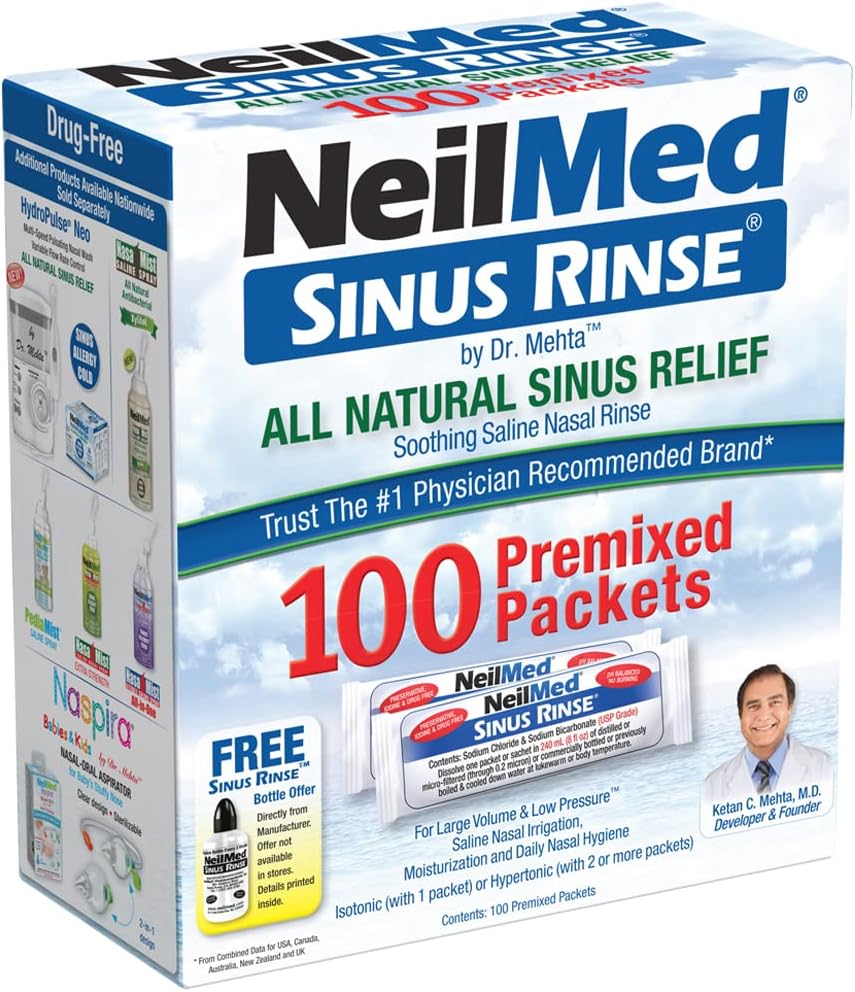
NeilMed
See current price

NeilMed
See current price
NeilMed
See current price


Amazon Basic Care
See current price


Over-the-counter medication can help people manage common, short-term health concerns without a prescription. Because products with similar purposes may use different active ingredients, strengths, forms, and warnings, comparing the label details is an important part of choosing appropriately.
This category covers a broad selection of nonprescription health products. Use the information on each product listing and its packaging to confirm that it fits the intended use, age group, existing conditions, and other medicines or supplements being taken. For broader health products, browse Health Care as well.
Start with the symptom or purpose, then look for the active ingredient rather than relying only on the product name. Several brands may offer products for a similar concern, while one brand may have different formulas for daytime use, nighttime use, adults, children, or specific symptoms.
Compare these details before choosing:
If symptoms are severe, unusual, persistent, or worsening, consult a qualified healthcare professional instead of relying solely on self-care products.
There are no listed subcategories for this catalog section, so it is useful to compare products by their purpose and format. Common groups may include products intended for cold and cough symptoms, congestion, sore throat comfort, pain or fever relief, digestive concerns, allergy symptoms, topical discomfort, and other everyday needs.
Within a single purpose, the most suitable option can depend on the specific symptoms. For example, a product intended for a cough may not be designed for nasal congestion, while a multi-symptom formula may contain ingredients that are unnecessary for someone with only one concern. Read the complete label to understand what a formula is intended to address.
Some related needs are organized separately in the catalog. For supplies used around minor injuries or household emergencies, see First Aid. Products for foot-specific concerns are in Foot Health, while personal products are available through Feminine Care. You can also compare Sleep & Snoring products for sleep-related needs and Ear Care for products intended for ear-related routines. Shoppers interested in nonconventional approaches can explore Alternative Medicine.
The package format can affect convenience, portability, and how easily the product can be used as directed. Tablets and capsules may be convenient for travel, while liquids or chewables may be preferable for people who have difficulty swallowing. Lozenges, sprays, creams, and gels are designed for different application needs and should not be treated as interchangeable.
Look for clear information about:
Do not compare products solely by brand name or package appearance. The active ingredients, labeled purpose, directions, and warnings provide more useful information for a direct comparison.
The catalog includes products from Vicks, Amazon Basic Care, Hyland's, Mucinex, Tylenol, Boiron, Halls, RITE AID, Biofreeze, Ricola, NeilMed, and TUMS. These brands may appear across different types of over-the-counter products and formats. Brand familiarity can help narrow a search, but it should not replace checking the specific formula and label for each product.
When comparing products from the same brand, examine the exact intended use, active ingredients, serving directions, and warnings. A familiar brand may offer multiple formulas that are not interchangeable.
Always read the current product label before use, including the directions, warnings, and expiration information. Use only the labeled amount and schedule unless a healthcare professional gives different guidance. Measuring devices supplied with liquid products are generally preferable to household spoons because they are designed for the stated dose.
Keep a list of medicines and supplements currently being used so a pharmacist or clinician can check for possible duplication or interactions. This is especially important when using more than one product for cold, flu, pain, allergy, or sleep-related symptoms, since different products may share an active ingredient.
Store medication according to the package instructions and keep it out of the reach of children. Do not use a product if its packaging is damaged, the label is unreadable, or its appearance has changed unexpectedly. For children, pregnancy, breastfeeding, older adults, chronic conditions, allergies, or regular prescription medicines, ask a healthcare professional whether the product is appropriate.
Over-the-counter medication is a nonprescription product intended for use according to its label directions. It still has active ingredients, warnings, limitations, and possible interactions that should be reviewed before use.
Compare the active ingredients, strength, intended symptoms, dosage form, directions, age guidance, and warnings. A product with more ingredients is not automatically a better fit.
No. Combination formulas may be useful when several labeled symptoms occur together, but a single-ingredient product can make it easier to target one symptom and avoid unnecessary ingredients.
Not automatically. Check for overlapping active ingredients and possible interactions, and ask a pharmacist or other qualified healthcare professional when uncertain.
Use only products whose label specifically provides appropriate directions for the child’s age or weight, and follow those directions carefully. Ask a pediatrician or pharmacist if the label is unclear or the child has a medical condition.
Seek professional guidance for severe, persistent, worsening, or unusual symptoms, and before use when pregnancy, breastfeeding, chronic illness, allergies, or other medications may affect product choice.