

Gate Hardware for Hinges, Latches & More
Compare gate hardware for residential, garden, driveway, farm, and commercial applications. Check compatibility, construction, adjustment, and installation requirements before choosing components.
397 products in catalog
397 results
Filters

AntiqueSmith
AntiqueSmith Magnetic Decorative Garage Door Curb Appeal Faux Hinges Handles Hardware Kit Color Black
See current price


Gate1Access
Gate1Access Compatible GTO Mighty Mule RB741 Remote Control Transmitter (2 Pak)
See current price


Ghost Controls
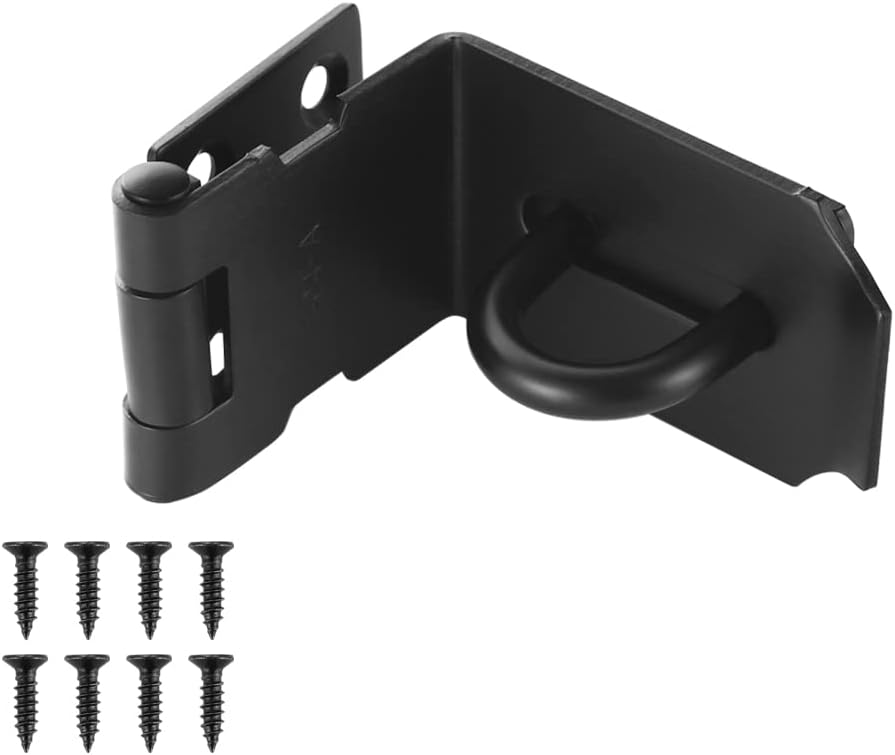
Ghost Controls 3-Button Remote Transmitter for Automatic Gate Openers, Model AXS1
See current price


Ghost Controls
Ghost Controls Heavy-Duty Automatic Gate Opener Kit for Swing Gates with Long-Range Gate Opener Remote - Model TDS2
See current price

GC GHOST CONTROLS
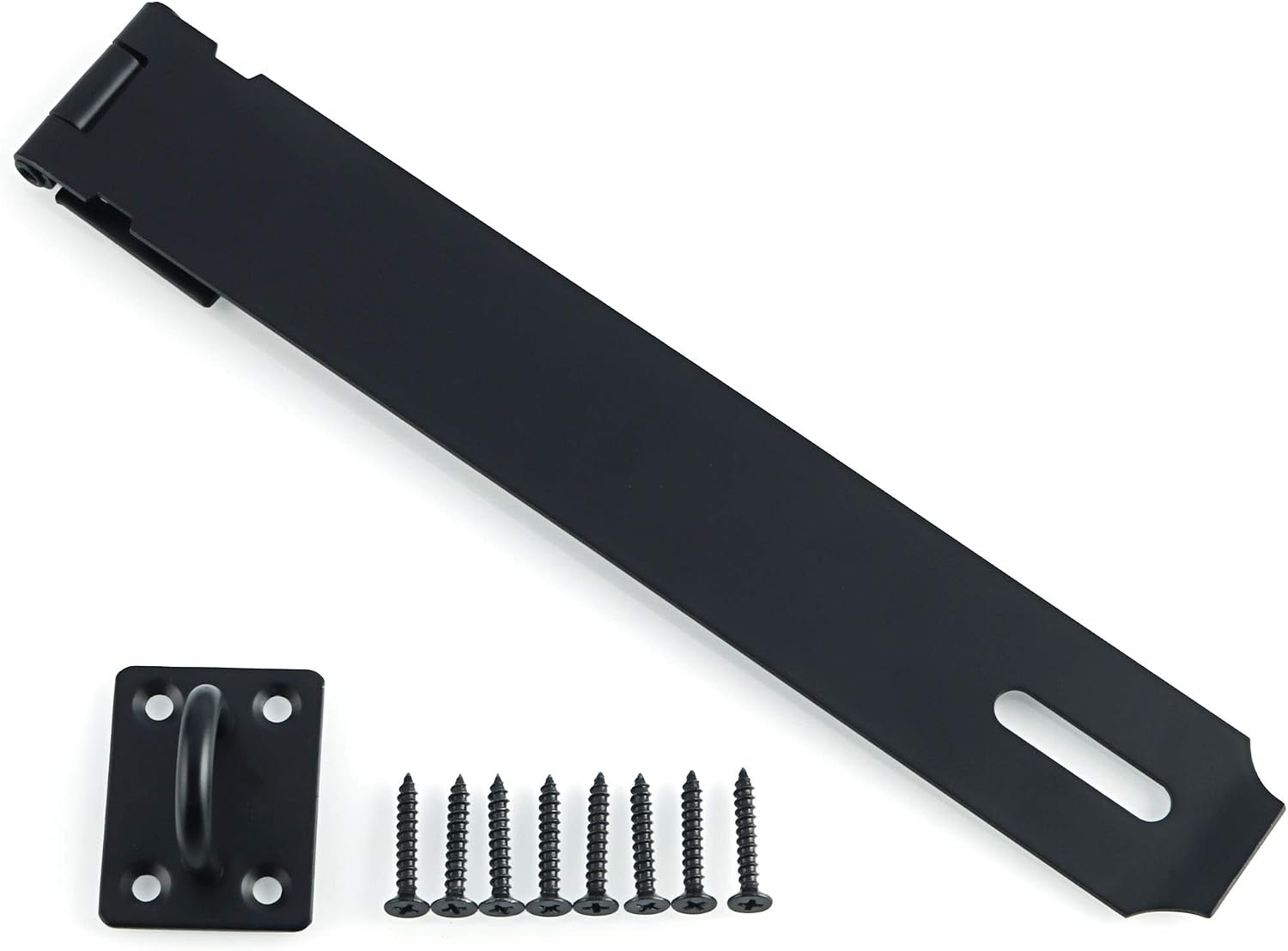
Ghost Controls Premium Wireless Keypad for Automatic Gate Openers - Model AXWK
See current price

ZXUEZHENG
ZXUEZHENG 4Pcs 5 inches Cabin Hook Eye Latch Gate Door Swivel Window Door Hook with Mounting Screws
See current price




Yardlock
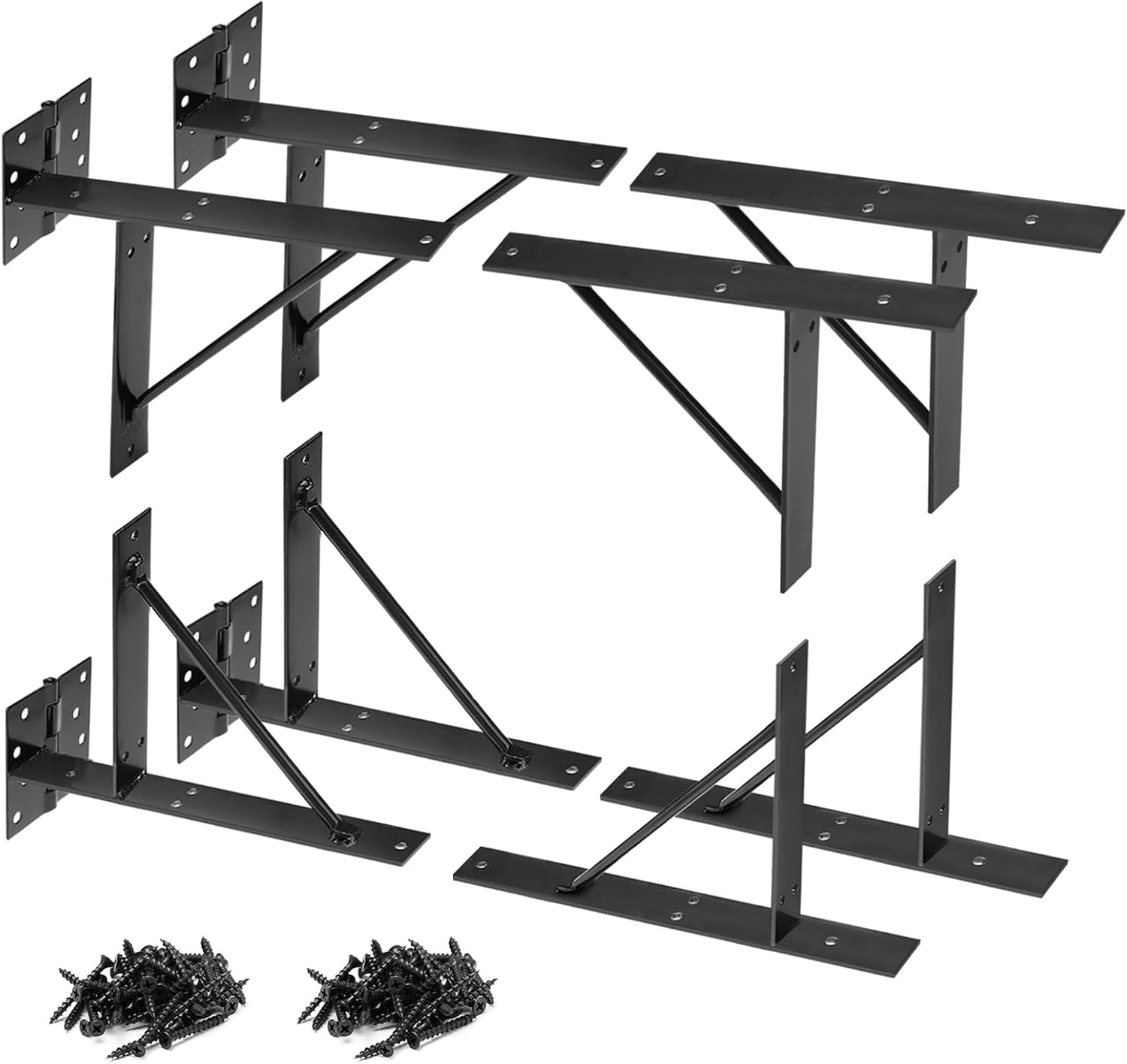
Keyless Gate Lock – Secure Fence Lock and Latch – Strong Durable System XLS – Heavy Duty – 1-Pack
See current price
Popular brands in Gate Hardware
Gate hardware affects how smoothly a gate opens, how securely it closes, and how well it stands up to outdoor exposure. This category brings together components for swinging and sliding gates, including hinges, latches, locks, closers, handles, stops, and hardware used with automated systems.
The right choice depends on the gate’s material, weight, dimensions, opening direction, and expected use. A lightweight garden gate has different requirements from a wide driveway gate or a frequently used access gate, so compare specifications rather than choosing by appearance alone.
How to choose gate hardware
Start by identifying the gate and post materials. Wood, steel, aluminum, vinyl, and composite gates may require different fasteners, mounting plates, hinge styles, or clearance. Also check whether the hardware is intended for a gate frame, a post, a wall, or another mounting surface.
Consider these practical factors:
- Gate weight and size: Hinges, pivots, and supports must be suitable for the gate’s load and dimensions.
- Movement: Confirm whether the gate swings in one direction, swings both ways, or slides along a track.
- Use frequency: A rarely used side gate may need simpler hardware than a busy entry gate.
- Security: Match latches, locks, and access hardware to the level of control the entrance requires.
- Exposure: Outdoor gates need finishes and materials suited to rain, humidity, sunlight, dirt, and temperature changes.
- Installation space: Check clearances around posts, walls, fencing, and the gate’s swing path.
For broader projects, browse Hardware or compare gate-related components with Door Hardware & Locks.
Main types of gate hardware
Hinges and pivots
Gate hinges support the gate while allowing it to move. Strap hinges, adjustable hinges, butt-style hinges, and pivot hardware suit different gate constructions and mounting arrangements. Adjustable designs can be useful when alignment may need fine-tuning after installation, while heavy-duty hardware is generally considered for larger or heavier gates.
Latches, locks, and handles
Latches keep a closed gate in position, while locks add control over who can open it. Compare the latch direction, mounting method, keeper design, and compatibility with the gate frame. Handles can improve usability, but they should not interfere with the latch or create unwanted clearance issues.
Closers, stops, and catches
Gate closers help return a gate toward the closed position, while stops limit travel and catches help hold the gate in place. These components can be especially useful where a gate must close consistently or where uncontrolled movement could damage the gate, fence, or surrounding property.
Automation components
Automated gate systems may include operators, brackets, controls, and release hardware. Before selecting a component, verify the gate type, swing or sliding action, available power arrangement, control method, and compatibility with the rest of the system. Manual release access can also matter if the gate system loses power.
Features and specifications to compare
Material and finish are important for outdoor durability, but they are only part of the selection. Look for clear information about mounting holes, included fasteners, adjustment range, and the gate or post dimensions the hardware can accommodate.
For hinges and support hardware, compare load guidance, adjustment options, opening angle, and whether the design is intended for left-hand, right-hand, or reversible installation. For latches and locks, review the bolt or latch style, keeper alignment, key or access requirements, and whether the mechanism is suitable for the gate’s thickness.
Installation instructions and hardware included in the package can vary. If a component is being added to an existing gate, measure the current mounting area and check for obstructions before ordering.
Brands represented in the catalog
The Gate Hardware catalog includes products from Mighty Mule, National Hardware, Jake Sales, TOPENS, HLOMVE, D&D TECHNOLOGIES, Alise, Nationwide Industries, JIAHOO, ALEKO, WEBI, and Fencesmart. Comparing products across these brands can help shoppers evaluate construction, mounting style, compatibility information, and intended use without relying on brand name alone.
Related project categories include Cabinet Hardware, Bathroom Hardware, Furniture Hardware, Tarps & Tie-Downs, and Shelf Brackets & Supports. These categories may be useful when a gate project is part of a larger repair, storage, or outdoor improvement task.
Installation and maintenance tips
Measure the gate, posts, gaps, and mounting surfaces before comparing products. A level gate and properly aligned hinges help reduce strain on the latch and closing hardware. Use fasteners appropriate for the gate and post materials, and follow the manufacturer’s installation guidance for drilling, spacing, and adjustment.
After installation, check that the gate swings or slides freely, closes without force, and engages the latch correctly. Periodically inspect screws, bolts, hinges, stops, and mounting plates for loosening, wear, corrosion, or shifting. Keep moving parts clean and use only lubrication recommended for the hardware.
Frequently asked questions
What gate hardware is needed for a basic swing gate?
A basic swing gate commonly requires hinges, a latch or lock, a handle, and suitable fasteners. A stop or closer may be appropriate depending on the gate’s use and closing requirements.
How do I choose hinges for a gate?
Compare the hinge design with the gate’s material, weight, width, opening direction, and post construction. Check load guidance, mounting dimensions, adjustability, and weather-suitable materials.
Are gate latches and gate locks the same thing?
Not always. A latch holds the gate closed, while a lock adds a mechanism intended to restrict opening. Some products combine both functions, so review the access method and installation requirements.
Can gate hardware be used outdoors?
Many gate components are designed for outdoor applications, but materials and finishes vary. Check the product specifications for environmental suitability and maintain exposed hardware as recommended.
What should I check before installing an automated gate component?
Confirm that the component matches the gate’s movement, size, construction, power arrangement, mounting space, and existing automation system. Follow the manufacturer’s compatibility and safety instructions.