
Porch Shield
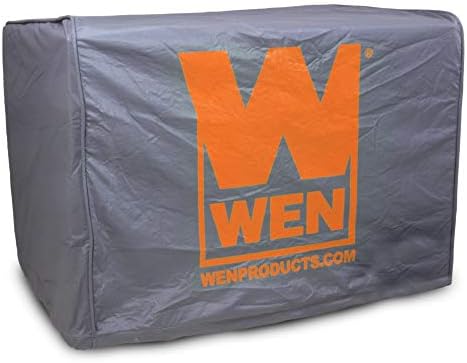
Porch Shield Waterproof Universal Generator Cover 35 x 26 x 28 inch, for Most Generators 5000-12000 Watt, Light Tan
See current price

Compare generator accessories by their purpose, compatibility, connection type, and protection features. Use the specifications to narrow options for home backup, outdoor use, or portable power.
256 products in catalog
256 results
Porch Shield
See current price

Champion Power Equipment
See current price

Champion Power Equipment
See current price

Champion Power Equipment
See current price

Champion Power Equipment
See current price

Champion Power Equipment
See current price

Coleman Cable
See current price


Himal Outdoors
See current price

Champion Power Equipment
See current price




GenTent Safety Canopies
See current price

Reliance Controls
See current price


Reliance Controls
See current price
Generator accessories can make a portable or standby generator easier to connect, protect, transport, and use safely. The right choice depends on your generator’s output, connection points, installation setup, and where you plan to operate it.
K-Catalog helps shoppers compare listed specifications and features across generator accessories before checking current availability on Amazon. For generator units themselves, browse the Generators category; shoppers exploring renewable power options can also compare Solar & Wind Power.
Start with the job the accessory needs to perform. A cable or adapter may support a connection, while a transfer component can help integrate a generator with selected household circuits. A cover or canopy focuses on protection, and a cart or wheel kit may help with movement and storage.
Before choosing, check:
Never assume that two accessories are interchangeable because their plugs or external dimensions look similar. The complete electrical system must be compatible with the generator and the equipment being powered.
Although accessory listings can vary, several types appear frequently in this category.
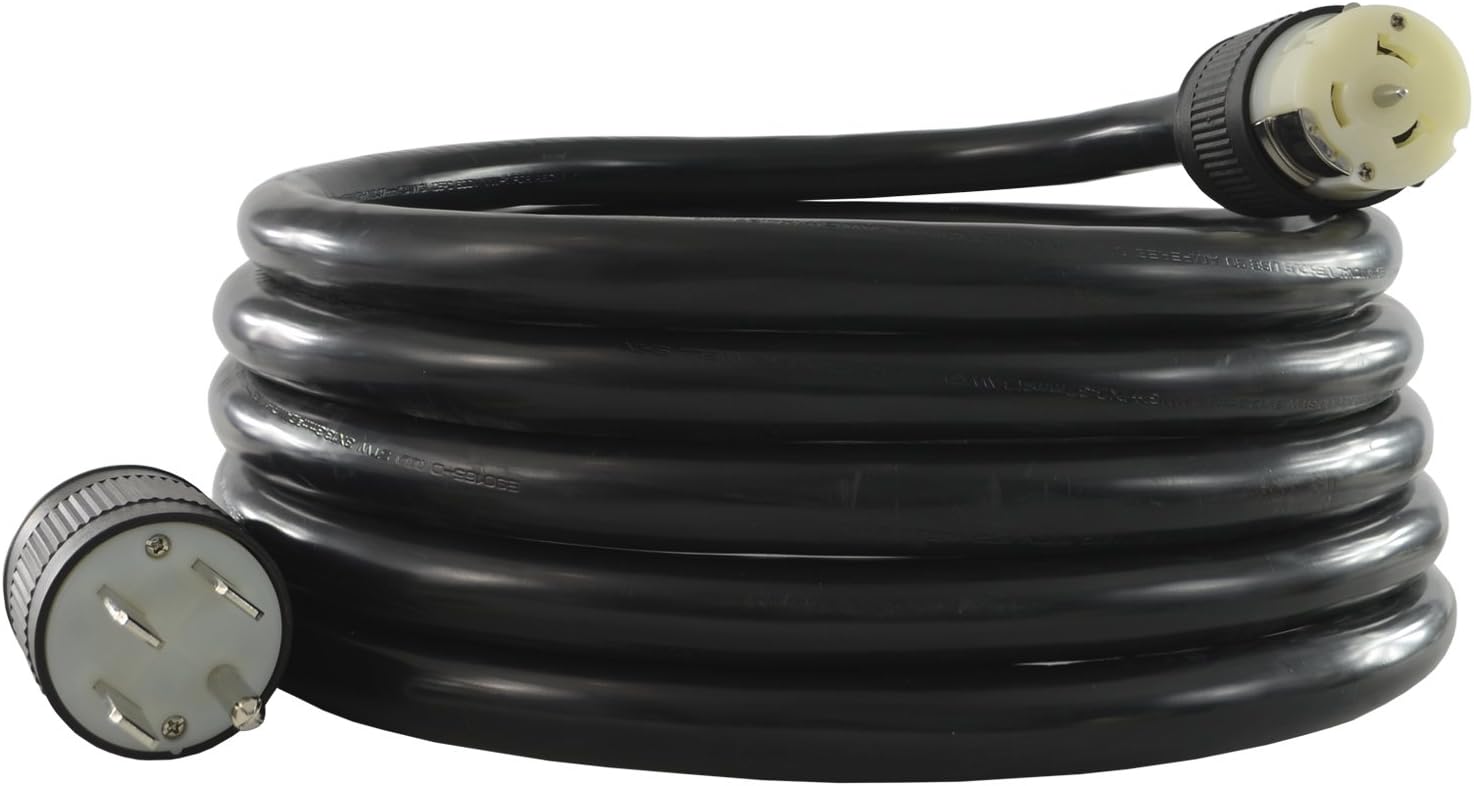
Extension cords, adapters, inlet connections, and distribution equipment can help route generator power to appliances or selected circuits. Compare connector configuration, conductor size, length, grounding details, and stated power limits. Avoid choosing based on length alone; a longer cable may have different electrical requirements than a shorter one.
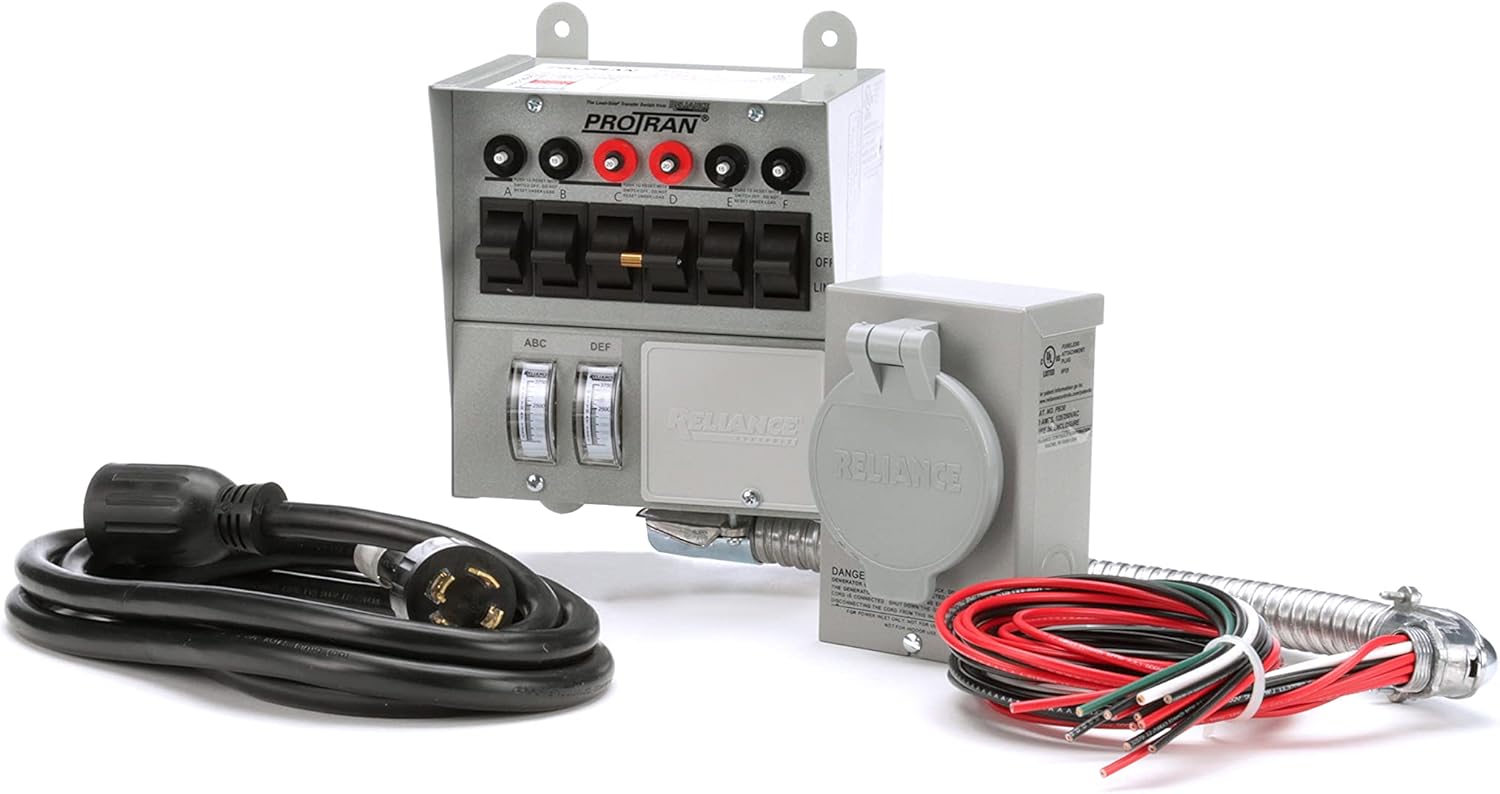
Transfer switches and related components are used when a generator is connected to household wiring. These products require careful compatibility checks with the generator, electrical panel, and intended circuits. Installation may involve local electrical requirements, so follow the product documentation and consult a qualified electrician when appropriate.
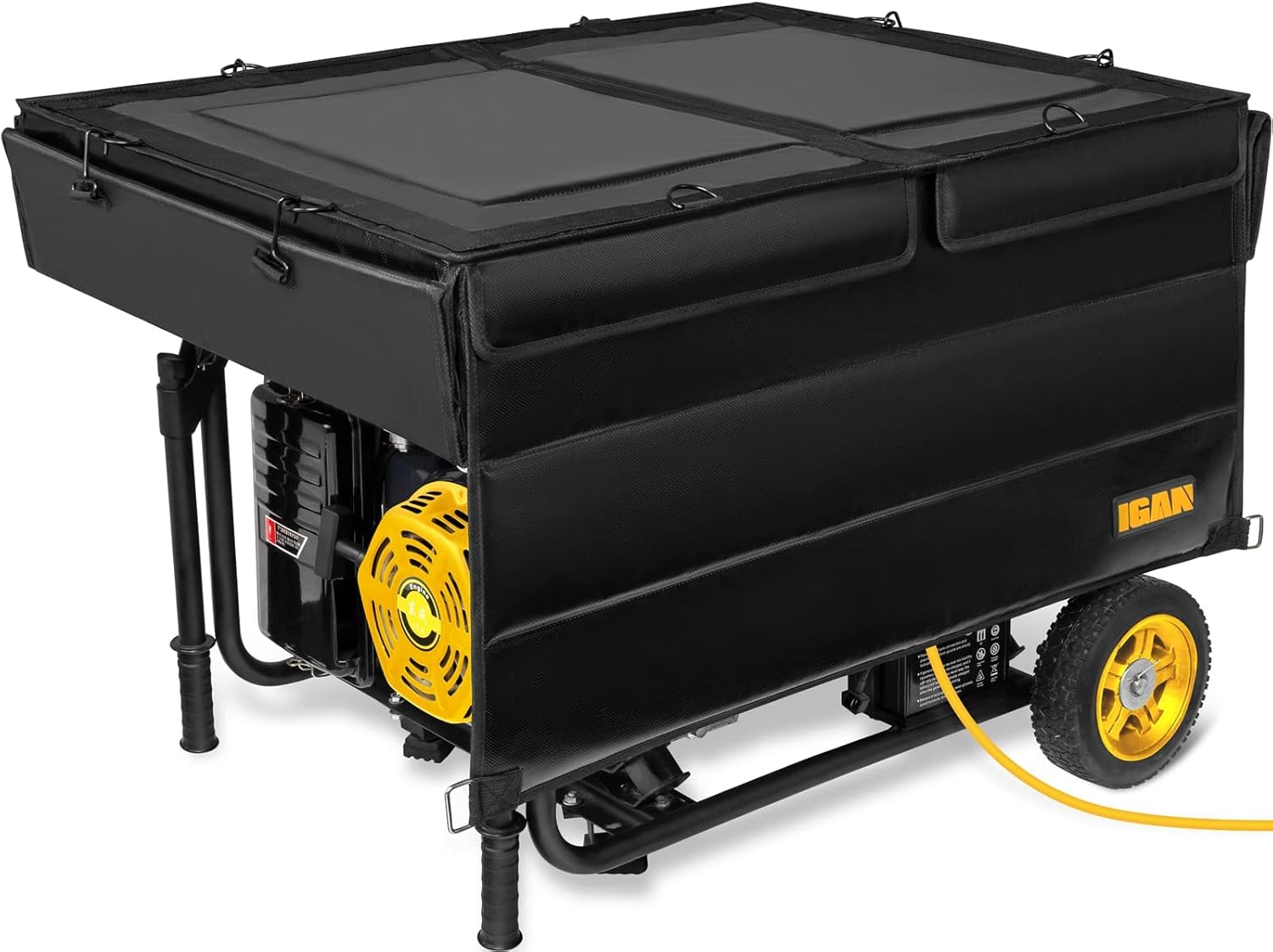
Covers and safety canopies can help shield equipment during storage or operation, but they should not obstruct cooling airflow or exhaust. Compare material, fit, access points, ventilation design, fastening method, and whether the accessory is intended for storage, operation, or both.
Wheel kits, handles, storage solutions, battery-related items, and maintenance accessories can affect convenience between uses. Verify dimensions, mounting points, generator compatibility, and whether the accessory supports the generator’s weight and design.
The most useful specifications depend on the accessory type, but shoppers should pay close attention to the following details:
Specifications should be compared against the generator’s manual and the requirements of the appliances or circuits involved. An accessory that fits physically may still be unsuitable electrically.
The catalog includes generator accessories from Conntek, Reliance Controls, Honda, Generac, Champion Power Equipment, Miady, BougeRV, Leader Accessories, Sunolga, WEN, Yodotek, and GenTent Safety Canopies. Brand selection can be a useful starting point, but compatibility and specifications should guide the final comparison rather than brand name alone.
Use accessories according to their instructions and keep generator operation outdoors in a properly ventilated location. Keep exhaust away from doors, windows, and air intakes, and do not use a cover or canopy that restricts airflow or traps exhaust. Protect cables from standing water, sharp edges, vehicles, and excessive heat.
Before each use, inspect cords, plugs, housings, mounting points, and fasteners for visible damage. Store accessories clean and dry, coil cables without sharp bends, and keep connection points protected from dirt and moisture. For transfer equipment or household wiring, use installation guidance from the manufacturer and applicable local requirements.
Compare the generator’s make, model information, connector type, electrical requirements, mounting points, and dimensions with the accessory specifications. When details conflict or are missing, consult the manufacturer’s documentation before purchasing.
No. The cord should match the generator’s output, connector configuration, grounding requirements, length, and intended load. Follow the generator and cord documentation rather than relying on appearance alone.
Only use a cover or canopy when its specifications and instructions permit operation. It must not block cooling airflow or allow exhaust to accumulate, and the generator must remain in a safe outdoor location.
Transfer equipment connects with household electrical wiring and may require specific compatibility checks and local-code compliance. A qualified electrician can help evaluate installation requirements.
Inspect for damage, clean and dry the items, protect electrical connections, and store cables without tight kinks. Keep components organized so compatibility and safety markings remain easy to identify.