
Victron Energy
Victron Energy SmartSolar MPPT 100V 20 amp 48-Volt Solar Charge Controller (Bluetooth)
See current price

Compare solar and wind power equipment by output, compatibility, installation requirements, and intended use. Explore catalog listings to identify components that fit your off-grid or backup-power setup.
516 products in catalog
516 results
Victron Energy
See current price


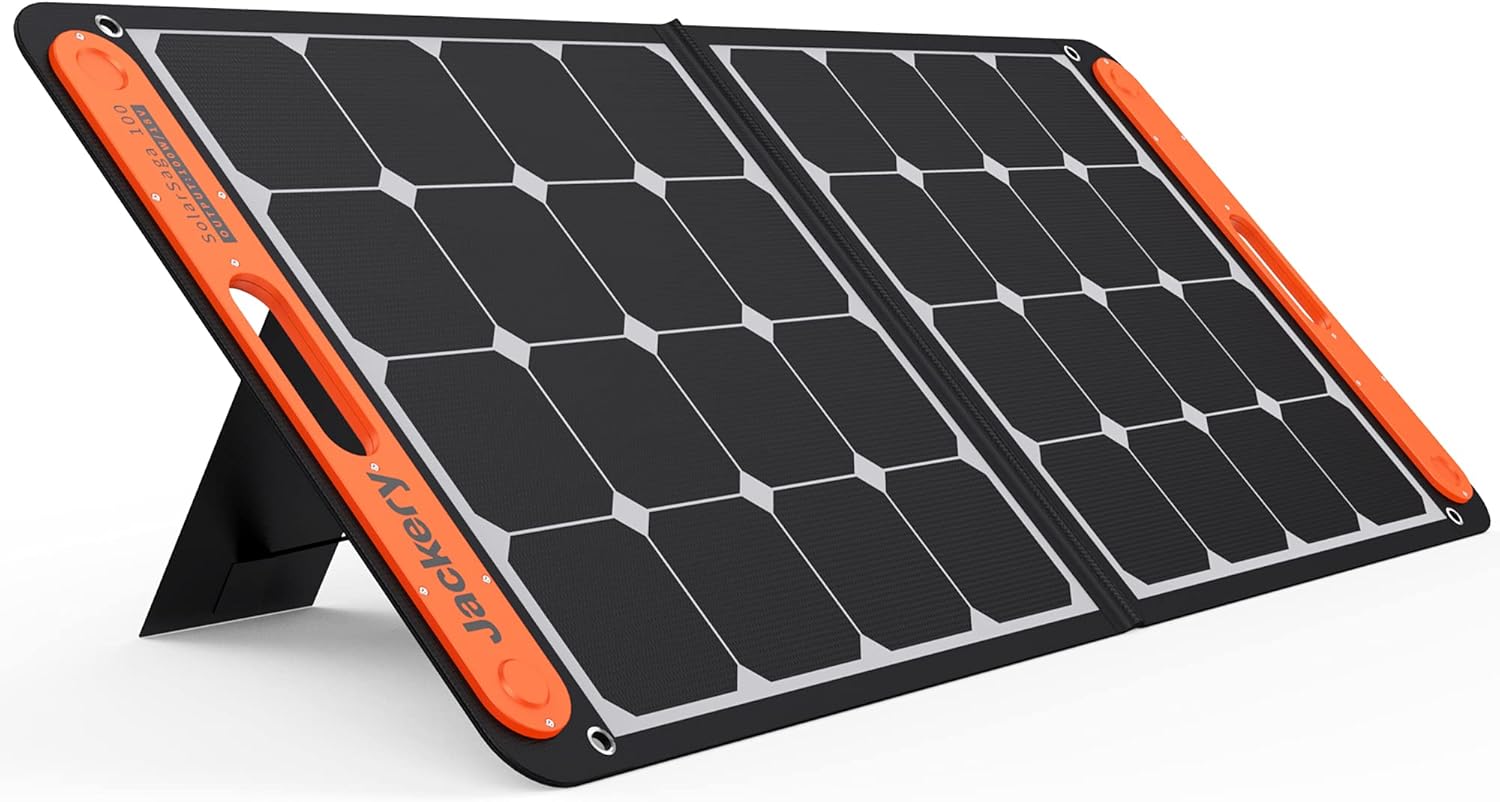


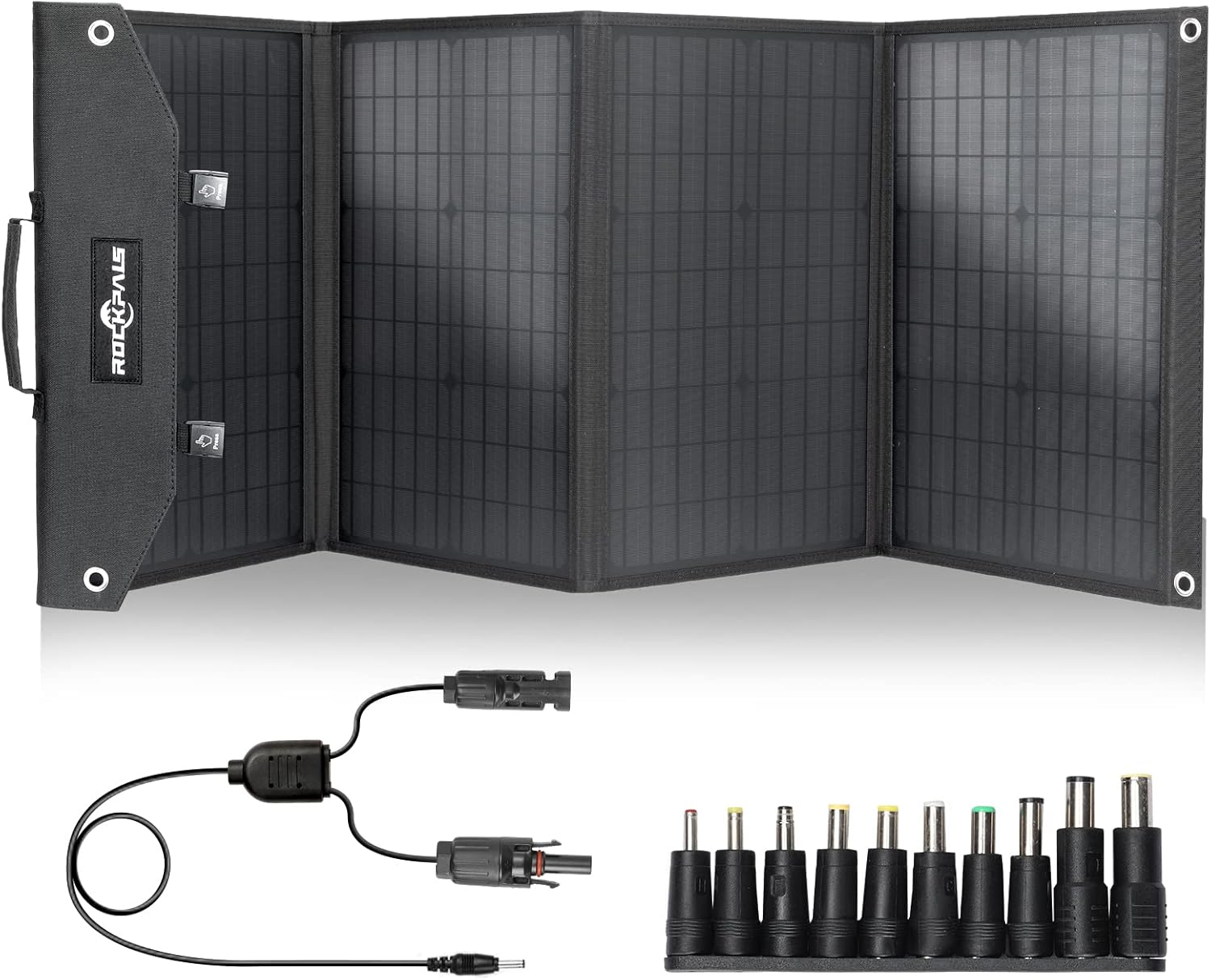


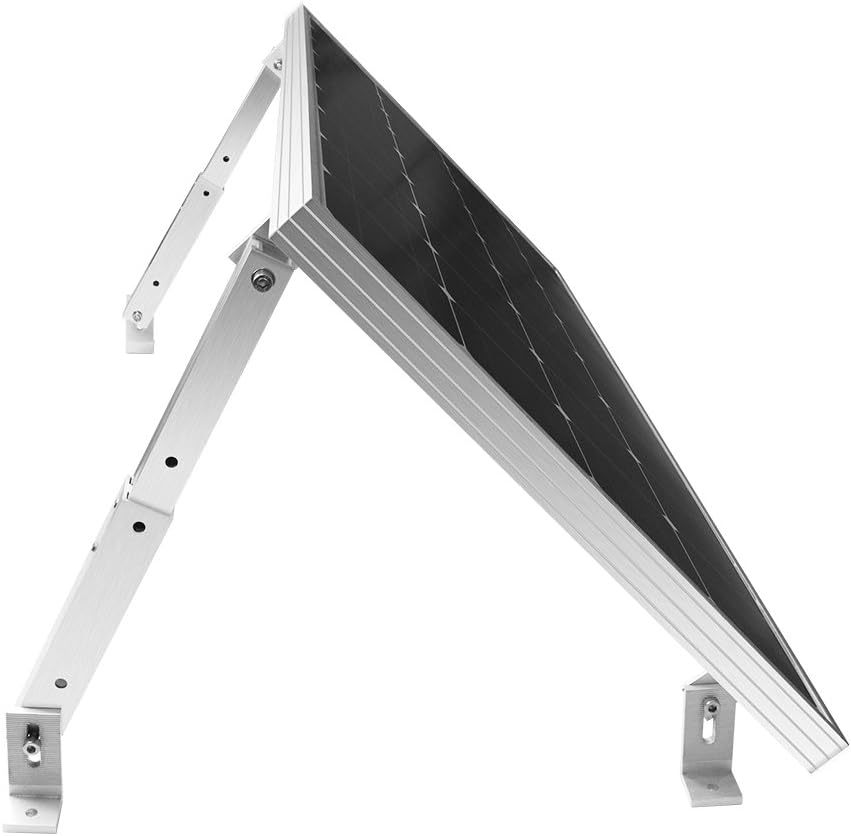

WindyNation
See current price


Wildgame Innovations
See current price


Solar and wind power equipment can help provide electricity away from the grid, support backup systems, or maintain batteries in locations where conventional power is limited. The right choice depends on your energy needs, available space, local conditions, and how the components will work together.
K-Catalog helps shoppers compare listed specifications and features before clicking through to Amazon for the latest product information. Use the details on each listing to check whether a panel, turbine, controller, or power accessory suits your setup.
Start by defining what the system needs to do. A small setup for keeping batteries charged has different requirements from equipment intended to support appliances, a remote workspace, an RV, a boat, or an emergency power system.
Consider these questions before comparing products:
Solar power equipment is often selected for its relatively simple installation and suitability for locations with reliable sunlight. When comparing solar products, check the panel format, electrical output, operating specifications, connector type, mounting approach, and weather-resistance information provided by the manufacturer.
Wind power equipment may be useful where wind conditions are consistent and the installation location allows safe clearance. Compare turbine design, rated output, startup wind requirements, operating range, mounting needs, controller compatibility, and noise or vibration information when those specifications are available.
A hybrid setup can combine solar and wind generation so that one source may contribute when the other is less available. Hybrid systems require especially careful compatibility checks between generation equipment, charge controllers, batteries, and any inverter or monitoring equipment.
Product specifications are most useful when considered as a complete system rather than in isolation. Pay close attention to:
The catalog includes listings from Renogy, ECO-WORTHY, HQST HIGH QUALITY SOLAR TECHNOLOGY, Wasserstein, Goal Zero, Newpowa, ALLPOWERS, IGreely, BougeRV, Topsolar, EPEVER, and PowMr. These brands may appear across different types of solar and wind power equipment, so compare the specifications of each individual listing rather than choosing by brand name alone.
Before installation, review the manufacturer’s instructions and local requirements. Outdoor electrical equipment should be mounted securely, protected from avoidable water entry, and positioned so that cables are not exposed to unnecessary abrasion, heat, or foot traffic. Wind equipment also requires careful attention to structural support, moving parts, clearance, and safe access.
Keep an inventory of connectors, fuses, cables, mounting hardware, and other system components so you can identify compatibility gaps early. Periodically inspect exposed equipment for loose connections, corrosion, physical damage, dirt, and signs of water intrusion. For complex or high-power systems, qualified installation advice can help reduce wiring and safety risks.
If you need equipment that works alongside conventional backup power, compare this category with Generators and review Generator Accessories for related components. You can also browse the broader Generators & Portable Power category when planning a mixed power setup.
Neither is universally better. Solar may suit locations with dependable sunlight and available mounting space, while wind may be more appropriate where local wind conditions and safe installation space are favorable.
They can be combined in some systems, but the components must be electrically compatible. Check controller support, voltage, current, battery requirements, wiring, and protection features before combining equipment.
Not always, but batteries are commonly used when power must be stored for later use. Whether one is required depends on the equipment design and whether the system connects directly to a load or another power system.
Compare connector type, electrical specifications, dimensions, mounting method, environmental rating, and compatibility guidance. The original component’s documentation can help identify the required specifications.
Small, clearly documented equipment may be manageable for some shoppers, but larger systems involve electrical, structural, and weather-related risks. Follow manufacturer instructions and seek qualified help when the installation is complex.