

Guitar & Bass Amplifiers & Preamps
Compare guitar and bass amplifiers and preamps by sound, power, connectivity, and portability. This catalog helps players narrow down options for practice, recording, rehearsal, and live performance.
159 products in catalog
159 results
Filters


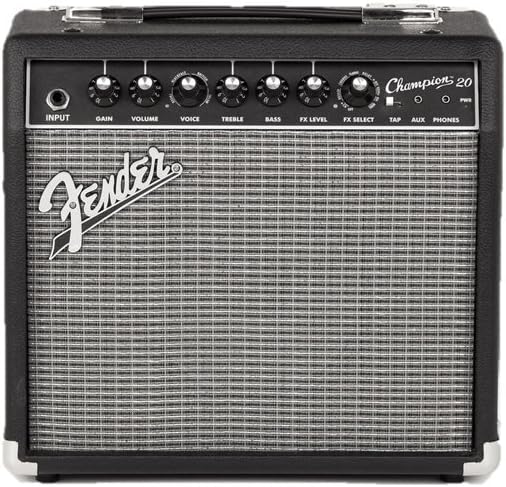


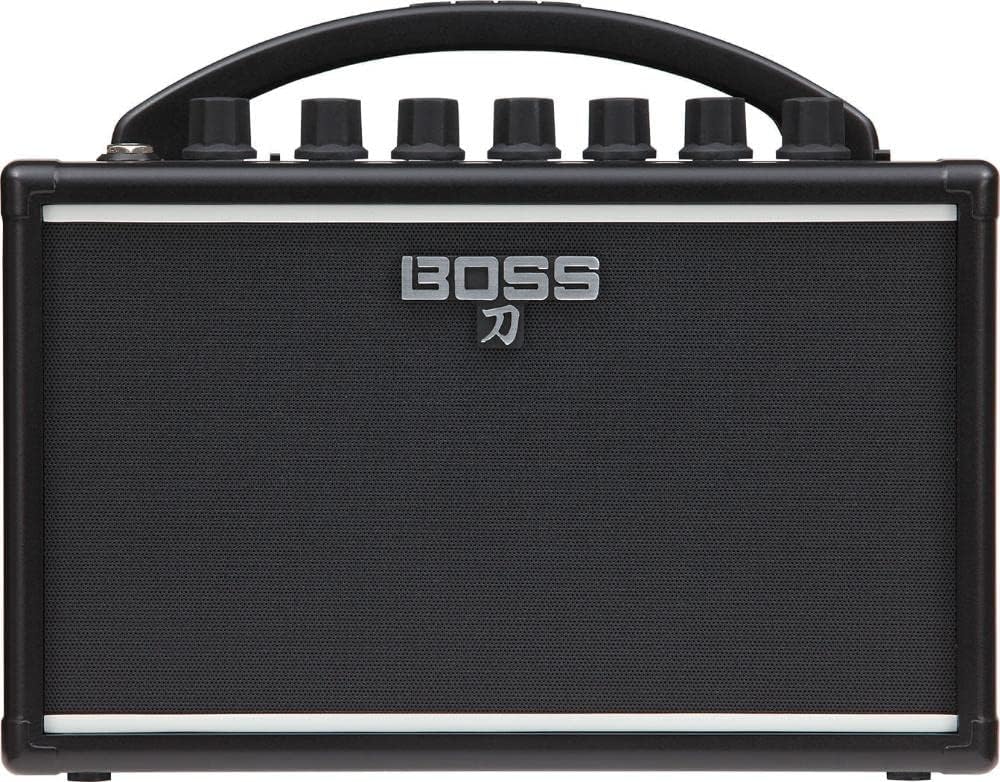


Fender
Fender Mustang I (V.2) 20-Watt Electric Guitar Amplifier with Cable and Picks
See current price


MonoPrice
Monoprice 611815 15Watt, 1 x 12 Guitar Combo Tube Amplifier with Celestion Speaker & Spring Reverb
See current price




Popular brands in Guitar & Bass Amplifiers & Preamps
An amplifier shapes how an electric guitar or bass is heard, while a preamp focuses on signal shaping and sending a suitable output to another device. The right choice depends on your instrument, playing environment, preferred sound, and whether you need an all-in-one setup or a component for a larger rig.
K-Catalog organizes this category within Amplifiers & Effects so shoppers can compare specifications and features across available options. Use the guidance below to identify the details that matter before opening a product listing.
How to choose an amplifier or preamp
Start with the intended use. A compact practice amplifier may be easier to place and transport, while rehearsal and stage setups can call for greater output, stronger projection, or connections for external equipment. Recording setups often benefit from flexible tone controls, direct outputs, or a preamp designed to work with an interface or mixer.
Also match the equipment to the instrument. Guitar and bass amplifiers are not interchangeable by default: bass frequencies require an amplifier and speaker system designed to handle them appropriately. If a product description does not clearly identify its intended instrument, review its specifications and connection details carefully.
Common setup types
Although this catalog does not divide the category into formal subcategories, products generally suit several different roles:
- Practice amplifiers: Compact options for home playing, lessons, and low-volume sessions. Look for manageable controls, a headphone output, and an auxiliary or playback input if those features fit your routine.
- Combo amplifiers: An amplifier and speaker housed together. These can simplify setup and transport when you want a self-contained rig.
- Amplifier heads and cabinets: Separate components that allow more flexibility in pairing an amplifier section with a suitable speaker cabinet. Confirm impedance and power compatibility before connecting them.
- Modeling or multi-voice amplifiers: Designed to provide multiple tones, effects, or amp-style settings in one unit. These can suit players who want variety without assembling several separate components.
- Preamps and direct-output units: Useful when shaping the instrument signal before sending it to a power amplifier, mixer, recording interface, or powered speaker. Check whether the unit is intended for guitar, bass, or both.
For players building a broader signal chain, Guitar Effects is a related category worth comparing alongside an amplifier or preamp.
Features and specifications to compare
Power and output: Wattage is only one part of an amplifier’s behavior, but it helps indicate how the unit is intended to be used. Consider the room, desired volume, speaker configuration, and whether clean headroom or natural breakup is important to your playing style.
Tone controls: Check which controls are provided, such as gain, volume, bass, middle, treble, presence, or resonance. More detailed controls can help shape a sound precisely, while a simpler layout may be faster to operate.
Inputs and outputs: Review the instrument input, auxiliary input, headphone output, line output, effects loop, speaker output, and any footswitch connection. Choose connections that match the rest of your equipment rather than assuming an adapter will solve every compatibility issue.
Built-in effects and presets: Some amplifiers include effects or selectable voices. Compare the available controls and whether settings can be saved, switched with a foot controller, or bypassed for a more direct signal path.
Size and construction: Dimensions, weight, handle placement, and cabinet design affect transport and placement. A lighter unit may suit frequent movement, while a larger cabinet may be more appropriate for a fixed rehearsal or performance setup.
Brands represented in the catalog
The catalog includes products from Fender, Orange, Vox, Blackstar, JOYO, NUX, Marshall, Donner, Roland, Bugera, Fishman, and COOLMUSIC. Treat the brand as a starting point, then compare the individual product’s intended instrument, controls, connections, dimensions, and output specifications. Models within the same brand can serve very different playing situations.
Compatibility and setup tips
Before buying, verify that the amplifier is designed for your instrument and that every connection in the intended signal chain matches. With separate heads and cabinets, check the specified impedance and power requirements. For preamps, identify whether the output is intended for a power amplifier, interface, mixer, headphones, or another destination.
Think about volume control as well as maximum output. Home players may prioritize a headphone connection or a useful low-volume response, while performers may need outputs and controls that integrate with a stage or recording system. If effects pedals are part of the plan, check for an effects loop or confirm that the available input arrangement suits the desired order of effects.
Frequently asked questions
What is the difference between an amplifier and a preamp?
A preamp shapes and boosts an instrument’s signal for the next device in the chain. An amplifier typically includes the power stage needed to drive a speaker, although product designs vary.
Should guitar and bass use different amplifiers?
Usually, choose an amplifier designed for the instrument you play. Guitar and bass produce different frequency demands, so the intended use and speaker specifications should be checked before purchase.
Is a combo amplifier easier to set up?
A combo combines amplification and a speaker in one enclosure, which can reduce the number of separate components. A head-and-cabinet setup may offer more flexibility but requires careful matching.
What connections should a practice amplifier have?
Useful options can include an instrument input, headphone output, auxiliary or playback input, and an appropriate line or recording output. Select features based on how you practice and record.
Do more watts always mean a better amplifier?
No. Output power should match the playing environment and desired response. Tone controls, speaker design, volume behavior, connectivity, and portability can be equally important.
What should be checked when pairing a preamp with other equipment?
Confirm the preamp’s input and output types, signal level, intended destination, and power requirements. Make sure it fits the rest of the signal chain before connecting it.