

Plugs for Hardware Repairs and DIY Projects
Compare plugs for hardware repairs, sealing, fastening, and other DIY jobs. Check each listing’s materials, dimensions, compatibility, and installation requirements before choosing.
34 products in catalog
34 results
Filters


Plasplug
Plasplug MFA500 All-in-One Plugs includes Clip of 52 (Packaging May Vary), Gray (PLAMFA500)
See current price









Popular brands in Plugs
Plugs are small hardware components used for a wide range of repair, maintenance, and installation tasks. Depending on the product, a plug may fill an opening, secure material, seal a passage, protect a surface, or provide a finished appearance.
The right choice depends on more than appearance. Before selecting a plug, identify the opening or application, check the required fit, and compare the product’s material and intended use with the conditions of your project.
How to choose the right plugs
Start by defining what the plug needs to do. A plug used to close an opening may require a different shape and material from one designed to anchor into a wall or finish a piece of furniture. Consider these points:
- Application: Determine whether the plug is for sealing, covering, fastening, protecting, or finishing.
- Opening or hole size: Compare the product dimensions with the actual opening. A close fit is important, but forcing an incompatible plug can damage the surrounding material.
- Material: Plastic, rubber, metal, and other materials can have different levels of flexibility, durability, moisture resistance, and appearance.
- Installation method: Some plugs press into place, while others may require threading, tapping, adhesive, or a separate fastener.
- Environment: For outdoor, damp, hot, dusty, or vibration-prone locations, check whether the listing describes the product as suitable for those conditions.
- Finish and color: For visible applications, match the plug to the surrounding surface or choose a style intended to blend in.
When the project involves a pipe, electrical opening, masonry surface, or structural connection, confirm that the product is designed for that specific use rather than choosing solely by diameter or appearance.
Common types of plugs
“Plugs” can describe several kinds of hardware. The most suitable type depends on the surface and the job.
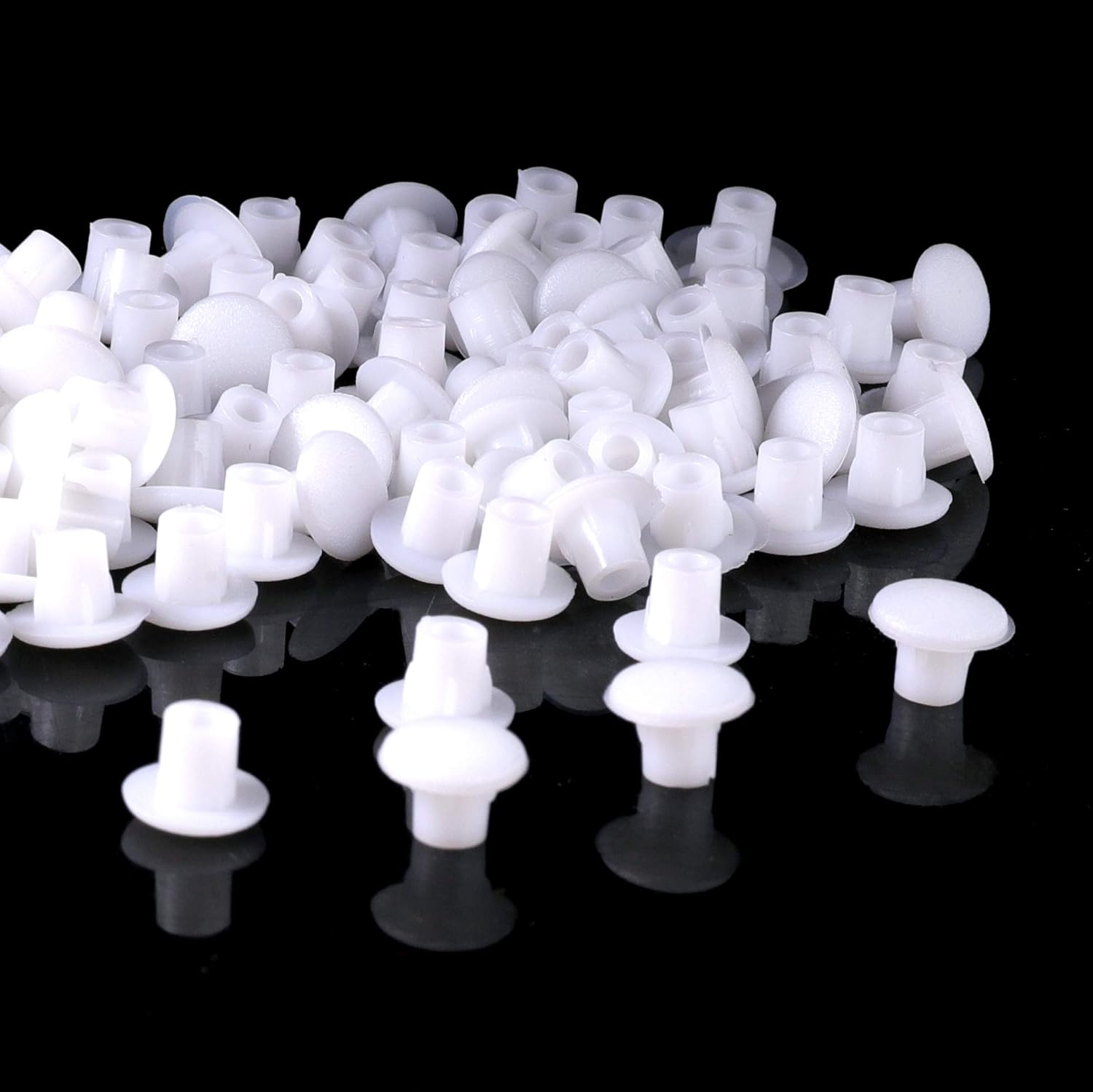
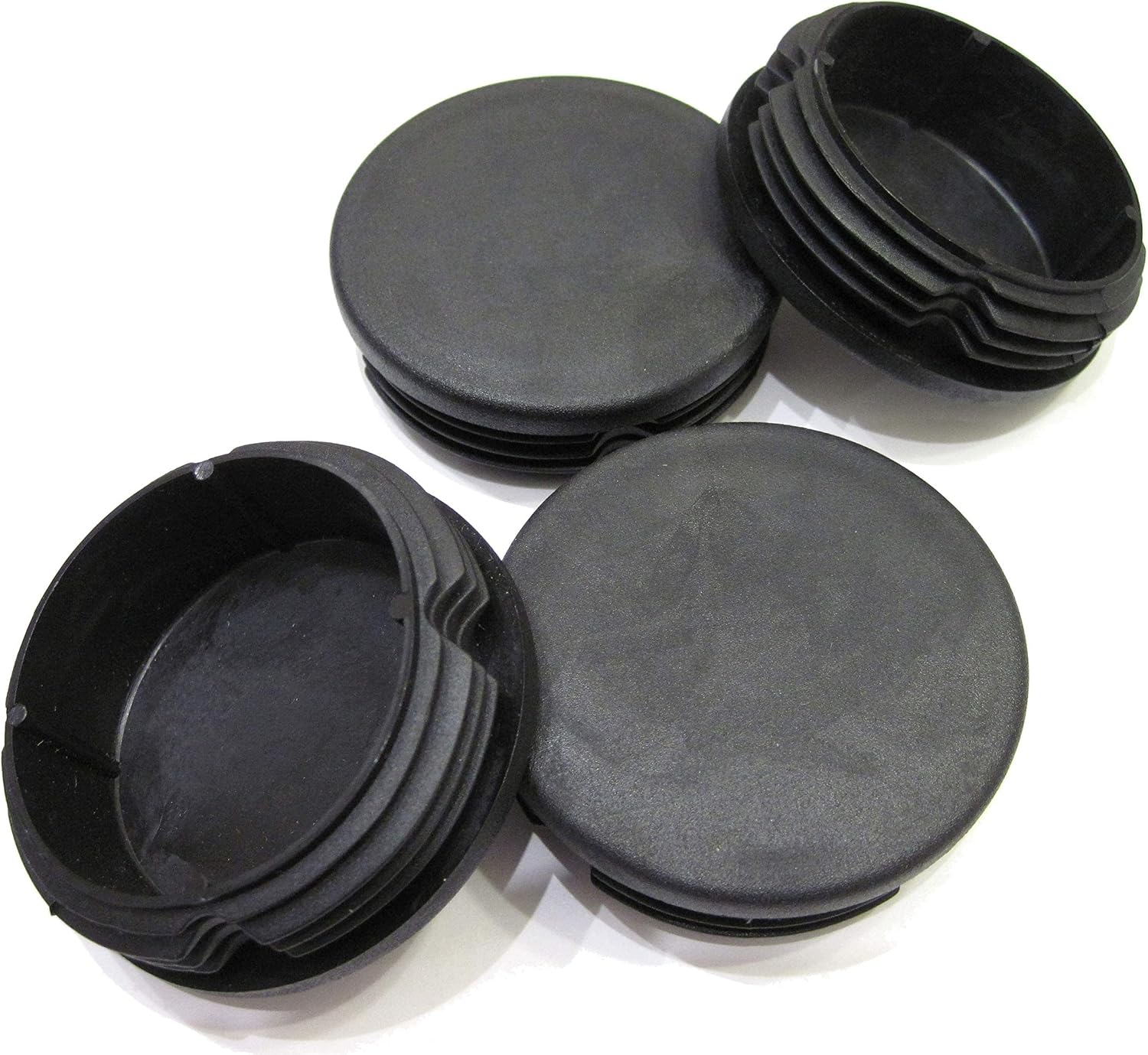
Hole plugs and panel plugs cover unused openings in sheet material, enclosures, cabinets, furniture, and other panels. They are useful when a clean finished surface matters or when an opening needs protection from dirt and debris.
Wall plugs and anchors are used with screws in masonry, drywall, or other building surfaces. The anchor style must match the wall material and the load requirements of the installation. Check the recommended hole size, screw compatibility, and installation instructions for each listing.
Pipe and drain plugs close or cap plumbing-related openings. Compatibility with the pipe material, connection style, and operating conditions is especially important for these applications.
Furniture and decorative plugs can conceal screw heads, unused holes, or joinery points. Their dimensions, finish, and attachment method should coordinate with the furniture component.
Because product terminology can vary, read the full description and specifications instead of relying only on the category label.
Specifications and features to compare
Product pages may differ in the details they provide, so compare the information that is most relevant to your project. Look for dimensions such as diameter, length, thickness, head size, or fit range. If a listing provides installation-hole requirements, use those details when preparing the work surface.
Material information can help narrow the choice. Flexible materials may be useful where a snug press fit is needed, while rigid materials can provide a more structured cover or finish. For exposed applications, also check surface finish and color. If the plug will contact moisture, chemicals, heat, or outdoor conditions, look for clearly stated suitability rather than assuming that any material will work.
For plugs used with fasteners or anchors, compare screw size compatibility and the recommended base material. For plumbing or other connection-related uses, confirm the connection type and any stated sealing requirements.
Brands represented in this catalog
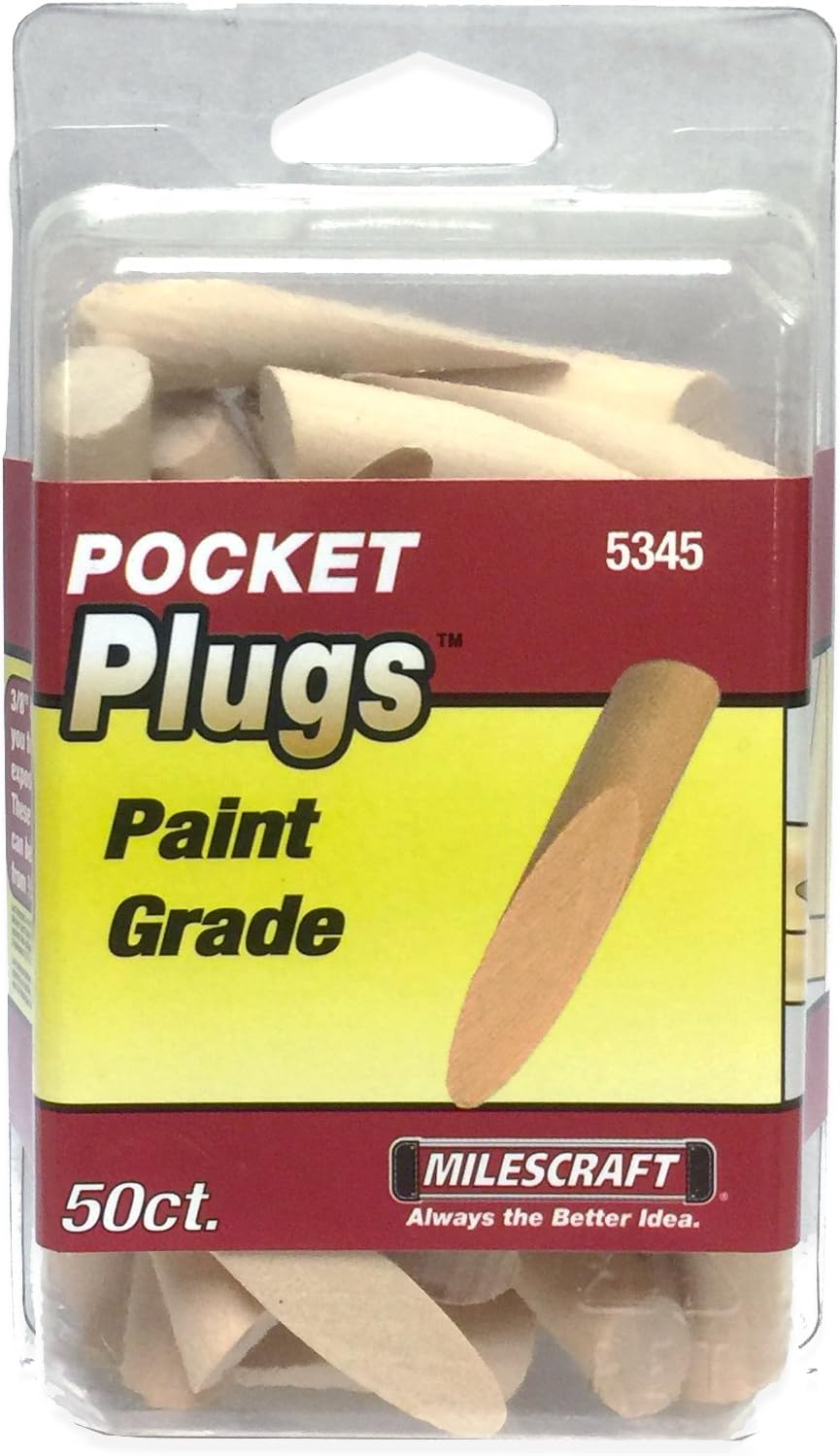
The Plugs catalog includes products from Fischer, WIDGETCO, Prescott Plastics, Plasplug, Canplas, MELIFE, CaSuTong, Milescraft, Valterra, Koyee, uxcell, and The Hillman Group. These brands may cover different applications, materials, formats, and installation methods. Brand name alone does not determine suitability, so compare the specifications and intended use of each individual listing.
Installation and project tips
Measure the opening before ordering and verify the measurement method used in the product description. Clean away dust, burrs, grease, or loose material when the installation instructions call for a clean surface. Avoid enlarging an opening unless the project specifically allows it, since changing the hole can affect fit and holding strength.
Use appropriate eye protection when drilling, cutting, or tapping a surface. For wall anchors, identify the wall construction before drilling and avoid concealed wiring or plumbing. For pipe-related work, follow applicable instructions and make sure the system is depressurized when necessary.
If plugs are part of a larger repair, related catalog sections may help. Browse Door Hardware & Locks for door-related components, Cabinet Hardware for cabinet projects, or Furniture Hardware for furniture repairs. For bathroom installations, see Bathroom Hardware. Larger mounting projects may also involve Shelf Brackets & Supports, while outdoor covering jobs may call for Tarps & Tie-Downs.
Frequently asked questions
What are plugs used for?
Plugs can cover openings, seal passages, protect edges or holes, secure materials, or hide fasteners. The exact function depends on the product design.
How do I choose the correct plug size?
Measure the opening and compare it with the listing’s stated dimensions or fit requirements. Also check whether the measurement refers to the plug body, head, thread, or installation hole.
Which plug material is best?
There is no single best material. Choose based on flexibility, strength, moisture exposure, temperature, appearance, and compatibility with the surface or system.
Can one plug work in different materials?
Some products may suit more than one surface, but compatibility should be confirmed in the product specifications. Wall anchors, pipe plugs, and panel plugs often have different requirements.
Do plugs always require tools to install?
No. Some press-fit products install by hand, while others may require drilling, tapping, a screwdriver, adhesive, or another fastener. Follow the instructions for the specific listing.
What should I check before buying?
Confirm the application, dimensions, material, installation method, environmental suitability, and compatibility with the surrounding surface or hardware.