
Ancestry.com
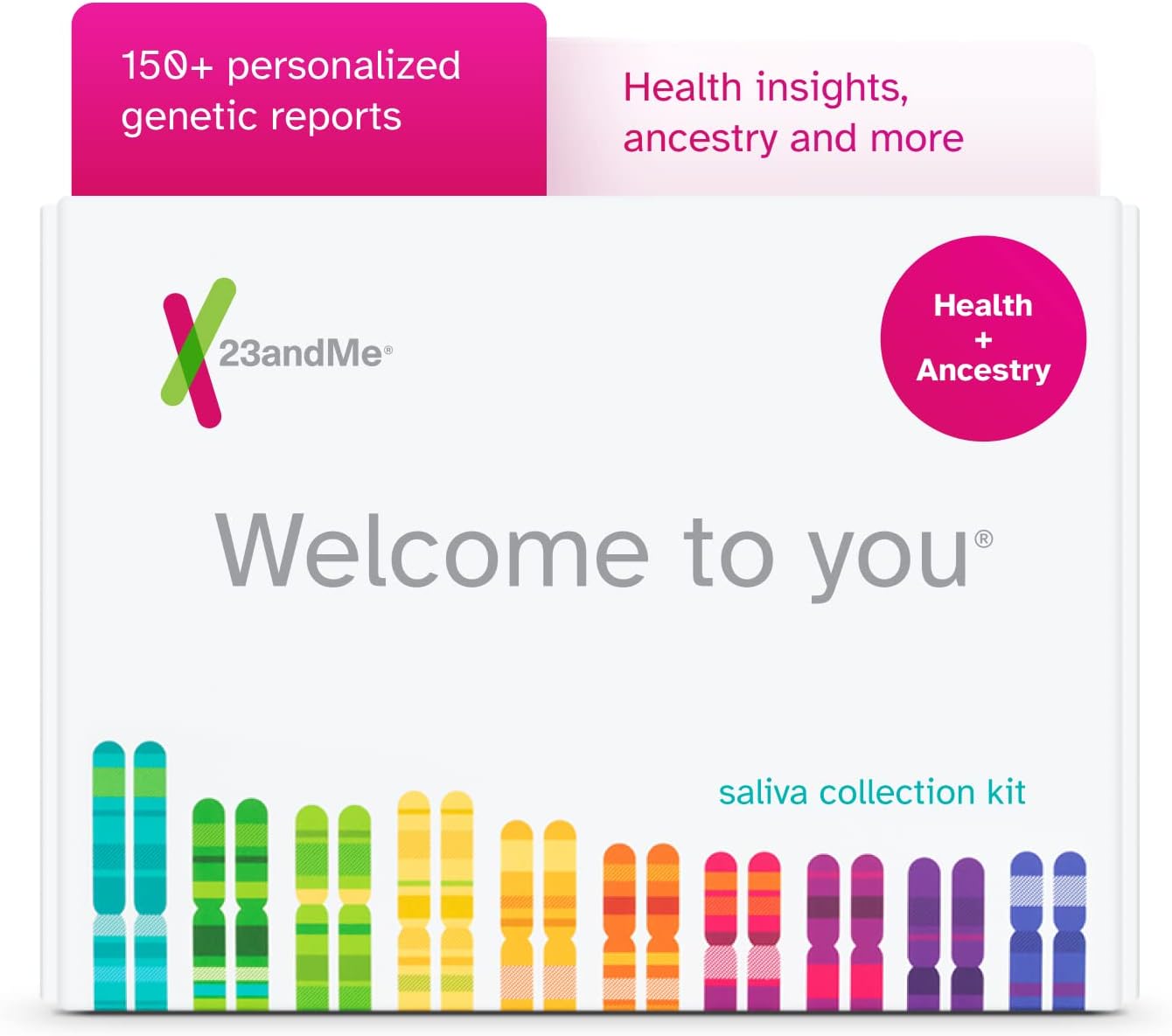
AncestryDNA: Genetic Ethnicity Test, Ethnicity Estimate, AncestryDNA Test Kit…
See current price

Compare home tests by their intended use, sample type, timing, and instructions. Review the available specifications and features to find an option that fits your testing needs.
329 products in catalog
329 results
Ancestry.com
See current price


FIRST RESPONSE
See current price


FIRST RESPONSE
See current price



Access Bio
See current price





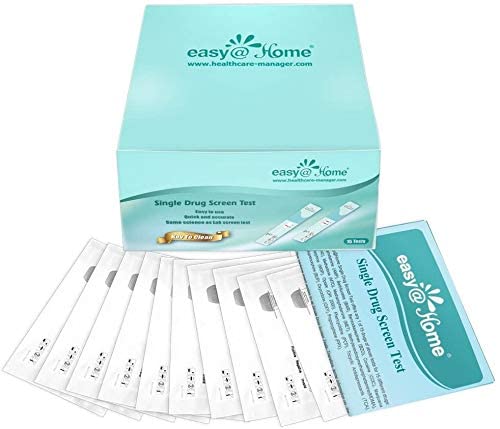

Home tests can provide a convenient way to check a health-related condition or measurement at home. The right choice depends on what you are testing, how the sample is collected, how results are read, and whether you need a single test or a multi-test package.
K-Catalog helps shoppers compare product specifications and features before visiting Amazon to check current availability and purchase options. Use the product details to identify tests that match the intended purpose and your comfort level with the testing process.
Start with the question the test is designed to answer. Home tests may be intended for reproductive health, substance screening, alcohol measurement, wellness checks, or other health-related uses. A test meant for one purpose should not be assumed to provide information about another condition.
Compare these details before choosing:
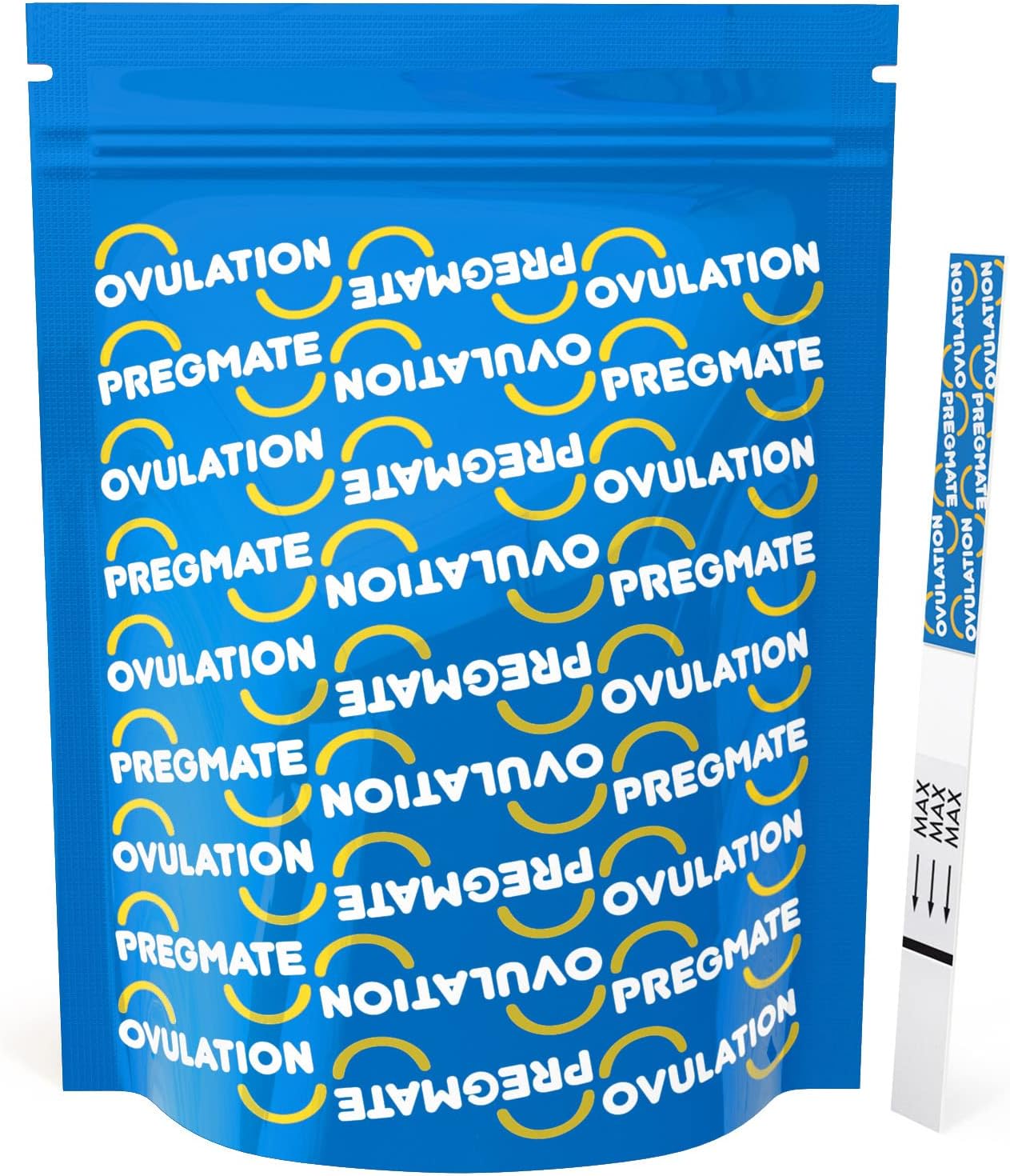
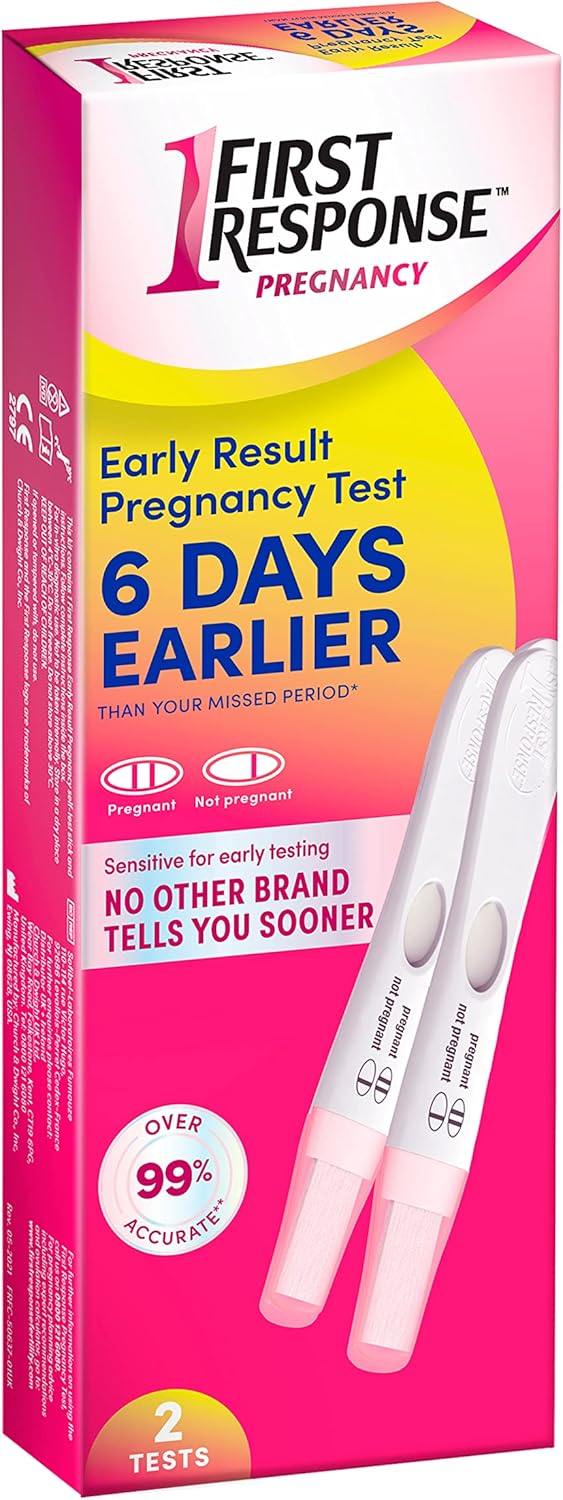
The catalog includes several kinds of at-home testing products, even though they may use different sample types and result formats. Pregnancy tests are designed to help identify a pregnancy-related hormone, while ovulation tests are used to help track fertility timing. These products are not interchangeable, so confirm the intended use before purchasing.
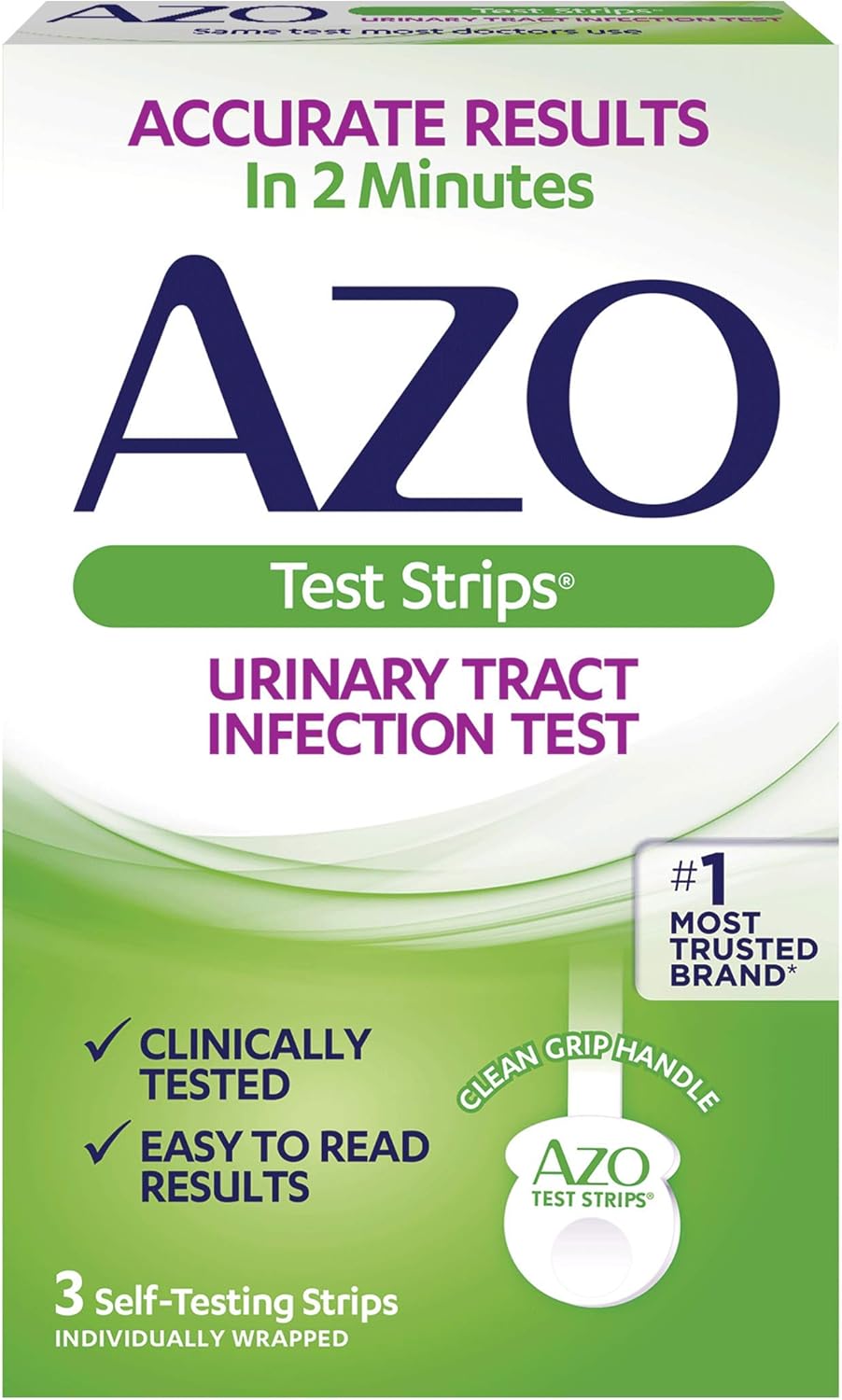
Other home tests may focus on alcohol screening, drug screening, allergy-related concerns, or broader wellness information. Some products are designed for occasional use, while others include multiple tests for repeated checking. Read the product description to understand what is included and how the test is intended to be used.
For devices that measure an ongoing health metric rather than analyze a test sample, compare the options in Health Monitors. Additional products can be found within the broader Medical Supplies & Equipment category.
Convenience matters, but the testing method and instructions are equally important. A compact package may suit travel or discreet storage, while a larger kit may be more practical when testing repeatedly. Consider whether the product requires a separate collection container, timer, app, reader, or other accessory.
Pay attention to the stated reading window. Results read too early or too late may not be interpreted as intended. Also check whether the product calls for testing at a particular time of day, following specific preparation steps, or avoiding certain conditions before use.
If a test produces an unexpected, unclear, or concerning result, follow the manufacturer’s directions for next steps. Home tests are not a substitute for professional medical advice or diagnostic evaluation when those are needed.
Shoppers comparing home tests may encounter products from Easy@Home, Wondfo, BACtrack, PREGMATE, FIRST RESPONSE, Clearblue, MOMMED, Care Check, YIDERBO, Clinical Guard, Everly Well, and 5Strands. These brands are represented in the K-Catalog selection; compare each product by purpose, method, package contents, and instructions rather than choosing by brand name alone.
Store the product as directed and check the expiration information before use. Keep test materials clean and dry, and prepare any required collection supplies in advance. Follow each step in the stated order, using the specified sample amount and reading the result within the recommended window.
Keep test kits away from children and pets. Dispose of used materials according to the package instructions, particularly when the kit includes lancets, swabs, or other items that require careful handling. If you take prescription medication or have a medical condition that could affect interpretation, ask a qualified healthcare professional how to understand the result.
Not necessarily. Many home tests are intended for screening, detection, or monitoring. Review the product’s stated purpose and consult a healthcare professional when confirmation or diagnosis is needed.
Choose the method you can collect and use correctly. Compare the required sample, preparation steps, handling instructions, and result-reading process for each product.
Usually, a product is designed for a specific purpose. Check the label and instructions rather than assuming that a test can detect conditions not listed by the manufacturer.
Follow the package instructions for repeating the test or contacting a healthcare professional. Do not rely on an unclear result to make an important health decision.
Compare the number of included tests, sample method, expiration information, required accessories, storage guidance, and instructions for repeated testing.