

Health Monitors for Home Health Tracking
Compare health monitors by measurement type, display, fit, power, and connectivity. K-Catalog helps you review specifications before visiting Amazon for current product details.
1,963 products in catalog
1,963 results
Filters

Etekcity
Etekcity Digital Body Weight Bathroom Scale with Step-On Technology, 400 Lb, Blue
See current price


Popular brands in Health Monitors
Health monitors can make it easier to record health-related measurements at home and share useful information with a healthcare professional. The right device depends on what you need to monitor, how often you plan to use it, and whether you prefer simple readings or connected tracking.
This category is part of Medical Supplies & Equipment, with products designed for different routines, users, and measurement needs. Compare the specifications carefully, since devices that look similar may differ significantly in operation, fit, display, and data storage.
How to choose a health monitor
Start with the measurement you need rather than choosing based only on appearance. Common home-monitoring products are designed for blood pressure, temperature, pulse oxygen, body weight, blood glucose, or other health-related readings. If a healthcare professional has recommended a particular measurement method, use that guidance when comparing products.
Consider how the monitor will fit into everyday use:
- Ease of operation: Large buttons, clear icons, and straightforward controls can be helpful for users who want a simple setup.
- Readability: Look for a display size, contrast, and layout that suit the person who will take the readings.
- Portability: A compact design may be useful for travel or moving the monitor between rooms.
- Power: Check whether the device uses replaceable batteries, rechargeable power, or an AC adapter, and confirm what is included.
- Data handling: Some monitors show only the current result, while others store readings or connect to a phone or app.
Common types of health monitors
Although this catalog does not divide the category into listed subcategories, health monitors cover several distinct product types. Understanding the differences can make product comparisons more useful.
Blood pressure monitors may be designed for the upper arm or wrist. Cuff style and fit are important, because the wrong size or placement can affect the reading. Upper-arm and wrist models may suit different users and routines, so follow the product instructions and any guidance from a clinician.
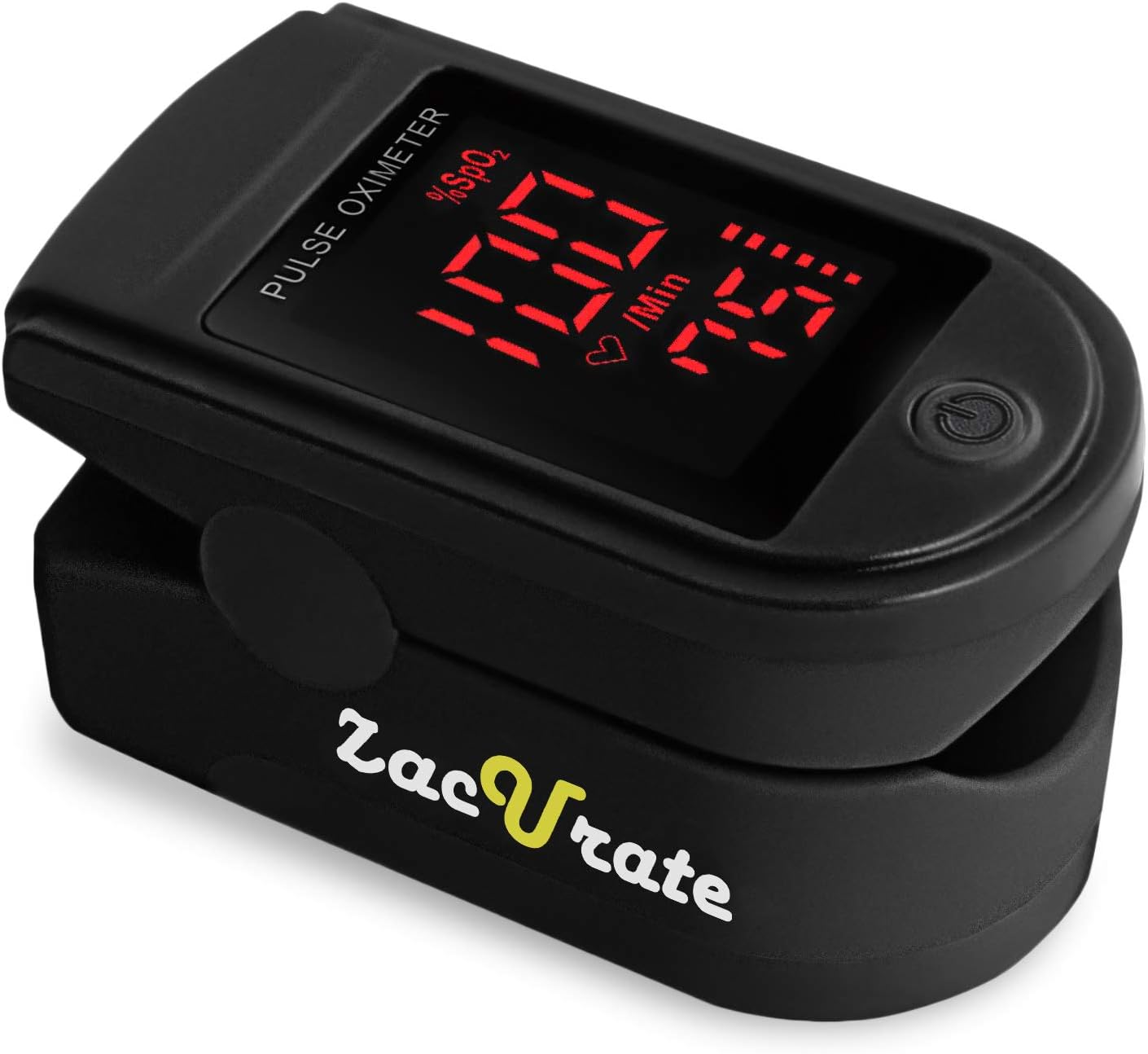
Pulse oximeters are typically compact devices intended to estimate oxygen saturation and pulse rate through a finger. Compare the display, operating controls, fit, and whether the device is intended for the user’s age and hand size.
Thermometers may use different measurement methods, such as contact or infrared sensing. Compare the intended measurement location, response time, cleaning requirements, and whether the display is easy to read.
Scales and body-composition monitors can provide weight readings and, depending on the product, additional body metrics. Check the platform size, maximum supported weight, surface design, and whether app connectivity is required for the features you want.
Other products may support glucose tracking or additional home measurements. For these devices, pay close attention to required supplies, compatibility, instructions, and how results are recorded.
Features and specifications to compare
Specifications matter most when they affect fit, consistency, or convenience. For monitors that use a cuff, probe, sensor, or other body contact point, check the stated size range and intended placement. A device that does not fit properly may be difficult to use as directed.
For connected products, compare Bluetooth or wireless requirements, compatible operating systems, app functions, account requirements, and data-export options. If several people will use the same monitor, look for user-memory features and a way to keep individual readings separate.
Also review what comes in the package. Accessories such as cuffs, cases, charging cables, adapters, batteries, or replacement components can affect how quickly the monitor can be put into use. Confirm whether consumable parts are readily available and whether the product instructions explain cleaning and storage.
Brands represented in the catalog
The Health Monitors catalog includes products from Omron, IProvèn, LogicMark, Zacurate, Braun, Withings, Taylor, Santamedical, BalanceFrom, Greater Goods, Ozeri, and LotFancy. These brands are represented across different monitor styles and feature sets. Compare each individual product’s specifications rather than assuming that all products from one brand work the same way.
Using a monitor responsibly
Read the manufacturer’s instructions before taking a measurement, and use the same general routine when tracking changes over time. Keep the device clean and store it according to the care guidance. Avoid using damaged cuffs, probes, cords, or sensors.
A home monitor is a tool for gathering information, not a substitute for professional medical advice. Do not change medication or treatment based only on a reading. If a result seems unusual, repeat the measurement according to the instructions and contact a qualified healthcare professional when appropriate. Seek urgent care for serious or concerning symptoms.
For equipment that supports movement or recovery, browse Braces, Splints & Supports and Occupational & Physical Therapy Aids. Related options also include Medical Compression Garments, Mobility & Daily Living Aids, and Home Tests.
Frequently asked questions
What should I look for in a home health monitor?
Choose the measurement you need, then compare fit, display readability, power source, ease of use, data storage, and included accessories.
Are upper-arm and wrist blood pressure monitors interchangeable?
They use different placements and may suit different users. Check the product instructions, cuff or band fit, and any recommendations from a healthcare professional.
Do health monitors need a phone or app?
Not always. Some products display readings on the device, while connected models may use a phone or app for storage, trends, or sharing.
How can I get more consistent readings?
Follow the instructions, use the correct fit and placement, keep a regular routine, and avoid comparing readings taken under very different conditions.
When should I contact a healthcare professional?
Contact a qualified professional if readings are repeatedly unusual, difficult to interpret, or inconsistent with how you feel. Seek urgent help for serious symptoms.