
Shooting Gear and Equipment
Compare shooting equipment and accessories by fit, compatibility, construction, and intended use. Explore specifications to narrow your options before checking current product details on Amazon.
9,177 products in catalog
9,177 results
Filters

Crosman Corporation
Crosman Copperhead 4.5mm Copper Coated BBs In EZ-Pour Bottle For BB Air Pistols And BB Air Guns
See current price
Splatterburst Targets
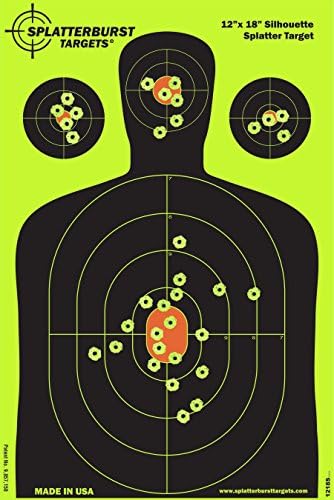
Splatterburst Targets - 12 x18 inch - Silhouette Splatter Target - Easily See Your Shots Burst Bright Fluorescent Yellow Upon Impact - Made in USA
See current price


Concealment Express
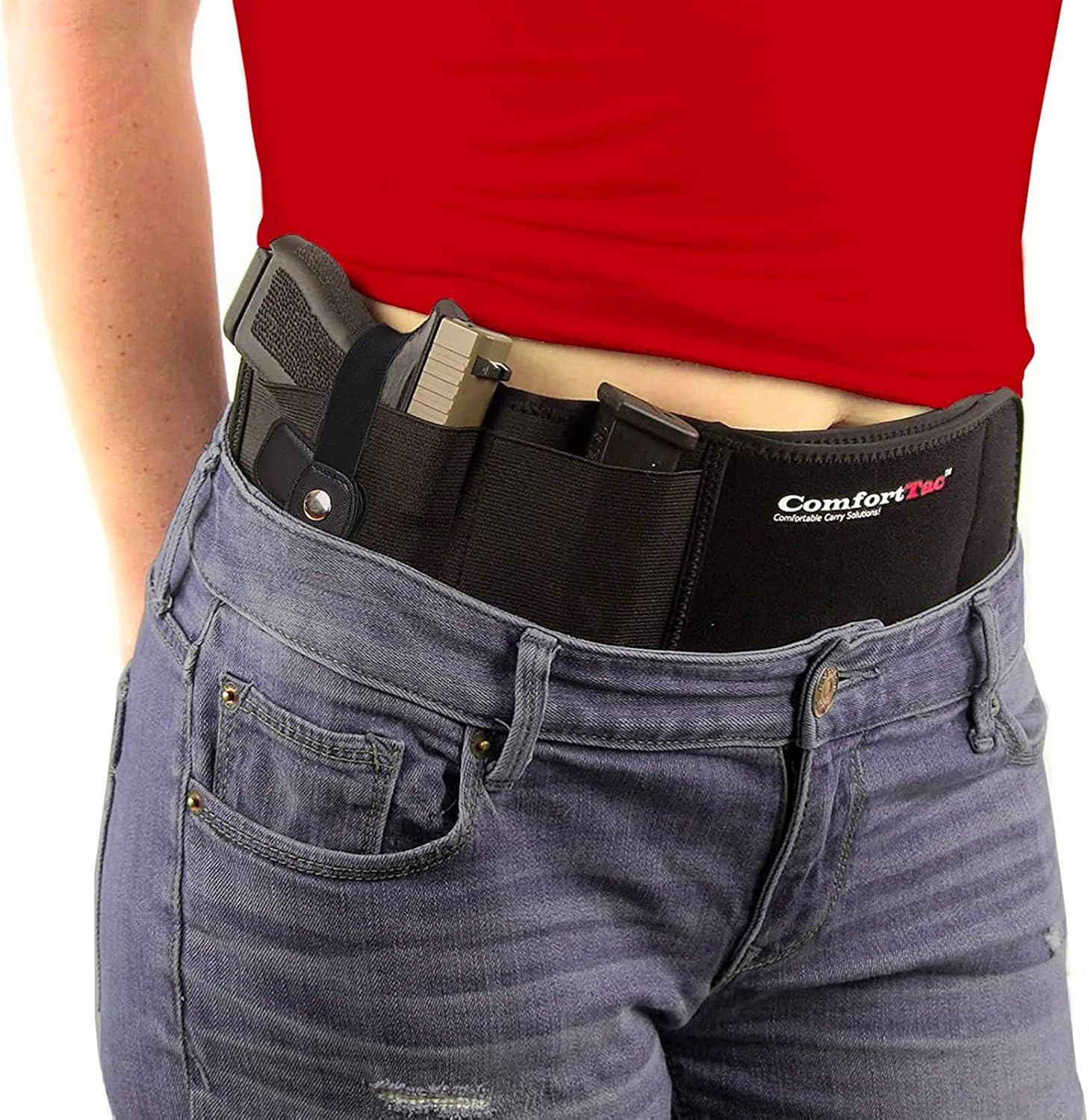
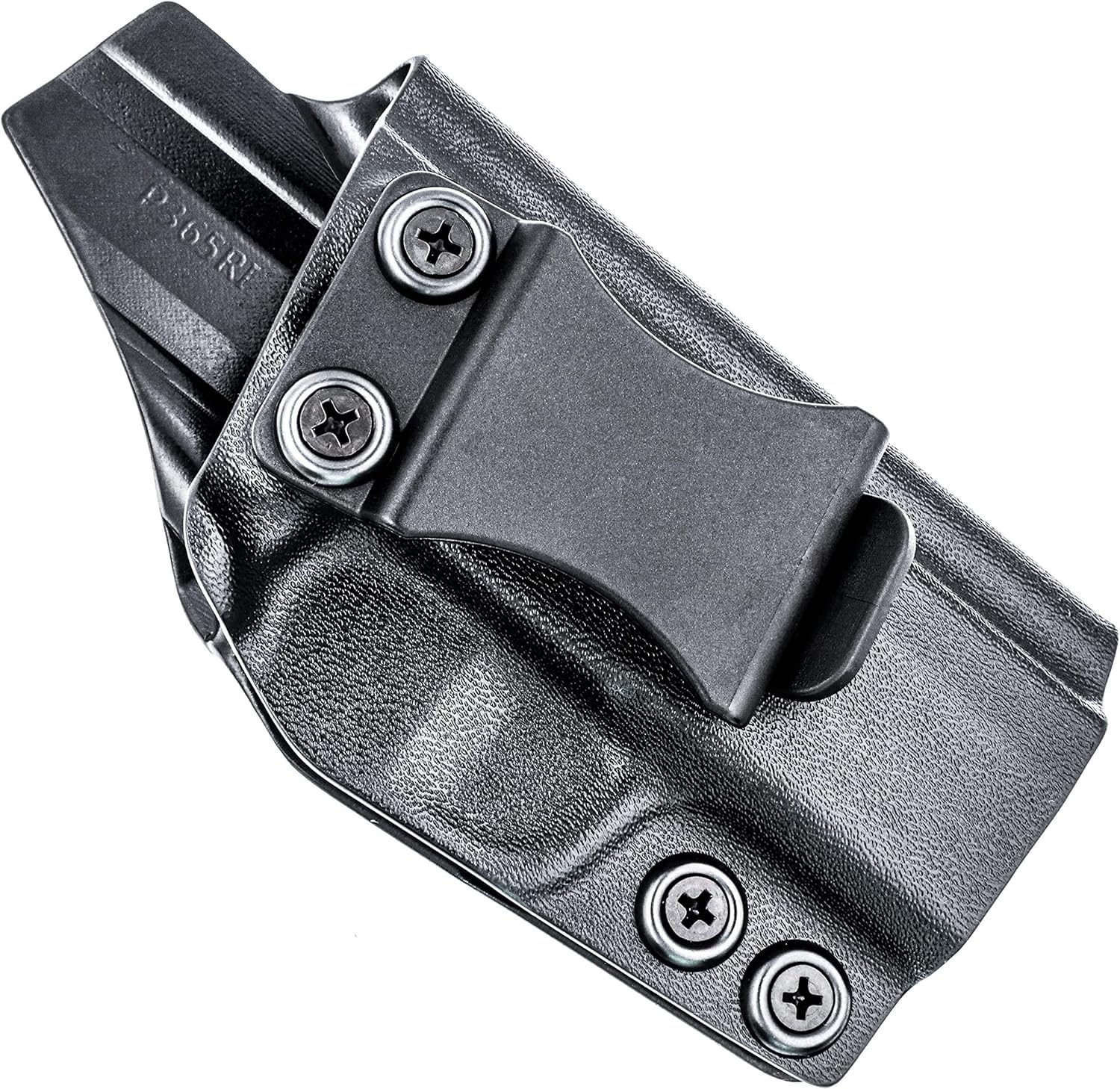
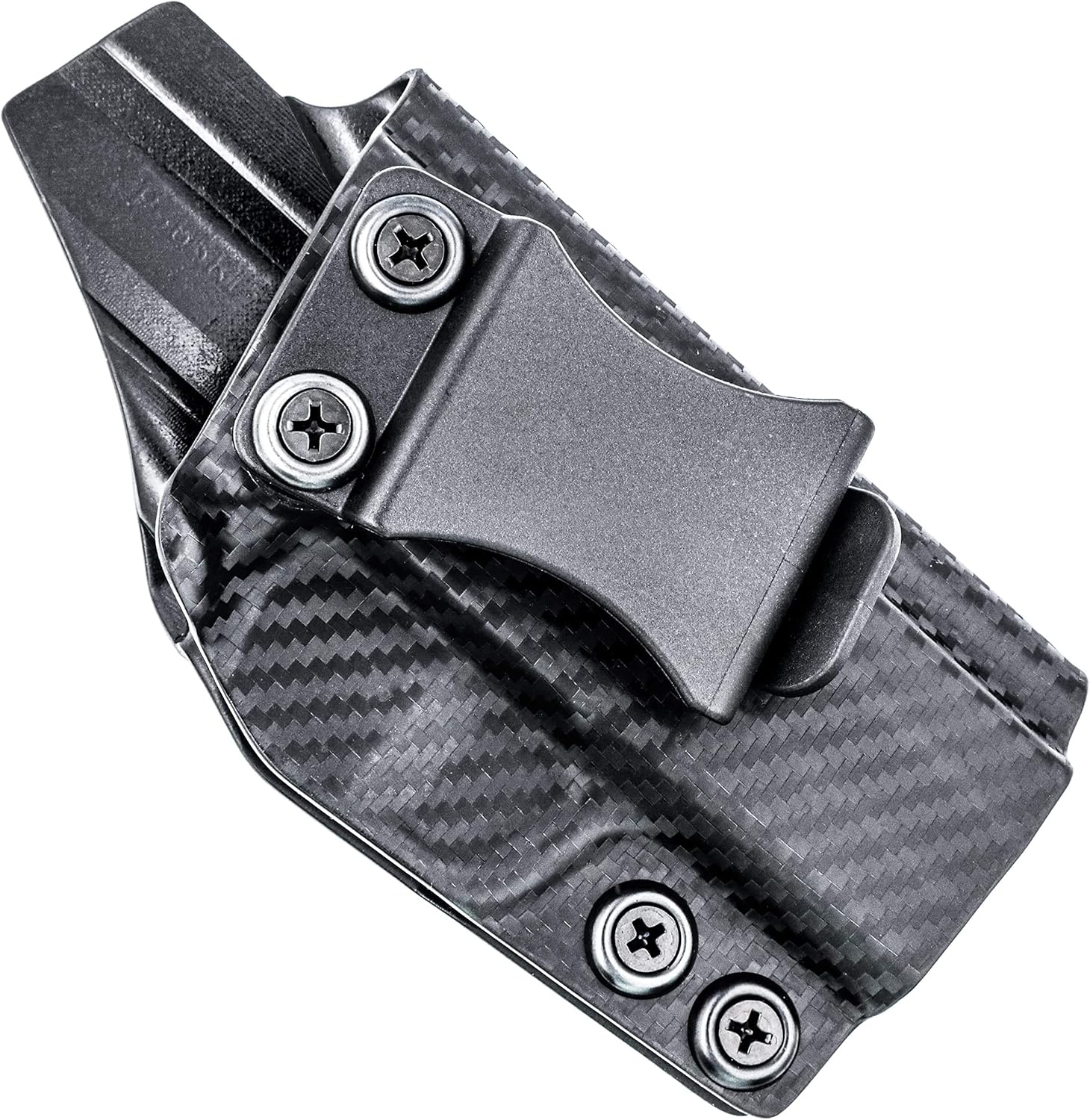
Concealment Express IWB KYDEX Holster - Claw Compatible w/Posi-Click Retention & Adjustable Cant - Custom Fit, 100% Made in The USA (Black)
See current price

Ballistol
F W Klever GmbH Ballistol Multi-Purpose Non-CFC Aerosol Can Lubricant Cleaner Protectant 6 oz
See current price


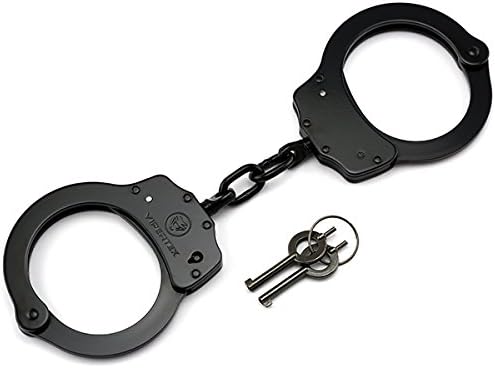
VIPERTEK
VIPERTEK Double Lock Steel Police Edition Professional Grade Handcuffs (Black)
See current price


Ultimate Rifle Build
Ultimate Rifle Build Gun Snake - Reusable and Compact Gun Cleaning Rope
See current price


ACT FIRE
ACT FIRE Ear Protection Hearing Protection for Shooting Gun Range Shooting Earmuffs Elite
See current price

Popular brands in Shooting
Shooting covers a broad range of equipment for target practice, range use, firearms maintenance, airguns, and outdoor activities. The right choice depends on the platform or equipment you already own, how you plan to use it, and which features improve safe, consistent handling.
K-Catalog helps you compare listed shooting products by their specifications and features. Use the product details to check compatibility, dimensions, materials, adjustment options, and included accessories rather than choosing by appearance alone.
How to choose shooting equipment
Start by identifying the specific task the product needs to perform. A sighting accessory, holster, cleaning tool, or protective item may look suitable but still be incompatible with your equipment. Check the manufacturer’s listed fit information, mounting requirements, dimensions, and intended application before making a decision.
Other practical questions can help narrow the selection:
- What equipment do you already own? Confirm the platform, interface, caliber or ammunition type where relevant, and any mounting or attachment standard.
- Where will it be used? Range, home storage, training, hunting, and outdoor use can call for different levels of weather resistance, portability, or retention.
- What does regular use require? Frequent transport may favor compact, protective gear, while a dedicated range setup may benefit from easier adjustments or larger controls.
- What safety equipment is needed? Eye and hearing protection, secure storage, and suitable handling accessories should be treated as essential parts of a shooting setup.
Always follow applicable laws, range rules, and the product manufacturer’s instructions. Requirements can vary by location and by the type of equipment involved.
Types of products to compare
Because Shooting is a wide category, product pages may cover equipment for several different parts of the shooting experience.
Optics and aiming accessories
Scopes, red-dot-style sights, spotting equipment, and other optics should be compared by magnification, objective size, reticle or aiming pattern, adjustment system, mounting requirements, and optical construction. Consider whether the product is intended for short-range target work, longer-distance observation, low-light conditions, or general outdoor use. Weight and overall length also matter when an optic will be carried or mounted on equipment that must remain balanced.
Holsters, cases, and carry equipment
Holsters and protective cases should match the specific firearm or equipment configuration. Compare retention style, carry position, access design, material, adjustment options, and whether the product is intended for storage, transport, or active carry. A secure fit is important, but so is preventing unnecessary contact with controls or other moving parts.
Cleaning and maintenance supplies
Cleaning products help support routine maintenance, but compatibility is important. Check whether a kit or tool is intended for the relevant firearm type, caliber, or airgun system. Compare the included brushes, rods, patches, solvents, lubricants, containers, and storage case. Product instructions should take priority, especially when a cleaning chemical or lubricant has specific handling requirements.
Airguns and related accessories
Airgun products can differ substantially in power source, operating system, ammunition type, and intended use. Compare the required pellets or BBs, loading method, safety features, sights, and maintenance needs. Make sure the product is appropriate for the intended setting and complies with local rules.
Protective and range accessories
Eye protection, hearing protection, targets, rests, bags, and other range accessories can make setup more organized and comfortable. Look for clearly stated protection standards, adjustment range, durability, portability, and ease of cleaning. Accessories should not obstruct safe handling or interfere with the operation of compatible equipment.
Key specifications and features
Product descriptions are most useful when viewed alongside the specifications that affect real-world fit and use. Pay particular attention to:
- Compatibility: Check the exact equipment type, mounting pattern, caliber, ammunition, or attachment method listed by the manufacturer.
- Dimensions and weight: These affect storage, transport, balance, and whether the item fits an existing case or setup.
- Materials and construction: Polymer, metal, fabric, glass, rubber, and composite components can affect durability, comfort, and weather resistance.
- Adjustability: For optics, holsters, protective gear, and rests, adjustment points can determine whether the product can be fitted properly.
- Power and operation: Airguns, electronic sights, and other powered accessories may require a particular power source or maintenance routine.
- Included components: Check exactly what is supplied, such as mounts, hardware, adapters, batteries, cleaning tools, or storage pieces.
- Environmental suitability: If equipment will be used outdoors, review information about moisture resistance, temperature limits, and protection from impact or dust.
Do not assume that accessories with similar names are interchangeable. Small differences in dimensions, mounting systems, or equipment configuration can prevent a secure fit.
Brands represented in the catalog
The Shooting catalog includes products from brands such as Hogue, Blackhawk, Allen Company, Fobus, Winthrop Holsters, Hoppe's, Vortex, UTG, Umarex, Crosman, Bushnell, and Hornady. These brands appear across different types of shooting equipment and accessories, so comparing products within the same functional group can be more useful than comparing brand names alone.
When reviewing products from any brand, focus on the specifications for the individual item. Check fit, materials, included components, care instructions, and the intended use described on the product page.
Safe storage, handling, and maintenance
Safe handling should guide every shooting purchase. Store firearms and related equipment securely, restrict access to authorized users, and follow local storage requirements. Ammunition and other supplies should be stored according to manufacturer guidance and applicable regulations.
Use appropriate eye and hearing protection at the range, and inspect equipment before use. Look for loose hardware, damaged straps, cracked housings, worn retention points, or other signs that an accessory may not function as intended. Do not use a product if its condition or compatibility is uncertain.
Maintenance products should be used only as directed. Keep cleaning chemicals away from heat and unauthorized access, and use ventilation and protective equipment when the instructions call for them. A clean, organized storage system can also help prevent lost parts and reduce accidental contact with controls or sharp edges.
For adjacent outdoor activities, browse Hunting, Archery, Fishing, or Tactical & Personal Defense. The broader Hunting & Fishing category can also help when comparing related equipment.
Frequently asked questions
What should I check before buying a shooting accessory?
Confirm compatibility, dimensions, mounting or attachment requirements, materials, intended use, and included components. Manufacturer instructions and local rules should guide the final decision.
How do I choose an optic?
Consider the intended distance and activity, magnification, reticle or aiming design, adjustment system, mounting requirements, weight, and environmental conditions. The optic must also match the equipment and mount being used.
Are all holsters interchangeable?
No. Holsters are typically designed for specific firearm shapes, configurations, and carry positions. Check the listed fit information and retention design before choosing one.
What matters when selecting cleaning supplies?
Look for compatibility with the firearm or airgun type, caliber or ammunition system where relevant, and the included tools or chemicals. Follow the manufacturer’s cleaning and lubrication instructions.
What safety gear should be used at a shooting range?
Eye and hearing protection are fundamental, along with secure equipment handling and compliance with range rules. Select protective products with clearly stated specifications and a comfortable, secure fit.
Where can I check current product details?
Open an individual listing to compare its specifications, features, compatibility information, and other current details before purchasing through the retailer.