

Ignition Parts for Cars and Trucks
Compare ignition parts by vehicle fit, component type, and electrical specifications. Use the catalog to narrow options, review compatibility details, and continue to Amazon for current availability and pricing.
1,627 products in catalog
1,627 results
Filters


Champion
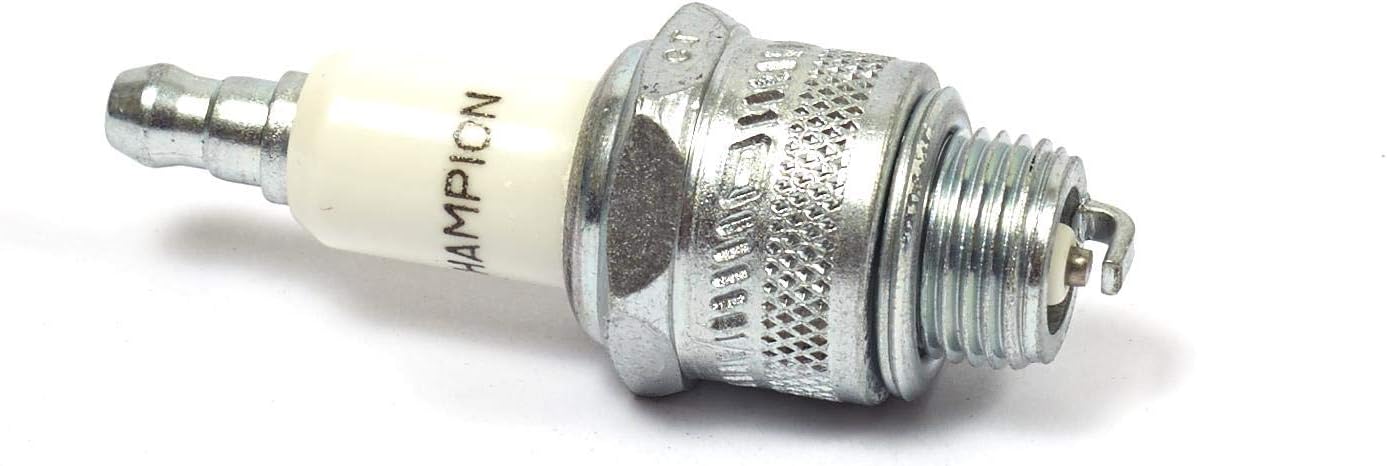
Champion Copper Plus 71 Spark Plug (Carton of 1) - RC12YC for 1984 - 2020 Toyota Corolla
See current price
Champion
Champion Copper Plus 71 Spark Plug (Carton of 1) - RC12YC for 1984 - 2020 Toyota Corolla
See current price
Champion
Champion Copper Plus 71 Spark Plug (Carton of 1) - RC12YC for 1984 - 2020 Toyota Corolla
See current price

![Temdan [Real 360 for iPhone 13 Pro Max Case Waterproof, Built-in 9H Tempered Glass Camera Lens & Screen Protection [13FTMilitary Dropproof][Full-Body Shockproof][IP68 Underwater] Case Purple](https://m.media-amazon.com/images/I/71W27n6+0nL._AC_SL1500_.jpg)




Popular brands in Ignition Parts
Ignition parts help deliver and control the spark needed by many gasoline engines. The right replacement depends on more than the component name: year, make, model, engine configuration, connector style, dimensions, and the vehicle’s original equipment specifications can all affect fit.
K-Catalog brings together a broad selection of ignition components from brands including NGK, ENA, Champion, ACDelco, DENSO, MAS, Bosch Automotive, AA Ignition, Autolite, Motorcraft, AUTOSAVER88, and MSD. Compare the available specifications carefully before selecting a part for your vehicle.
How to choose ignition parts
Start with the exact vehicle information. A vehicle may use different ignition components depending on its engine, production configuration, emissions equipment, or drivetrain. Check the year, make, model, engine size or engine code, and the position of the part where relevant.
Then match the replacement against the original component or the vehicle’s parts documentation. Useful details can include:
- Original-equipment or interchange references
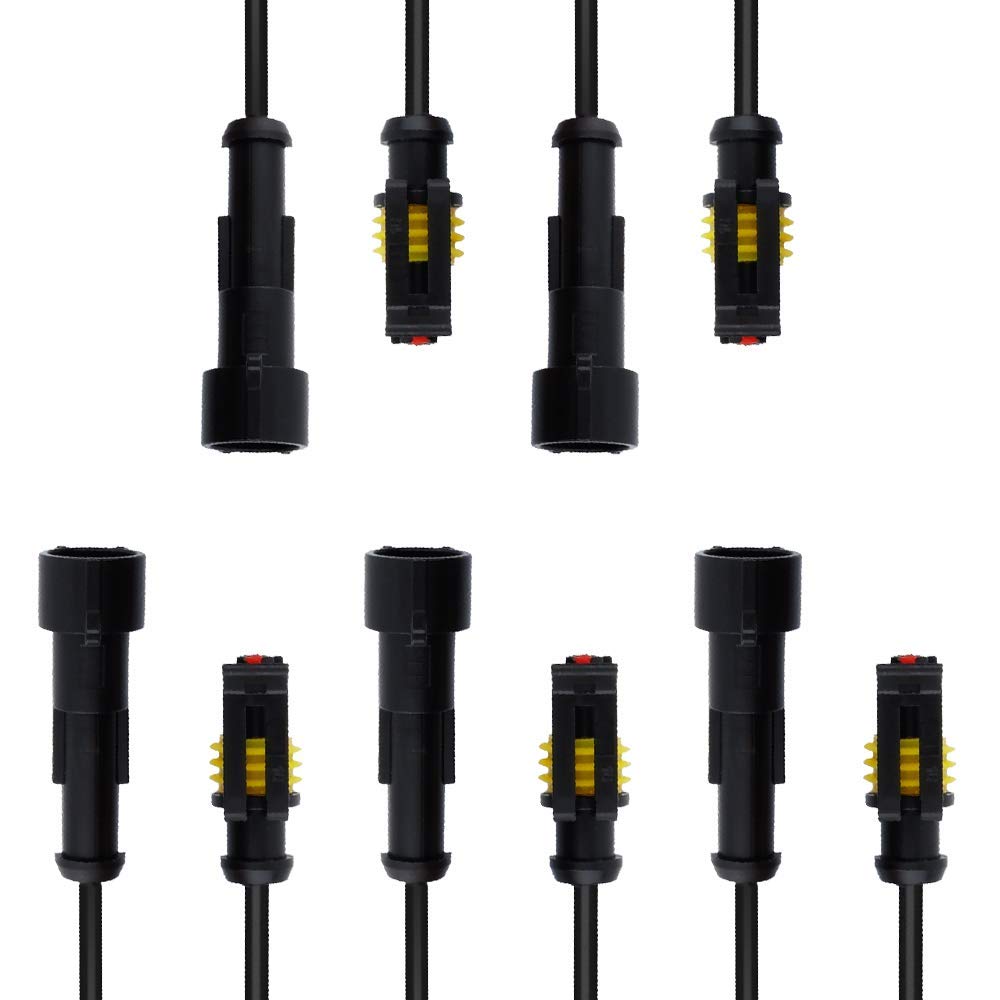
- Connector shape and terminal layout
- Number of terminals or ignition outputs
- Overall dimensions and mounting points
- Included hardware, seals, boots, or connectors
- Left-, right-, front-, rear-, or cylinder-specific fitment
If a listing covers several applications, read the fitment information rather than relying on a general vehicle description. When details remain unclear, a trusted mechanic or parts professional can help confirm compatibility.
Common ignition part types
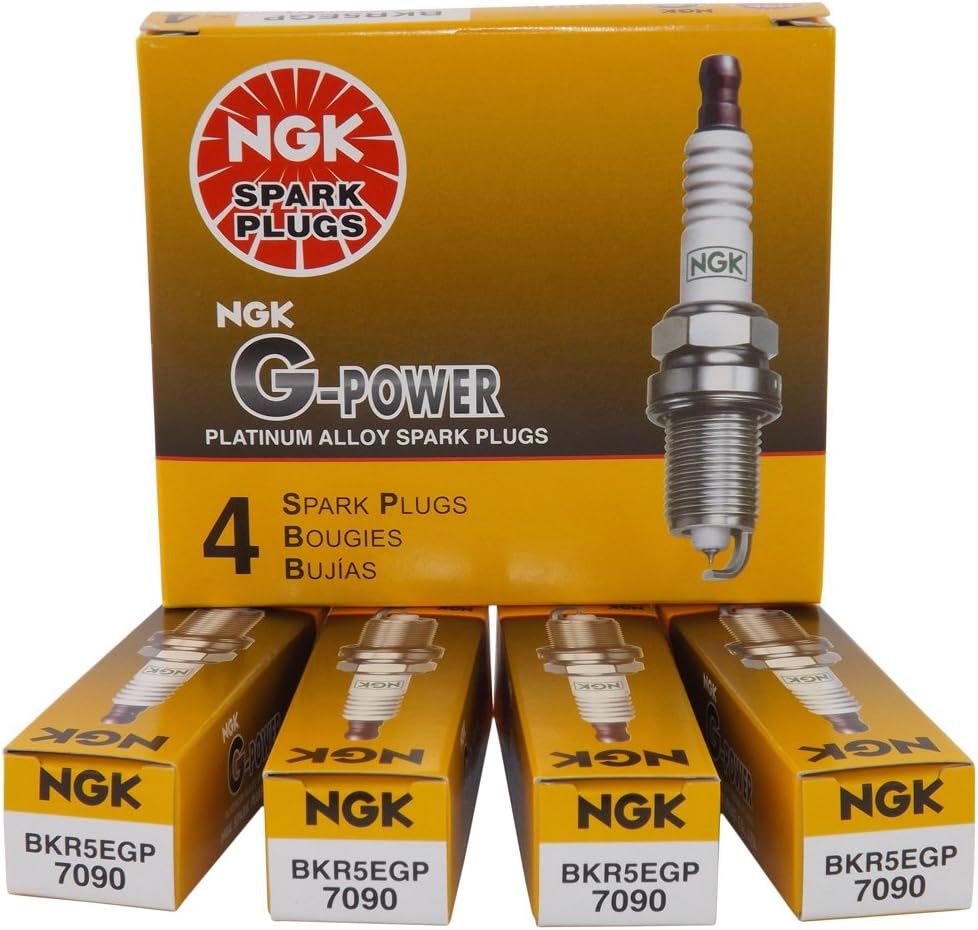
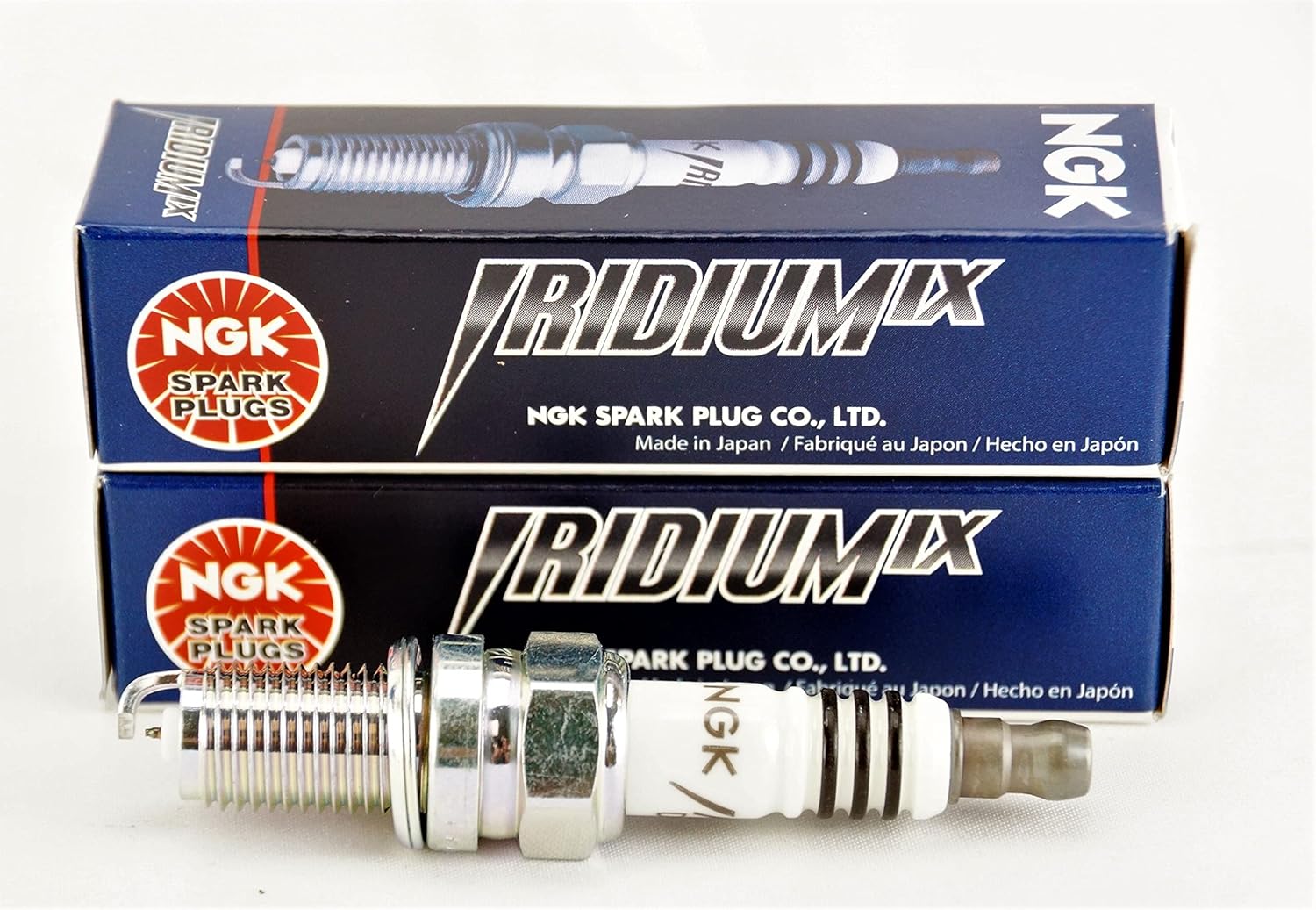
Ignition systems use several components, and replacement needs vary by vehicle design. Spark plugs are selected by thread dimensions, reach, seat style, heat range, electrode design, and recommended gap. The correct specification is important because a visually similar plug may not be suitable for a particular engine.
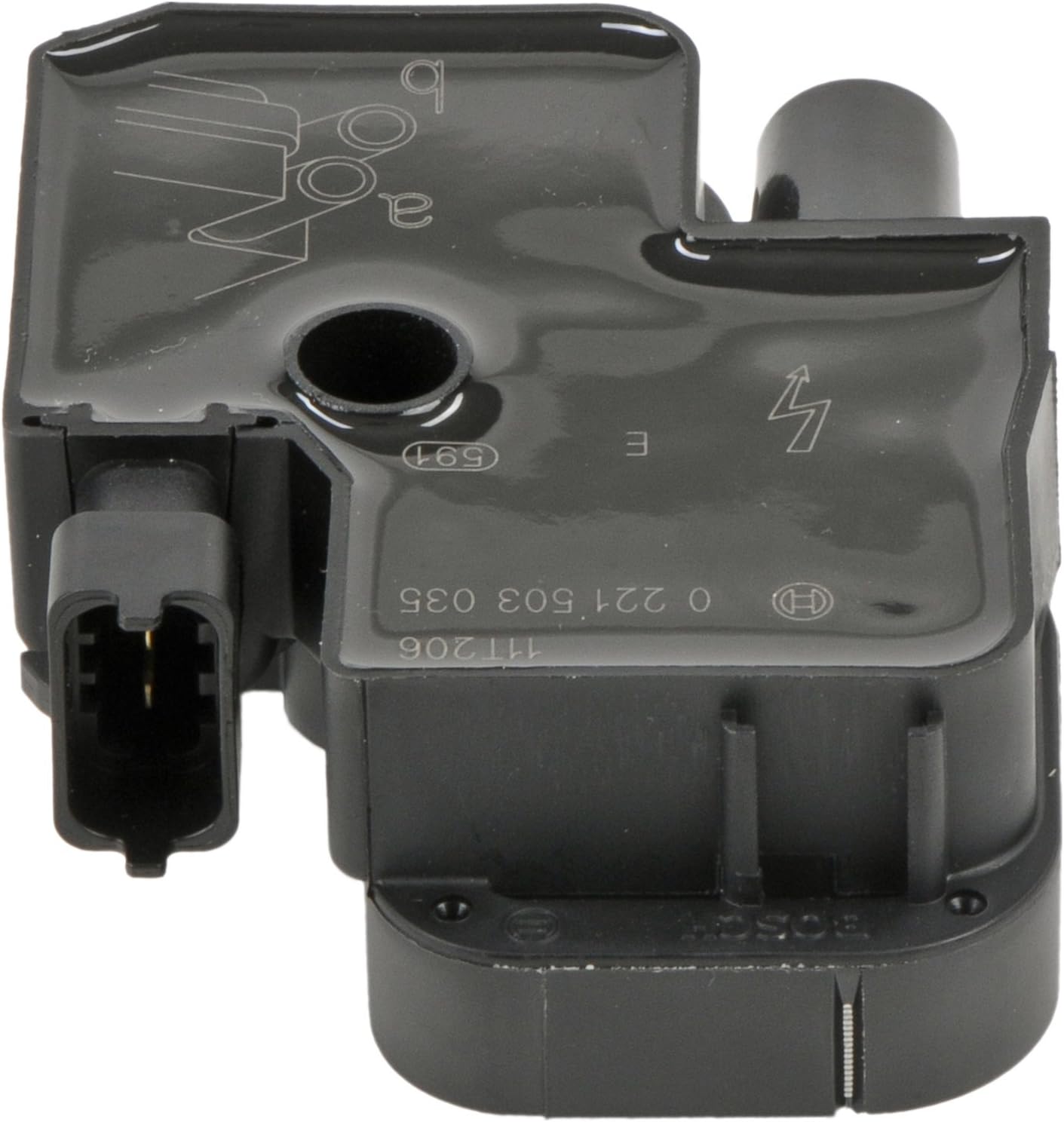
Ignition coils transform electrical power into the high voltage required for spark generation. Depending on the vehicle, a coil may serve an individual cylinder, several cylinders, or the ignition system as an assembly. Compare the connector, mounting arrangement, number of terminals, and application details.
Spark plug wires, boots, distributor caps, and rotors may also be used on older or specific ignition designs. These parts need the correct length, terminal style, cylinder arrangement, and routing. Some vehicles instead use coil-on-plug or coil-pack systems, so the original setup should be verified before ordering.
Other ignition-related components can include ignition modules, control units, and sensors used to coordinate engine timing. For these parts, electrical compatibility and communication with the vehicle’s control system matter as much as physical fit.
Key specifications to compare
Product titles can look similar, so compare the full specification list. For spark plugs, pay attention to thread size, reach, seat type, electrode material, and gap information. For coils and modules, check voltage requirements where provided, connector details, terminal count, housing design, and mounting points.
For wire sets and distributor components, compare the number of pieces, wire lengths, boot angles, terminal types, and cylinder application. A complete set may be appropriate for a full replacement, while a single component may suit a targeted repair.
Also check whether installation accessories are included. A listing may or may not contain gaskets, seals, mounting bolts, terminals, boots, or other related hardware. Confirming the package contents helps avoid ordering a part that cannot be installed as planned.
Brands represented in the catalog
The Ignition Parts catalog includes options from NGK, Champion, Autolite, DENSO, Bosch Automotive, ACDelco, Motorcraft, and MSD, along with ENA, MAS, AA Ignition, and AUTOSAVER88. These brands may appear across different ignition component types and vehicle applications. Treat brand availability as a starting point, then compare the individual product’s fitment and specifications rather than choosing by name alone.
For additional vehicle maintenance categories, browse Replacement Parts or compare adjacent areas such as Lighting & Electrical, Switches & Relays, and Filters. Related systems may require separate components and different compatibility checks.
Installation and troubleshooting considerations
A starting problem, misfire, rough idle, or warning light can have multiple causes. Ignition parts should be diagnosed alongside battery condition, wiring, fuel delivery, air intake, engine compression, and control-system faults. Replacing a component without confirming the cause may not resolve the underlying issue.
Before installation, compare the new part with the original and inspect connectors, boots, threads, and mounting surfaces. Follow the vehicle manufacturer’s torque, gap, routing, and installation instructions. Disconnect power when appropriate, keep debris out of open engine components, and avoid forcing connectors or threaded parts.
If a repair involves high-voltage ignition components or requires access near hot, moving, or pressurized systems, use appropriate safety procedures or consult a qualified technician. After installation, check for secure connections and verify that the vehicle operates normally.
Frequently asked questions
How do I find the right ignition part for my vehicle?
Use the year, make, model, engine information, and the original part’s reference number when available. Confirm connector, dimensions, mounting, and application details in the listing.
Should I replace all ignition components at once?
Not always. The correct approach depends on the diagnosis, maintenance schedule, component condition, and the vehicle manufacturer’s recommendations. Some parts are replaced individually, while others are commonly serviced as a set.
Are ignition parts interchangeable between engine versions?
Usually, compatibility should not be assumed. Different engine configurations can use different plugs, coils, wires, connectors, or control components even within the same vehicle model year.
What should I compare for ignition coils?
Check the vehicle application, connector and terminal layout, mounting points, housing shape, and whether the listing is for an individual coil or a multi-piece set.
What if the symptoms continue after replacement?
Recheck fitment, connections, installation details, and diagnostic codes. Persistent symptoms may originate in wiring, sensors, fuel, air, compression, or engine-control systems rather than the replaced ignition part.