
![Humixx Shockproof for iPhone 12 Mini Case, [Military Grade Drop Tested] [Upgraded Airbag Protection] Translucent Matte Hard Back and Soft Silicone Edge, Slim Fit Case for iPhone 12 Mini 5G - Black](https://m.media-amazon.com/images/I/71mK1lCPoeL._AC_SL1500_.jpg)
Automotive Switches & Relays
Compare automotive switches and relays for fitment, function, connector style, and circuit design. Review product specifications to find replacement parts suited to your vehicle and electrical system.
1,303 products in catalog
1,303 results
Filters


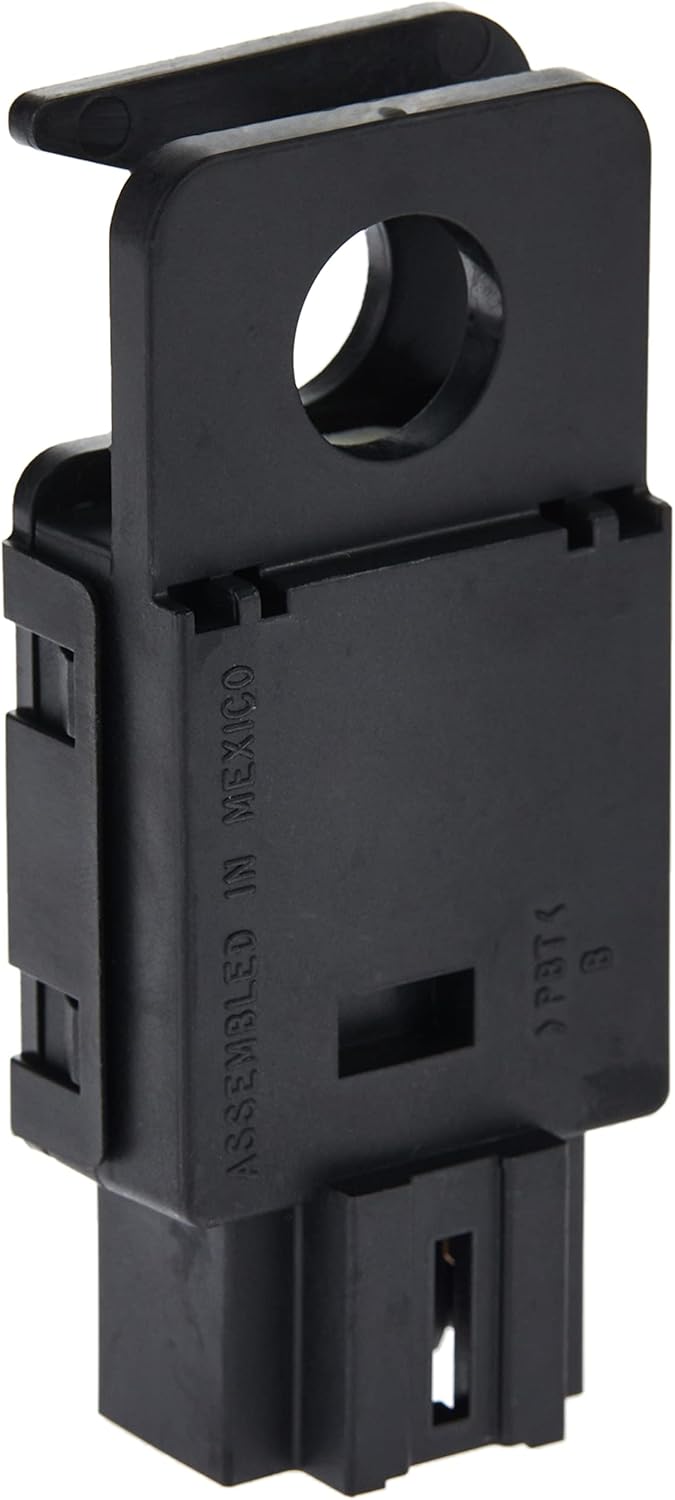


MICTUNING
MicTuning LS08102 5pin LED Light Bar Rocker Switch, On-Off LED Light, 20A 12V, Green
See current price


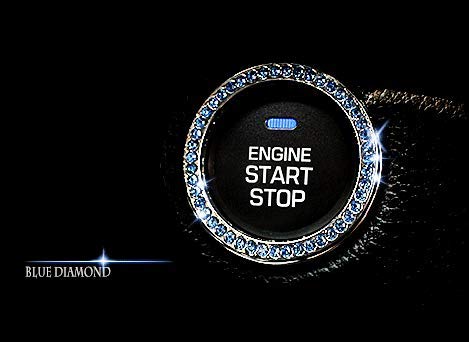
LCDXBYTFT
Car Engine Start Stop Button Cover Push Start Button Cover Car Engine Decoration Cover
See current price

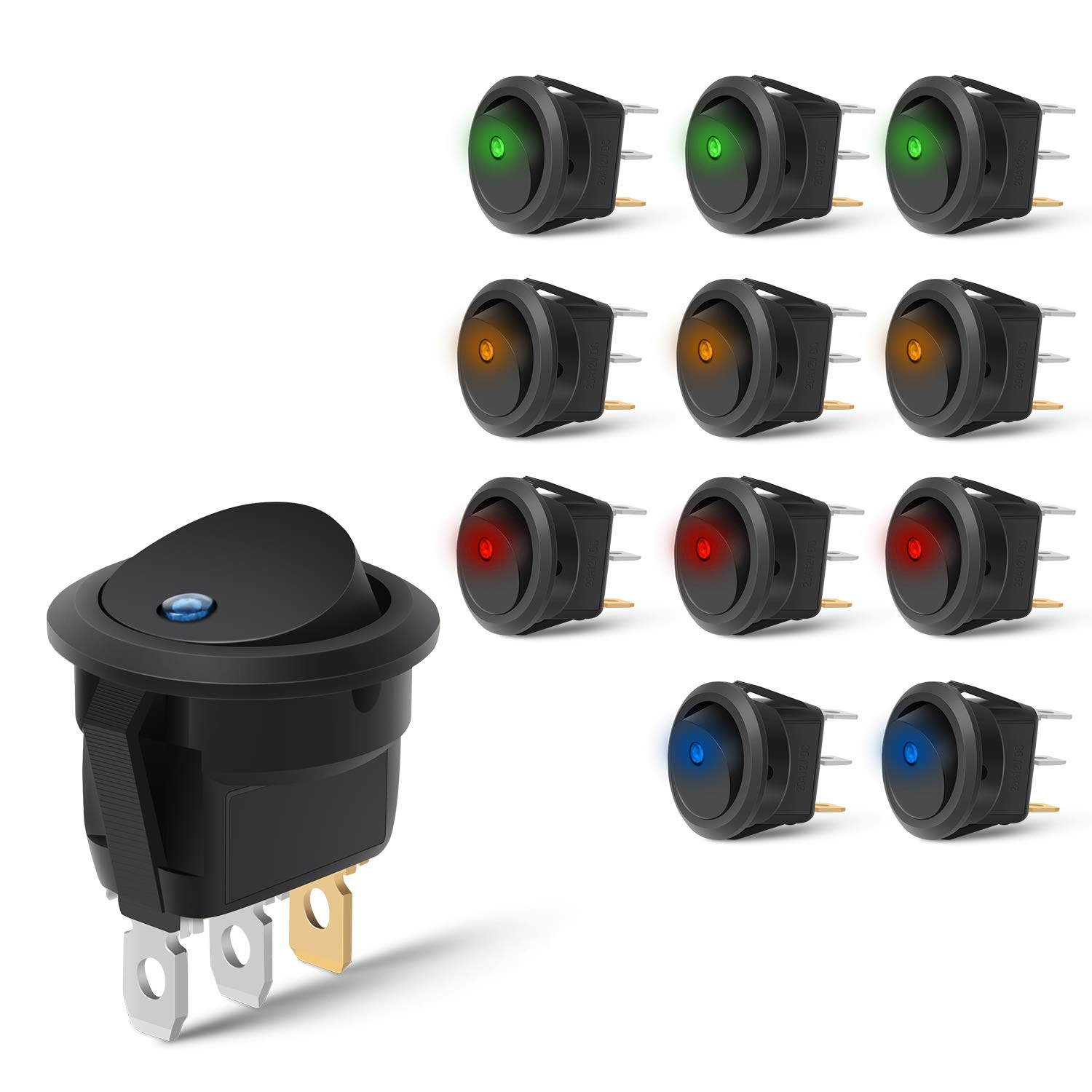
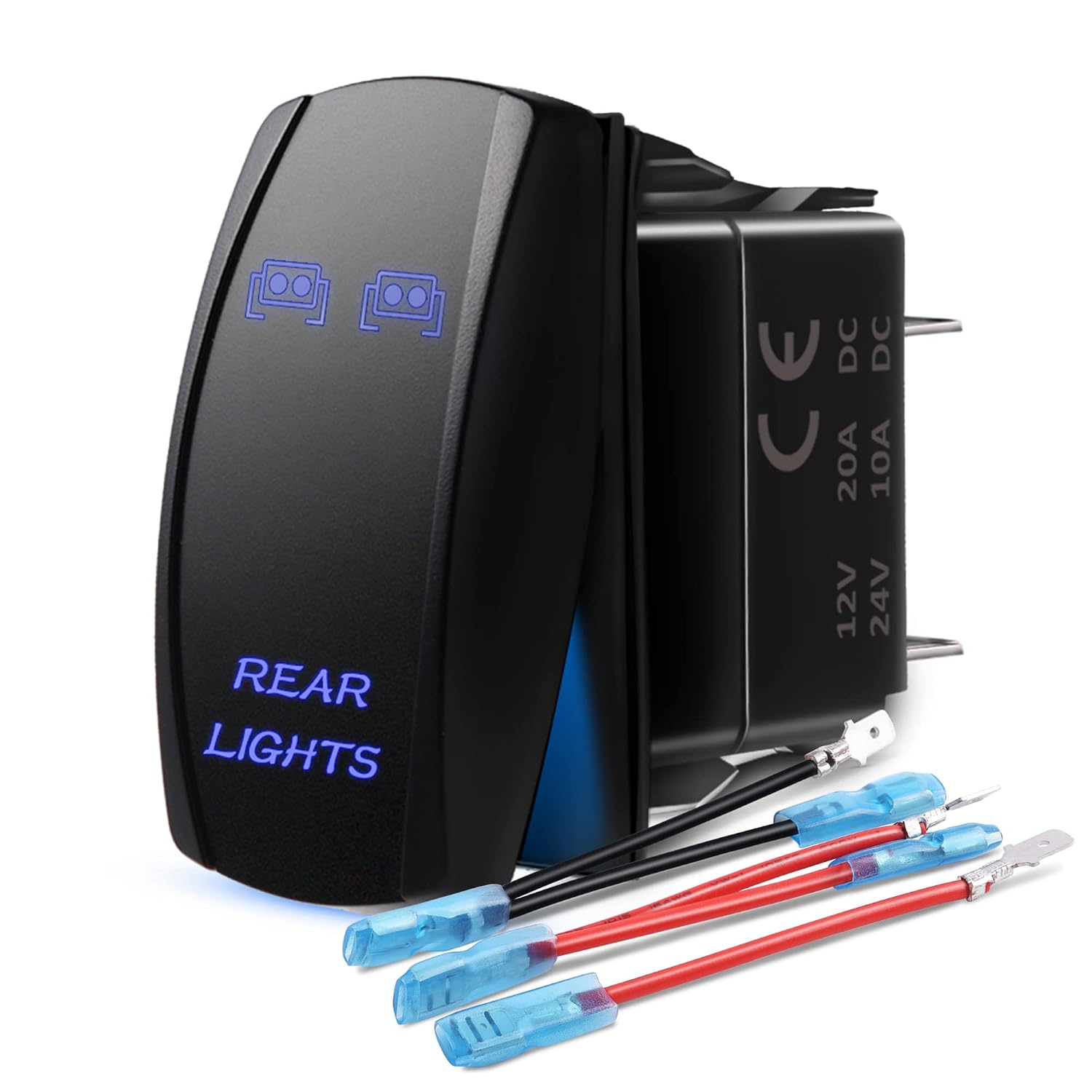
MICTUNING
MICTUNING MIC-LSR12 5Pin Rear Lights Rocker Switch On-Off LED Light 20A 12V, Blue
See current price



Popular brands in Switches & Relays
Switches and relays help control many vehicle functions, from lighting and accessories to starting, signaling, and climate controls. The right replacement depends on more than appearance: compatibility, electrical specifications, connector design, and installation requirements all matter.
This K-Catalog category brings together replacement switches and relays from brands represented in the catalog, making it easier to compare product details before visiting Amazon for the latest availability and purchasing information.
How to choose the right replacement
Start with the vehicle’s year, make, model, engine or trim where relevant, and the exact position or function of the original part. A switch or relay that looks similar may use a different connector, terminal layout, switching method, or electrical capacity.
Use the original component and the vehicle service information as references. Compare the manufacturer’s fitment details with the part currently installed, particularly when replacing a safety-related control or a component connected to high-current equipment.
Important considerations include:
- Function: Identify whether the part controls lighting, starting, accessories, signaling, windows, HVAC equipment, or another circuit.
- Fitment: Check vehicle compatibility and whether the part is intended for the front, rear, left, right, interior, engine bay, or another specific location.
- Electrical design: Compare voltage, current capacity, contact configuration, and normally open or normally closed operation when those specifications are provided.
- Connection: Match the connector shape, terminal count, pin arrangement, and wiring interface.
- Installation: Confirm whether the replacement is a direct-fit component or requires wiring, mounting hardware, or additional setup.
Common types of switches and relays
Automotive switches are operated directly or indirectly to open, close, or change a circuit. Examples include toggle, rocker, push-button, momentary, selector, door, brake-light, window, ignition, and multifunction switches. The best type depends on how the original control is activated and what vehicle system it operates.
Relays use a low-current control signal to switch a separate circuit. They are commonly associated with lighting, fans, horns, starters, fuel systems, and other accessories. Replacement relays may be standard, heavy-duty, sealed, multi-pin, or designed for a particular circuit arrangement. Matching the terminal layout and electrical specifications is essential.
Specifications and features to compare
Product listings can differ substantially in the amount of technical information provided, so review each specification carefully. Look for the following details:
- Original-equipment replacement or vehicle-specific fitment
- Switch or relay function and application
- Terminal configuration and contact arrangement
- Connector type and included terminals or wiring
- Housing material and resistance to moisture, heat, or vibration
- Mounting style, dimensions, and actuator design
- Required fuse, load, or circuit compatibility
- Whether hardware, pigtails, or installation accessories are included
For a relay, do not rely only on its external shape. A similar housing can contain a different internal circuit. For a switch, compare the actuator position, movement, mounting method, and electrical behavior with the original part.
Brands represented in the catalog
The catalog includes automotive switches and relays from Dorman, Nilight, MICTUNING, Standard Motor Products, ACDelco, ESUPPORT, General Motors, DAIERTEK, HOTSYSTEM, STANDARD IGN, Twidec, and Motorcraft. These brands may cover different vehicle applications, product designs, and electrical uses. Compare the specifications and fitment information for each individual listing rather than selecting by brand name alone.
Installation and compatibility tips
Disconnect the battery when the repair procedure calls for it, especially before working on circuits that could short or activate unexpectedly. Photograph or label wiring before removing a switch, and verify terminal positions before connecting a relay or pigtail.
Do not bypass a fuse or substitute a relay with a different circuit configuration simply because it fits the socket. If a replacement fails again, investigate possible wiring faults, excessive load, moisture, or an underlying component problem. For steering-wheel, airbag, ignition, or other safety-related systems, follow the vehicle manufacturer’s service procedures or seek qualified assistance.
For other automotive replacement needs, browse Body & Trim, Filters, Lighting & Electrical, Shocks, Struts & Suspension, Ignition Parts, and Engine Cooling & Climate Control. The broader Replacement Parts category can help when the required component is not a switch or relay.
Frequently asked questions
What is the difference between a switch and a relay?
A switch is typically operated directly to control a circuit. A relay uses an electrical control signal to open or close another circuit, often allowing a lower-current control to operate a higher-current load.
How can vehicle fitment be confirmed?
Compare the listing’s vehicle information with the vehicle year, make, model, engine, trim, system, and installation position. Connector and terminal details should also match the original component.
Can any relay with the same shape be used?
No. Relays with similar housings may have different terminal layouts, contact arrangements, voltage requirements, or current capacities. Match the circuit diagram and specifications, not just the physical shape.
What should be checked before buying a switch?
Check the switch function, actuator style, connector, terminal arrangement, mounting method, dimensions, and vehicle-specific fitment. These details help distinguish visually similar parts.
Why might a replacement switch or relay stop working?
Possible causes include an incorrect part, loose connection, damaged wiring, moisture, an overloaded circuit, a blown fuse, or another fault in the system. Repeated failure should be diagnosed rather than solved by installing another part without checking the circuit.