

Kids' Furniture for Playrooms, Bedrooms & More
Find kids' furniture for bedrooms, playrooms, study areas, and shared spaces. Compare dimensions, materials, storage, comfort, and safety-related features to find options suited to your child and home.
1,305 products in catalog
1,305 results
Filters


Simple Houseware
2 PK - SimpleHouseware Stuffed Animals Jumbo Toy Storage Hammock, Black
See current price


Humble Crew
Humble Crew Kids 5 shelf Book Rack Storage Bookshelf, White/Pastel (Pastel Collection)
See current price


Humble Crew
Humble Crew Supersized Wood Toy Storage Organizer, Extra Large, Grey/White
See current price


Rubbermaid
Rubbermaid RM-P2 2 Molded Plastic Stool with Non-Slip Step Treads, 1 Piece, Black
See current price

Humble Crew
Humble Crew, Black with White Extra-Large Supersized Storage Organizer, Plastic Bins
See current price

Marshmallow Furniture
Marshmallow Furniture, Children's 2-in-1 Flip Open Foam Compressed Sofa, Moana
See current price
Humble Crew
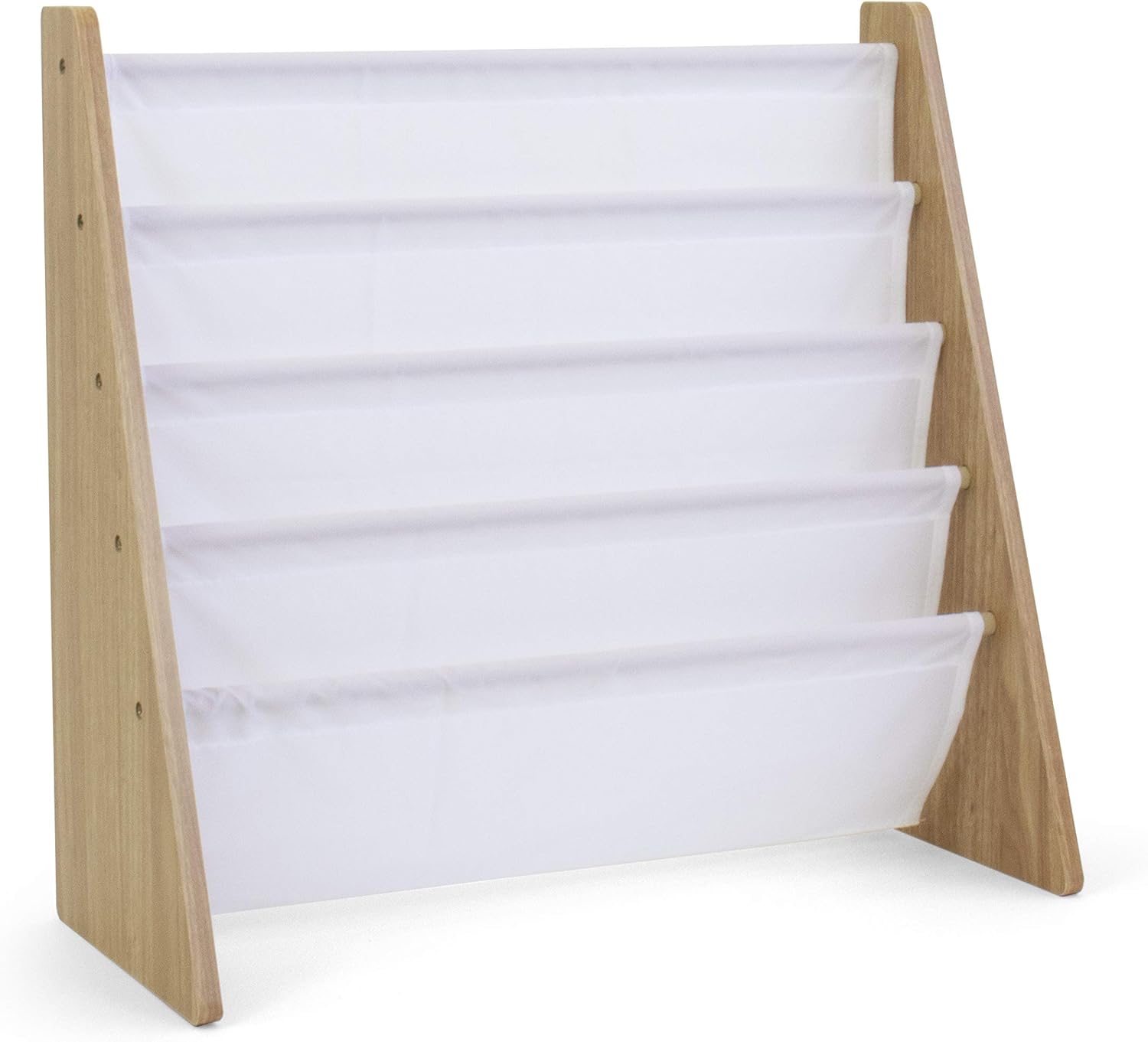
Humble Crew, 4 tier, Natural/White Kids Book Rack Storage Bookshelf with Deep Sleeves, Universal
See current price


Flash Furniture
Flash Furniture Charlie Deluxe Padded Contemporary Avocado Microfiber Kids Recliner with Storage Arms
See current price


Popular brands in Kids' Furniture
Kids' furniture should fit both the child and the space. A well-chosen piece can make a bedroom easier to organize, give a playroom a defined activity area, or help children use a table and chair comfortably for reading, crafts, and homework.
The catalog includes a broad selection from brands such as Delta Children, ECR4Kids, KidKraft, Costzon, Marshmallow Furniture, Idea Nuova, UTEX, Amazon Basics, Guidecraft, Step2, Humble Crew, and mecor. Use product specifications to compare construction, dimensions, intended use, and design details rather than choosing by appearance alone.
How to choose kids' furniture
Start with the room and the activity the furniture needs to support. A compact table may work well for drawing or puzzles, while a storage unit, shelf, or toy organizer can help keep frequently used items accessible. Bedroom furniture calls for different priorities, including sleep comfort, clothing storage, and safe movement around the room.
Consider who will use the piece and how long it should remain useful. Furniture made for younger children may emphasize easy access and a low profile, while older children may need a larger work surface, more storage, or a design that transitions into a shared study area.
Before comparing styles, measure the available floor space, doorways, and nearby furniture. Leave enough room for children to move around safely and for drawers, doors, or bins to open fully.
Common types of kids' furniture
Kids' furniture can include seating, tables, beds, dressers, shelves, toy storage, desks, and activity furniture. The right type depends on the room and the way your child spends time there.
- Tables and chairs: Useful for crafts, meals, reading, games, or homework. Compare seat height, table height, surface area, and cleanability.
- Storage furniture: Toy chests, cubbies, shelves, and organizers help separate books, toys, clothing, and supplies. Look at compartment sizes and how easily children can reach them.
- Bedroom furniture: Beds, nightstands, dressers, and related pieces should fit the room’s layout and coordinate with existing furniture. Check mattress or storage compatibility where applicable.
- Desks and activity stations: Consider writing space, legroom, cable management, and whether the surface can accommodate schoolwork or creative projects.
- Soft seating and play furniture: Foam chairs, sofas, loungers, and play-focused pieces can create a comfortable reading or relaxation area. Review the cover material and cleaning instructions.
For a broader room-by-room selection, browse Furniture or compare adjacent options in Bedroom Furniture and Game & Recreation Room Furniture.
Features and specifications to compare
Dimensions and fit are among the most important details. Check overall width, depth, and height, along with seat height, clearance, and the space needed when doors or drawers are open. For desks and tables, compare the usable work surface rather than exterior dimensions alone.
Materials and construction affect durability, weight, appearance, and care. Product details may identify wood, engineered wood, plastic, metal, foam, fabric, or combinations of materials. Look for information about finishes, upholstery, hardware, edges, and whether assembly is required.
Storage design matters as much as capacity. Open cubbies make items easy to see, while drawers and doors can create a neater appearance. Removable bins may help with sorting, but confirm their dimensions and included components in the specifications.
Safety-related details deserve close attention. Check for rounded or finished edges, stable construction, appropriate weight limits, anti-tip provisions where relevant, and any recommended age or use guidance. Follow the manufacturer’s assembly and placement instructions, especially for tall or freestanding pieces.
Matching furniture to the room
Coordinate color and style with the room without sacrificing function. Bright colors and playful shapes may suit a playroom, while simpler finishes can work in a bedroom that needs to grow with the child. In shared spaces, neutral furniture may blend more easily with adult furnishings.
Think about maintenance before buying. Smooth, wipeable surfaces can be practical for art areas and play spaces. Upholstered furniture may be comfortable but should be checked for removable covers, spot-cleaning guidance, and fabric care requirements.
If the room serves more than one purpose, prioritize flexible pieces. A table used for crafts can later support homework, and modular storage can be rearranged as interests change. For other areas of the home, related options include Living Room Furniture and Home Office Furniture.
Brands in the catalog
The kids' furniture catalog includes Delta Children, ECR4Kids, KidKraft, Costzon, Marshmallow Furniture, Idea Nuova, UTEX, Amazon Basics, Guidecraft, Step2, Humble Crew, and mecor. Compare each product’s specifications individually, since materials, assembly requirements, dimensions, and intended uses can differ across a brand’s range.
Frequently asked questions
What should I measure before buying kids' furniture?
Measure the available floor area, entry route, nearby furniture, and clearance needed for doors, drawers, or pull-out components. Also check the product’s listed dimensions before choosing.
How do I choose the right size table and chair?
Compare the listed seat and table heights with your child’s size and intended activity. The child should be able to sit comfortably with enough legroom and reach the work surface without awkward posture.
What kids' furniture works well for small rooms?
Look for compact tables, vertical storage, stackable seating, under-bed storage, or furniture with more than one function. Confirm that drawers and doors can open without blocking walkways.
Is assembly required for kids' furniture?
Some products arrive ready to use, while others require assembly. Check the product details for assembly requirements, included hardware, tools, and any recommended anchoring or placement guidance.
How can kids' furniture be kept clean?
Follow the care instructions for the specific material. Wipeable surfaces are generally practical for everyday messes, while fabric, foam, wood finishes, and painted surfaces may require different cleaning methods.