

Living Room Furniture for Every Space
Compare living room furniture by size, construction, style, storage, and comfort. Explore catalog listings to find pieces that suit your room layout and everyday use.
6,017 products in catalog
6,017 results
Filters




Otto & Ben
Otto & Ben 45" Storage Ottoman with SMART LIFT Top, Upholstered Tufted Bench, Foot Rest, Ruby Red
See current price





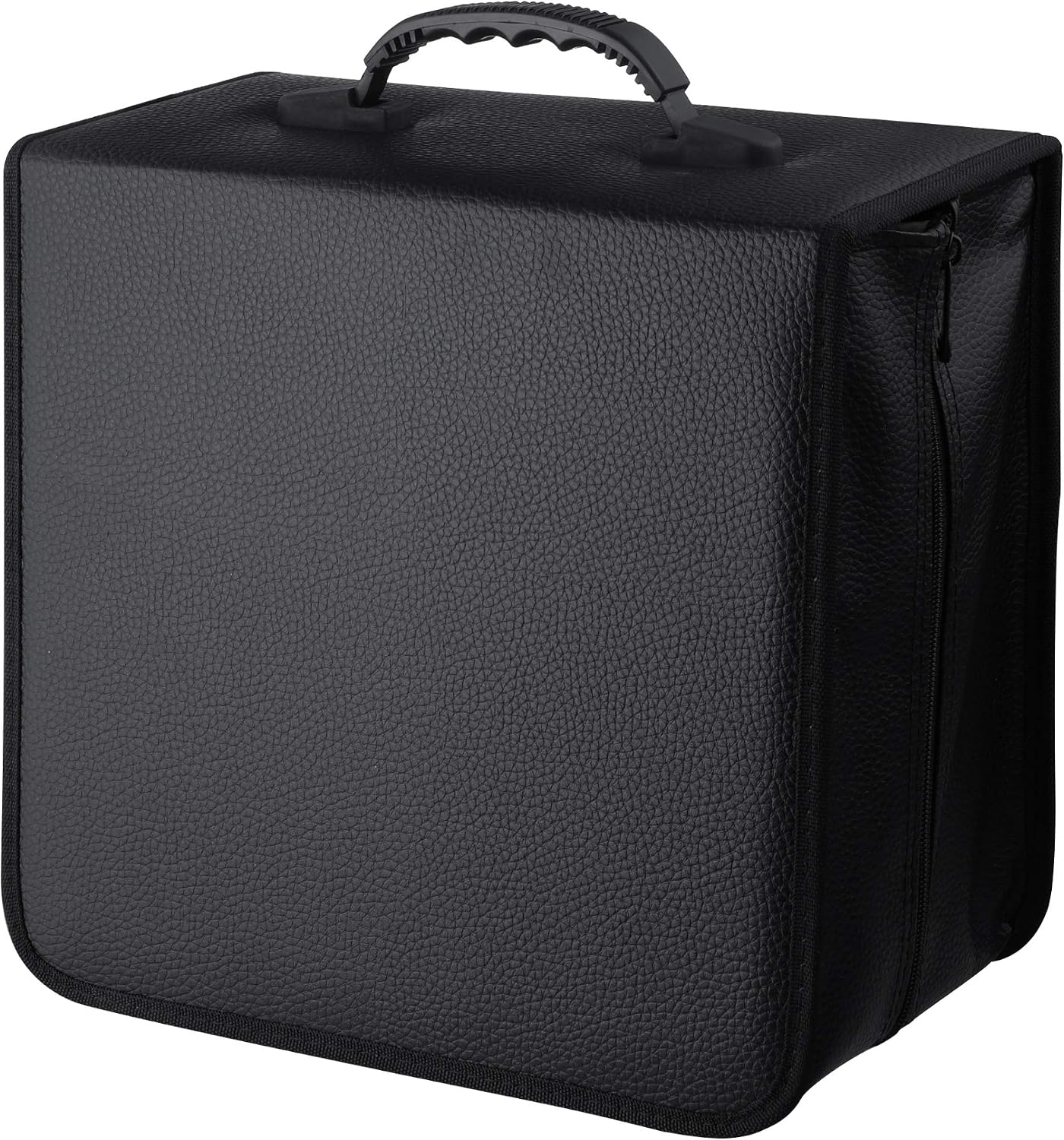


Otto & Ben
Otto & Ben 45" Storage Ottoman with SMART LIFT Top, Upholstered Line Bench, Foot Rest, Black
See current price

Popular brands in Living Room Furniture
Living room furniture sets the tone for a shared space, whether the room is used for relaxing, entertaining, reading, or watching television. The right choices should fit the available floor area, support the way the room is used, and work with the existing decor.
K-Catalog helps shoppers compare specifications and features across living room furniture listings before visiting Amazon to check current product details and availability. Start with the room’s dimensions and purpose, then narrow the options by furniture type, materials, storage, and appearance.
How to choose living room furniture
Begin by measuring the room, including the width of doorways, stairways, and other paths used during delivery. Record the usable wall space and note permanent features such as windows, radiators, outlets, and built-in shelving. A piece that fits the room on paper may still make the space difficult to navigate if it leaves too little clearance.
Consider how many people typically use the room and what activities take place there. A household that frequently hosts guests may need generous seating and accessible surfaces, while a compact room may benefit from furniture with a smaller footprint or more than one function.
Style matters, but it should follow practical requirements. Compare color, finish, silhouette, and hardware with the pieces already in the room. If several items will be purchased together, look for coordinated finishes and compatible proportions rather than assuming that pieces described as a “set” will suit every layout.
Types of living room furniture
Living room furniture can include seating, tables, storage, entertainment pieces, and accent furnishings. The best combination depends on the room’s size and how much flexibility is needed.
- Sofas and loveseats: These provide the main seating and vary in width, depth, upholstery, cushion design, and overall style. A loveseat can suit a smaller room, while a larger sofa may be more appropriate for group seating.
- Sectionals: Sectionals can define a seating zone and make use of a corner, but shoppers should check the configuration, orientation, and dimensions carefully. Confirm whether the arrangement is reversible or fixed when that information is provided.
- Chairs and accent seating: Armchairs, recliners, and accent chairs can add individual seating without requiring a matching sofa. Compare seat height, width, back support, and the space needed for reclining or movement.
- Coffee tables and end tables: These add practical surfaces for drinks, books, lamps, and decorative items. Shape and height should work with the seating, while the table footprint should preserve comfortable walking paths.
- TV stands and media consoles: These organize entertainment equipment and can provide open or enclosed storage. Check the available shelf space, cable-management features, finish, and overall width against the television and surrounding wall.
- Shelves, cabinets, and storage furniture: Storage pieces can help reduce clutter while contributing to the room’s visual style. Compare shelf adjustability, door design, weight capacity when listed, and the amount of clearance required for doors or drawers.
Features and specifications to compare
Dimensions are among the most important details. Check width, height, depth, seat dimensions, tabletop size, and shelf measurements where applicable. For furniture that must pass through a narrow entrance, also look for package dimensions or information about removable components.
Materials and construction influence appearance, maintenance, and expected use. Compare solid wood, engineered wood, metal, glass, upholstered materials, and combinations of these materials as described in each listing. For upholstered pieces, review the fabric or covering, cushion construction, and cleaning guidance. For tables and storage furniture, pay attention to the finish and whether surfaces are intended for everyday use.
Storage and organization should match what you plan to keep in the furniture. Open shelves offer quick access and display space, while cabinets and drawers can conceal items. If a piece will hold electronics, check ventilation and cable-routing details rather than focusing only on appearance.
Assembly requirements can vary significantly. Review whether assembly is required, what tools or hardware are included, and whether the product is designed for one person or more during setup when the listing provides that information. Also check the care instructions before choosing a material that may require specialized cleaning.
Planning a comfortable layout
A useful living room layout creates distinct areas without making the room feel crowded. Place the main seating so it faces the room’s focal point, such as a television, fireplace, window, or conversation area. Keep frequently used surfaces within easy reach, but avoid blocking walkways, doors, vents, and electrical outlets.
Use rugs, lighting, and accent tables to visually connect separate pieces. Matching every item is not required; coordinating finish tones, proportions, and shapes can create a more flexible look. In a small room, furniture with exposed legs, vertical storage, or a lighter visual profile may help the space feel more open. In a larger room, multiple seating groups or a substantial storage piece can prevent the layout from appearing unfinished.
For homes with children or pets, consider rounded edges, stable construction, cleanable surfaces, and upholstery that fits the expected level of use. Always follow the manufacturer’s assembly and safety instructions, especially for tall storage furniture that may require anchoring.
Brands represented in the catalog
The living room furniture catalog includes listings from Signature Design by Ashley, Christopher Knight Home, Convenience Concepts, VASAGLE, Yaheetech, Sauder, Giantex, Coaster Home Furnishings, Winsome, Divano Roma Furniture, Walker Edison, and Rolanstar. These brands may cover different furniture types, materials, room sizes, and design preferences.
Brand name alone should not determine a choice. Compare the specifications for the individual item, including dimensions, materials, assembly information, storage configuration, and care requirements. Product details can differ within the same brand, so review each listing rather than relying only on a familiar name.
Related furniture categories
Living room pieces often need to coordinate with furniture in nearby areas of the home. Browse Furniture for the wider category, or compare adjacent spaces such as Bedroom Furniture, Home Office Furniture, and Dining Room Furniture.
For additional rooms, Game & Recreation Room Furniture, Kids' Furniture, and Entryway Furniture can help you plan a consistent approach to storage, seating, and finishes throughout the home.
Frequently asked questions
What should be measured before buying living room furniture?
Measure the room, available wall and floor space, doorways, stairways, and any route the furniture must take during delivery. Also measure nearby furniture to check that the new piece will be proportionate.
How do I choose the right sofa or sectional size?
Start with the usable floor area and required walking paths. Compare the listed width, depth, and height with your measurements, then check the seating capacity and sectional orientation if applicable.
What living room furniture is useful in a small space?
Compact seating, nesting or smaller tables, vertical storage, and media furniture with enclosed organization can help preserve floor space. Prioritize the dimensions and clearance needed for everyday movement.
Is assembly required for living room furniture?
Some pieces arrive ready to use, while others require partial or full assembly. Check the individual listing for assembly instructions, included hardware, tool requirements, and any recommended assistance.
How should living room furniture be maintained?
Follow the care instructions for the specific material. Use appropriate cleaning methods for upholstery, wood finishes, metal, glass, and engineered surfaces, and avoid placing items where heat, moisture, or direct sunlight could cause damage.
What specifications matter most when comparing TV stands?
Compare overall width and height, shelf and cabinet dimensions, cable-management options, ventilation, finish, and the space available for the television and connected equipment.