

Mandolins: Compare Types and Features
Compare mandolins by body style, construction, playability, and included features to find an instrument suited to your music, experience, and setup.
10 products in catalog
10 results
Filters
Availability
Price


Hola! Music
Hola! Music A Style Mandolin Instrument with Adjustable Truss-Rod Model HM-3TS, Glossy Sunburst Finish
See current price


Popular brands in Mandolins
Mandolins bring a bright, clearly defined sound to folk, bluegrass, country, classical, and other musical settings. When comparing instruments, look beyond appearance: body design, neck feel, tuning stability, construction, and electronics can all affect how a mandolin fits your playing.
K-Catalog helps shoppers compare listed specifications and features before visiting Amazon to check current availability and make a purchase decision. Mandolins appear within the broader Ukuleles, Mandolins & Banjos category alongside other stringed instruments.
How to choose a mandolin
Start by considering how and where the instrument will be played. A beginner may value comfortable handling, straightforward tuning, and a practical package, while a more experienced player may focus closely on body style, neck dimensions, tonewood details, hardware, and amplified performance.
Important questions include:
- Will the mandolin be played acoustically, amplified, or both?
- Is the instrument intended for practice, casual playing, recording, or live performance?
- Does the size and neck profile feel manageable for the player?
- Are a case, gig bag, strap, picks, tuner, or other accessories included?
- Does the finish and overall design match the preferred style without distracting from practical specifications?
If possible, compare the full specification list rather than relying only on product photos. Similar-looking instruments can differ in construction, controls, fittings, and included accessories.
Common mandolin body styles
Mandolins are available in several recognizable body designs, each with a different visual character and playing appeal.
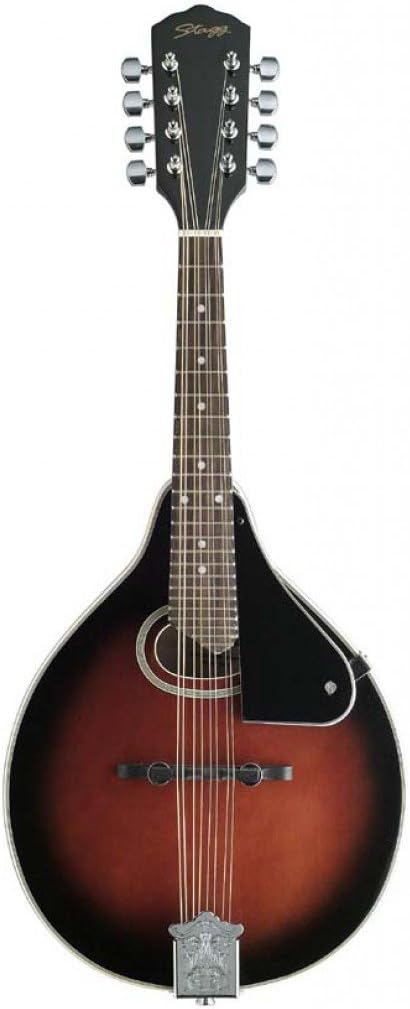
- A-style mandolins generally have a simpler, rounded body profile. Their clean shape can suit players who prefer a straightforward traditional appearance.
- F-style mandolins typically have more ornamental body shaping, including scrollwork or pointed details. They may appeal to shoppers who want a more decorative instrument.
- Flat-back and bowl-back designs use different rear-body constructions and can offer distinct looks, handling characteristics, and tonal responses.
- Electric or pickup-equipped mandolins are useful when connecting to an amplifier or other audio equipment is part of the intended setup. Check the pickup and control details carefully, since configurations can vary.
These descriptions are starting points rather than substitutes for the individual product specifications. Body materials, bracing, finish, bridge design, and setup can all influence the result.
Key features and specifications to compare
Pay close attention to the following details when reviewing mandolin listings:
- Tuning and string configuration: Confirm the tuning arrangement and the number and type of strings. Replacement strings should match the instrument’s intended setup.
- Scale length and neck dimensions: These measurements affect reach, fret spacing, and overall playing comfort. A shorter or longer scale may feel noticeably different between instruments.
- Body and neck materials: Wood type and construction details can help distinguish instruments, but material names should be considered alongside workmanship and setup information.
- Bridge and tailpiece: These components influence string support and adjustment. Look for descriptions of whether the bridge is adjustable and how the tailpiece is constructed.
- Frets and fingerboard: Compare fret count, fingerboard material, inlays, and finish details if they are provided.
- Electronics: For amplified use, check whether a pickup is included and review the listed controls, output connection, and power requirements.
- Included accessories: A package with a gig bag, picks, strap, tuner, strings, or other extras may be convenient, but confirm exactly what is included.
Brands represented in the catalog
The mandolin catalog includes products from Rogue, TiMitA, Vangoa, Hola! Music, Stagg, Ducks Deluxe, Ibanez, Inkfonts, and Donner. These brands are represented in the catalog, giving shoppers several names to compare while still making decisions based on the specifications, configuration, and intended use of each individual instrument.
Brand familiarity can be helpful when narrowing a search, but it should not replace checking the details of the specific listing. Compare dimensions, materials, hardware, electronics, and accessories across products before choosing.
Setup, care, and compatibility tips
A mandolin should be stored in a suitable case or gig bag when it is not being played. Keep it away from extreme heat, cold, and sudden changes in humidity, which can affect wood components and playability. Wipe away dust and fingerprints with an appropriate soft cloth, and avoid applying cleaners unless they are suitable for the instrument’s finish.
Before ordering replacement strings or accessories, verify compatibility with the mandolin’s tuning, string arrangement, bridge, and tailpiece. Players planning to amplify the instrument should also confirm that the output and pickup setup will work with their existing equipment. If a listing includes a case or stand, check its dimensions and design rather than assuming universal fit.
Shoppers interested in related small stringed instruments can also compare Ukuleles and Banjos, which differ in body construction, tuning, scale, and playing technique.
Frequently asked questions
Are mandolins suitable for beginners?
Yes. Beginners can start with a straightforward acoustic model and prioritize comfortable handling, stable tuning, clear specifications, and any useful included accessories.
What is the difference between A-style and F-style mandolins?
A-style instruments generally use a simpler rounded body shape, while F-style designs usually include more decorative shaping. The specific sound and playability also depend on construction and setup.
Should a mandolin have a pickup?
A pickup is useful if the instrument will be connected to an amplifier or audio system. For acoustic-only practice, it may not be necessary.
What should be checked before buying replacement strings?
Confirm the mandolin’s tuning, string arrangement, scale, and the string type recommended for its design. Using unsuitable strings can affect tension and playability.
Does a mandolin need a case?
A case or gig bag helps protect the instrument during storage and transport. Check the product listing to see whether one is included and whether it matches the instrument’s dimensions.
Which specifications matter most for a first mandolin?
Focus on comfortable dimensions, reliable tuning hardware, appropriate string configuration, a clear description of materials and construction, and accessories that support practice and storage.