

Ukuleles for Every Playing Style
Compare ukulele sizes, construction, materials, electronics, and included accessories to find an instrument suited to your playing style, space, and experience level.
342 products in catalog
342 results
Filters
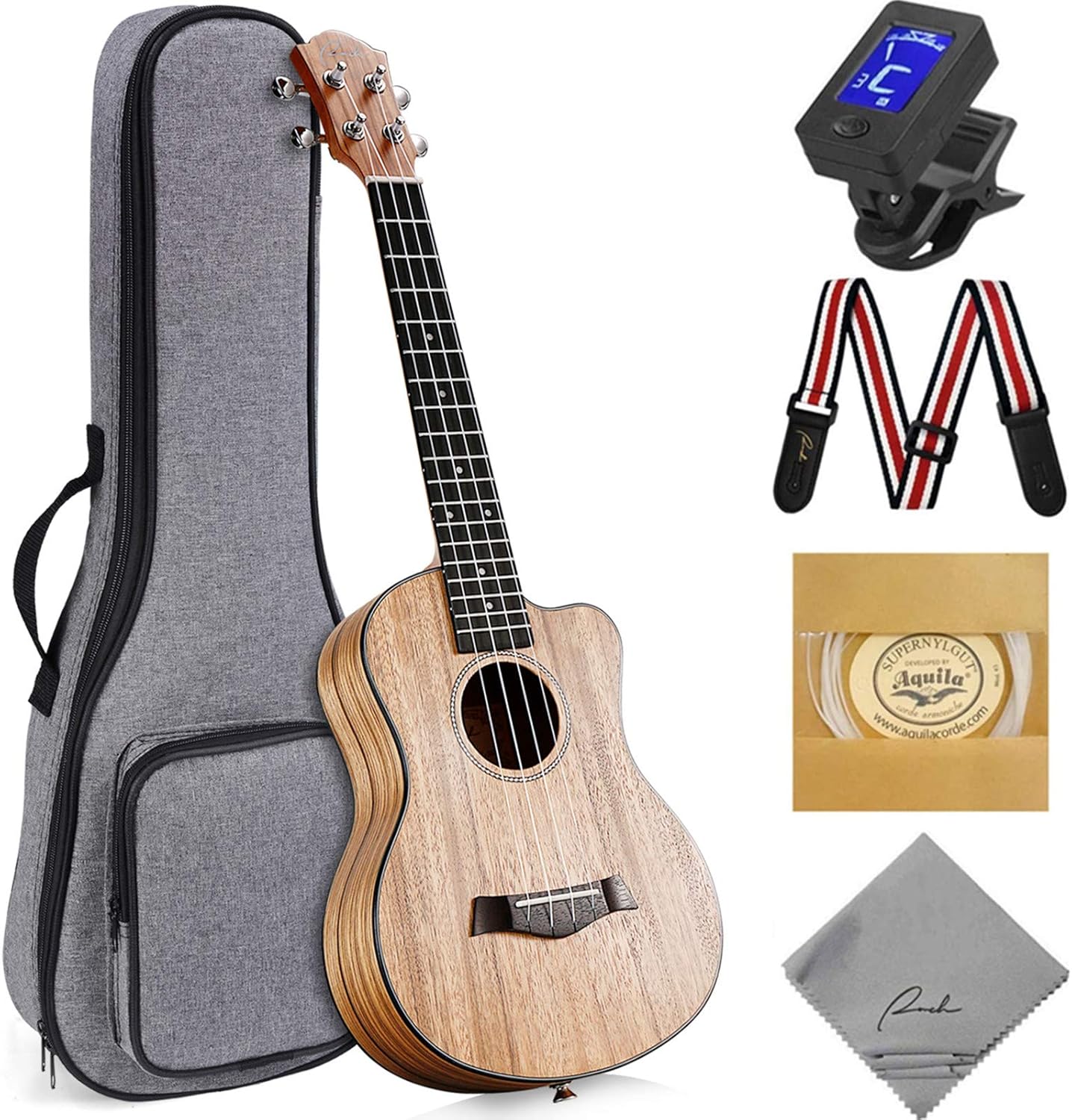

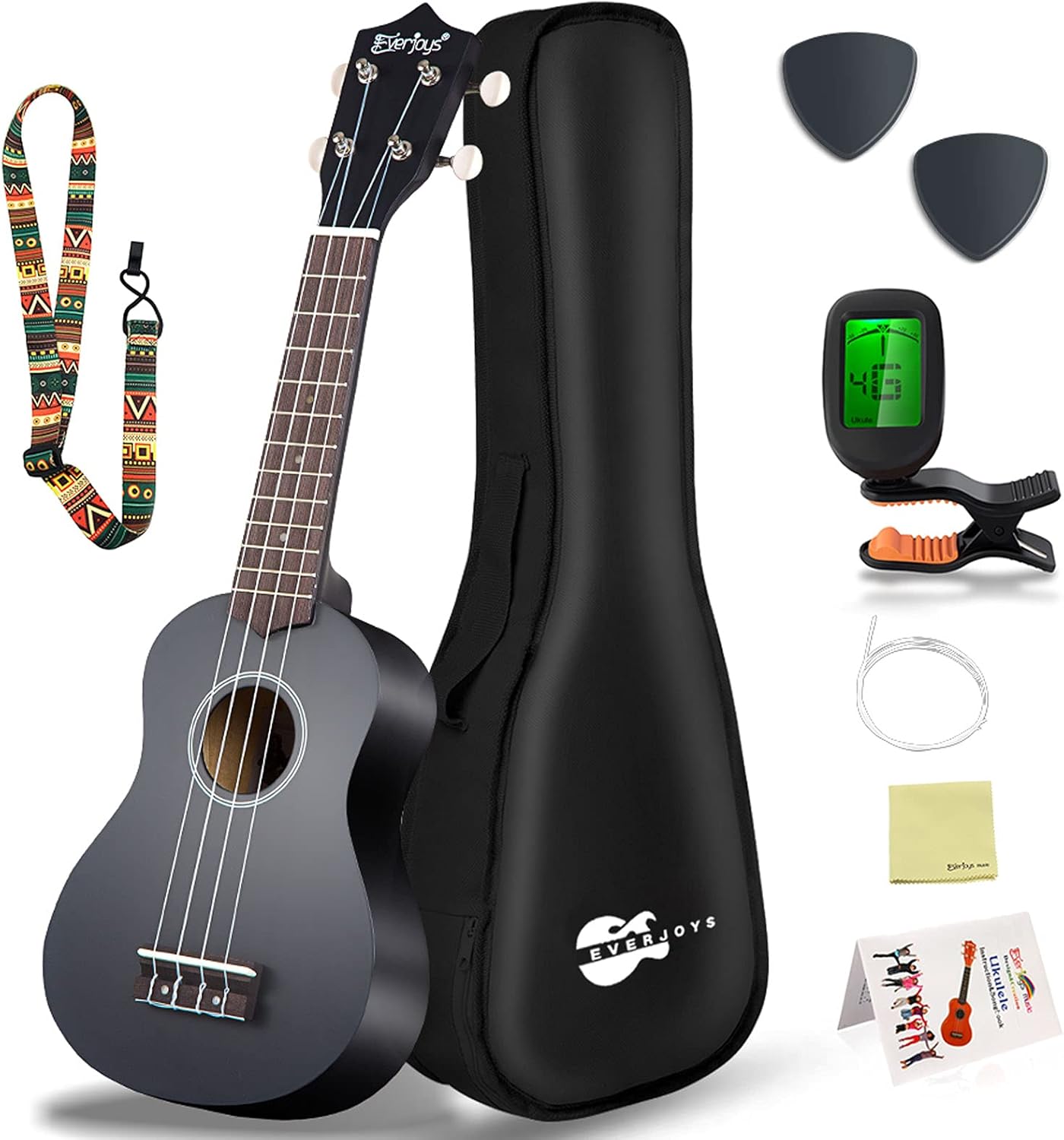


Hola! Music
Hola! Music HM-21BK Soprano Ukulele Bundle with Canvas Tote Bag, Strap and Picks, Black
See current price


Martin Smith
Martin Smith UK-212 - The ultimate Soprano Ukulele Starter kit, Natural
See current price


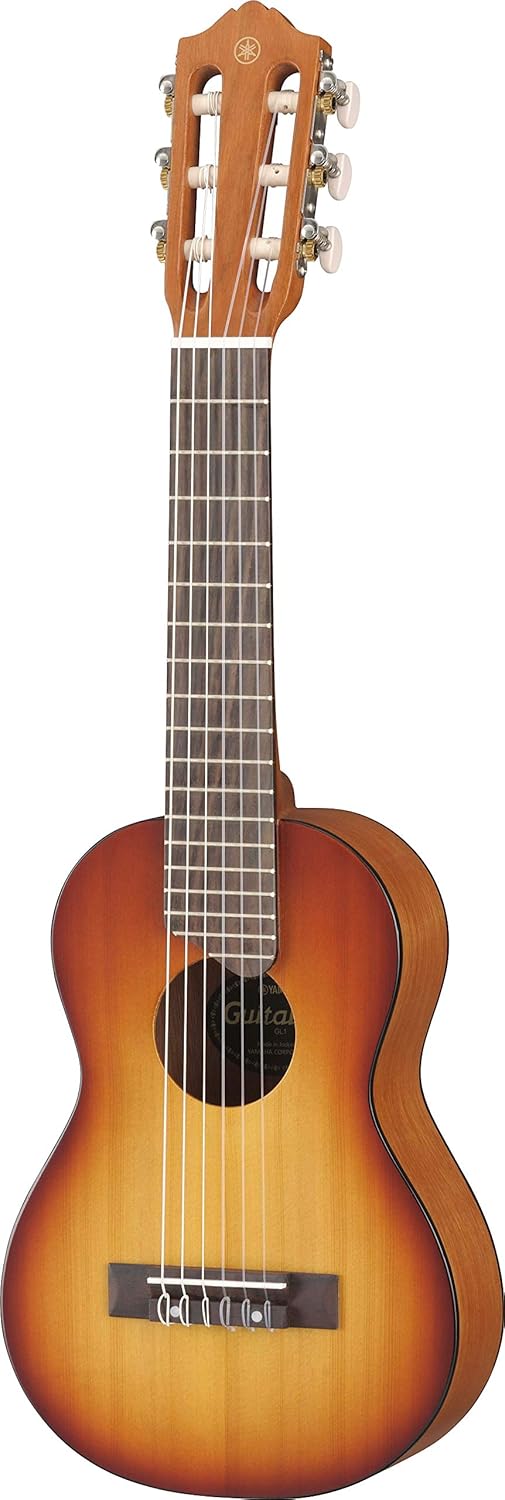


Mahalo Ukuleles
Mahalo Ukuleles Rainbow Series, 4-String Ukulele, Right, Brown, Soprano (MR1TBRK)
See current price
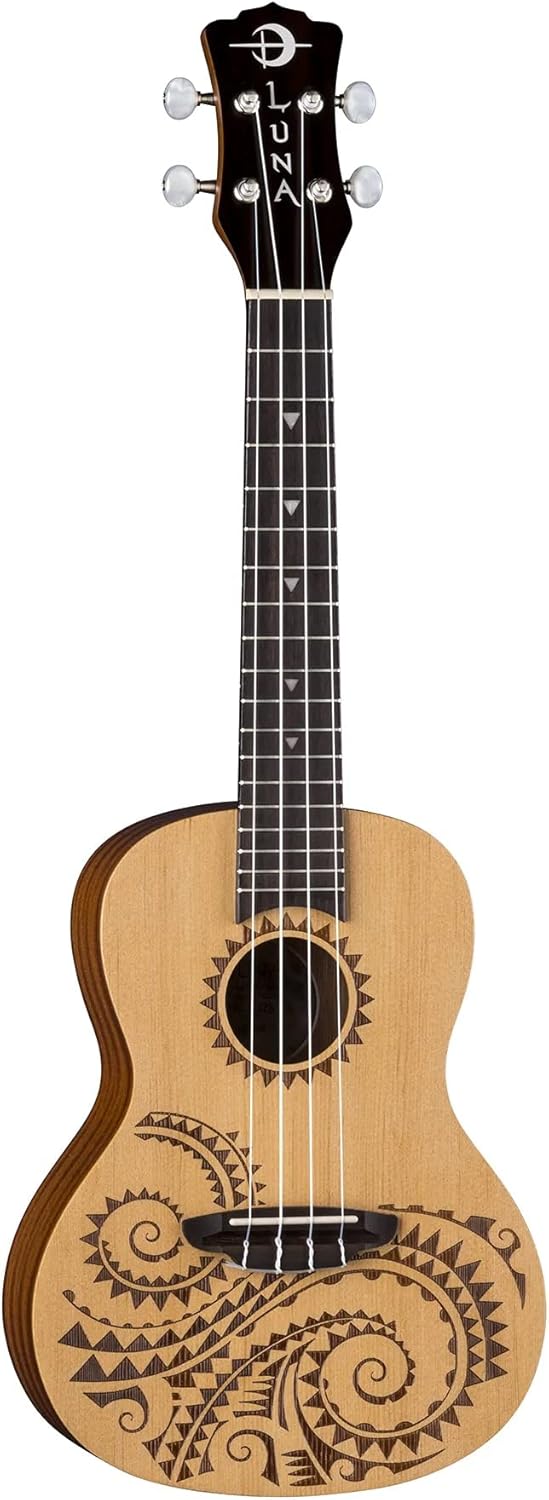
Popular brands in Ukuleles
Ukuleles are compact string instruments with a bright, approachable sound, making them a practical choice for beginners, casual players, songwriters, and experienced musicians. The right model depends on more than appearance: size, scale length, tonewood, tuning, playability, and amplification all affect how an instrument feels and sounds.
Use this catalog to compare specifications and features across ukuleles from brands including Makanu, KALA, honsing, Apelila, Cordoba, Lanikai, FUYXAN, ENYA, Luna Guitars, ACTUTECH, Donner, and Ashthorpe. Brand availability can vary, so compare the details of each individual instrument rather than relying on the brand name alone.
How to choose a ukulele
Start with the instrument’s size and intended use. Smaller ukuleles are often convenient for travel and may suit players who want a traditional, lively character. Larger sizes provide more room between frets and can be more comfortable for players with larger hands or those who want a fuller tonal range.
Consider how and where you plan to play:
- Beginners: Look for comfortable neck dimensions, dependable tuning hardware, and a setup that makes fretting and chord changes manageable.
- Travel and casual playing: Compact construction, a protective case, and a simple acoustic design may be useful.
- Performing or recording: An instrument with onboard electronics can connect to an amplifier or recording equipment, if that matches your setup.
- Players moving from guitar: A larger ukulele may offer a more familiar amount of space across the neck and a deeper overall voice.
Ukulele types and sizes
The most common size categories are soprano, concert, tenor, and baritone. Soprano ukuleles are the most compact traditional option. Concert models add a little more room while retaining the recognizable ukulele format. Tenor ukuleles generally offer a longer playing surface and can suit lead playing, fingerpicking, or players who prefer more space.
Baritone ukuleles are the largest common type and have a deeper sound. Their tuning is different from the standard tuning used on many soprano, concert, and tenor models, so check the tuning before purchasing if you are learning from existing chord charts or want to switch between instruments easily.
You may also see acoustic-electric ukuleles, which combine an acoustic body with a pickup and controls. These are useful when connecting to amplification is important. A fully acoustic ukulele may be simpler for home practice, lessons, travel, or informal playing.
For broader instrument comparisons, browse Banjos and Mandolins in the related catalog categories. The parent Ukuleles, Mandolins & Banjos category can also help when comparing related string instruments.
Specifications and features to compare
Pay close attention to the following details on each product listing:
- Body and neck materials: Wood choice and construction can affect weight, appearance, resonance, and durability. Laminated construction may have different practical advantages from solid wood, so compare the stated materials carefully.
- Scale length and fretboard: These affect the distance between frets and the overall playing feel. Check the listed scale length instead of choosing by size name alone.
- Tuning and strings: Confirm the tuning arrangement and string material, especially for baritone instruments or replacement-string planning.
- Electronics: For an acoustic-electric model, check whether it includes a pickup, preamp, tuner, tone controls, or other onboard features.
- Hardware: Look at the tuner type, bridge design, nut and saddle materials, and the finish. These components can influence tuning adjustments and everyday usability.
- Included accessories: Some listings may include items such as a gig bag, strap, tuner, picks, replacement strings, or instructional materials. Verify the exact package contents before choosing.
Comfort, setup, and compatibility
A ukulele should feel manageable in a seated or standing position. Check the body dimensions, neck width, total length, and weight when those specifications are provided. Players with smaller hands may prefer a compact neck, while others may find the additional spacing of a concert or tenor more comfortable.
If the ukulele has electronics, check the output connection and power requirements to ensure compatibility with the amplifier, interface, or other equipment you plan to use. A tuner built into an instrument can be convenient, but an external tuner may still be useful for other instruments or backup use.
Inspect the product description for the intended string arrangement and tuning before ordering accessories. Cases and gig bags should match the ukulele’s size and body shape; a case made for a soprano may not accommodate a tenor or baritone.
Care and storage tips
Keep the instrument away from extreme heat, cold, and sudden humidity changes. Store it in a suitable case or gig bag when it is not being played, and avoid leaving it in a vehicle for extended periods. Wipe fingerprints and moisture from the strings and finish with an appropriate soft cloth.
Strings gradually lose their original feel, so replacement timing depends on use, playing style, and personal preference. When changing strings, confirm that the replacement set matches the instrument’s size and tuning. If tuning remains unstable, inspect the tuners, bridge, and string installation before assuming the instrument needs a different setup.
Frequently asked questions
Which ukulele size is best for a beginner?
Many beginners start with a soprano or concert ukulele. Choose based on hand comfort, the desired tone, and whether you prefer a compact instrument or more fretboard space.
What is the difference between an acoustic and acoustic-electric ukulele?
An acoustic ukulele is designed to be played without amplification. An acoustic-electric model adds electronics for connecting to compatible amplification or recording equipment.
Is a baritone ukulele tuned like other ukuleles?
Baritone ukuleles commonly use a different tuning from soprano, concert, and tenor instruments. Check the product specifications and make sure your learning materials match that tuning.
Do ukuleles come with accessories?
Some listings include accessories, while others contain the instrument only. Check the included-items section for a case, tuner, strap, strings, or other extras.
How should a ukulele be stored?
Store it in a correctly sized case or gig bag, away from extreme temperatures and sudden humidity changes. Keep the instrument clean and check its tuning and strings regularly.