

Mannequins for Retail Displays
Compare mannequins for clothing presentation, visual merchandising, and retail displays. Review body form, pose, materials, and base details to find a suitable option for your space.
76 products in catalog
76 results
Filters


Sandinrayli
Sandinrayli White Female Mannequin Torso Dress Form Clothing Display w/Black Tripod Stand
See current price

Sandinrayli
Sandinrayli White Female Mannequin Torso Clothing Display W/White Tripod Stand
See current price


Sandinrayli
Sandinrayli Female Canvas Mannequin Torso Dress Form Clothing Display w/Black Tripod Stand (Beige)
See current price

Sandinrayli
Sandinrayli Black Female Mannequin Torso Dress Form Clothing Display w/ Black Tripod Stand
See current price


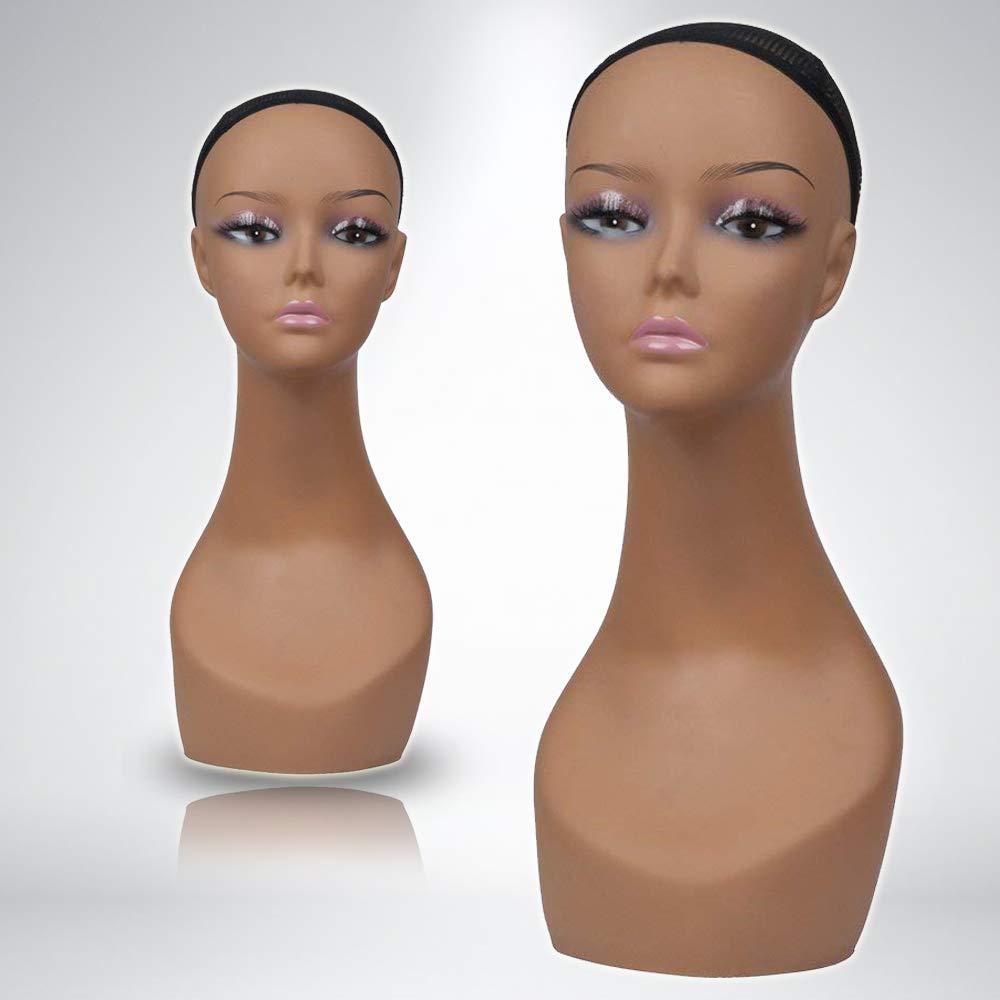
API A1 Pacific Inc.
18" Female Life Size Mannequin Head for Wigs, Hats, Sunglasses Jewelry Display PD3R-24
See current price

BestMassage
Mannequin Dress Form Female Dress Model Torso Display Mannequin Body 60-67 Inch Height Adjustable Tripod Stand
See current price


Popular brands in Mannequins
Mannequins help shoppers see how clothing may look when worn while giving a store, showroom, studio, or event display a defined visual focus. The right choice depends on the garments being presented, the available floor or counter space, and whether the display needs to look realistic, stylized, or easy to rearrange.
K-Catalog helps you compare mannequin specifications and features from products listed for sale on Amazon. Use the product information to narrow options by body form, construction, pose, finish, and support design, then check the current price and availability on Amazon.
How to choose a mannequin
Start with the type of merchandise and the way it should be presented. A full-body mannequin can show a complete outfit, while a torso or half-body form may be better for tops, jackets, lingerie, or compact displays. Headless designs keep attention on the clothing, whereas mannequins with heads or more defined features can create a more lifelike presentation.
Consider the setting as well. A shop floor may need a stable, freestanding model, while a countertop, window, photography area, or temporary event display may call for a smaller or easier-to-move form. Check the product dimensions carefully against doorways, shelves, display cases, and the intended backdrop.
Common mannequin styles to compare
Although products vary by design, these are useful categories to consider when browsing:
- Full-body mannequins: Suitable for complete outfits, including dresses, suits, uniforms, and coordinated clothing sets.
- Torso mannequins: A space-conscious choice for shirts, blouses, sweaters, jackets, and other upper-body garments.
- Headless mannequins: Keep the focus on the apparel and often suit clean, modern merchandising layouts.
- Dress forms: Useful when the display emphasizes the shape, drape, or construction of garments rather than a complete human figure.
- Poseable or stylized mannequins: May support more expressive displays, depending on the joint design and intended clothing.
The catalog does not use subcategory pages for these styles, so review each listing’s photographs and specifications to confirm the actual form, pose, and included support components.
Features and specifications to compare
Body measurements and proportions affect garment fit and presentation. Compare listed height, shoulder width, bust or chest dimensions, waist, hips, and other measurements with the clothing you plan to display. A mannequin should present the garment naturally without excessive stretching or loose areas that distract from its shape.
Construction and materials influence appearance, weight, durability, and handling. Common materials may include fiberglass, plastic, foam, or fabric-covered forms, but the specific construction should be verified in each listing. A lightweight model can be convenient for frequent rearrangement, while a heavier or sturdier design may feel more secure in a busy retail environment.
Base and support design deserve close attention. Look for information about the stand, pole, base shape, foot support, and how the mannequin is assembled. A wide or weighted base may be useful where stability is important. If the mannequin is intended to wear shoes, verify whether the foot and base arrangement accommodates them.
Also compare finish, color, facial detail, pose, and assembly requirements. Neutral finishes can work across different collections, while a distinctive pose or surface may support a particular brand concept. Product photos can help, but rely on the written specifications for dimensions and included parts.
Brands represented in the catalog
The Mannequins catalog includes products from Giantex, SSWBasics, Sandinrayli, EZ-Mannequins, DisplayTown, SHAREWIN, FDW, only mannequins, HYNAWIN, CELEBRITY, NAVADEAL, and BestMassage. These brands are represented in the catalog as shoppers compare available designs, materials, sizes, and support systems. Brand name alone does not determine whether a mannequin fits your needs, so compare the specifications of each individual listing.
Planning a complete retail display
A mannequin usually works best as part of a broader merchandising layout. Coordinate its finish and scale with Retail Shelving & Wall Displays or Retail Displays & Racks. If displayed clothing is being packed for customers, Retail Bags & Boxes can help complete the store setup.
Think about sightlines, walking clearance, lighting, and the visual relationship between the mannequin and nearby merchandise. Keep the display stable, avoid blocking exits or aisles, and follow the assembly and care instructions supplied with the product. For stores with frequent customer traffic, inspect stands, fasteners, and joints periodically.
Other retail equipment may also be relevant. Pricing Supplies can support clear product labeling, while Shopping Baskets & Carts may help organize the rest of the customer-facing area.
Frequently asked questions
What type of mannequin is best for clothing displays?
Choose based on the garments and available space. Full-body forms suit complete outfits, while torso forms and dress forms work well for focused or compact presentations.
How do I check whether clothing will fit a mannequin?
Compare the mannequin’s listed body measurements with the garment’s intended fit. Pay particular attention to shoulders, bust or chest, waist, and hips, as well as the length of dresses, coats, or trousers.
Are lightweight mannequins easier to move?
Generally, lighter construction can make rearranging easier, but stability also depends on the base, support pole, and overall design. Review the complete product specifications rather than weight alone.
What should I check about the mannequin stand?
Look for base dimensions, support style, included hardware, assembly instructions, and whether the design supports the intended clothing and footwear. Confirm that the assembled height suits the display area.
Can mannequins be used outside a clothing store?
Yes. They may be used in showrooms, photography spaces, trade displays, costume presentations, and event settings. Choose materials, finish, portability, and stability according to the environment.