

Retail Displays & Racks
Compare retail displays and racks for presenting merchandise clearly in shops, showrooms, booths, and other selling spaces. Review formats, materials, capacity, and placement before choosing a fixture.
36 products in catalog
36 results
Filters
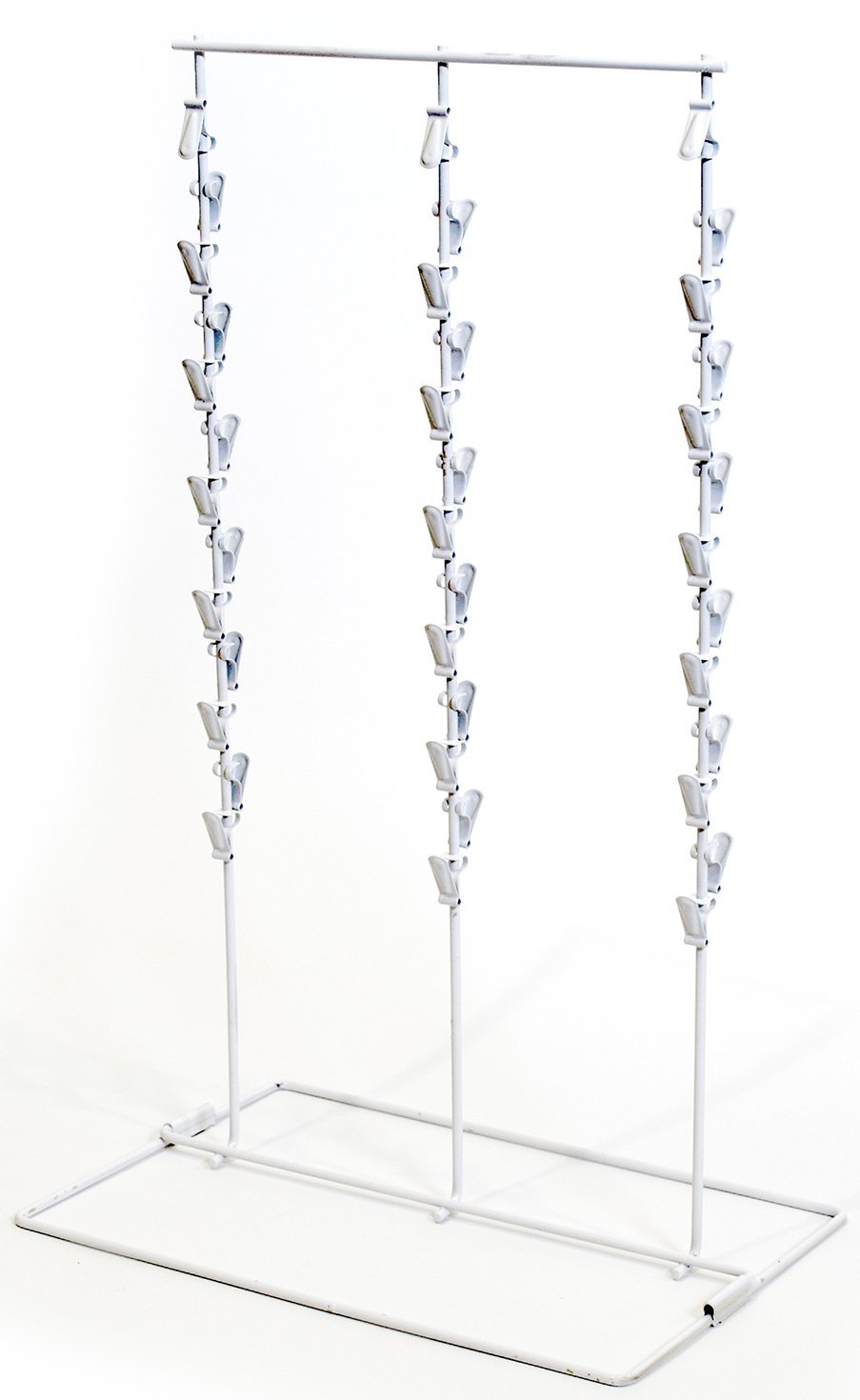


Store Supply Warehouse
Plastic Grocery Bag Holder - Fits 11½”W x 6”D x 21”H Bag - Unit Measures 12" W x 12" L x 16" H - Chrome Checkout Shopping Bag Stand with PVC Plastic Base
See current price

Marketing Holders
Marketing Holders 4 Tier Sunglass Eyeglass Wall Display with Black Back Glasses Nose 4 Tier Qty 1
See current price


JoySee
JoySee 1 X Sunglasses Rack Sunglasses Holder Glasses Display Stand, Water Clear
See current price


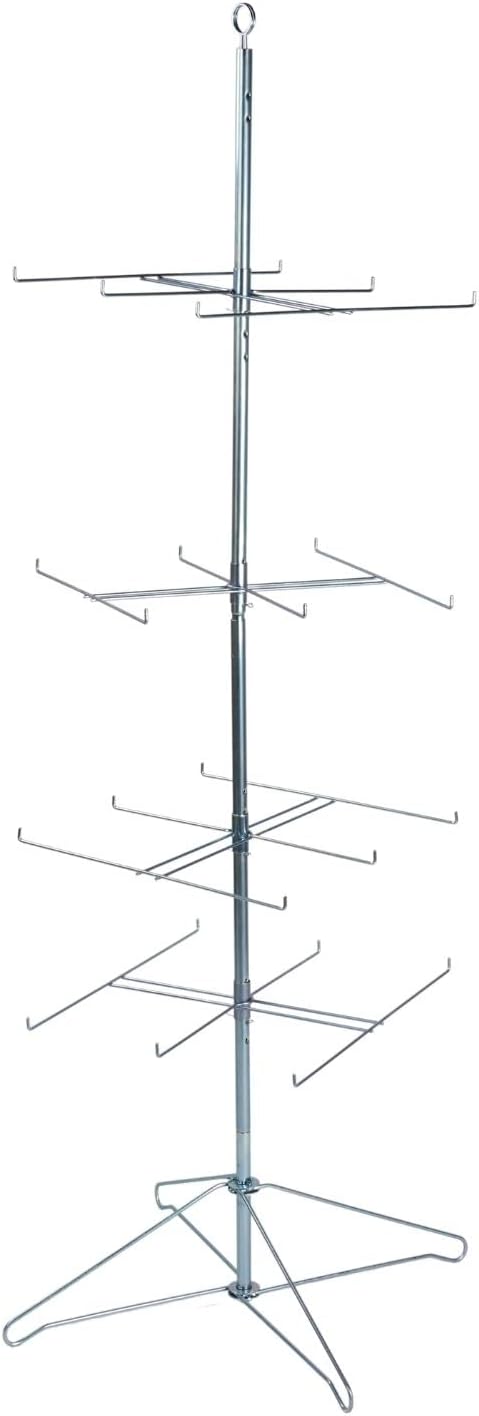


Only Hangers
Industrial Strength Z Rack with Add-On Hangrail and Built-in Height Extensions
See current price

Polmart
Polmart Heavy Duty Adjustable Two Tier Counter Top Spinner Display Stand - Pack of 10
See current price

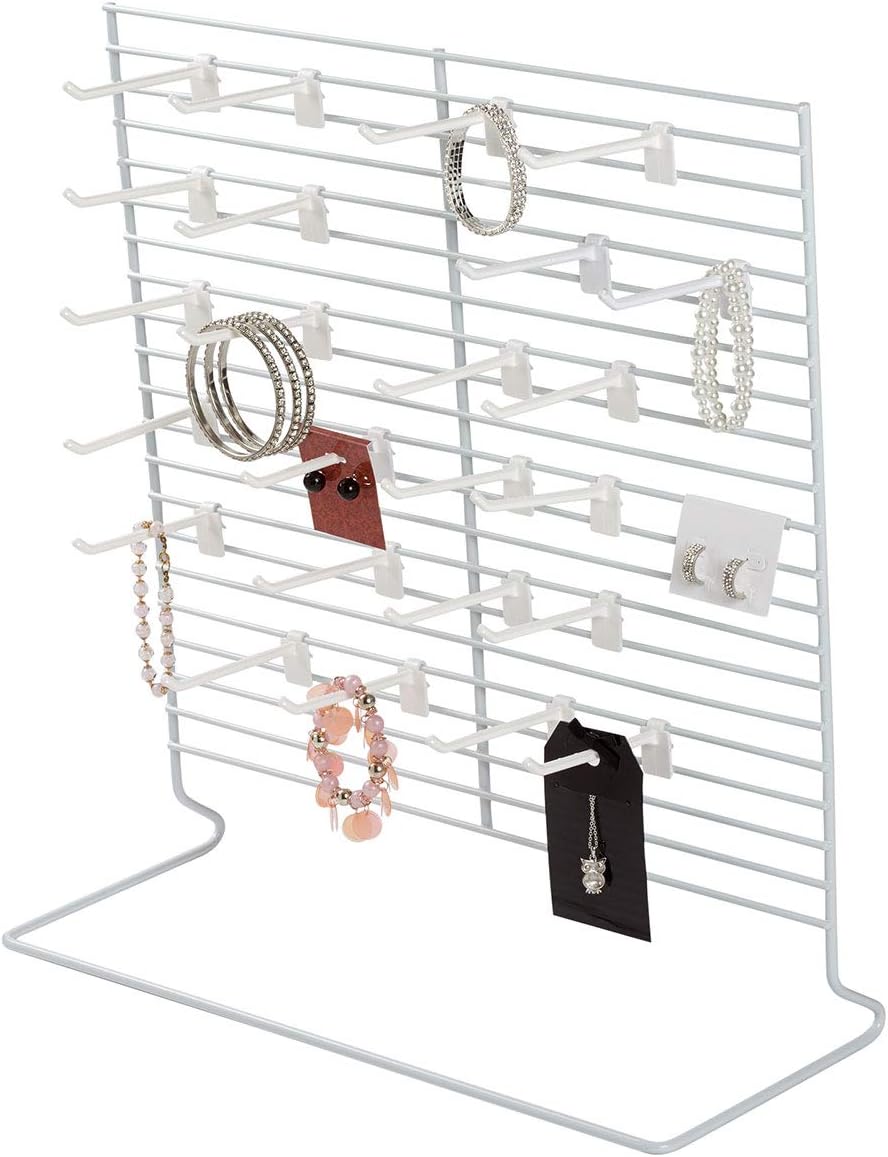


Better Display Cases
Better Display Cases Versatile Acrylic Display Case with Black Back and Wall Mount 5.5" x 5.5" x 13.25" (A017-BB-WM)
See current price


Forte Products
Forte Products 8002128 Half Size Display, 48" L x 24" W x 8" H, Black
See current price
Popular brands in Retail Displays & Racks
Retail displays and racks help organize merchandise while making products easier to see, browse, and select. The right fixture depends on what you sell, how much space is available, how often the display will be rearranged, and whether shoppers need to handle the products.
This category is part of Retail Store Fixtures & Equipment, with options suited to different merchandising layouts and product types. Use the catalog to compare construction, dimensions, mounting or placement requirements, and practical features before clicking through to Amazon for current availability.
How to choose a retail display or rack
Start with the merchandise and the shopping behavior you want to support. Hanging goods usually need hooks, arms, or rails, while folded, boxed, or packaged products may be better suited to shelves, bins, or tiered surfaces.
Consider these factors:
- Product format: Check whether the fixture supports hanging, folded, boxed, carded, or loose merchandise.
- Available space: Compare the display’s footprint, height, and depth with the intended floor, counter, wall, or checkout location.
- Capacity: Look for enough rails, hooks, shelves, or compartments without overcrowding the products.
- Accessibility: Merchandise should be easy to reach, remove, return, and browse without creating a cluttered presentation.
- Stability: A weighted base, broad footprint, secure hardware, or wall-compatible design can matter in busy retail areas.
- Flexibility: Adjustable or modular components can make seasonal changes and product rotations easier.
Common types of retail displays and racks
The best format depends on the products and the role of the fixture in the store.
- Garment racks: Useful for apparel, costumes, outerwear, and other items sold on hangers. Compare rail length, frame construction, mobility, and clearance.
- Grid and slatwall accessories: Hooks, baskets, arms, and holders can turn a wall system into a flexible display for packaged or hanging merchandise.
- Countertop displays: Compact fixtures keep small, impulse-oriented, or frequently selected items near a register or service counter.
- Floor-standing racks: These provide additional presentation space without requiring wall installation. Check footprint, height, access from each side, and ease of repositioning.
- Tiered and specialty displays: Multiple levels or purpose-built holders can improve visibility when products vary in size or need a particular orientation.
For larger wall-mounted or shelving-oriented solutions, compare this category with Retail Shelving & Wall Displays. Apparel presentation may also benefit from Mannequins, while smaller merchandise can be paired with suitable packaging and checkout supplies.
Features and specifications to compare
Materials affect appearance, weight, durability, and maintenance. Metal frames may suit frequent use and heavier merchandise, while acrylic, wood, plastic, or mixed-material fixtures can offer a different visual style or a lighter setup. Pay attention to finishes if the display will be placed in a customer-facing area.
Review the assembly and installation details carefully. Some fixtures are freestanding, while others may require wall hardware, a counter surface, or a compatible retail system. Confirm that included components match the intended setup and that replacement parts or adjustments will be practical for your operation.
Mobility is another important consideration. Casters can help with floor planning and cleaning, but a movable fixture should still remain stable when loaded. For a fixed presentation, prioritize rigidity and secure placement.
Coordinating displays with store supplies
A display works best as part of a consistent merchandising setup. Retail Bags & Boxes can support packaging at checkout, while Pricing Supplies can help identify products and communicate prices or promotions. For self-service environments, Shopping Baskets & Carts can make it easier for shoppers to carry selected merchandise.
Keep related fixtures aligned in finish, scale, and placement where possible. Leave enough room for customers and staff to move comfortably, and avoid positioning tall or densely loaded displays where they obstruct sightlines, exits, or necessary equipment.
Brands in the catalog
Brands represented in this catalog include SSWBasics, Polmart, APL Display, KC Store Fixtures, ELEpure, Only Hangers, Marketing Holders, Store Supply Warehouse, Bluedot Trading, HOMCOM, Forte Products, and HawHawToys. Compare each listing by its stated dimensions, materials, included components, intended use, and assembly information rather than relying on brand name alone.
Frequently asked questions
What type of rack is best for clothing?
A garment rack with a suitable rail, stable frame, and enough clearance is a practical starting point. Consider whether the rack needs to be stationary, movable, adjustable, or compact for the available space.
How do I choose a display for small products?
Look for hooks, compartments, baskets, tiers, or countertop formats that keep items visible and easy to reach. The product’s packaging and weight should match the fixture’s support method.
Should a retail display be freestanding or wall-mounted?
Freestanding displays are easier to reposition, while wall-mounted fixtures can preserve floor space. Choose based on installation limits, store layout, product weight, and how often the merchandising plan changes.
What should I check before ordering a rack?
Verify dimensions, load suitability, materials, finish, assembly requirements, included hardware, and whether the fixture fits the products and location where it will be used.
How can displays improve store organization?
Grouping merchandise by type, use, size, or buying occasion can make browsing more intuitive. Clear spacing and appropriate display heights also help products remain visible and accessible.